Insider-Led Ecuador Travel & Concierge
Expert local insiders design your Ecuador trip from scratch — hand-picked stays, private guides, and concierge support from first call to final day.
Ecuador trips & itineraries from local insiders
Explore hand-picked Ecuador itineraries designed by local insiders who know every hidden corner. Each trip is completely flexible — customized to your pace, travel style, and budget.
Two Weeks in Ecuador
Embark on a two‑week Ecuador adventure that juxtaposes bustling Andean capitals with remote volcanic islands, delivering a vivid contrast of urban energy and pristine nature. Traverse Quito’s historic streets, soar over the crater lake of Quilotoa, then island‑hop to the Galápagos for lava tunnels, Santa Cruz highlands, and sea‑lion encounters. Guided by knowledgeable locals, you’ll taste traditional cuisine, hear indigenous stories, and return with a deep appreciation for Ecuador’s cultural richness and extraordinary biodiversity.

Stress-Free Solo Journey in Ecuador
I loved my trip. It was well organized
Everything We Had Hoped For
I loved using Anywhere Ecuador for this trip! We had a fantastic time. I gave a four out of five because we had some logistical challenges with our day trips and getting back to the airport.
It Was Hard to Say Goodbye
Ecuador is a beautiful country from Quito all the way to the coast of Guayaquil. It is definitely a must. Percy was amazing in helping us plan our trip, as I must have changed my itinerary about a million times. Even when I had questions during our trip he was right there ready to help and took care of everything. Now, there are no words to describe our driver, (which we were lucky to have for 9 days) Ricardo. He was professional, friendly and went above and beyond to help make our Ecuador experience one to remember. It was sad to say good bye, but one thing is for sure when we plan our next trip to Ecuador we will be asking for Ricardo again.
Treasures of The Galapagos
Words cannot express the wonderful experiences we had in Ecuador and the Galapagos Islands. We try to explain our enthusiasm for our trip to our friends, but words become inadequate and so we simply encourage them to arrange their own adventure to Ecuador/Galapagos through Anywhere! We are anxious to start planning a return trip to explore more of the mainland of Ecuador. We owe a great deal of our curiosity about Ecuador to our driver Ricardo, who was an enthusiastic cheerleader for the country.
Ecuador Thoroughly Explored
The people and the beauty of the country
From The Andes to The Amazons
If adventure, nature, and culture are at the top of your travel to-do list, then prepare for a trip that you won’t soon forget. Experience the rugged beauty of Ecuador.
Andes Highlands to Galapagos
Have it all! Rest, relaxation, adventure, and nature are yours when you book this Signature Trip to Ecuador. From Quito to the Galapagos, Ecuador will enchant you…
Hit Refresh—Unplug in Ecuador
Natural beauty, graceful architecture, rugged excursions, and a destination that’s on every “Must See in Your Lifetime” list… Yes, Ecuador has all of this and more.
An Incan Adventure for One
Blaze your own trail on this safe solo adventure as you walk in the footsteps of the Incas. Explore the highlands and the valley, history and culture, and cuisine.
Darwin’s Footsteps: A Solo Adventure
Take yourself through Ecuador’s islands, explore colonial cities, and enjoy delicious cuisine every step of the way. Check this 'Must See' destination off of your bucket.
The Best of The Galapagos—for You
Go on a grand adventure for one. Enjoy the flora and fauna of the world famous Galapagos Islands; witness the magic of a world where nature is left to her own devices.
Ecuador Unplugged: The Galapagos
Forget the digital world. This vacation is all about the natural world! Explore the Galapagos Islands; see countless plants and animals thriving as nature intended.
Nature Off the Screen
If your travel goal is to show your family the natural world, then this is the vacation you need. You’ll get outside, explore amazing destinations, and see animals in their natural habitat.
Touch the Clouds, Trek The Amazons
Need a family adventure that will have everyone discovering the beauty of the world instead of looking at screens? You'll love this expertly crafted Ecuadorian getaway!
Create your own Ecuador itinerary
Work with our local experts to design a journey that fits your pace, interests, and budget perfectly. From hidden waterfalls to private beach villas.
Your dates, your pace.
Hand-picked stays & experiences.
Private local guides throughout.

The best places to visit in Ecuador
From iconic landmarks to hidden gems — explore the destinations our local insiders recommend most in Ecuador.
Quito
Set an elevation of 9,350 ft (2,850 m), Quito is the highest capital city in the world. The population of this bustling city is a contrasting mix of Ecuadorians sporting sleek business suits and colorful indigenous clothing. These contrasts exemplify the mix of politics, history and culture that define Quito. Founded in the 16th century atop the ruins of an Inca city, Quito is a UNESCO World Heritage Site and a premier destination for those visiting Ecuador.
Explore DestinationGuayaquil
As the largest city in Ecuador, Guayaquil is the commercial heart of the country. Its crowded streets contain a vast number of impressive hotels, restaurants and plazas.
Explore DestinationSanta Cruz
The island of Santa Cruz is the visitor hub of the Galápagos. As the second-largest island in the Galápagos, Santa Cruz is characterized by its moist highlands region, the bustling town of Puerto Ayora, and several pristine beaches.
Explore DestinationSan Cristóbal
San Cristóbal is the fifth largest island in the Galápagos. This islands offers easy access to snorkeling and beach sites, and is also home to some of the best surfing in the Galápagos. Geologically, San Cristóbal is one of the oldest islands in the Galápagos. The main town here is Puerto Baquerizo Moreno.
Explore DestinationBaños
Set at the base of the looming Tungurahua Volcano, the peaceful town of Baños gets its name from the many thermal spas that are scattered around the area. It’s an outdoor adventure hub as well, with whitewater rafting, hiking and mountain biking opportunities nearby.
Explore DestinationReal Voices, Real Benefits
We believe travel is more than ticking destinations off a list – it's about discovering new places deeply, feeling connected wherever you go, and knowing you have a trusted team of local experts behind you every step of the way.
Ecuador is located on the northwestern edge of South America, between Colombia and Peru . And as the name implies, it’s right on the equator.
Ecuador has a diverse landscape, from its rolling alpine hills to dense Amazonian jungles , azure coastlines , and the Galápagos Islands . Nearly 400 species of mammals and over 1,600 bird species reside here. All of this fits into an area of 109,483 square miles (283,560 sq km), which is roughly the size of Colorado. Ecuador’s small size allows travelers to easily visit different environments during their stay. If you have time, include a trip to the 18 islands of the Galápagos, which are home to wildlife seen nowhere else in the world.
Metropolitan cities and quaint towns are scattered throughout the highland valleys and along the coast. Each major city has its own culture, history, and speciality commerce. The bustling capital city of Quito is at the heart of Ecuadorian history and tradition. Guayaquil is known for its nightlife, and Cuenca has a lovely array of colonial churches. No matter what parts of Ecuador you choose to visit, the breathtaking landscape and friendly people ensure that you’ll have rewarding travels.
Ecuador’s mainland divides into three distinct regions — the Andes, the Amazon Basin, and the coast. West of the coast you’ll come to the volcanic archipelago of the Galápagos. You’ll find that the climate varies widely from one region to the next.
Ecuador’s coastline spans 1,390 miles (2,237 km) from Peru to Colombia. The southern coastline has swaths of mangroves. Head north and the coast eventually transitions into a drier climate, with white sand beaches and intense surf. Temperatures can range from 75°F (23.8°C) to 85°F (29.4°C) throughout the year. December to April brings clear skies to the coast , while the rest of the year it is often blanketed in cloud cover.
The Sierras region is subdivided into northern , central and southern regions. In Ecuador, the Andean peaks gives way to majestic, widely spaced volcanoes. The surrounding foothills are likely where you’ll spend the majority of your time. Sierras have elevations ranging from 6,000–10,000 feet (1,828–3,048 m). Temperatures here range from 60°F (15.5°C) to 45°F (7.2°C). Generally, the higher up you are, the colder it will be. The Sierras’ rainy season lasts from January to June, and the dry season lasts from July to December.
Further east is Ecuador’s Amazon basin , which has a hot and humid climate. The Amazon Basin is home to only 3 percent of Ecuador’s population, meaning much of the region is still regarded as a wild and uninhabited place. The elevation is considerably lower here, with few places higher than 1,500 feet (457 m). Temperatures range from 77°F (25°C) to 84°F (28.9°C). Because this region gets over 200 inches (508 cm) of annual rainfall, be sure to pack a rain jacket if you plan to visit the Amazon.
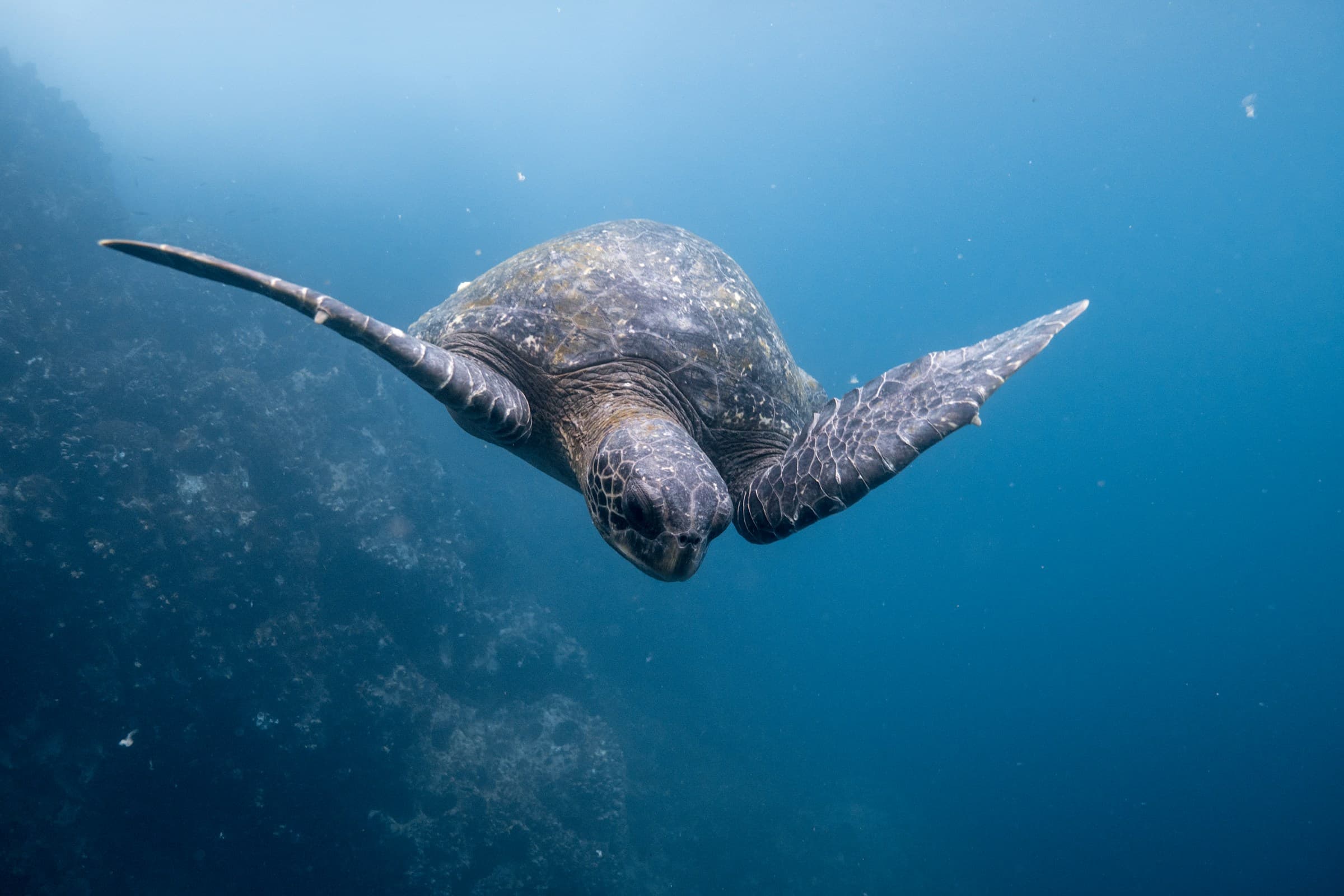
The Galápagos Islands lie 600 miles (965 km) off the coast of Ecuador. This archipelago has 18 islands and a handful of other rock outcroppings. The temperatures here range from 75°F (23.8°C) to 85°F (29.4°C), usually mirroring conditions on the coast. The dry season lasts from June to December, but both air and water temperatures are cooler during this time of year.
Ecuador’s relatively small size and roughly 15 million inhabitants make it South America’s most densely populated country. As such, Ecuador has often struggled to balance its economic, social and environmental priorities. Its government has a tumultuous past, with over 80 major changes in the regime since the country gained independence from Spain in 1830.
In the last few years Ecuador’s government has seen some major improvements. Social spending has increased tremendously, with over $16 billion spent on education and healthcare. The poverty rate has dropped from 42 percent in 2005 to just 25 percent in 2013.
Ecuador is a representative democracy. The current president, Rafael Correa, has enacted sweeping social reforms, focusing on welfare programs and education since taking office in 2007. He was re-elected in 2013, a victory that proved that his liberal spending policies were well-received. In recent years, relations between Ecuador and the United States have been strained, mostly because of tensions stemming from oil drilling by U.S. companies in Ecuador’s Amazon. In 2011, Ecuador expelled the US ambassador amidst accusations of corruption. Despite these tensions, the US remains Ecuador’s largest trading partner.
Powering Ecuador’s economy is a vast wealth of natural resources, the most important of which is oil. Other major exports include bananas and seafood products. Crude oil production accounts for roughly 30 percent of the GDP. This revenue has helped fund the public spending initiatives. Oil is, however, also a major point of contention in Ecuador. Environmental and indigenous-rights lawsuits are increasingly challenging drilling practices.
Ecuadorian people come from a variety of ethnic backgrounds. Indigenous groups first settled the region some 15,000 years ago. In the 16th century, Spaniards arrived, mostly as conquistadors. Like many other South American countries, Ecuador’s population has a mix of Amerindian and Spanish heritage. This interracial, or mestizo, population makes up nearly 72 percent of the total population. Throughout the Sierras and in much of the Amazon, Amerindians make up 7 percent of the population. Along the coast, a prominent Afro-Ecuadorian population accounts for another 7 percent.