

Chiloe
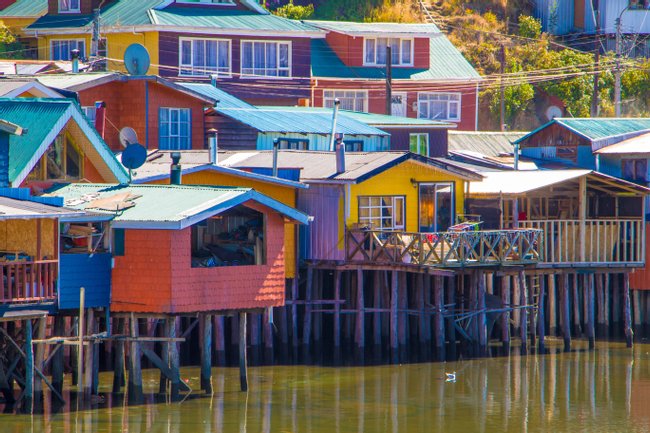
Colorful houses perched on stilts define the visual rhythm of Chiloé, a large island off the coast of Chile. The island’s settlements spread across a landscape of rolling hills and coastal inlets, where the sea meets forested interiors. Though modest in population, the community’s identity is anchored in architecture and food that differ sharply from mainland patterns.
Stilted dwellings line the waterfronts of towns such as Castro, their bright facades reflecting in tide‑washed docks and creating a vivid tableau for visitors strolling along narrow streets. The island’s geography, marked by a jagged shoreline and numerous bays, encourages boat trips that reveal hidden coves and the everyday life of fishermen. Walking through the villages offers a sense of continuity, as the same construction techniques that lifted homes above the water centuries ago remain in use today.
Scattered across Chiloé are several listed wooden churches, each a testament to the island’s craftsmanship and religious heritage. These structures, recognized for their historic value, display intricate timberwork and interiors illuminated by modest light. Culinary traditions on the island stand apart, with dishes that combine local seafood, potatoes, and unique preparations that have become synonymous with Chiloé’s cultural expression. The combination of stilted houses, heritage‑listed churches, and a cuisine that cannot be found elsewhere makes Chiloé instantly recognizable to anyone who experiences its streets.
Where to stay in Chiloe
From boutique lodges to luxury resorts, every Chiloe accommodation is hand-picked by our local insiders for location, comfort, and character.
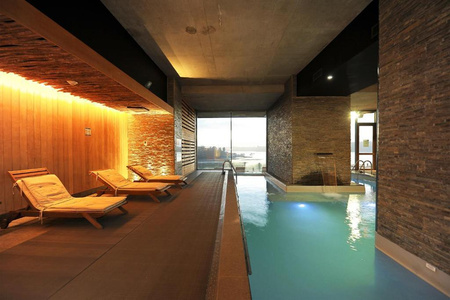
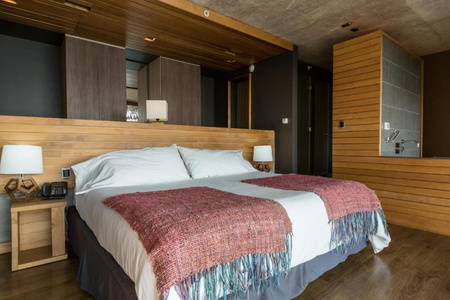
Enjoy Chiloé
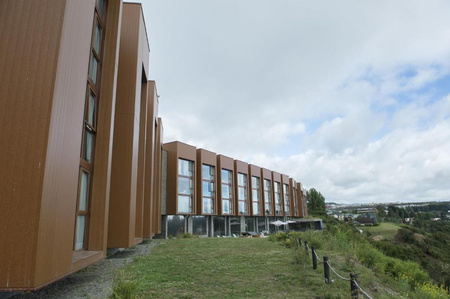
A 1,076-square-foot casino floor anchors Enjoy Chiloé, a 72-room beach hotel in Chile. Located along the coast in Castro, the property pairs waterfront lodging with late-night gaming and entertainment. Reaching the building and traveling around the surrounding area requires a car.