
Lake District Region
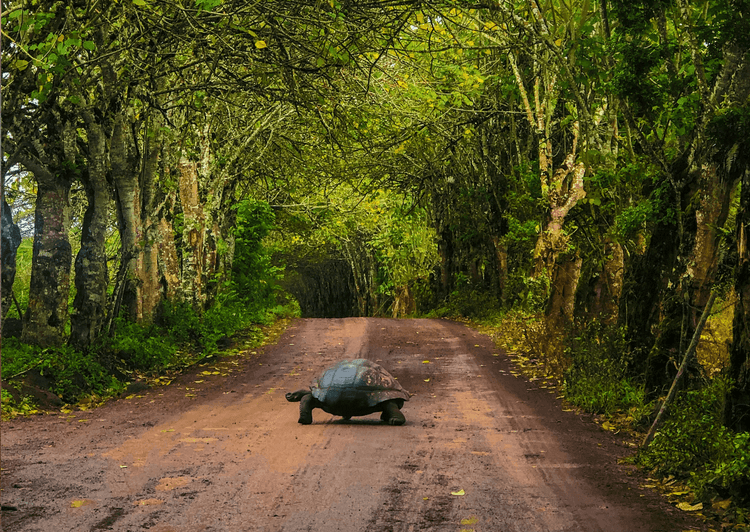
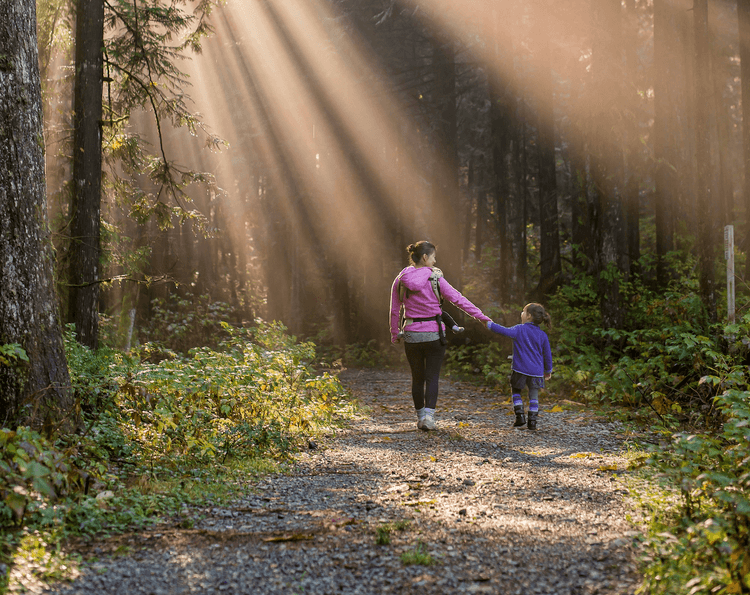
One of the most beautiful regions in Chile is Lakes District. There are many glacial lakes in a countryside otherwise characterized by snowcapped volcanoes and serene lakeside villages. This region is appealing to outdoor adventurers because there are activities such as horseback riding, rock climbing, lake-lazing, or flashpacking through national parks. Puerto Varas is the adventure center in this region.
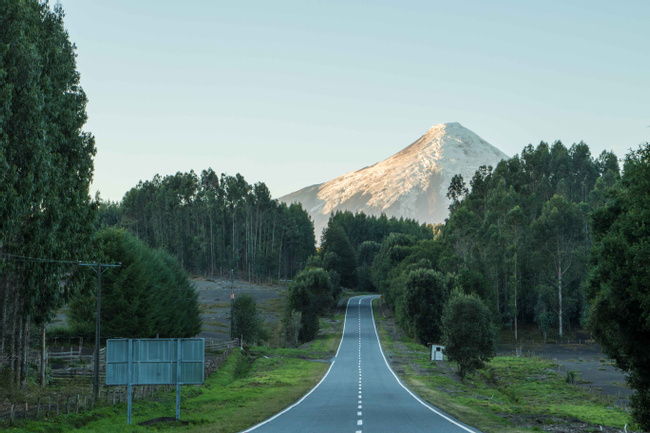
Osorno Volcano
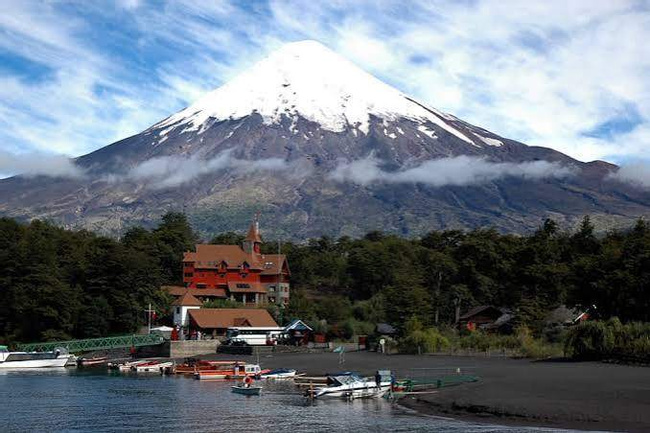
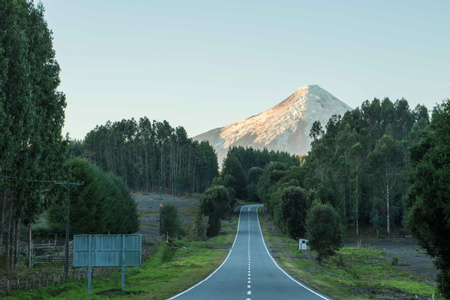
Glaciers crown the summit of Osorno Volcano, giving the massive active cone an unmistakable icy cap. The volcano rises in southern Chile as a huge, continually active mountain that dominates the skyline. Its glaciated peak and striking profile make it a well‑known scenic landmark and a popular hiking destination.
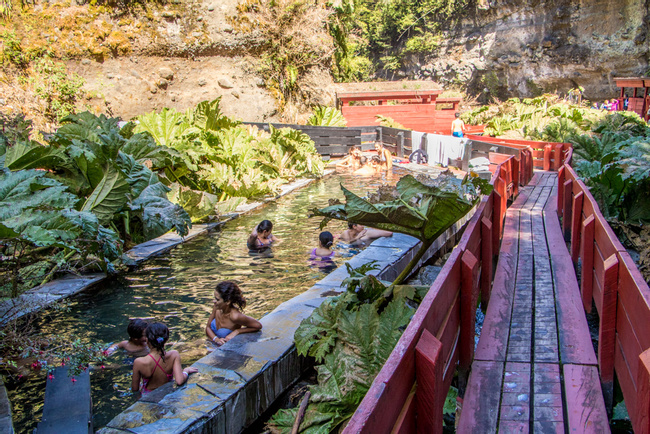
Termas Geometricas
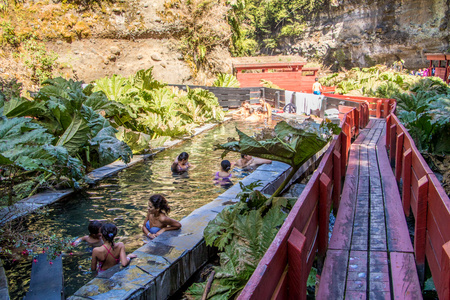
More than 60 natural water sources emerge from the forest floor, creating a hot‑spring complex that invites both relaxation and exploration. The site functions as a lodging destination where guests stay amid the steaming outlets. It lies within a protected forested national park in Chile, offering a blend of wilderness and thermal comfort.
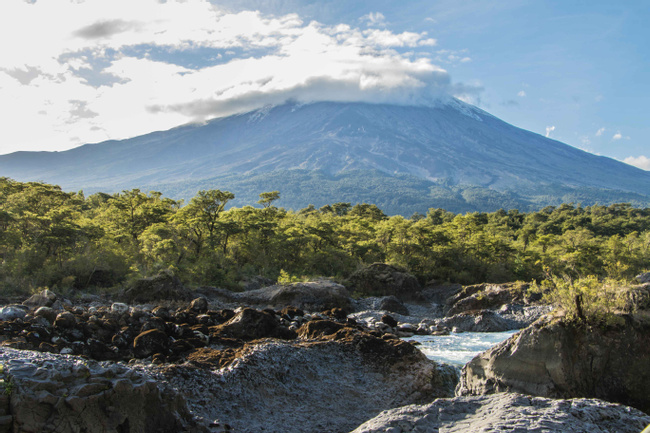
Petrohue Waterfalls
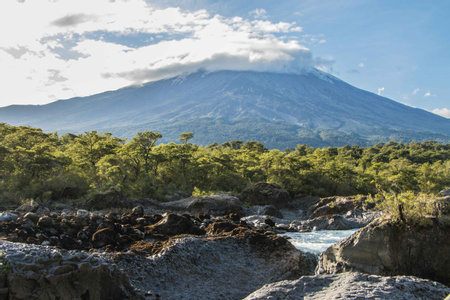
A narrow chute of water drops directly into a pool while the towering cone of Osorno stratovolcano rises behind it, creating a striking contrast that defines Petrohue Waterfalls in Chile. The falls are accessed by a short, clearly marked path that leads visitors close enough to feel the spray without leaving the trail. Situated in the southern part of the country, the waterfall offers a concise yet memorable natural encounter.
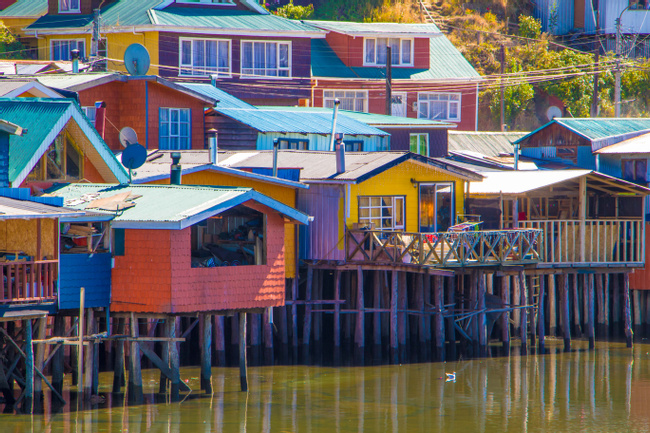
Chiloe
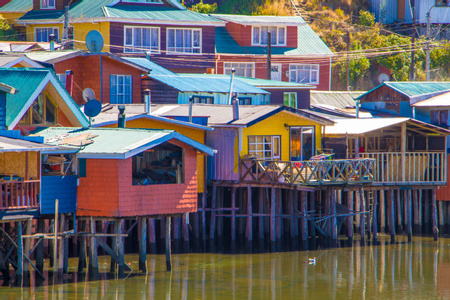
Colorful houses perched on stilts define the visual rhythm of Chiloé, a large island off the coast of Chile. The island’s settlements spread across a landscape of rolling hills and coastal inlets, where the sea meets forested interiors. Though modest in population, the community’s identity is anchored in architecture and food that differ sharply from mainland patterns.
Osorno
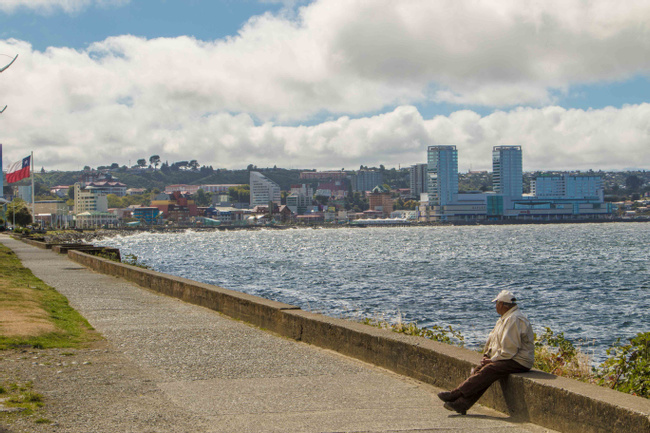
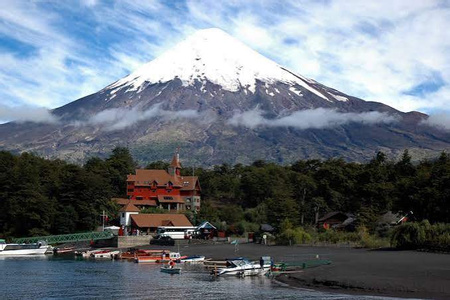
At the meeting point of the Rahue and Damas rivers, Osorno serves as the principal land portal to Chile’s southern Patagonia, linking Santiago with the Argentine city of San Carlos de Bariloche via International Route 215 and the Cardenal Antonio Samoré Pass. The city lies in the Los Lagos Region of southern Chile, 945 kilometres south of the capital and 105 kilometres north of Puerto Montt, and recorded 145,475 inhabitants in the 2002 census. Its identity blends Huilliche, Spanish and German cultural strands, a mix reflected in local architecture and traditions.
Pucon
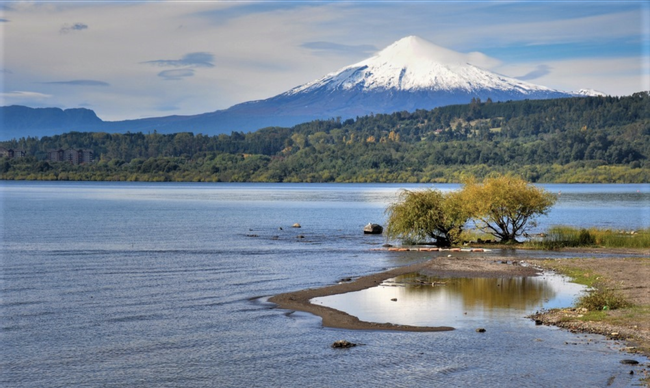
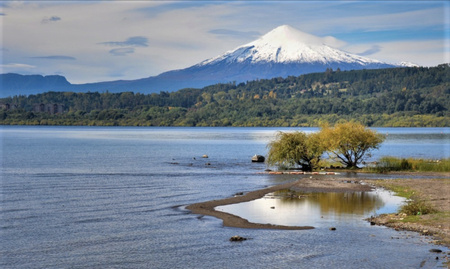
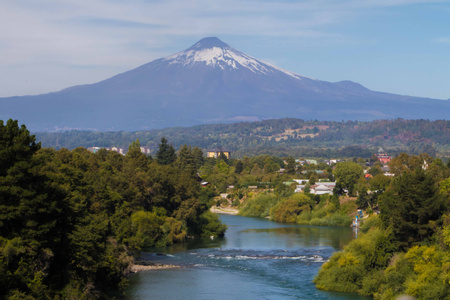
A massive, snow‑capped volcano rises directly behind the town’s waterfront, casting a permanent silhouette over Lake Villarrica. Pucon is a resort town in Chile’s Araucanía region, perched on the lake’s western shore and framed by the Andes. With roughly 20,000 residents, it serves as the gateway to a cluster of protected areas that define the southern Lake District.
Villarrica
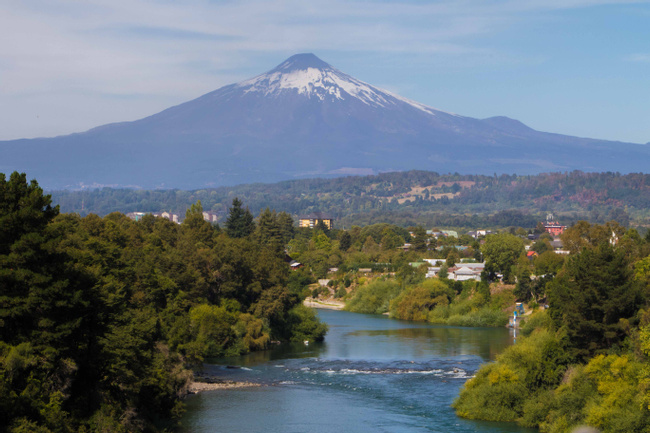
Villarrica commands the western shore of Villarrica Lake while the cone of the active Villarrica Volcano rises behind it, a backdrop that defines the town’s character. The city and commune belong to the Cautín Province in Chile’s Araucanía Region, some 746 km south of Santiago. Its residents, known as Villarricences, have turned the blend of lake, volcano and forest into a year‑round attraction.
Ensenada
The red‑brick lighthouse that has watched over the inlet since 1905 defines Ensenada, a modest fishing town perched on the Pacific coast of Chile’s Los Lagos Region. The settlement spreads along a natural harbor that shelters a fleet of small boats and a daily fish market where rockfish, machas and sea urchins are auctioned. With fewer than 2,000 residents, the town retains a rhythm set by tides and the seasonal arrival of tourists bound for the surrounding archipelago.
Puerto Montt
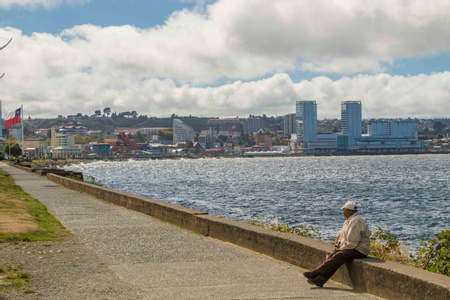
At the mouth of the Reloncaví Sound, Puerto Montt serves as the principal maritime gateway to Chile’s Chiloé Archipelago, the Llanquihue and Nahuel Huapi lakes, and the broader reaches of Western Patagonia. The city lies in southern Chile, about 1,055 km south of Santiago, and functions as both a port and a commune within the Los Lagos Region. Founded on 12 February 1853 during the German colonization of the south, it carries the name of President Manuel Montt, who promoted that immigration wave. With a 2017 population of roughly 246 000, the settlement has grown from a forest‑cleared outpost into a bustling hub for trade and travel.