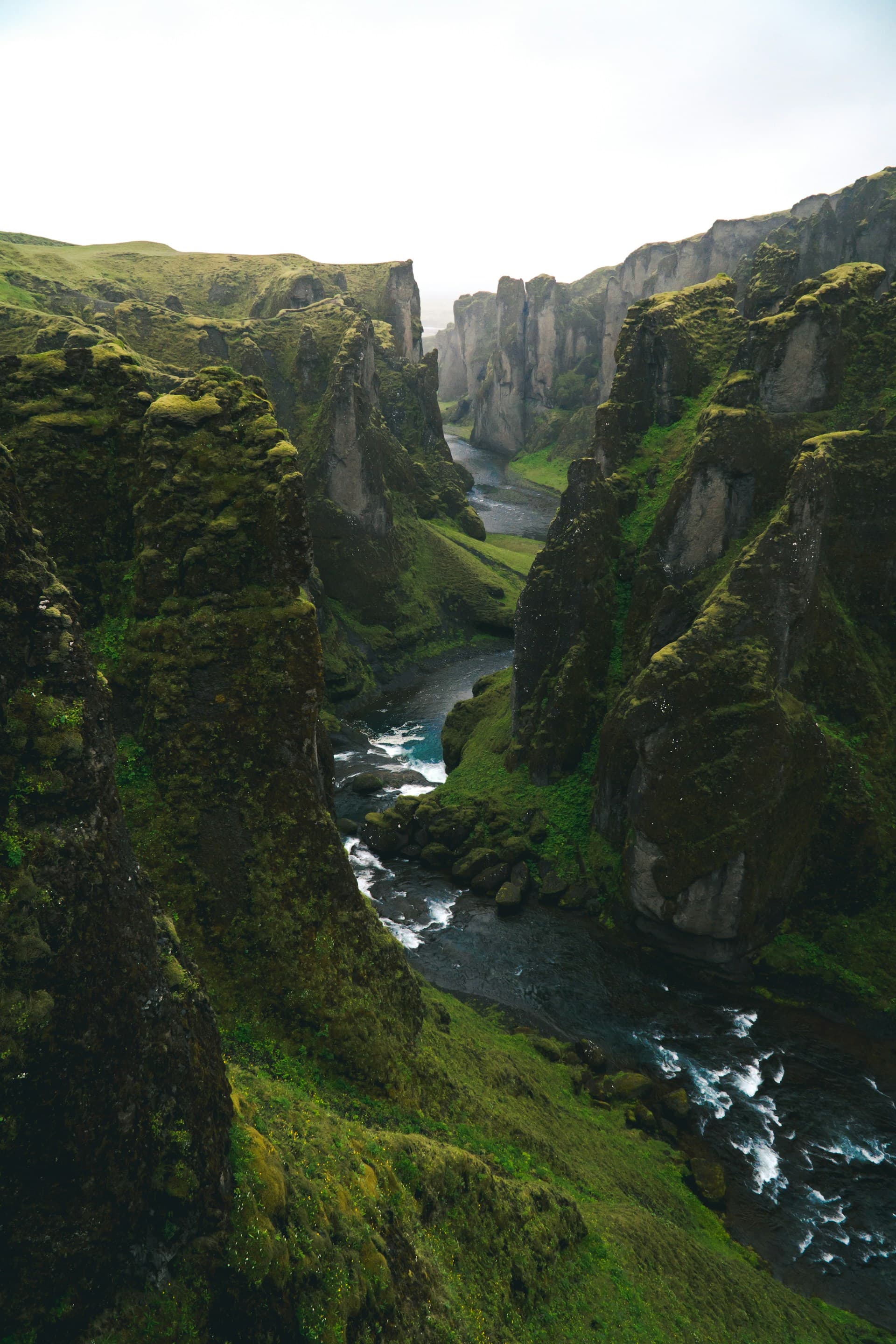

Tourism has surged to become Iceland's largest export industry, surpassing fishing in recent years. The dramatic increase in visitors since 2010 has transformed the economy, creating jobs and spurring infrastructure development. This growth also explains the high prices travelers encounter.
Fishing remains culturally and economically significant. Iceland carefully manages its marine resources through a quota system, and seafood exports generate substantial revenue. Fish processing and related industries employ a meaningful percentage of the workforce.
Renewable energy, primarily geothermal and hydroelectric, powers nearly all of Iceland's electricity needs. This clean energy attracts data centers and aluminum smelting operations looking to reduce their carbon footprints. The same geothermal resources heat homes, greenhouses, and the country's famous pools.
Iceland uses the krona (ISK) and is not part of the European Union, though it participates in the Schengen Area and European Economic Area. The cost of living is high, reflecting both the island's isolation and its strong social services.
Related Questions
See all Iceland questions
Insider-led Iceland Design & Concierge
Your insider team designs the trip around what you care about, then supports you in-country with private logistics, vetted partners, and concierge help when plans change.
Get StartedPrivate drivers; English-speaking available.
Avoid the crowds in private day tours.
Better stays, better pacing, better reservations.
Insider-only experiences and exclusive local partners.
24/7 in-country support by phone, text, and WhatsApp.
Insider-led Iceland Design & Concierge
Your insider team designs the trip around what you care about, then supports you in-country with private logistics, vetted partners, and concierge help when plans change.