
What Are the Roads Like in Iceland?
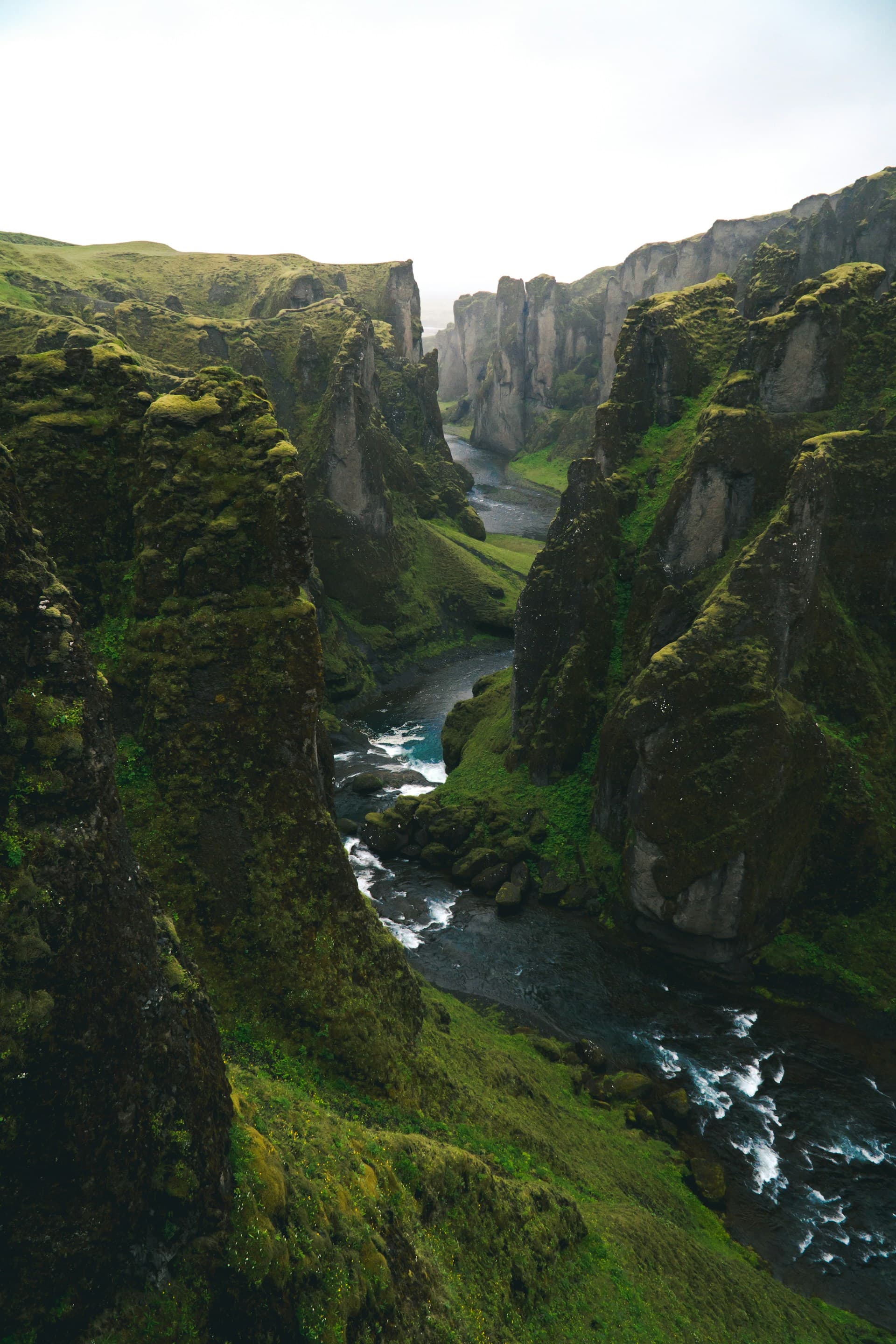
Iceland's Ring Road (Route 1) is mostly paved and well-maintained, circling the entire island and connecting major destinations. Secondary roads vary from good asphalt to gravel tracks, and F-roads into the highlands are unpaved, rough, and often involve river crossings.
The Ring Road provides comfortable driving for the most part, though some sections remain single-lane bridges or have loose gravel shoulders. Always slow down for these stretches and yield to oncoming traffic on single-lane bridges as indicated by signs.
Gravel roads require reduced speed and extra attention. Loose stones can damage windshields and undercarriages. Keep a safe following distance from other vehicles to avoid flying rocks, and watch for sheep, which often wander onto roads without warning.
F-roads open only during summer months, typically June through September depending on conditions. These routes require high-clearance 4WD vehicles and experience with river crossings. Water levels fluctuate daily based on glacier melt and rainfall. If you are not confident in your off-road driving skills, hire a guide or join a tour that specializes in highland access.
Always check road.is before setting out, especially in winter or when heading to remote areas.
Related Questions
- Should I Rent a Car in Iceland?
- What Destinations Offer Domestic Flights in Iceland?
- What Are the Driving Times Between Destinations in Iceland?

Insider-led Iceland Design & Concierge
Your insider team designs the trip around what you care about, then supports you in-country with private logistics, vetted partners, and concierge help when plans change.