
About Japan
You'll feel the mix of old and new immediately: lantern-lit alleys in Tokyo, shrine-lined lanes in Kyoto, and a riverfront peace park in Hiroshima. Japan loves order — trains on time, streets spotless — yet it's playful in arcades and ramen joints.
In Osaka, neon signs preach "eat until you drop," while nearby Nara lets you wander with friendly deer between towering Buddha halls. Head to Hakone for sulfur-scented onsen and Mount Fuji views, then slow down in Takayama where preserved merchant houses pour morning-market miso soup.
Every stop runs on quiet etiquette — queue lines painted on platforms, murmured greetings, a quick bow — and you'll quickly copy the rhythm. From bullet train windows to temple gardens, you're moving through a country that balances hyper-modern efficiency with centuries-old tradition.
Hand-crafted itineraries Japan vacations
Explore hand-picked Japan itineraries designed by local insiders who know every hidden corner. Each trip is completely flexible, customized to your pace, travel style, and budget.
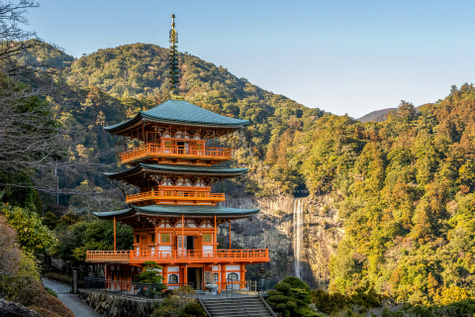
Tokyo to the Kumano Kodo
Countless experiences in an adventurous albeit safe environment!! Good for all ages and almost whatever you want to experience.
Japan
Sakura & Samurai Family Journey
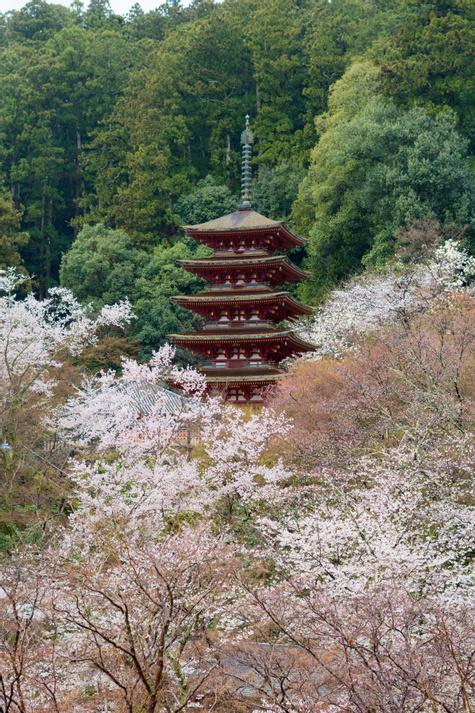
Embark on a vibrant family adventure that juxtaposes Tokyo’s neon energy with Kyoto’s timeless serenity, weaving together modern marvels and ancient samurai heritage. Travel from bustling Shibuya streets to serene Kiyomizu‑dera, explore cherry‑blossom lined parks, glide along the Sumida River, and discover Kyoto’s bamboo groves and tea houses. Friendly local guides and artisans will share stories, craft lessons, and culinary delights, leaving your family with lasting memories of Japan’s warm hospitality and cultural depth.
Japan
Spring Odyssey Through Japan
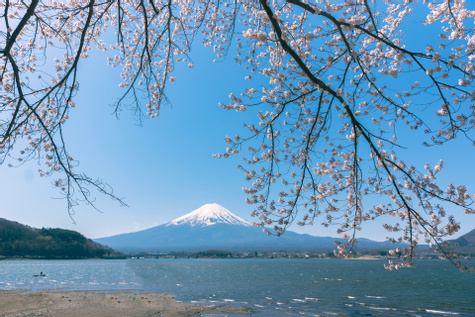
Spring‑time odyssey across Japan, where tranquil hot‑springs meet towering peaks and vibrant cityscapes, creating a contrast of serenity and energy. You’ll unwind in Hakone’s volcanic valleys, gaze at Mt. Fuji over Lake Kawaguchi, explore Kyoto’s historic temples and gardens, then dive into Tokyo’s buzzing Shibuya district and Miyashita Park. Guided by knowledgeable locals, you’ll savor seasonal cuisine, soak in onsen waters, and return home with a blend of peaceful reflection and exhilarating urban memories.
Japan
The best places to visit in Japan
From iconic landmarks to hidden gems, explore the Japan destinations our local insiders recommend most.
Hakone
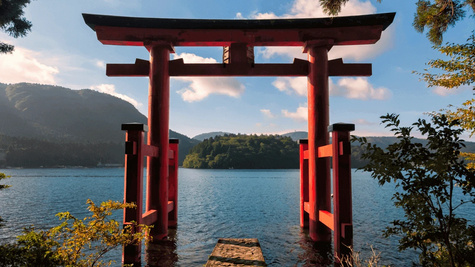
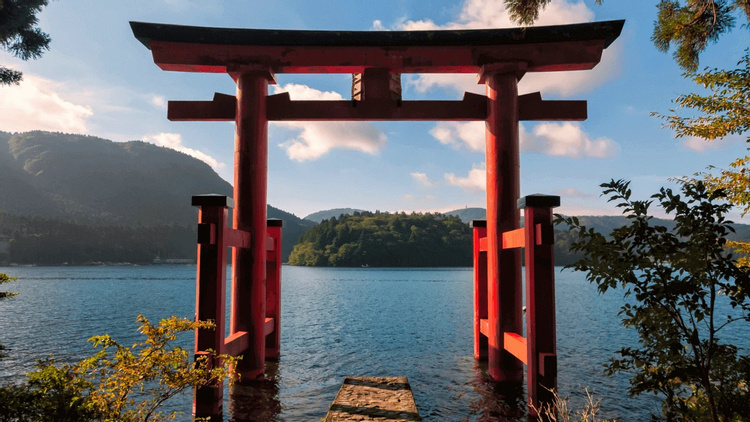
Hot springs that frame a view of Mount Fuji define Hakone, a spa town in Kanagawa Prefecture, Japan. The town lies on the eastern side of the historic Hakone Pass and falls largely within the volcanically active Fuji‑Hakone‑Izu National Park. With a population of just under 11,000, Hakone combines natural scenery with a legacy of travel and pilgrimage.
Hiroshima
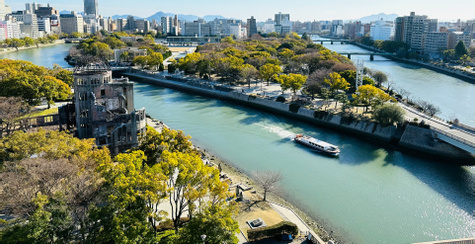
The city’s most recognizable landmark is the Hiroshima Peace Memorial, a UNESCO World Heritage Site that marks the exact spot where the atomic bomb detonated on 6 August 1945. Hiroshima lies on the delta of the Ōta River in western Honshu and serves as the capital of Hiroshima Prefecture, Japan. With a population of just under 1.2 million, it has rebuilt itself into the largest urban centre of the Chūgoku region.
Nara
Ancient capital Nara preserves a cluster of eight historic temples and shrines that together form a UNESCO World Heritage Site. The city lies in the northern part of Nara Prefecture, directly bordering Kyoto Prefecture on the north and Mie Prefecture on the east. With an estimated population of 367,353 in 2022, it ranks as the largest city in the prefecture and the sixth‑largest in the Kansai region.
Takayama
The historic old quarter of Takayama, where rows of Edo‑era merchant houses line a riverfront, draws visitors for its preserved streets and seasonal festivals. Takayama is a city in northern Gifu Prefecture, Japan, set in the heart of the Japanese Alps. With a population of about 82,000, it covers more than 2,100 km², making it the largest municipality by area in the country. The city’s isolation at high altitude has allowed a distinct local culture to develop over three centuries.
Tokyo
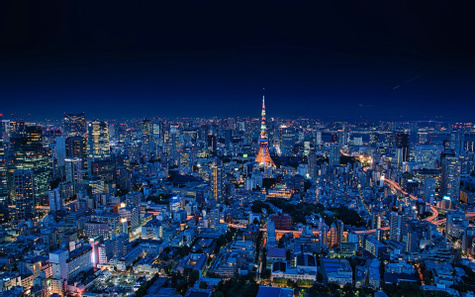
Tokyo Skytree rises as the world’s tallest tower, dominating the skyline of the capital of Japan. The metropolis lies at the head of Tokyo Bay in the Kantō region on Honshu’s central coast, and its 23 special wards form the historic core. With more than 14 million residents in the city proper in 2023, it ranks among the most populous urban areas worldwide.
Osaka
Dominating the city’s skyline, Osaka Castle rises from a low‑lying plain that once served as a regional port and briefly as an imperial capital. The city lies in the Kansai region of Honshu, Japan, and functions as the capital of Osaka Prefecture. With an estimated 2.8 million residents in 2025, it forms the core of the Keihanshin Metropolitan Area, the second‑largest urban agglomeration in the country.
Kyoto
Kyoto's landscape is dominated by a dense network of over 2,000 religious sites, a legacy of its eleven centuries as Japan's imperial capital. The city lies in the Kansai region on Honshu, serving as the capital of Kyoto Prefecture in western Japan. With a population of 1.46 million in 2020, it anchors the Greater Kyoto metropolitan area of roughly 3.8 million people.
Visiting Japan
You'll likely land at Tokyo's Haneda (HND, close-in) or Narita (NRT, farther with express trains), or at Kansai International (KIX) for Osaka and Kyoto. Domestic hops serve Hiroshima and Takayama via nearby hubs, but trains win on convenience.
Grab a Japan Rail Pass or regional JR passes if you're stringing together Tokyo–Kyoto–Osaka; Shinkansen runs that trio in roughly 2.5 hours end to end. For Hakone, switch to the Odakyu line; for Nara, a quick JR or Kintetsu hop from Kyoto or Osaka.
Regions have flavor: Kanto is metro buzz, Kansai leans food-forward, Chubu and the Japan Alps cradle Takayama, while Chugoku carries Hiroshima and the Seto Inland Sea.
Eating and drinking in Japan
Street food is safe; you'll mostly worry about what to pick first. Slurp shoyu ramen in Tokyo, tsukemen in Osaka, and delicate kaiseki in Kyoto.
Don't skip sushi counters (even stand-up spots), charcoal yakitori, okonomiyaki in Osaka or Hiroshima styles, and sake tastings — ask for junmai or ginjo and sip it slightly chilled.
Geographical Snapshot
Japan stretches about California's length but is slimmer; you can ride from Tokyo to Hiroshima in an afternoon. Four main islands arc along the Pacific, punctuated by city clusters and quiet peninsulas.
Roughly 70% is mountainous, which is why valleys cradle towns like Takayama. National parks ring volcanic peaks, cedar forests, and the Fuji-Hakone-Izu area, where you'll hike to steaming vents before soaking in an onsen.
When is the best time to visit Japan?
Late March to May and October to November are the best time for most Japan trips, for cherry blossoms and autumn color, but they are also the busiest, so book early.
- Spring: blossoms move north from the latter half of March to early May. Golden Week (late April to early May) is one of the busiest travel periods of the year.
- Summer: the rainy season starts in May–June, then hot, humid weather; typhoons can hit in August–September. Hokkaido and the mountains are cooler.
- Autumn: foliage runs from late September in Hokkaido to early December further south, peaking mid-November to early December in much of Honshu.
- Winter: snow, hot-spring stays and skiing, with quieter temples, except around New Year.
Plan your Japan trip around the season or ask our Japan Insiders.
Historical Overview
You'll trace samurai legacies in castle keeps and Edo-period streets, especially preserved in Takayama and Kyoto's wooden lanes. Shinto shrines and Buddhist temples — think Fushimi Inari's gates or Nara's Todaiji — anchor daily life.
In Hiroshima, the Peace Memorial Museum and Atomic Bomb Dome confront WWII history, while rebuilt cities show how Japan sprinted into modernity.
Society & Culture
About 125 million people live here, and you'll feel the density on Tokyo's morning trains. Respect runs deep — bow lightly, let passengers exit before you board, and slip off shoes at tatami rooms or some restaurants.
Cashier trays, quiet voices on trains, and orderly queues make travel smoother; mirror the pace and you'll fit in fast.
Economic Snapshot
Japan Travel FAQs
Is Japan safe to visit?
Yes, it's one of the safest countries in the world to travel. As of September 2026 the U.S. State Department rates Japan Level 1, its lowest advisory, and crime against visitors is low and mostly petty theft. Walking at night in Tokyo or Kyoto is generally fine; the exception is nightlife districts, where spiked drinks and thefts at bars have been reported. Nature is the bigger planning factor: earthquakes are common, and typhoons can disrupt travel in August and September. A Japan trip planned by locals leaves slack for weather; ask our Japan Insiders.
Can I combine Japan with another country in Asia?
Yes, and the key is routing. Fly into one Japanese gateway and out of another, for example into Tokyo and home from Osaka's Kansai airport, so the bullet train carries you one way and you never backtrack. Put the second country at the start or the end of the trip, not the middle, and give the connection a full travel day. Spring and autumn are Japan's busiest seasons, so lock in the Japan leg first and build the other stop around it. A Japan itinerary with transport arranged makes the Japan leg seamless.
Can you drink the water, and what about vaccines, mosquitoes and medical care in Japan?
Yes, tap water is safe to drink, and restaurants serve it free. No special vaccines are generally needed; the CDC suggests considering hepatitis A and B, and Japanese encephalitis only for some rural itineraries. U.S. prescriptions aren't honored and some U.S. medicines are banned, so bring enough for the whole trip and check them against Japan's rules; cannabis products are illegal even with a prescription. Many clinics expect cash. Dial 119 for an ambulance and 110 for police; JNTO's 24-hour Japan Visitor Hotline (050-3816-2787) helps in English. Plan your Japan trip with a local expert.