
What Is Iceland's Landscape Like?
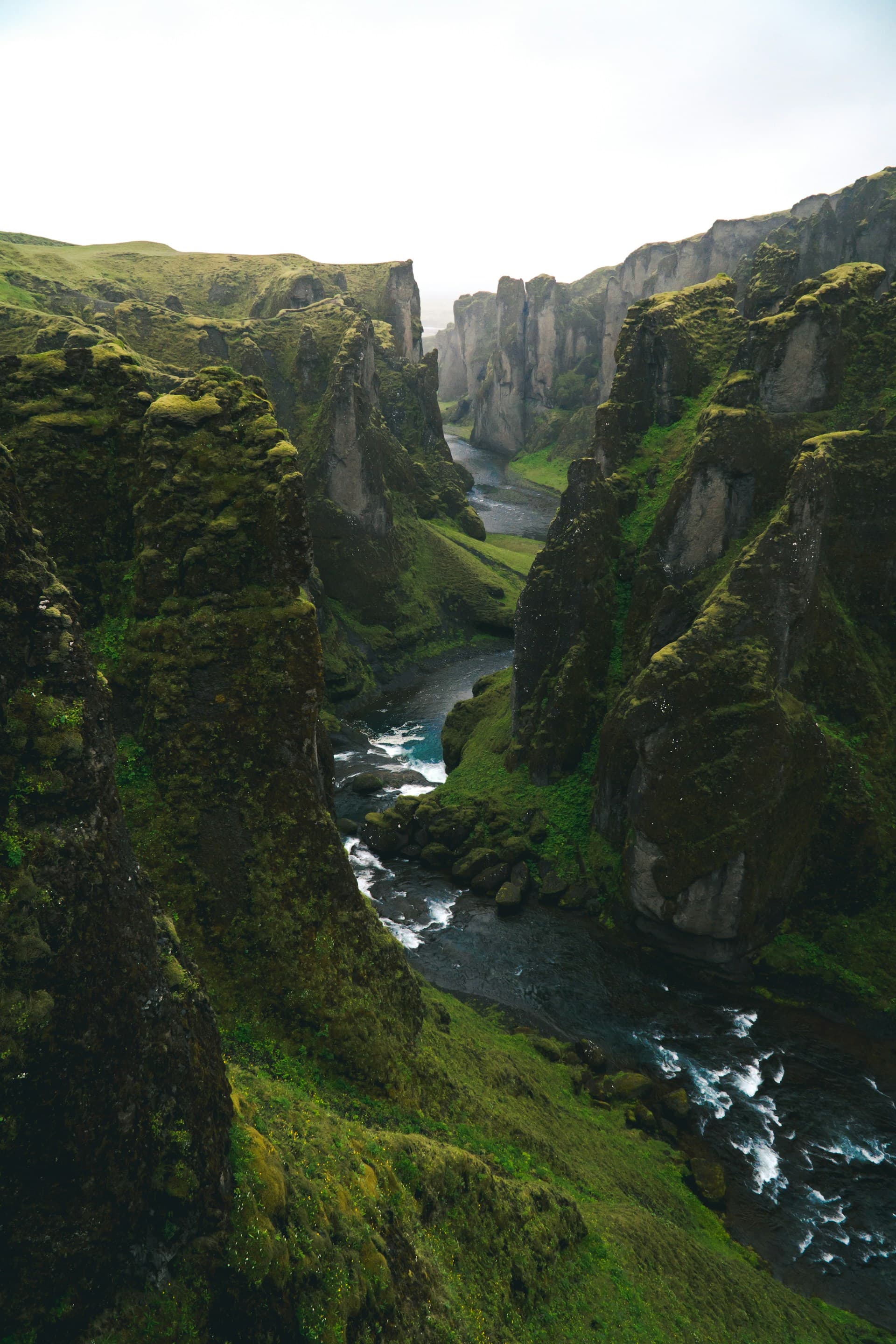
Iceland's landscape is a study in geological extremes. Volcanic craters, lava fields, glaciers, geysers, and thundering waterfalls create scenery unlike anywhere else on Earth. The island sits on one of the most volcanically active spots on the planet, which shapes everything you see.
The South Coast features black sand beaches at Vik, dramatic sea stacks, and glacier tongues descending from Vatnajokull. Waterfalls like Seljalandsfoss and Skogafoss cascade from cliffs formed by ancient volcanic activity. Near Hofn, Jokulsarlon Glacier Lagoon fills with calving icebergs that wash onto Diamond Beach.
The interior highlands remain largely inaccessible except during summer months, when F-roads open to reveal rhyolite mountains, hot springs, and vast lava deserts. The Westfjords offer dramatic fjords and remote coastlines, while the north features geothermal areas around Lake Myvatn and whale-watching waters near Husavik.
Moss-covered lava fields, steaming vents, and the occasional eruption remind visitors that Iceland's landscape is still actively forming. The contrast between fire and ice defines the country's character.
Related Questions
- Where Is Iceland?
- How Big Is Iceland?
- What Is The Weather Like in Iceland?
- What Time Is It in Iceland?
- Is It Easy to Get a Sunburn in Iceland?
Insider-led Iceland Design & Concierge
Your insider team designs the trip around what you care about, then supports you in-country with private logistics, vetted partners, and concierge help when plans change.