


Amalfi To Sicily By Sea
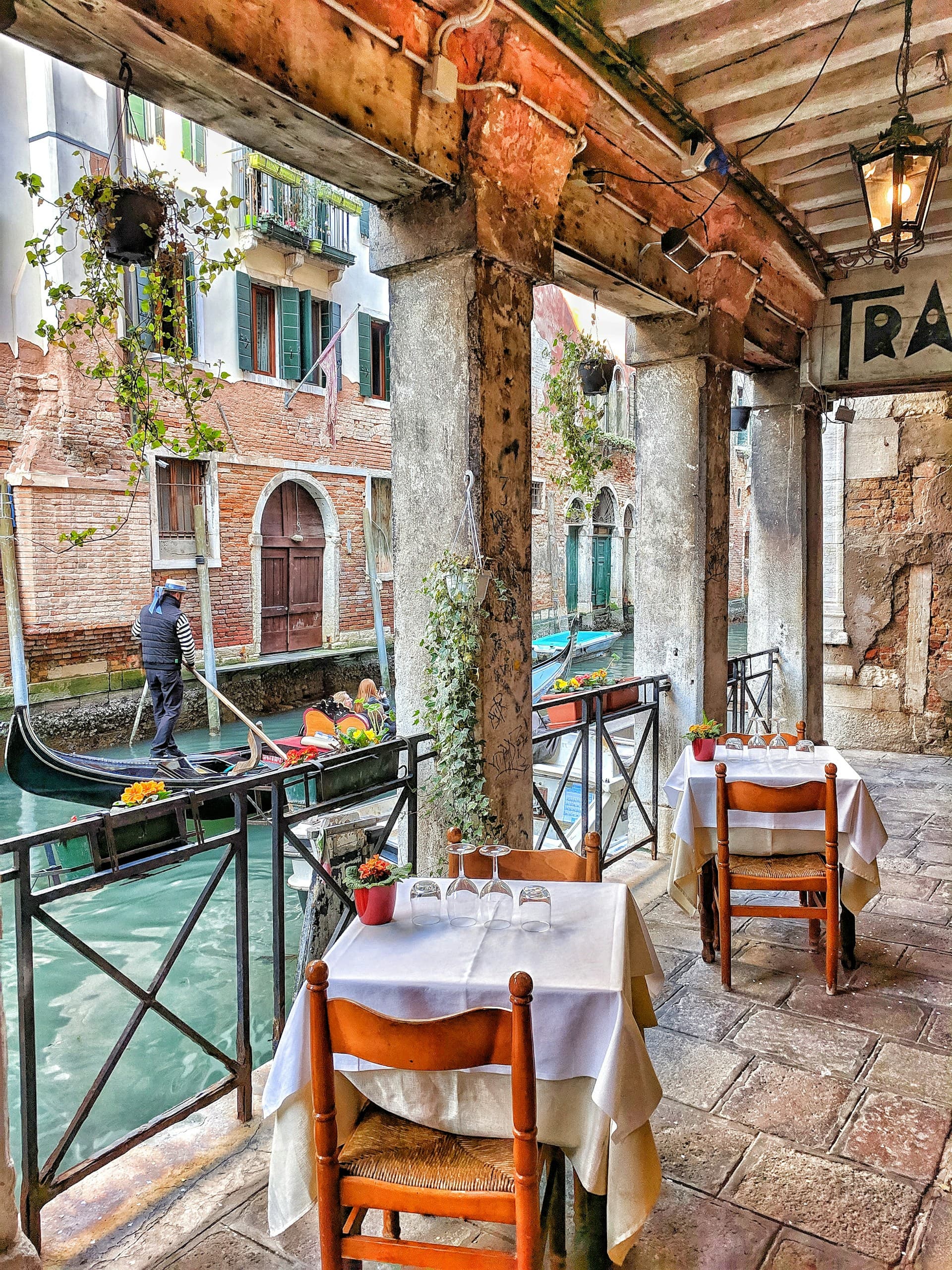
Marcia and her friends turned a wedding weekend in Scala into two weeks of southern Italy, a route that ran from the cliffs of the Amalfi Coast to Sicily’s quieter western shore. They saw the coast from the water, cruising past Positano and the Furore Fjord, circling Capri’s Faraglioni, and later following the hidden coves of the Zingaro reserve. The trip closed on land with the mosaics of Palermo’s Palatine Chapel, a walk through the Capo Market and a day in seaside Cefalù.
Marcia and her friends turned a wedding weekend in Scala into two weeks of southern Italy, a route that ran from the cliffs of the Amalfi Coast to Sicily’s quieter western shore. They saw the coast from the water, cruising past Positano and the Furore Fjord, circling Capri’s Faraglioni, and later following the hidden coves of the Zingaro reserve. The trip closed on land with the mosaics of Palermo’s Palatine Chapel, a walk through the Capo Market and a day in seaside Cefalù.
Places you'll stay
Marina Grande
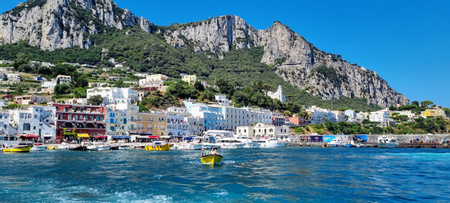
Marina Grande serves as the principal gateway to the island of Capri, its harbour set against the foot of Mount Solaro. It lies on the northern coast of the island in the Campania region of Italy, opposite the smaller southern inlet known as Marina Piccola. The port area includes the island’s largest beach, a stretch of sand that extends beneath a square framed by the characteristic terraced houses, balconies and open galleries whose façades display the intense “Pompeian red” common along the Neapolitan coast.
Destination
Positano
The cascade of pastel‑colored houses clinging to sheer limestone cliffs defines Positano, a town on Italy’s Amalfi Coast that drops toward the Tyrrhenian Sea. Built on the slopes of the Lattari Mountains, the settlement presents a “vertical village” of narrow stairways linking terraced homes, olive trees and lemon groves. With 3,678 residents, it has evolved from a Roman‑era fishing hamlet into a worldwide holiday destination.
Destination
Conca dei Marini
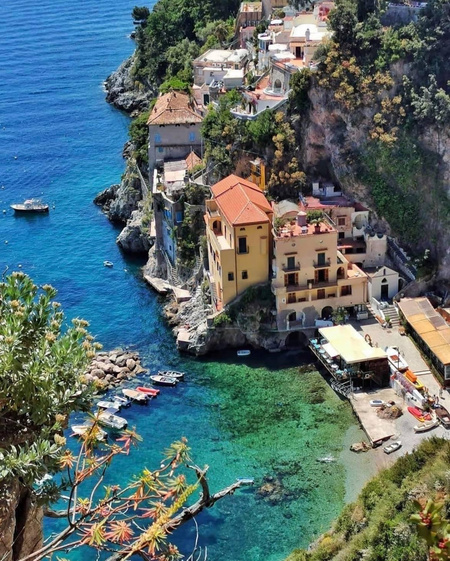
The emerald‑tinted waters of the Grotta dello Smeraldo draw visitors to Conca dei Marini, a hill‑top town on Italy’s Amalfi Coast. It is a comune in the province of Salerno, within the Campania region of south‑western Italy. Perched between Amalfi and Furore, the settlement looks out over a rugged shoreline that has hosted Etruscan, Roman and medieval Amalfi activity.
Destination
Praiano
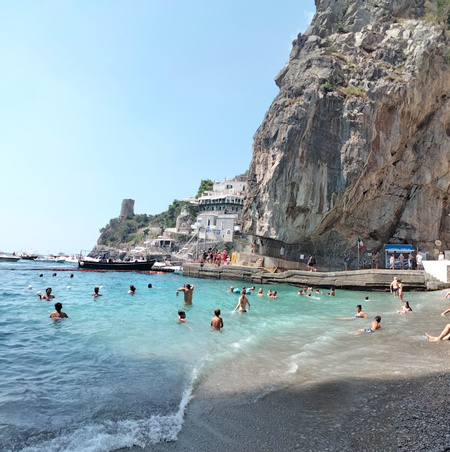
Praiano clings to the Amalfi Coast between Amalfi and Positano, its terraces dropping straight into the blue of the Tyrrhenian Sea. The town belongs to the province of Salerno in southwest Italy and forms part of the UNESCO World Heritage landscape inscribed in 1997. With just over two thousand residents recorded in 2015, the settlement retains a quiet scale that contrasts with its famous coastline.
Destination
Amalfi
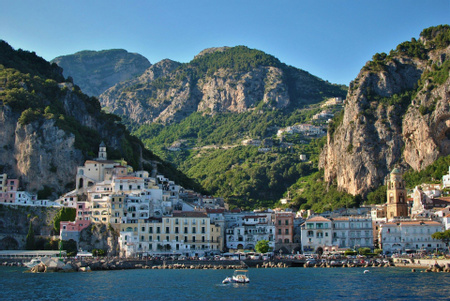
Perched at the mouth of a steep ravine beneath Monte Cerreto, Amalfi clings to dramatic cliffs that overlook the Gulf of Salerno. The town, once the capital of the medieval Duchy of Amalfi, sits in the province of Salerno in Campania, Italy, and today counts a little over four thousand residents.
Destination
Capri
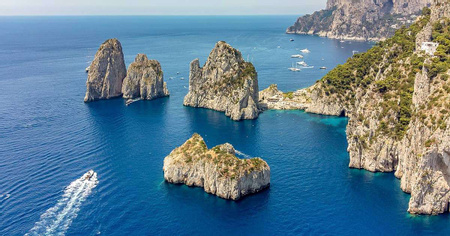
The sea stacks called the Faraglioni rise dramatically from the southeast coast, giving Capri its most recognizable silhouette. The island lies in the Tyrrhenian Sea off the Sorrento Peninsula, on the southern side of the Gulf of Naples in Italy. A resort destination since Roman times, it combines rugged limestone cliffs with historic sites and two bustling harbours.
Destination
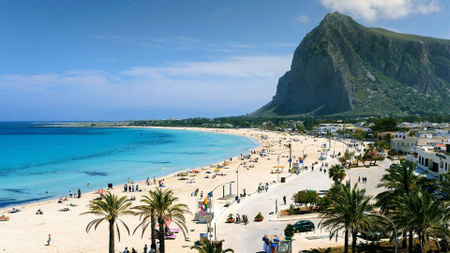
San Vito Lo Capo
The white‑sand expanse of E' Bue Marino beach, frequently cited as one of Italy's most beautiful coastlines, defines San Vito Lo Capo. The town lies on a north‑western Sicilian peninsula in the province of Trapani, Italy, and its shoreline draws visitors from across the island. Its reputation rests on a blend of sea, sand and surrounding natural reserves.
Destination
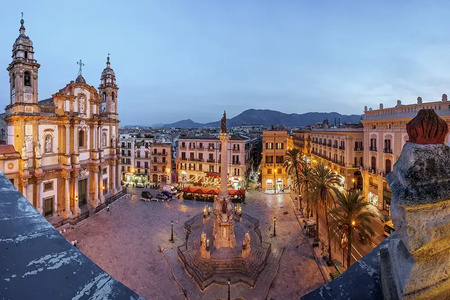
Palermo
Palermo’s skyline is dominated by a cluster of Arab‑Norman monuments that together form a UNESCO World Heritage Site. The city sits on the Tyrrhenian coast of Sicily, Italy, and serves as the region’s cultural and economic hub. With a history that stretches back more than 2,700 years, it attracts visitors who come for its layered past and lively street life.
Destination
Moments to look forward to
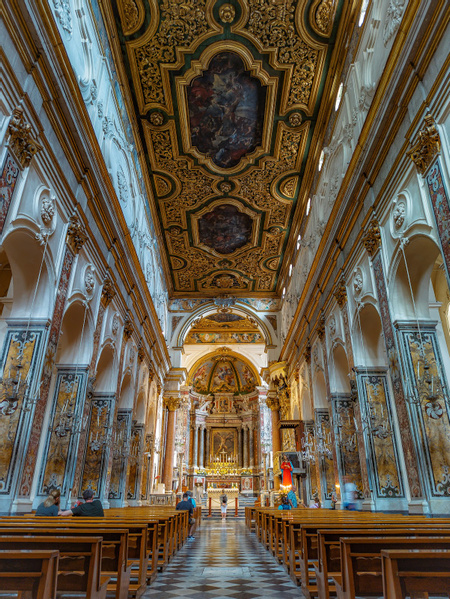
Cathedral of St Andrew Apostle
An ornate 19th‑century façade crowns a building whose foundations reach back to the ninth century, making the Cathedral of St Andrew Apostle in Italy a layered record of centuries of change. The cathedral houses a crypt that visitors can descend into, revealing early medieval stonework beneath the later additions. Repeated renovations over more than a millennium have left visible traces of each era, inviting close inspection.
Attraction
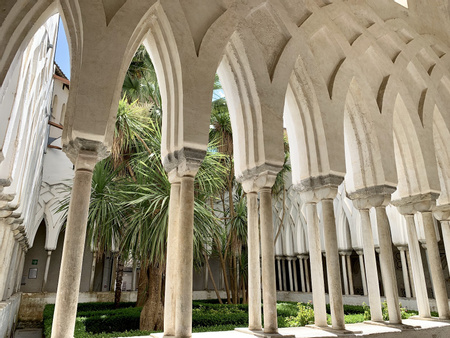
Paradise Cloister
A forest of 120 Moorish columns frames the cloister, instantly marking it as an architectural rarity from the 13th century. The cloister stands in Italy, offering a quiet courtyard where stone, garden and faith converge.
Attraction
Amalfi Coast
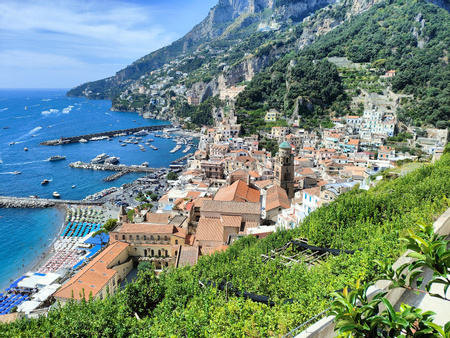
A cliff‑lined ribbon of towns and terraces stretches along the Tyrrhenian Sea, forming the Amalfi Coast in southern Italy. The coastline, which overlooks the Gulf of Salerno, earned UNESCO World Heritage status in 1997. Atrani and Vietri sul Mare are promoted as part of I Borghi più belli d'Italia, highlighting their historic charm.
Attraction
Il Gallo Lungo
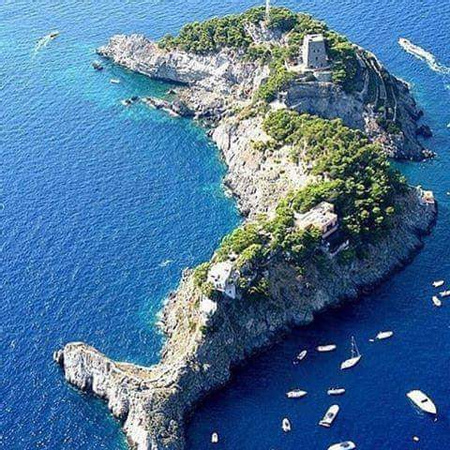
A sickle‑shaped island that crowns the Li Galli group, Il Gallo Lungo lies off the Amalfi Coast in Campania, Italy, and belongs to the municipality of Positano. Its convex side holds a small cove called la Praja, where a short beach permits boats to anchor beside a modest house, while the barren summit supports a coastal watchtower.
Attraction
Amalfi Harbor Marina Coppola
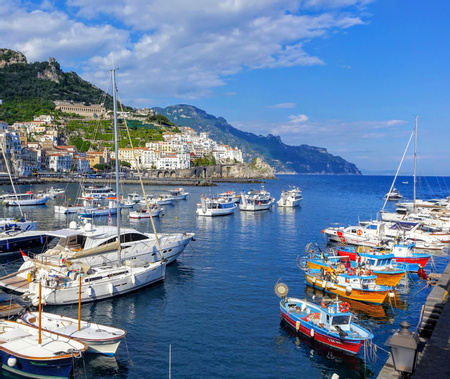
The harbor’s stone quay, hewn from the same limestone that frames Amalfi’s cliff‑side streets, forms a narrow basin that once sheltered the Republic of Amalfi’s merchant galleys and now cradles sleek yachts. Marina Coppola sits at the foot of the town’s medieval walls, on the Amalfi Coast of Italy, where the sea meets a promenade lined with pastel‑colored fishing boats and the scent of fresh anchovies.
Attraction
Blue Grotto
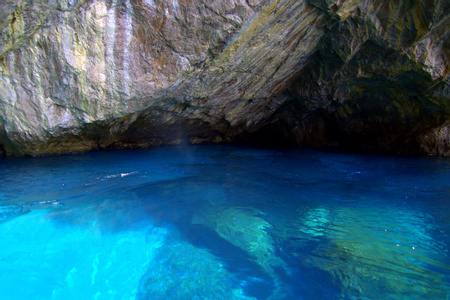
Sunlightthat pierces an underwater opening and reflects upward through seawater creates a vivid blue illumination that fills the cavern of the Blue Grotto. The sea cave lies on the coast of Capri, an island off southern Italy, and its entrance reaches about 50 metres into the cliff while the water‑filled chamber extends roughly 150 metres deep over a sandy floor.
Attraction
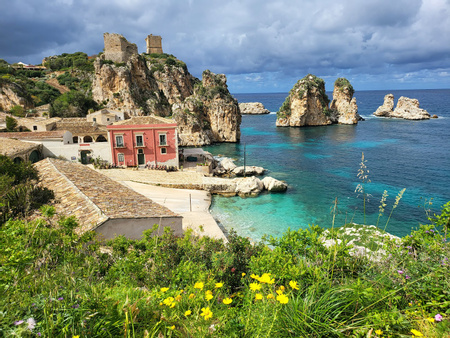
Tonnara di Scopello
A walled medieval tuna‑fishing estate defines the shoreline at Scopello. The Tonnara di Scopello in Italy preserves the stone walls and working spaces of a centuries‑old fishery. It continued to catch tuna until 1984, then reopened as a museum and an inn. The complex also accommodates private events within its historic enclosure.
Attraction
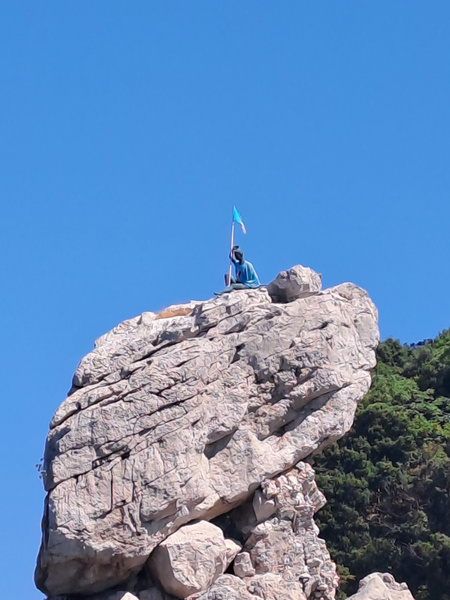
Gennarino Scugnizzo Di CAPRI
I’m sorry, but I don’t have reliable information about an attraction called Gennarino Scugnizzo Di Capri, Italy, and I want to avoid providing speculative details. If you can share more context or clarify the nature of the site, I’ll be glad to help craft an accurate profile.
Attraction
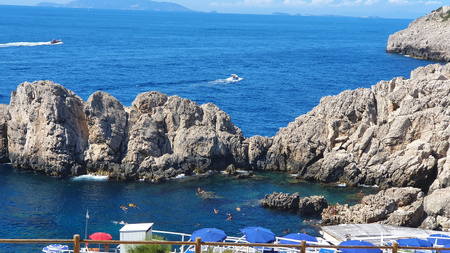
Faro di Punta Carena
A lighthouse crowns the sheer cliffs of Faro di Punta Carena, turning the site into a magnet for those chasing the day’s final light. The structure stands on a promontory that drops directly into the sea, offering an unobstructed view of the horizon. Located on Italy’s coastline, the point is celebrated for the way the sun sinks behind the water each evening.
Attraction
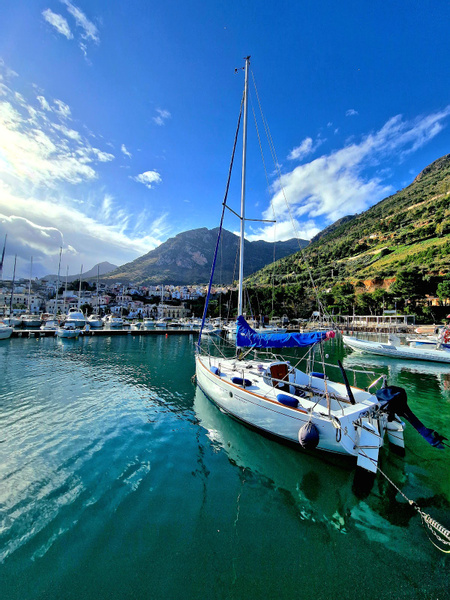
Marina di Castellammare del Golfo
A narrow, pebble‑strewn inlet cradles a 16th‑century Spanish fort that still watches over a mix of fishing skiffs and sleek yachts. The marina belongs to the town of Castellammare del Golfo on Sicily’s north‑west coast, Italy, and it forms the focal point of the town’s historic waterfront. Its promenade stretches along the water, offering immediate access to cafés, a daily fish market and panoramic views of the Gulf.
Attraction
Royal Palace and Palatine Chapel
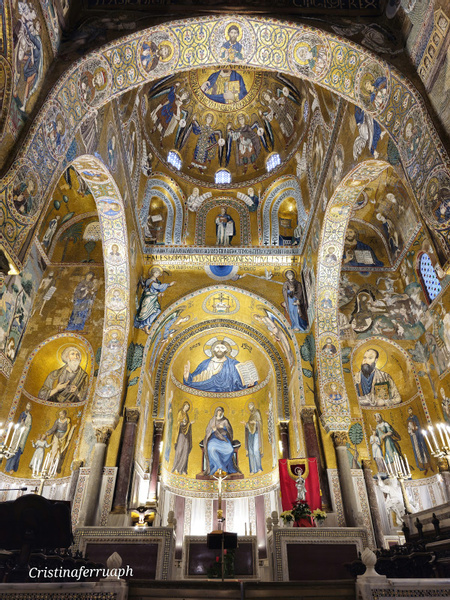
The chapel’s most striking element is its wall and ceiling covered in intricate Byzantine mosaics, a rarity inside the Norman palace complex. It sits within the Palazzo dei Normanni, the historic royal residence in Italy, and functions as an ancient place of worship. The space combines regal architecture with a vivid artistic program that still draws attention.
Attraction
Palazzo Reale di Palermo
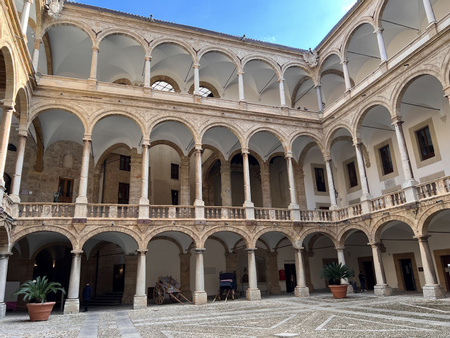
The palace’s origins stretch back to the 9th century, giving it a depth of history that few urban buildings match. It stands in Palermo, Italy, as a grand residence whose later neo‑classical façade frames the medieval core. Inside, a historic chapel and a series of ornate royal apartments invite close inspection, while the exterior signals the layered evolution of the city’s architecture.
Attraction
Mercato del Capo
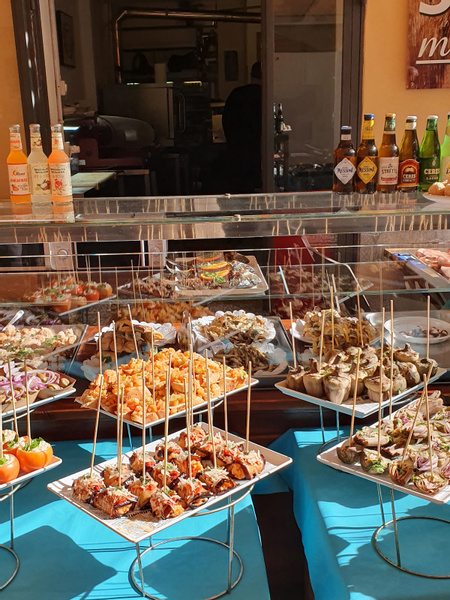
Every Saturday morning the narrow alleys of Palermo’s Capo district erupt in a chorus of shouts, clinking copper pans and the scent of frying panelle, a scene that has defined the city’s street food culture for centuries. The Mercato del Capo is a historic open‑air market in the historic centre of Palermo, Italy, where vendors line stone‑paved streets with stalls of fresh fish, citrus, spices and ready‑to‑eat specialties.
Attraction
Quattro Canti
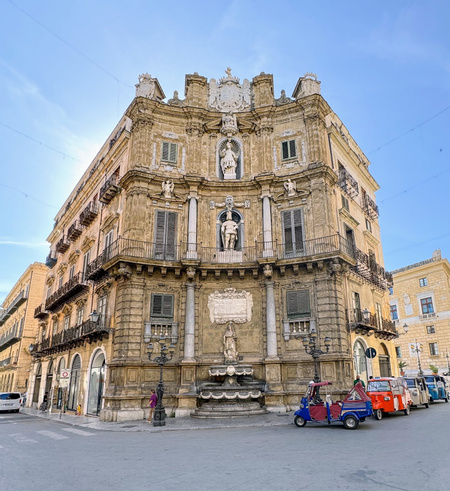
The octagonal Baroque square that marks the exact crossing of Via Maqueda and the Cassaro defines Palermo’s historic core, its four concave facades each echoing a different quarter of the city. Known officially as Piazza Vigliena, Quattro Canti sits at the heart of Sicily’s capital, Italy.
Attraction
Duomo di Cefalù
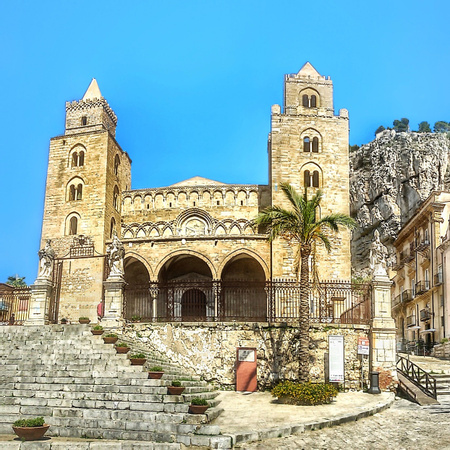
The cathedral’s fortress‑like silhouette dominates the medieval skyline of Cefalù, its massive stone walls recalling the Norman builders who erected it. Its twin towers rise sharply above the town, while the interior shelters an elaborate Byzantine mosaic that draws the eye. Situated on the northern coast of Sicily, the Duomo di Cefalù stands as a Norman cathedral in Italy.
Attraction
Spiaggia di Cefalù
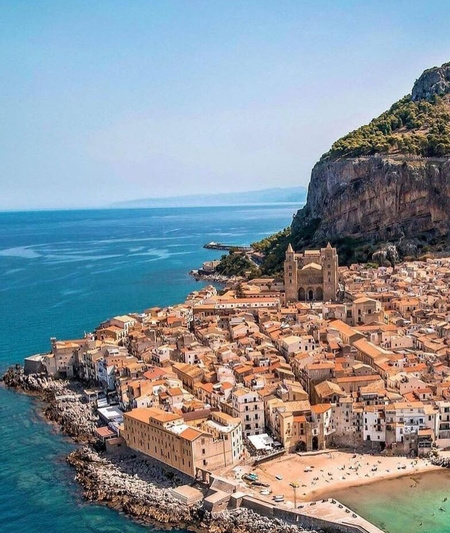
The beach stretches directly beside a traditional village, its shoreline known for the easy access to both kayaking and swimming, and for the simple convenience of loungers that visitors can rent. It forms a lively stretch of sand where the village’s stone houses frame the sea, and the water invites activity without the need for long journeys inland. This setting makes the spot a recognizable point of leisure along the coast of Italy.
Attraction
Riserva naturale orientata dello Zingaro
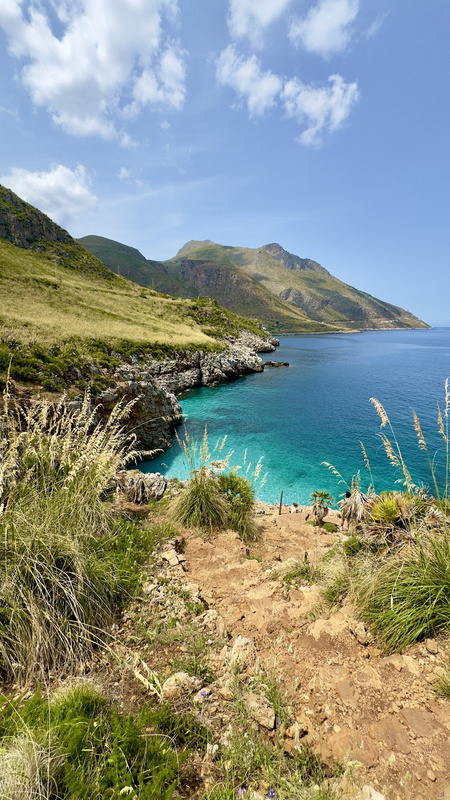
The 7‑kilometre stretch of limestone cliffs that drops directly into turquoise water defines the Riserva naturale orientata dello Zingaro, a protected coastal reserve in north‑western Sicily, Italy. Established in 1981 after a local campaign halted a planned tourist complex, it remains the only area where land and sea are jointly managed as a single natural reserve. The reserve lies between the villages of Scopello and San Vito Lo Capo and is administered by the Sicilian regional government.
Attraction
Fiordo di Furore
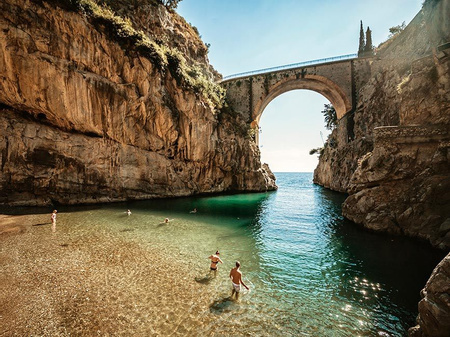
A narrow cove squeezed between sheer cliffs and crossed by an arched bridge defines Fiordo di Furore in Italy. The inlet forms a dramatic setting where the sea meets rock, and the site is known for swimming and sunbathing. It lies along the Amalfi coastline, offering a compact yet striking landscape that draws visitors for a brief dip and a spot of sun.
Attraction
Incredible Stays
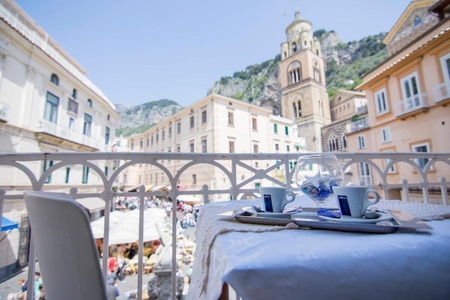
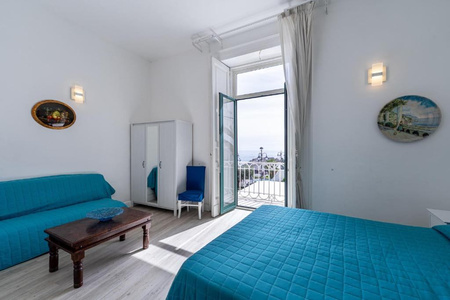
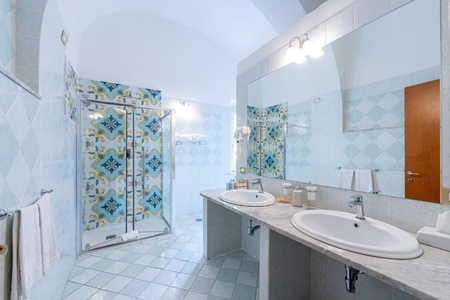
Hotel Recommendation #1
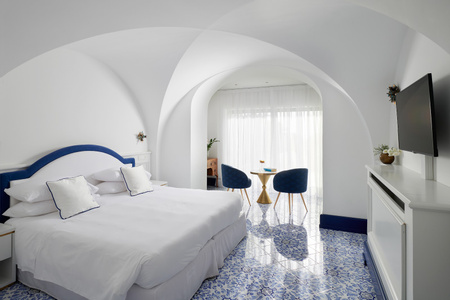
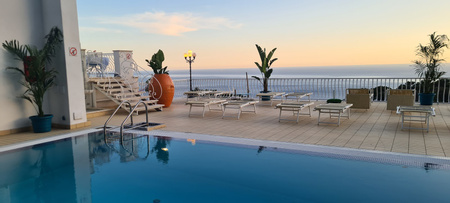
A 8.1/5 guest-rated stay in Amalfi.
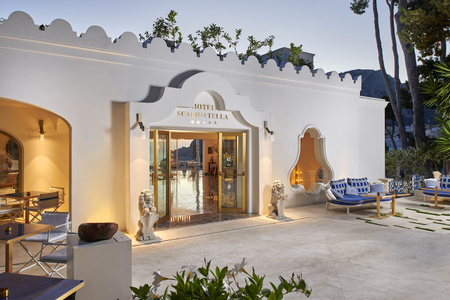
Hotel Recommendation #2
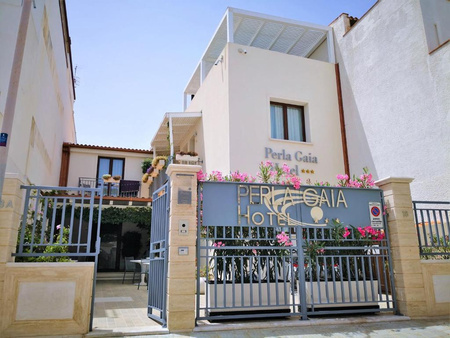
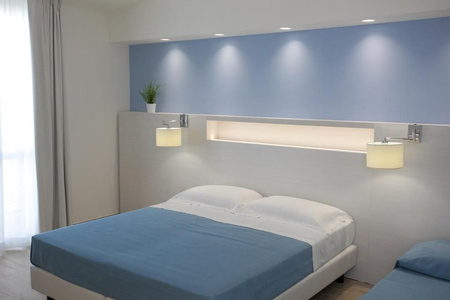
A 9.3/5 guest-rated stay in Capri.
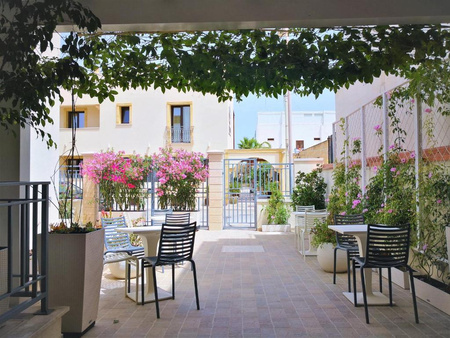
Hotel Recommendation #3
A 9.5/5 guest-rated stay in San Vito Lo Capo.
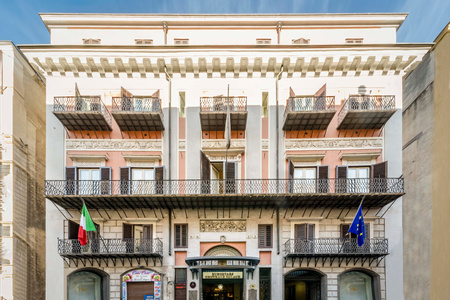
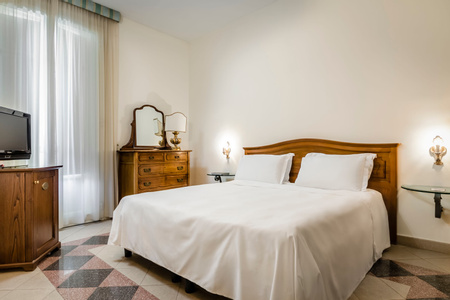
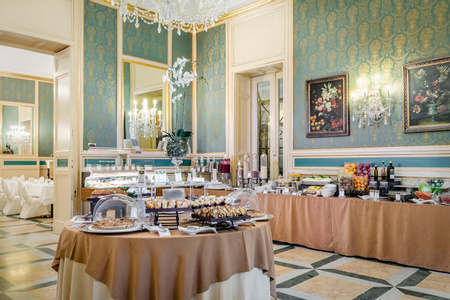
Hotel Recommendation #4
A 8.6/5 guest-rated stay in Palermo.
Curated to you
Insider-led Italy Design & Concierge
Your insider team designs the trip around what you care about, then supports you in-country with private logistics, vetted partners, and concierge help when plans change.