




Greece Travel Guide
Greece hands you a blend of ancient cities, sunlit islands, and cliff-top monasteries — Athens for the Acropolis, Santorini for caldera views, Crete for epic beaches, Meteora for sky-high monasteries. You island-hop by fast ferry, chase sunsets over Aegean villages, and dive into clear water that feels made for swimming and sailing.
About Greece
You're stepping into a country where 3,000-year-old marble columns meet blue-domed villages and late-night tavernas. Athens anchors the story — see the Acropolis, wander Plaka's lanes, then hop to nearby Saronic islands for a day on the water.
The Cyclades pull you on: Santorini's cliffside villages, Mykonos' beach clubs, Naxos and Paros with wide sands and quieter lanes, plus coastal walks and swim stops tucked into coves. Crete feels like its own mini-nation — rugged gorges, Minoan palaces, olive groves, and a food culture that locals swear by.
Inland, Meteora's monasteries cling to rock pillars, while the Peloponnese layers Mycenaean ruins, Byzantine towns, and easy coastal drives. Everywhere you go, you can mix sailing day tours, snorkelling and scuba, olive oil tastings, wine tours, monastery visits, sunset cruises, and photography walks with a local guide who knows the shortcuts.
Hand-crafted itineraries Greece vacations
Explore hand-picked Greece itineraries designed by local insiders who know every hidden corner. Each trip is completely flexible, customized to your pace, travel style, and budget.
Going Deep in Greece
Embark on a month‑long odyssey that weaves Greece’s legendary antiquities with its sun‑kissed archipelago, trading marble ruins for turquoise coves and crystal blue seas. From bustling Athens and the soaring cliffs of Meteora, you’ll sail to Sifnos’ wind‑blown caldera, then drift toward Santorini’s volcanic cliffs, hiking trails, and sunset swims. Friendly locals, knowledgeable guides, and intimate tavern evenings will immerse you in mythic stories, fresh seafood, and a lasting sense of timeless wonder.
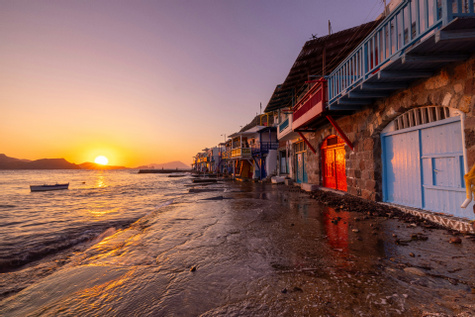
Greece
The best places to visit in Greece
From iconic landmarks to hidden gems, explore the Greece destinations our local insiders recommend most.
Naxos
Rising from the Aegean, Naxos presents a mountainous landscape where green gorges snake between whitewashed villages and ancient ruins, all set against a fringe of long beaches. The island belongs to Greece and forms the largest of the Cyclades group, offering a mix of rugged interior and coastal openness. Its terrain invites both exploration of stone pathways and relaxation on sandy stretches.
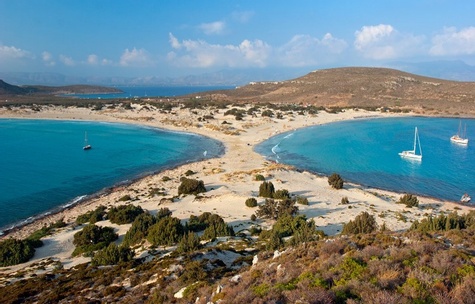
Peloponnese
A narrow land bridge at the Isthmus of Corinth joins the Peloponnese to the Greek mainland, and the Corinth Canal, cut through that isthmus in 1893, still carries ships between the Gulf of Corinth and the Saronic Gulf. The peninsula forms the southernmost part of mainland Greece and is divided among the Peloponnese, Western Greece and Attica administrative regions. Its most populous city, Patras, houses about 170,000 residents, while Kalamata in Messenia counts roughly 55,000.
Mykonos
Famous for its nightlife, Mykonos is a tiny island that draws visitors with a reputation for after‑dark energy. Part of Greece, the island sits in the Aegean Sea and is known for a blend of historic windmills and modern dance venues. Though small, it offers a striking contrast between quiet white‑washed streets and the pulse of its clubs.
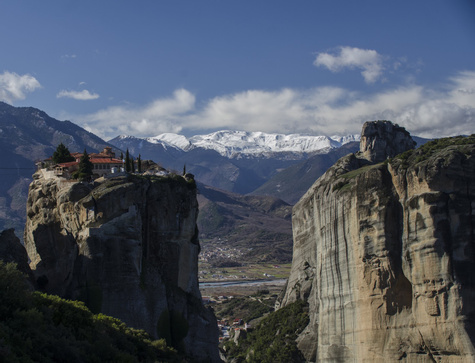
Meteora
Rising pillars of stone that soar more than 20 metres above the Thessalian plain support a cluster of medieval monasteries. Meteora is a rock formation in the regional unit of Trikala, in northwestern Greece, positioned between the town of Kalabaka and the village of Kastraki. The site lies at the northwestern edge of the Plain of Thessaly, near the Pineios river and the Pindus Mountains. In 1988 the six surviving monasteries were inscribed on the UNESCO World Heritage List for their architecture and cultural significance.
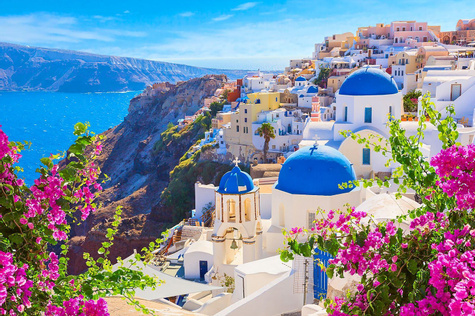
Santorini
The island’s striking blue‑and‑white buildings set against a rugged landscape define Santorini’s visual identity. It belongs to an Aegean island group that forms part of Greece, offering a compact mix of natural and built scenery. Tourism amenities such as hotels, restaurants and shops support the steady flow of visitors drawn to the scenery.
Athens
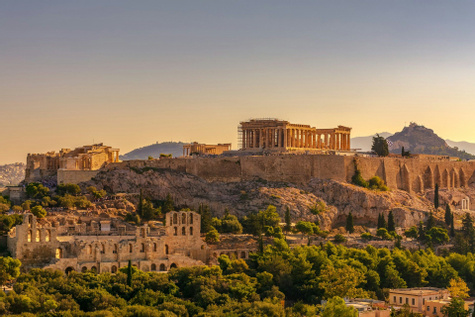
The marble Parthenon crowns the Acropolis, a silhouette that has guided travelers for millennia. Athens is the capital of Greece, perched on the southern edge of the European mainland beside the Saronic Gulf. Its municipal core houses about 643,000 residents, while the wider urban area exceeds 3.6 million.
Paros
Paros is the Cycladic island whose white marble has been sculpted into the statues of antiquity, a legacy that still shapes its identity. The island sits in the central Aegean Sea, between Mykonos and Naxos, and belongs to Greece. With a resident population of roughly 13,000, it balances a quiet village rhythm with a steady flow of visitors drawn to its clear waters and historic towns.
Acropolis of Athens
Perched on a rocky outcrop that has been inhabited since the 4th millennium BC, the Acropolis of Athens dominates the city with a compact group of marble monuments. It is an ancient citadel in Greece whose surviving structures include the Parthenon, the Propylaea, the Erechtheion and the Temple of Athena Nike, all arranged on the high limestone hill that gives the site its name.
Visiting Greece
You'll likely fly into Athens International Airport, then connect to islands via 2–5 hour ferries or short hops on regional flights. Once you're island-side, buses link main towns, but rental cars or ATVs give you beach-to-village freedom; on Crete or the Peloponnese, a car is the easiest way to string together coastal walks, ancient sites, and mountain villages.
For a first timer, base in Athens (2–3 nights), then sail or ferry to Santorini and Mykonos for icons, and on to Naxos or Paros for calmer beaches and village strolls. Add Crete for deeper hikes and food tours, or loop the Peloponnese for Nafplio, Epidaurus, Mycenae, and seaside towns that feel worlds away from the capital.
Eating and drinking in Greece
Eat like a local: grilled octopus, saganaki, dakos, tomato-keftedes, Cretan olive oil, Naxos potatoes, Santorini fava, and pies filled with wild greens. Order shared plates at a taverna, pair with local white wines (Assyrtiko from Santorini, Moschofilero from the Peloponnese) or a carafe of house red, and finish with loukoumades or spoon sweets.
Geographical Snapshot
Greece is slightly smaller than Alabama, but its coastline sprawls thanks to roughly 6,000 islands and islets — 227 inhabited — spread across the Aegean and Ionian Seas. Landscapes swing from Cycladic cliffs to Crete's White Mountains, pine forests in the Peloponnese, and fertile plains in Thessaly.
Protected areas include Samaria Gorge National Park, marine parks for monk seals and sea turtles, and highland reserves that reward coastal drives with easy hikes.
When is the best time to visit Greece?
Late May–June and September–early October are the best time for most Greece trips: warm sea, open islands and fewer people than July–August.
- Islands (Cyclades, Crete, Ionian): swimming season roughly June–September; July–August is peak, with the busiest ferries and highest rates. The Cyclades are windier than the Ionian islands.
- Athens, Delphi, the Peloponnese and Meteora: spring and autumn; midsummer heat makes midday sightseeing hard.
- Winter: Athens and the mainland are quiet and mild; many island hotels and some ferry routes close.
Summer is also wildfire season, which occasionally closes roads, so leave slack in the plan. Plan your Greece trip around the season or ask our Greece Insiders.
Historical Overview
You're traveling through one of the world's foundational civilizations: Athens' Parthenon, the theaters of Epidaurus, the palaces of Knossos on Crete, and Mycenae's Lion Gate. Archaeological sites double as outdoor classrooms — go early, pair with a local guide, and see how layers of Classical, Byzantine, and Ottoman history stack across the landscape.
Society & Culture
About 10.4 million people call Greece home; Greek is the language, and the Greek Orthodox Church shapes many traditions and calendars. You'll feel filoxenia — hospitality — as you linger at a taverna or accept a small dessert "on the house."
Dress modestly at monasteries (shoulders and knees covered), and keep cash handy in villages where cards aren't always king.
Economic Snapshot
Tourism is a cornerstone of the economy alongside shipping and agriculture; you'll pay in euros, and card acceptance is broad in cities and main islands, with cash useful in smaller villages.
Greece Travel FAQs
Is Greece safe to visit?
Yes. As of September 2026 the U.S. State Department rates Greece Level 1, its lowest advisory. The common problems are petty: pickpocketing on the Athens metro, the airport train and at busy sights, and break-ins at rental cars. Two things can disrupt plans: strikes, which can halt ferries, flights and taxis at short notice, and wildfires, which are common in the dry summer months and sometimes close roads. Keep some slack in island-hopping days. With a Greece trip planned by locals, our Greece Insiders watch ferries and strikes for you.
Can you drink the water, and what about vaccines, mosquitoes and medical care in Greece?
In Athens and the mainland cities, yes; on many smaller islands the tap water is often desalinated or hard, and bottled water is the norm, so ask your hotel. No special vaccines are needed beyond routine ones (the CDC suggests considering hepatitis A and B). The real summer risks are heat, sun and sea urchins on rocky entries. Private hospitals in Athens can be very good; island clinics are basic, private hospitals want insurance proof or cash, and patients pay for transfers, so carry medical and evacuation cover. Dial 112. Plan your Greece trip with a local expert.
What should I pack for Greece?
Pack for sun, wind and rock. Water shoes are the item people forget: many Greek beaches are pebbly or have rocky entries where sea urchins live. Add a sun hat and high-SPF sunscreen, a light layer for windy ferry decks and island evenings, flat shoes with grip for polished marble streets and archaeological sites, and a European plug adapter. For yacht days, bring soft-soled shoes and pack in soft bags that stow easily. Our Greece Insiders can tailor the list to your Greece itinerary.