National Museum of Anthropology
The museum’s most striking element is the square concrete umbrella that crowns the central courtyard, its single slender pillar supporting a roof that shelters a wide pond. The National Museum of Anthropology sits between Paseo de la Reforma and Mahatma Gandhi Street inside Chapultepec Park in Mexico City, and it holds the record for visitor numbers among Mexican museums. Opened in 1964 by President Adolfo López Mateos, the institution is administered by the National Institute of Anthropology and History.
Designed by Pedro Ramírez Vázquez, Jorge Campuzano and Rafael Mijares Alcérreca, the building arranges 23 exhibition rooms around the courtyard, covering almost 80,000 square meters. The ground floor presents artifacts from pre‑Columbian civilizations, including the Stone of the Sun and the Aztec Xochipilli statue, while the upper floor links archaeology with ethnography, displaying how indigenous groups live. The architects borrowed from Mayan motifs, employing lava rock, steel tracery and a quadrangle layout that blurs interior and exterior spaces. Artists such as Mathias Goeritz added murals, stained glass and textile tapestries, creating a dialogue between traditional and modern forms.
Visitors enter through an open plaza, pass a roofed lobby, and emerge onto the patio where the umbrella roof rises above the pond, offering shelter without enclosing the space. The museum’s blend of monumental architecture, extensive collections and a design that mirrors Mexico’s cultural roots makes the umbrella‑topped courtyard an unforgettable focal point.
National Museum of Anthropology itineraries
Explore hand-picked National Museum of Anthropology itineraries designed by local insiders who know every hidden corner. Each trip is completely flexible, customized to your pace, travel style, and budget.
5 days · Mexico City
Friends
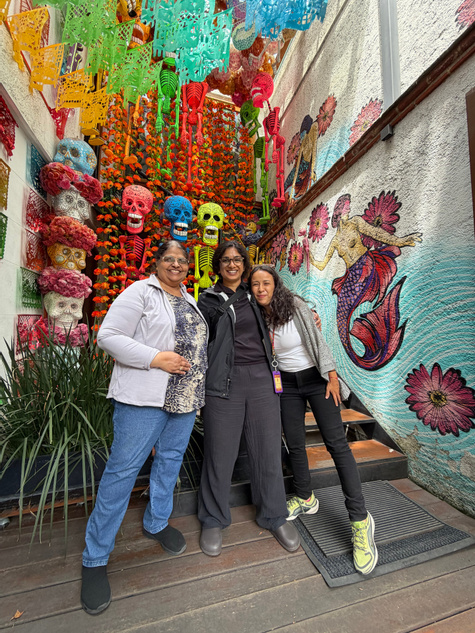
Linda and her mother spent five days between the City of the Gods and the canals and plazas of Mexico City’s south. They walked Teotihuacan’s Avenue of the Dead ahead of the crowds, floated Xochimilco by trajinera, and finally reached the Frida Kahlo Museum, a visit Linda had waited more than ten years to make. A basilica and a castle that were never on the plan joined the Mexica and Maya halls at the Museum of Anthropology, and Linda summed it up: “I couldn’t have asked for a better trip.”
Mexico