
Spring Odyssey Through Japan
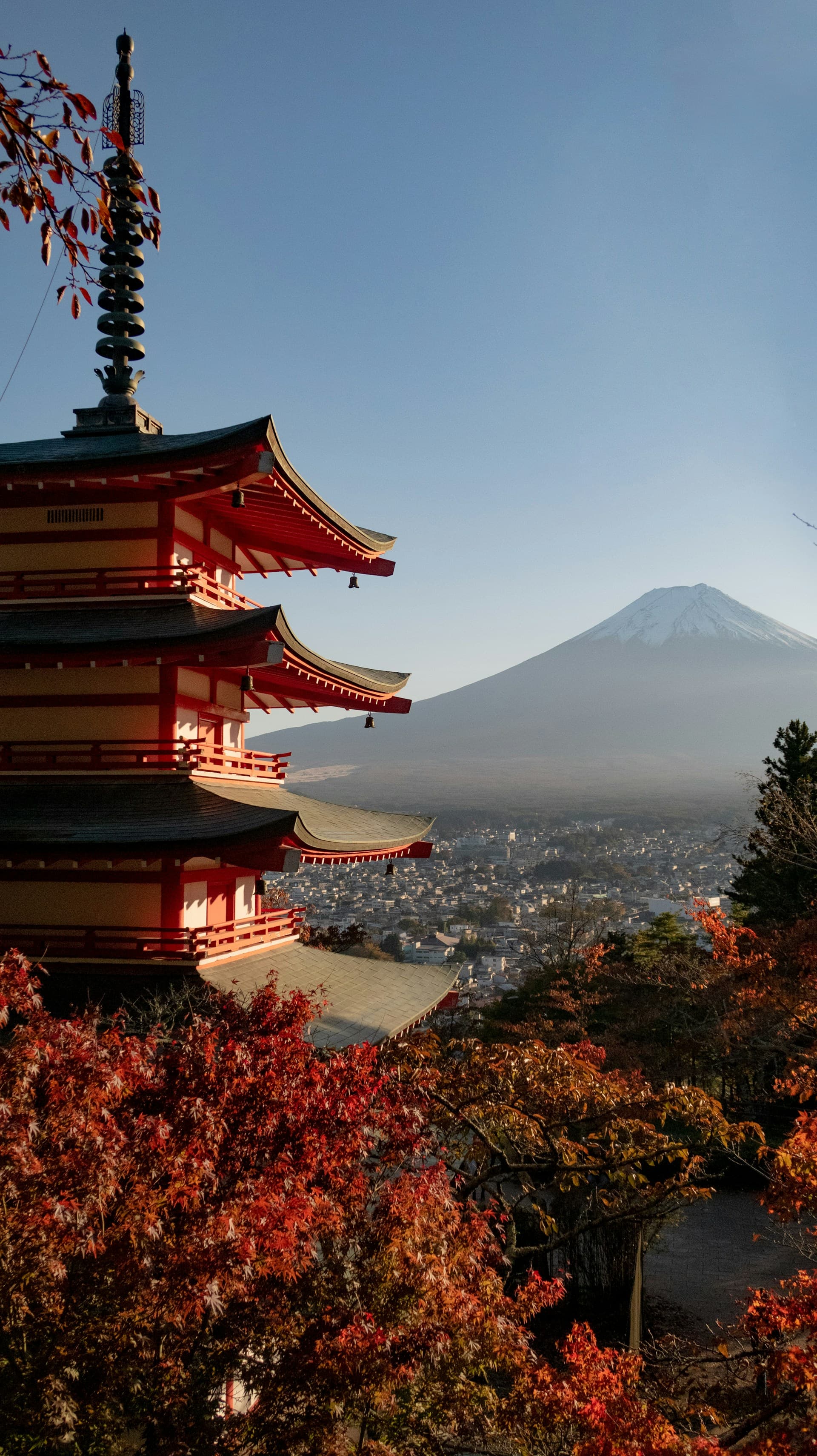
Spring‑time odyssey across Japan, where tranquil hot‑springs meet towering peaks and vibrant cityscapes, creating a contrast of serenity and energy. You’ll unwind in Hakone’s volcanic valleys, gaze at Mt. Fuji over Lake Kawaguchi, explore Kyoto’s historic temples and gardens, then dive into Tokyo’s buzzing Shibuya district and Miyashita Park. Guided by knowledgeable locals, you’ll savor seasonal cuisine, soak in onsen waters, and return home with a blend of peaceful reflection and exhilarating urban memories.
Places you'll stay
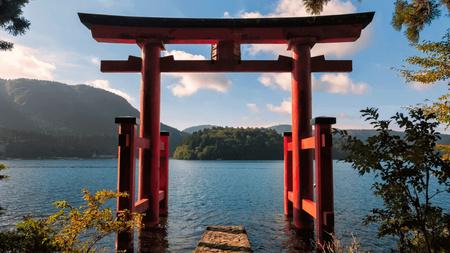
Hakone
Hot springs that frame a view of Mount Fuji define Hakone, a spa town in Kanagawa Prefecture, Japan. The town lies on the eastern side of the historic Hakone Pass and falls largely within the volcanically active Fuji‑Hakone‑Izu National Park. With a population of just under 11,000, Hakone combines natural scenery with a legacy of travel and pilgrimage.
Destination
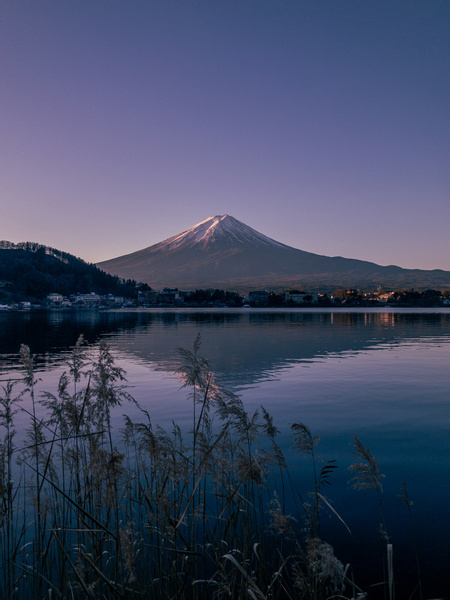
Fujikawaguchiko
A black barrier now screens the classic view of Mount Fuji that once framed a convenience‑store storefront in Fujikawaguchiko. The town sits in the southern foothills of the iconic volcano within Yamanashi Prefecture, Japan. With a population of about 26,500, it serves as a gateway to three of the Fuji Five Lakes.
Destination
Kyoto
Kyoto's landscape is dominated by a dense network of over 2,000 religious sites, a legacy of its eleven centuries as Japan's imperial capital. The city lies in the Kansai region on Honshu, serving as the capital of Kyoto Prefecture in western Japan. With a population of 1.46 million in 2020, it anchors the Greater Kyoto metropolitan area of roughly 3.8 million people.
Destination
Shibuya
At the heart of Tokyo, the Shibuya Crossing floods the intersection with thousands of pedestrians each signal, earning its reputation as the world’s busiest pedestrian crossing. Shibuya is a special ward in Tokyo, Japan, where commercial streets converge around Shibuya Station, one of the world’s busiest railway hubs. As of early 2024 the ward houses about 230,600 residents within 15.11 km², giving it a density of roughly 15,262 people per square kilometre.
Destination
Moments to look forward to
The Hakone Open-Air Museum
A museum that blends an outdoor sculpture park with a natural hot spring defines the Hakone Open-Air Museum in Japan. Set amid a spacious landscape, it presents large‑scale artworks under the sky and indoor galleries that house additional pieces. The presence of a hot spring alongside the art installations gives the site a dual character that few cultural venues share.
Attraction
Nijō Castle
Nijō Castle stands on the flatland of Kyoto with a layout defined by two concentric rings of walls that enclose the Ninomaru Palace and the ruined Honmaru Palace. The complex spreads over 275,000 square metres, of which 8,000 square metres are occupied by historic buildings, and it is listed as one of the seventeen Historic Monuments of Ancient Kyoto designated by UNESCO as a World Heritage Site.
Attraction
Tetsugaku No Michi
A cherry‑tree lined canal stretches beneath a canopy of pink blossoms, creating a scenic pedestrian path that winds past a collection of temples and shrines. The route, known as Tetsugaku No Michi, lies in Japan and offers a quiet promenade framed by water and historic religious sites.
Attraction
Kiyomizu-dera
A wooden stage that juts over a sheer hillside, offering a view of the city below, defines Kiyomizu-dera in eastern Kyoto, Japan. The Buddhist temple belongs to the Kita‑Hosso sect and enshrines a hidden statue of the eleven‑armed Kannon. It forms part of the Historic Monuments of Ancient Kyoto UNESCO World Heritage Site and marks the sixteenth stop on the Saigoku Kannon Pilgrimage.
Attraction
Wazuka Tea Plantation
At an altitude of roughly 300 metres, the terraces of Wazuka Tea Plantation catch the early‑morning mist, turning the fields into a rolling sea of emerald. The plantation lies in the town of Wazuka, south‑west of Kyoto, and forms part of Japan’s historic Uji tea‑growing region. It is a working farm where visitors can observe and join the seasonal hand‑picking of shade‑grown green tea.
Attraction
Sanjūsangendō Temple
The temple’s most striking feature is a row of 1,001 life-sized wooden statues of the Buddhist goddess Kannon. These figures fill the main hall of the Buddhist temple in Japan, creating a forest of serene presences. Built to honor the compassionate deity, the collection draws attention for its sheer number and uniform scale.
Attraction
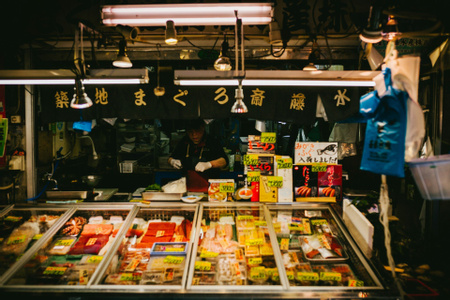
TSUKIJI FISH MARKET
A sprawling wholesale fish market anchors the waterfront, its most famous feature the lively tuna auction that draws crowds each morning. The market operates in Japan, offering an extensive array of seafood that fills the air with the scent of the sea. Visitors encounter a bustling hub where trade and tradition intersect.
Attraction
teamlab planets
At teamLab Planets, visitors wade through waist‑deep water while digital projections ripple in response to each step, turning the floor into a living canvas. The attraction is a large‑scale immersive art museum located in the Toyosu district of Tokyo, Japan, and it opened its doors in 2018 as part of the collective works of the interdisciplinary art group teamLab.
Attraction
animate Ikebukuro main store
The Ikebukuro flagship of Animate occupies a former department‑store building and claims the title of Japan’s largest dedicated anime and manga retailer, spreading over eight floors and more than 3,000 square metres. It sits in the Ikebukuro district of Tokyo, a hub for pop‑culture shoppers, and draws lines of fans from across the country.
Attraction
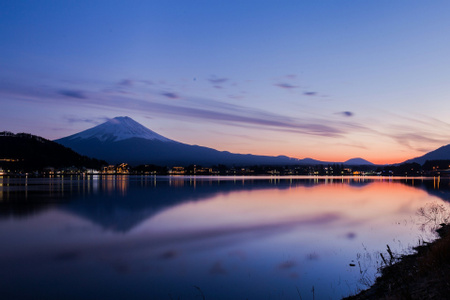
Lake Kawaguchi
Lake Kawaguchi claims the longest shoreline of the Fuji Five Lakes, a fact that frames its sweeping views of Mount Fuji from almost every point along the water’s edge. The lake lies in the town of Fujikawaguchiko, southern Yamanashi Prefecture, at an altitude of roughly 800 metres (2,625 ft), which brings cool summers and frequently icy winters to the area. It is part of Fuji‑Hakone‑Izu National Park in Japan.
Attraction
Mt. Fuji Panoramic Ropeway
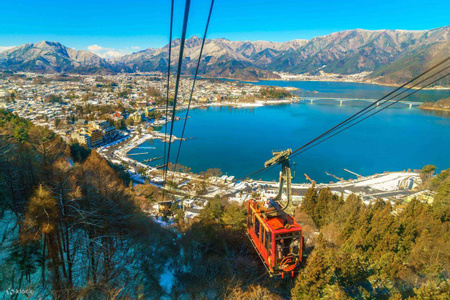
An aerial lift that climbs straight to an observation deck with uninterrupted vistas of Mt. Fuji and Lake Kawaguchi defines the Mt. Fuji Panoramic Ropeway in Japan. The lift carries passengers upward along a cable, ending at a platform that frames the iconic mountain and the lake below. It sits in the region where the volcano dominates the horizon, offering a clear line of sight to the water’s surface.
Attraction
Itchiku Kubota Art Museum
A view of Mt. Fuji frames the museum that honors textile artist Itchiku Kubota, creating a setting where art and landscape meet. The Itchiku Kubota Art Museum in Japan presents his work within a garden and a tea room, inviting quiet observation.
Attraction
Pontocho Alley
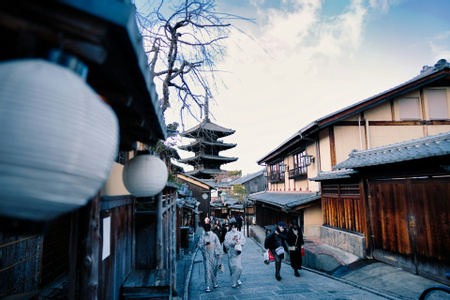
A narrow wooden lane that runs parallel to the Kamo River preserves a centuries‑old nightlife that once catered to samurai and merchants. The alley, known as Pontocho, lies in the heart of Kyoto and remains one of Japan’s most recognizable historic entertainment districts. Its name derives from the old term “pon” meaning “post” and “cho” meaning “town”, reflecting its origins as a lodging area for travelers in the early 1600s.
Attraction
Golden Pavilion
The gold‑leaf façade that gleams above a still pond defines the Golden Pavilion in Japan. It is a historic, tranquil temple whose exterior is completely covered in gold leaf, creating a striking contrast with the surrounding greenery. Set within carefully arranged gardens, the site lies in the heart of the country’s cultural landscape.
Attraction
Kasagi
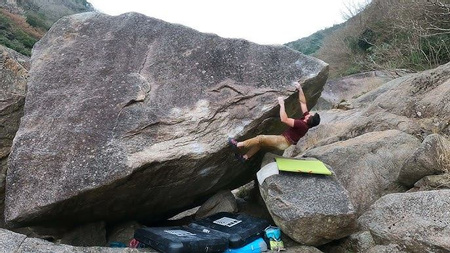
Kasagi-dera, a Shingon sect temple perched above the Kizugawa River, is famed for the legend that sparked the Omizutori fire‑drumming ceremony at Nara’s Tōdai‑ji. The temple sits in the town of Kasagi, a sparsely populated community in far southern Kyoto Prefecture, Japan, where forests cover roughly 80 % of the 23.52 km² landscape.
Attraction
Ikebukuro
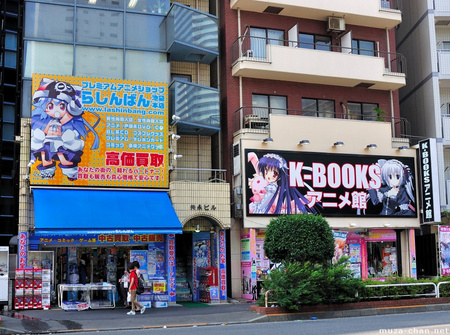
Ikebukuro’s most striking feature is the station that ranks as Japan’s third‑busiest railway hub, a magnet that draws shoppers, commuters and tourists into the northern heart of Tokyo. The district spreads around this terminal in Toshima ward and hosts a concentration of department stores, office towers and entertainment complexes, all within the city of Japan.
Attraction
Harajuku
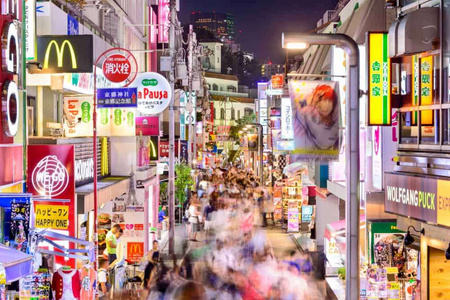
Street art splashes across the walls of Harijuku, a district in Japan that pulses with youthful style. The area draws attention for its blend of trendy youth fashion, vintage and cosplay shops, and casual street fare. Walking through the streets feels like moving through an open‑air gallery where colour and creativity meet commerce.
Attraction
Capybara Cafe Moffu
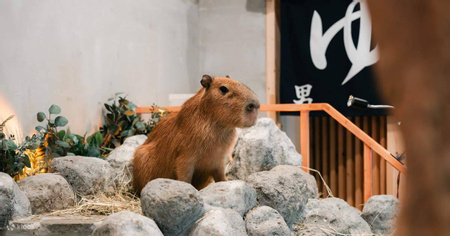
A handful of capybaras lounge beside a shallow pool while patrons sip coffee in a modest Shimokitazawa storefront. The attraction, Capybara Café Moffu, operates in Setagaya‑ku, Tokyo, and invites visitors to share space with the South American rodents in a setting that feels more like a small animal sanctuary than a typical eatery.
Attraction
Hakone Botanical Garden of Wetlands
Set amid the Fuji‑Hakone‑Izu National Park, the Hakone Botanical Garden of Wetlands gathers roughly 1,700 plant varieties within a compact wetland setting. The garden lies at 817 Sengokuhara in Hakone, Kanagawa, Japan, and welcomes visitors daily during the warmer months for a modest admission fee. Founded in 1976, it has grown into a living catalogue of Japanese wetland and alpine flora.
Attraction
Hakone Museum of Art
A stone lantern stands beside a 15‑meter waterfall at the entrance, immediately signalling that the Hakone Museum of Art is as much a garden as a gallery in the town of Hakone, Japan. Founded in 1952, the privately run museum occupies a compact parcel of the town’s volcanic plateau, where curated art and cultivated nature share the same pathways.
Attraction
Mount Fuji
Its perfectly symmetrical cone rises 3,776.24 m above the Honshu plain, making it the highest mountain in Japan and a striking landmark visible from Tokyo on clear days. The active stratovolcano, which last erupted between 1707 and 1708, sits about 100 km southwest of the capital on the border of Shizuoka and Yamanashi prefectures.
Attraction
Oishi Park
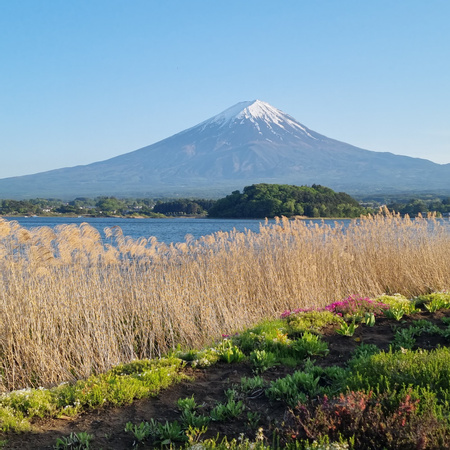
A sweeping view of Mt. Fuji across Lake Kawaguchiko frames Oishi Park, where rows of lavender bloom beside a children’s playground. The park occupies the lakeshore in Japan, offering a blend of natural scenery and family‑friendly space.
Attraction
Kitaguchi Hongu Fuji Sengen Shrine
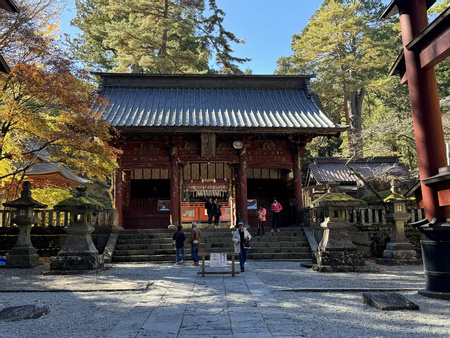
Stone lanterns line the forest paths that lead to Kitaguchi Hongu Fuji Sengen Shrine, a Shinto shrine complex in Japan whose wooden structures rise among the trees. The shrine’s setting in a wooded area creates a quiet approach that contrasts with the open spaces of many urban temples. Visitors encounter a series of stone lanterns that mark the way, each positioned beside a path that winds through the forest.
Attraction
B-PUMP Ogikubo and Shop
A neon‑litsign spelling “B‑PUMP” dominates a narrow side street in Ogikubo, where the brand’s flagship store and workshop opened in 2015, turning a former warehouse into a living showcase of Japanese streetwear. The shop sits in Suginami‑ward, Tokyo, and serves both as a retail space and a small production studio, offering visitors a glimpse into the brand’s graphic‑design process.
Attraction
Incredible Stays
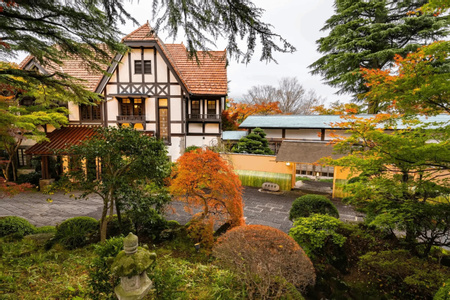
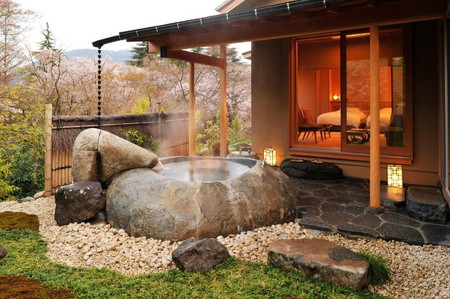
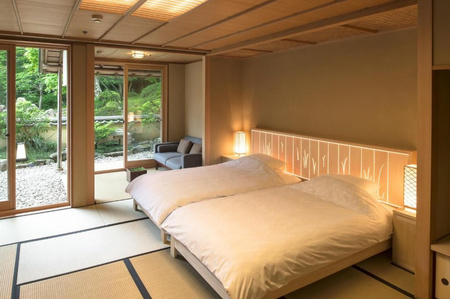
Hotel Recommendation #1
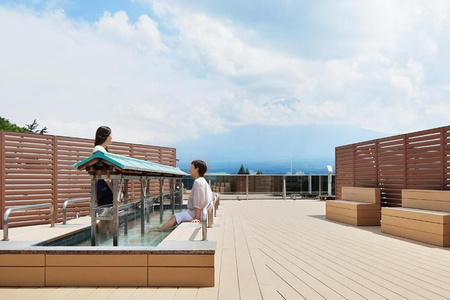
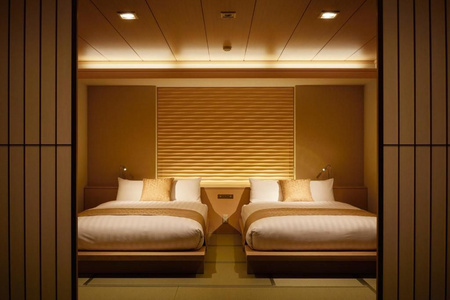
A 9.1/5 guest-rated stay in Hakone.
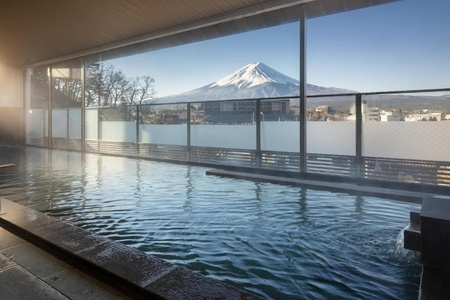
Hotel Recommendation #2
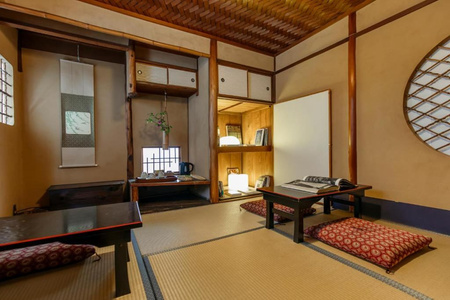
A hand-picked stay in Fujikawaguchiko.
Hotel Recommendation #3
A hand-picked stay in Kyoto.
Hotel Recommendation #4
A hand-picked stay in Shibuya.
Inclusions
All listed hotels and taxes
All private transfers, bullet trains, and local support as described
JTrain Railpasses
All guided activities and admissions listed
Exclusions
International flights
Unlisted meals / personal expenses
Optional activities
Travel insurance
Tips (optional in Japan, but guides appreciate it for private days)
Curated to you
Insider-led Japan Design & Concierge
Your insider team designs the trip around what you care about, then supports you in-country with private logistics, vetted partners, and concierge help when plans change.