


Bella Italia in Spring
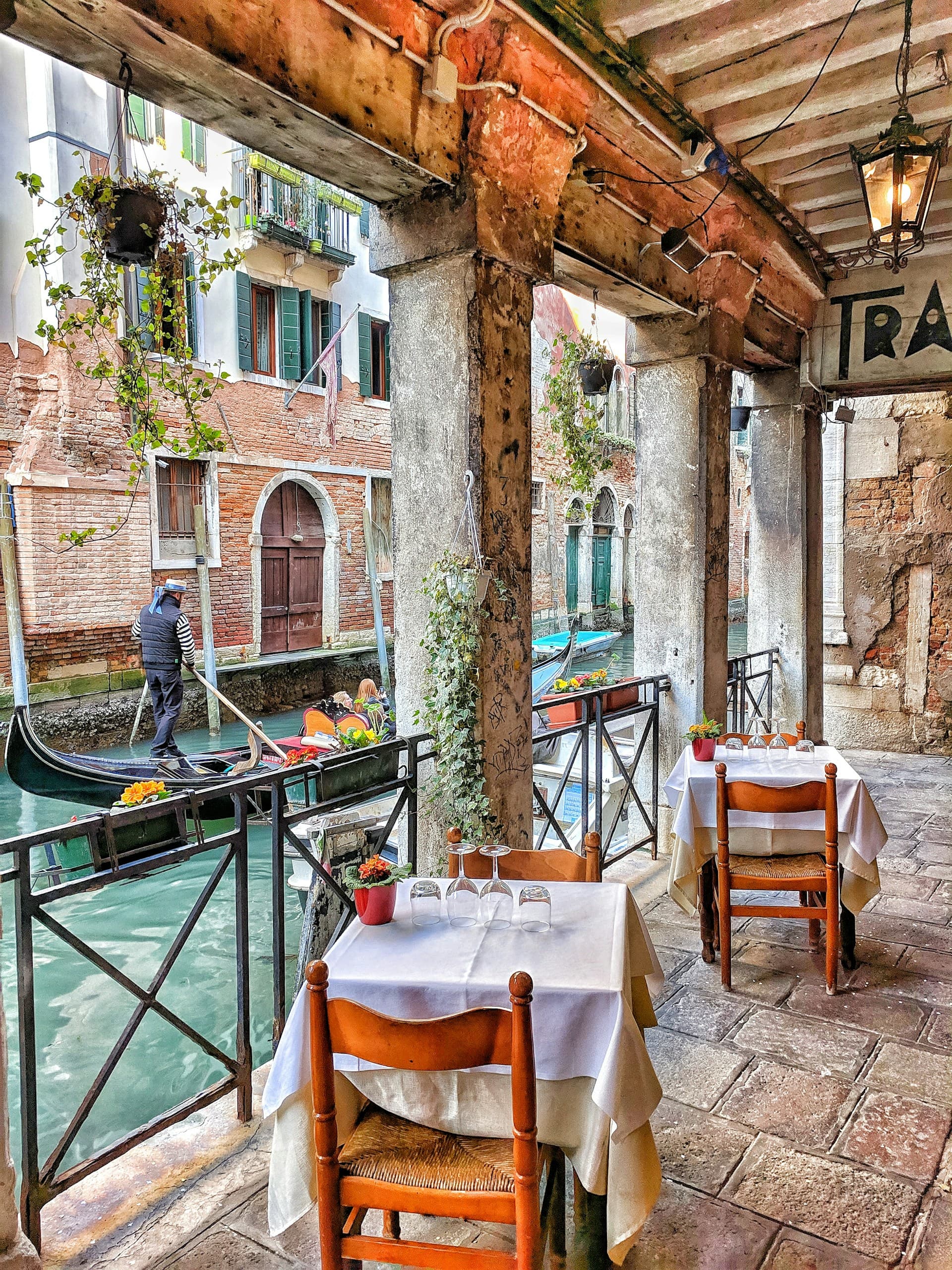
Glenn and Joanne explored Italy’s timeless blend of history, cuisine, and scenery on a two‑week adventure. They traveled from Rome’s historic heart to Tuscany’s rolling hills, explored Florence’s Renaissance treasures, drifted through Venice’s canals, and concluded in Milan’s modern design scene. Along the way, friendly locals, knowledgeable guides, and vibrant markets offered authentic flavors and stories, leaving them with a deeper appreciation for Italy’s living heritage.
Glenn and Joanne explored Italy’s timeless blend of history, cuisine, and scenery on a two‑week adventure. They traveled from Rome’s historic heart to Tuscany’s rolling hills, explored Florence’s Renaissance treasures, drifted through Venice’s canals, and concluded in Milan’s modern design scene. Along the way, friendly locals, knowledgeable guides, and vibrant markets offered authentic flavors and stories, leaving them with a deeper appreciation for Italy’s living heritage.
Places you'll stay
Monterosso al Mare
Monterosso al Mare offers the only extensive sand beach that stretches along most of the Cinque Terre coastline. The town belongs to the province of La Spezia in Liguria, northern Italy, and shares a twinning arrangement with Saint‑Genès‑Champanelle in France. It is split into an ancient sector and a newer resort area, the two halves linked by a short pedestrian tunnel that also carries the few cars allowed in town.
Destination
Manarola
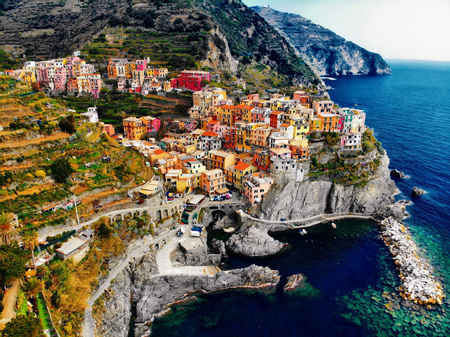
A narrow footpath called Via dell’Amore links Manarola’s terraced harbor directly to the neighboring village of Riomaggiore, offering sweeping sea views that have become a symbol of the Cinque Terre. Manarola is a frazione of the comune of Riomaggiore in the province of La Spezia, Liguria, on Italy’s north‑western coast. With a resident count of 353, the town retains a scale that lets its historic streets feel intimate, and its name likely evolved from the Latin Magna rota, a reference to the large mill wheel that once turned in the settlement.
Destination
Riomaggiore
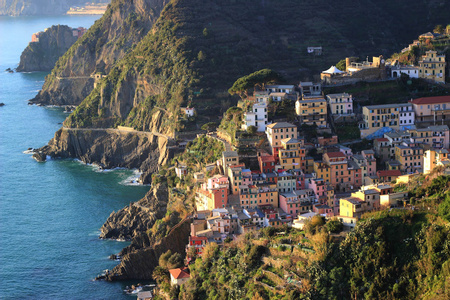
Riomaggiore’s steep, multicolored tower houses cling to a narrow inlet, creating a dramatic silhouette that defines the southernmost village of the Cinque Terre. The settlement lies in the Ligurian province of La Spezia, on the Gulf of Genoa in Italy’s Riviera di Levante, and its origins trace back to the early 13th‑century. A modest population lives among vineyards that still produce the town’s characteristic wine, while the main thoroughfare, Via Colombo, hosts the village’s restaurants, bars and shops.
Destination
Bonassola
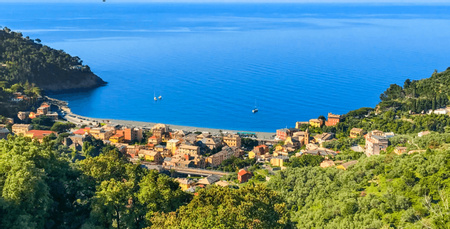
The 16th‑century watchtower that crowns a limestone promontory offers one of the clearest sightlines across the Ligurian Sea to the Cinque Terre cliffs. Bonassola is a fishing village on the Gulf of Poets in the province of La Spezia, Liguria, Italy. With fewer than 1,500 residents, it retains the rhythm of a traditional seaside community while serving as a quiet gateway to the more crowded Riviera attractions.
Destination
Barga
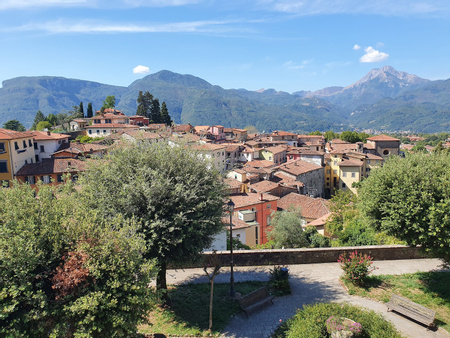
Barga carries the nickname of the most Scottish town in Italy, a reminder of the 19th‑century emigration that left a lasting family link to Scotland. It is a medieval town in the province of Lucca, perched in the Serchio valley of Tuscany, and belongs to the I Borghi più belli d'Italia association.
Destination
Rome
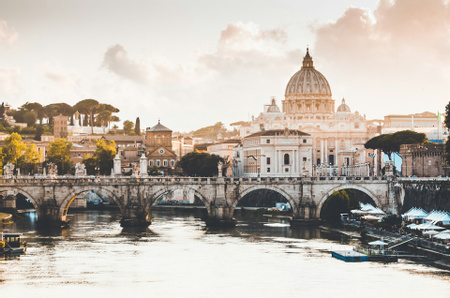
A city built on seven hills that also encloses the world’s smallest sovereign state defines Rome, Italy. It serves as the capital of the Italian Republic and of the Lazio region, lying in the central‑western part of the peninsula along the Tiber Valley. With a municipal population of about 2.7 million, it forms the core of a metropolitan area that exceeds four million residents.
Destination
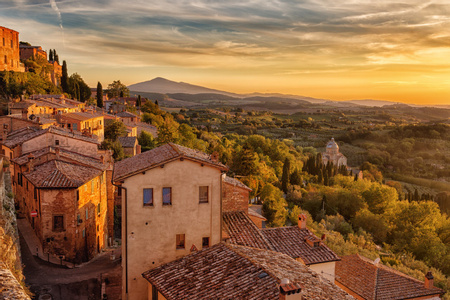
Montepulciano
Montepulciano’s skyline is dominated by the terracotta‑tiled roofs of its Renaissance palaces, a visual cue to the town’s centuries‑old reputation for producing Vino Nobile di Montepulciano. The hill town sits in the heart of Tuscany’s rolling Val d’Orcia, a UNESCO World Heritage landscape, about 70 km southeast of Siena. With roughly 14,000 residents, it retains the feel of a medieval community perched on a limestone ridge.
Destination
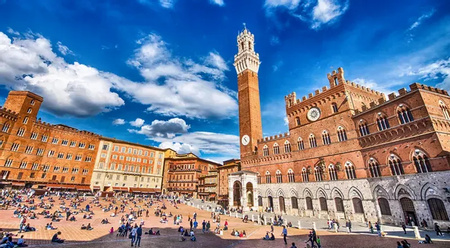
Siena
Twice each summer, the shell‑shaped Piazza del Campo erupts with the thunder of hooves as the Palio, Siena’s historic horse race, circles the square. Siena is a city in the heart of Tuscany, Italy, whose medieval streets rise 322 m above sea level amid a patchwork of valleys and hills. With a population of just under 53 000, it serves as the provincial capital and retains the title of UNESCO World Heritage Site for its intact historic centre.
Destination
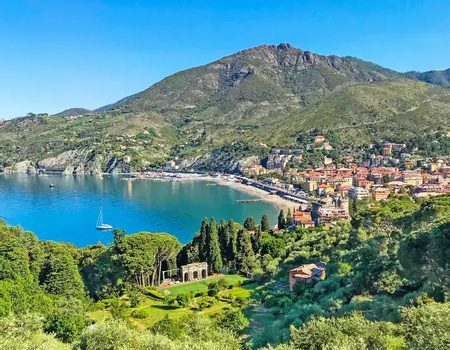
Levanto
Levanto’s waterfront is framed by the headlands of Mesco and Levanto, where olive‑covered hills plunge to a river‑valley mouth that opens onto the Ligurian Sea. The town lies in the province of La Spezia, Liguria, about ninety kilometres southeast of Genoa and twenty kilometres northwest of La Spezia in north‑west Italy. With a population of just over five thousand, it retains a scale that lets visitors wander its historic streets at leisure.
Destination
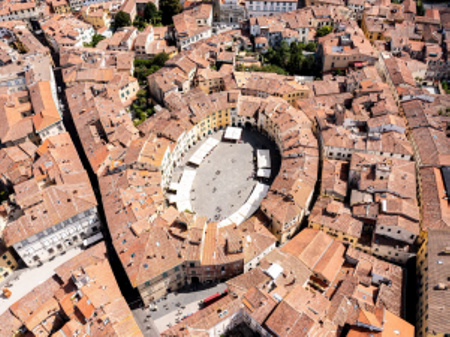
Lucca
The city’s Renaissance-era walls, still encircling the historic centre, give Lucca a rare sense of walking inside a living museum. Lucca lies in Tuscany, Central Italy, on the banks of the Serchio River amid a fertile plain. With about 89,000 residents, the town retains the title of an Italian “Città d'arte” because its medieval fabric remains largely untouched.
Destination
Florence
The silhouette of Brunelleschi’s dome dominates Florence’s skyline, a concrete reminder of the city’s pioneering role in the Renaissance. Florence is a city in the Tuscany region of central Italy, perched on the Arno River, and its historic centre carries UNESCO World Heritage status. With roughly 380,000 residents, the compact urban fabric lets a visitor walk from the Ponte Vecchio to the Medici palaces in minutes.
Destination
Moments to look forward to
Piazzale Michelangelo
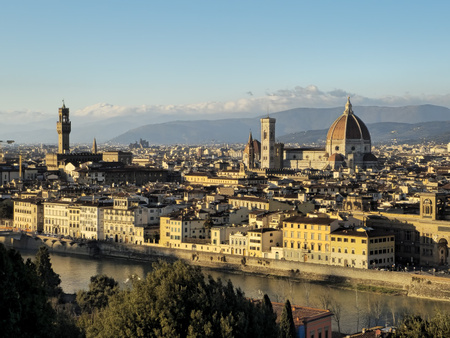
From its terrace on the hill south of Florence’s historic centre, Piazzale Michelangelo delivers a sweeping panorama that lines up the city’s most recognizable monuments. The square sits in the Oltrarno district of Italy and is dedicated to the Renaissance sculptor Michelangelo.
Attraction
Galleria dell’Accademia di Firenze
Michelangelo’s marble David greets visitors as the centerpiece of the Galleria dell’Accademia, a museum that instantly identifies itself with the master’s work. Situated in the historic heart of Florence, Italy, the institution presents a focused collection of sculpture, painting and icons. Its reputation rests on the presence of the iconic Renaissance masterpiece alongside a broader artistic program.
Attraction
David
Carved from marble at theheight of the Renaissance, Michelangelo’s David captures the nude biblical hero in a moment of poised tension. The sculpture stands in Italy as a singular work of art, embodying the skill of its creator and the ideals of its era.
Attraction
Spanish Steps
The 135‑step monumental stairway climbs a 29‑metre slope from the bustling Piazza di Spagna to the elevated Piazza Trinità dei Monti, where the twin‑topped Trinità dei Monti church crowns the ascent. In Rome, Italy, the staircase links the French‑styled Spanish Embassy at its base with the French‑patroned church at its summit, creating a striking urban axis.
Attraction
Piazza del Popolo
At the heart of Rome’s northern approach stands a grand square anchored by the city’s oldest obelisk. The space is known as Piazza del Popolo, a public plaza in Italy that marks the historic entrance to the capital. Its open layout and central monument give the area a clear sense of purpose and continuity.
Attraction
Boboli Gardens
The garden’s design stretches back to the 16th and 17th centuries, making it one of the earliest examples of formal landscaping in Italy. Boboli Gardens, situated in Italy, presents a series of meticulously planned terraces, avenues and water features. Its layout reflects Renaissance ideals of order and symmetry.
Attraction
Piazza dell'Anfiteatro
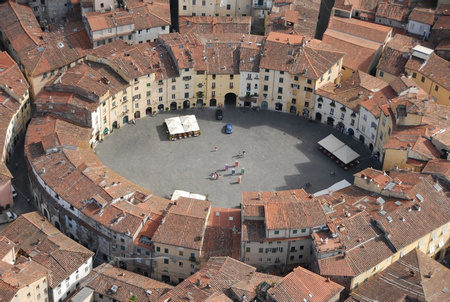
The square’s outline mirrors the elliptical footprint of a second‑century Roman amphitheater, a shape still traced by the surrounding buildings. It occupies the northeast quadrant of Lucca’s walled centre in Tuscany, Italy, and functions today as a public piazza framed by private residences that host several outdoor cafés.
Attraction
Orto Botanico Comunale di Lucca
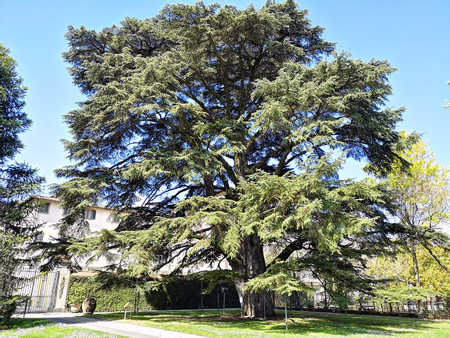
A triangular plot tucked into a corner of Lucca's ancient city wall houses the Orto Botanico Comunale di Lucca, a municipal botanical garden founded in 1820 by Marie Louise, Duchess of Parma. It sits at Via del Giardino Botanico, 14, and is administered by the city of Lucca in Italy. The garden welcomes visitors daily during the warmer months and on weekday mornings in the off-season, charging a modest entry fee. Within its historic setting, mature plantings of botanical interest coexist with research facilities.
Attraction
Via del Corso
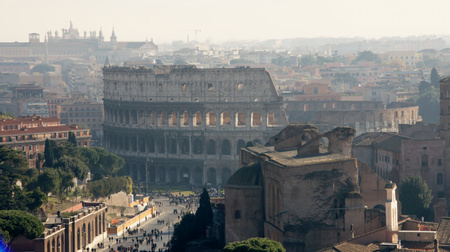
A continuous line of storefronts and historic façades defines Via del Corso, the principal artery threading Rome’s historic centre. The street carries the daily rhythm of shoppers, while baroque churches rise between the commercial fronts. It lies in the heart of the capital of Italy, linking public squares and monuments along a single thoroughfare.
Attraction
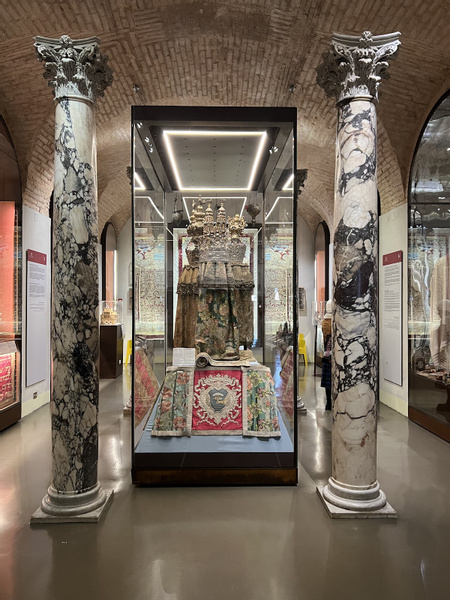
Jewish Museum
A heritage museum devoted entirely to Rome’s Jewish community, the Jewish Museum in Italy showcases an extensive collection of art and artifacts. It sits in the historic centre of Rome and concentrates on the city’s Jewish population. The institution’s aim is to preserve and present that community’s cultural legacy.
Attraction
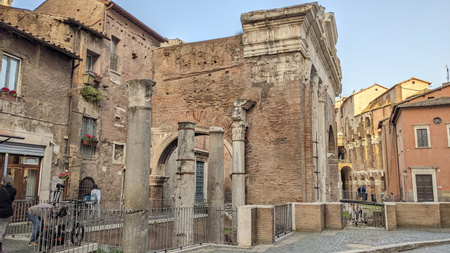
Portico d'Ottavia
A row of twelve marble columns frames a narrow alley that once formed the Portico of Octavia, the only surviving fragment of a massive 1st‑century‑BC colonnade in Rome. The site lies in the historic centre of the city, close to the ancient Forum Boarium, and belongs to Italy’s extensive Roman archaeological heritage.
Attraction
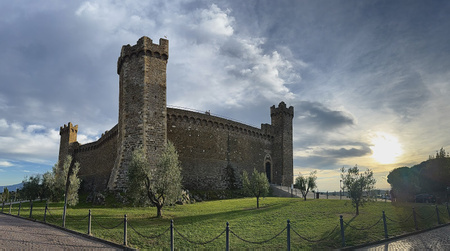
Fortezza Medicea di Montepulciano
The star‑shaped bastion system that crowns Montepulciano’s highest hill rises from a 1530s commission by Cosimo I de’ Medici, who wanted a modern stronghold to dominate the surrounding countryside. The Fortezza Medicea di Montepulciano stands on the town’s western edge in the Tuscan region of Italy and today functions as a historic monument and cultural venue.
Attraction
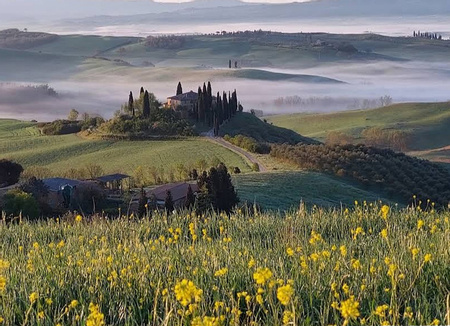
Val D'orcia
The valley’s patchwork of cultivated hills, occasional gullies and a string of historic towns earned it UNESCO World Heritage status in 2004, marking it as a landscape that has inspired artists from the Renaissance to contemporary photographers. It lies in the Tuscan provinces of Siena and Grosseto in central Italy, stretching from the hills south of Siena toward Monte Amiata.
Attraction
Comune di Montepulciano
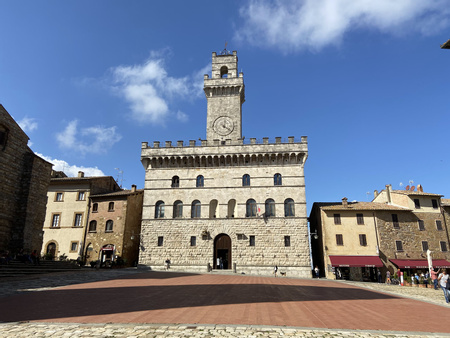
Montepulciano’s main square, Piazza Grande, retains a 14th‑century marble paving that still guides foot traffic today, a rare continuity of public space in a living town. The comune lies on a limestone ridge in the province of Siena, Tuscany, Italy, and its skyline is punctuated by the white dome of San Biagio, a Renaissance church designed by Antonio da Sangallo the Elder. The town’s reputation for Vino Nobile and its inclusion in the UNESCO‑listed Val d’Orcia landscape give it both culinary and cultural weight. Visitors encounter a compact historic centre where medieval walls, Renaissance palaces and underground tunnels coexist.
Attraction
De' Ricci Cantine Storiche in Montepulciano
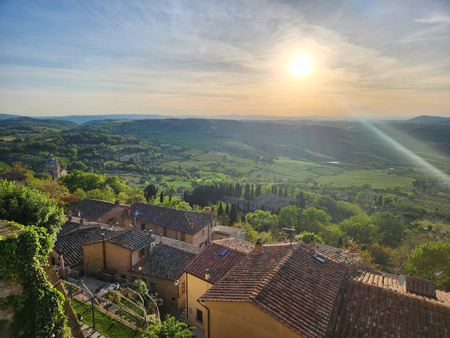
A soaring underground space with vaulted ceilings and exposed brick walls defines De' Ricci Cantine Storiche in Montepulciano, Italy. The cellar invites visitors into a cavernous setting where wine tasting and guided tours unfold beneath the town. It is a historic wine cellar that offers a direct encounter with the region’s viticultural tradition.
Attraction
Contucci
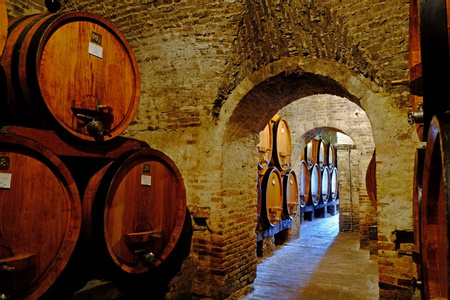
Centuries‑old Renaissance cellars anchor the family‑run Contucci winery in a historic square of Italy. The business welcomes visitors for tastings and guided tours, allowing a glimpse of winemaking that has been handed down through generations. Its presence in the square gives the site a palpable link between everyday urban life and centuries of viticultural tradition.
Attraction
Piazza Grande
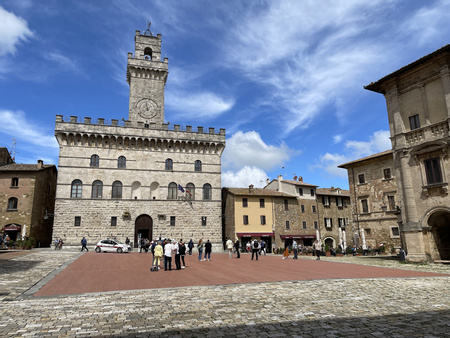
Piazza Grande first appears as a recurring label in Italian cultural life, linking politics, music and cinema under a single name that travelers encounter in distinct settings across the country. The term designates a political movement inside the Italian Democratic Party, a 1972 song by Lucio Dalla, and a segment of the Locarno Film Festival, each reflecting a different facet of contemporary Italian expression.
Attraction
Palazzo Pubblico
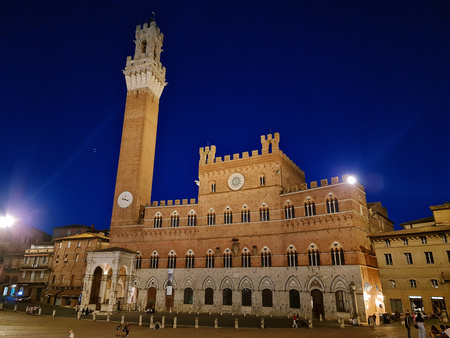
Its concave stone‑brick façade follows the outward curve of Siena’s Piazza del Campo, creating a visual dialogue between building and square. The Palazzo Pubblico serves as the medieval town hall of Siena, Tuscany, in central Italy, and its construction began in 1297 to house the Republic’s Podestà and Council of Nine.
Attraction
Siena Cathedral
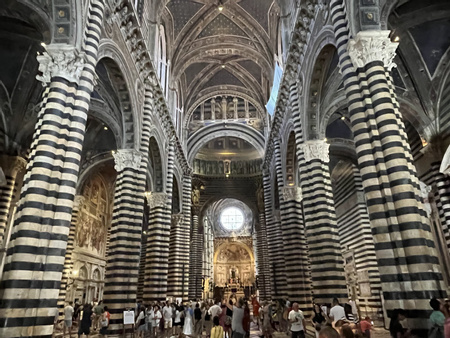
Its façade of alternating white and greenish‑black marble, punctuated by a strip of red, instantly marks Siena Cathedral as a visual emblem of the city’s black‑and‑white heraldry. The medieval church, dedicated to the Assumption of Mary, dominates the historic centre of Siena in Tuscany, Italy, and has guided the town’s identity since the early 13th century. Construction began in 1215 and continued, with interruptions, until the Black Death halted expansion in 1348.
Attraction
Piccolomini Library
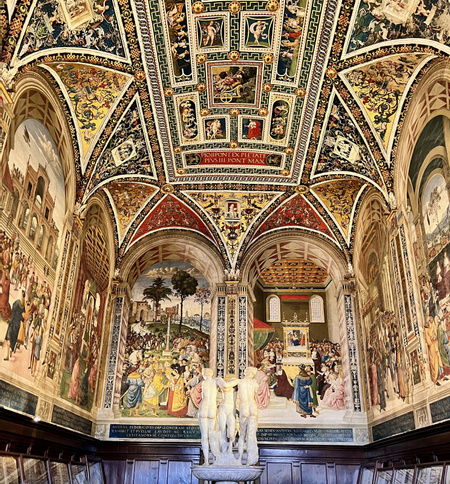
The soaring, vibrant Pinturicchio frescoes dominate the library’s interior, drawing the eye upward across a ceiling that seems to lift the space itself. This majestic, airy library sits inside the Siena Duomo, the cathedral that crowns the historic centre of Siena in Italy. It functions as a repository of books while presenting an artistic experience rarely matched in ecclesiastical settings.
Attraction
Fontebranda
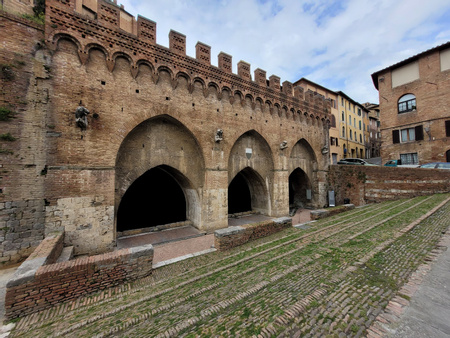
The fountain’s stone basin, carved from a single slab of travertine, still channels water that has fed Siena since the mid‑13th century, making it the city’s oldest surviving public water source. Fontebranda stands in the historic centre of Siena, Tuscany, and its vaulted loggia shelters a series of marble spouts that once regulated the flow to the surrounding neighborhoods. The structure belongs to the UNESCO World Heritage‑listed historic centre of Siena, reflecting its role in medieval urban planning.
Attraction
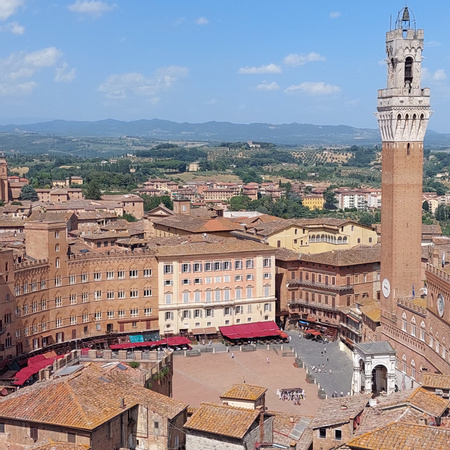
Piazza del Campo
Its shell‑shaped layout of nine brick wedges dominates the historic centre of Siena, forming a piazza that still guides the famous Palio horse race each summer. The space serves as the main public square of the Tuscan city, surrounded by the Palazzo Pubblico, its Torre del Mangia and the Fonte Gaia at the northwest edge. The piazza lies within the UNESCO World Heritage historic centre inscribed in 1995 for its medieval planning.
Attraction
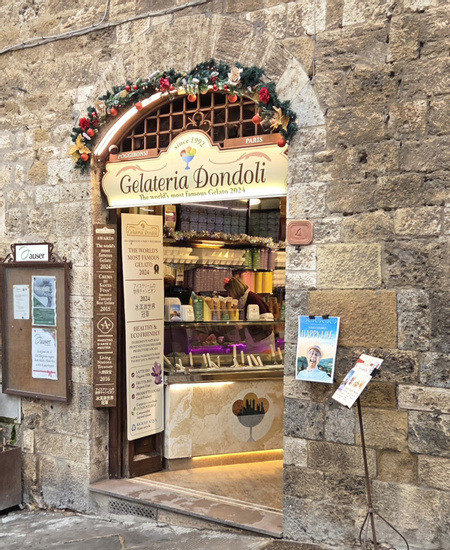
Gelateria Dondoli
Gelateria Dondoli surprises patrons with inventive ice‑cream creations such as saffron blended with pine nuts, a combination that immediately signals the shop’s willingness to push flavor boundaries. The gelateria operates in Italy, offering a menu that balances these daring blends with familiar classics and seasonal house specials.
Attraction
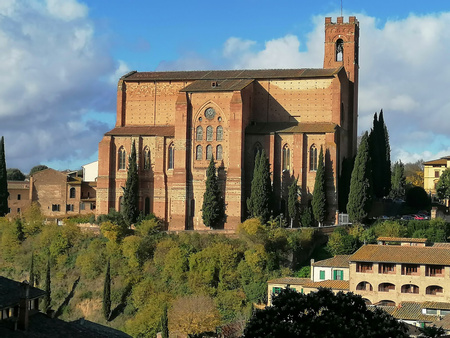
Basilica Cateriniana San Domenico
The severe Gothic lines of the basilica dominate the skyline, drawing attention to a chapel whose walls are covered in frescoes and that shelters relics of St Catherine, including her head. Basilica Cateriniana San Domenico stands in Italy as a striking example of this austere medieval style, its stone façade and pointed arches conveying a sense of solemnity that contrasts with the vivid interior art. The building’s name reflects its dedication to both St Catherine and the Dominican order, linking its architectural presence to the spiritual heritage it protects.
Attraction
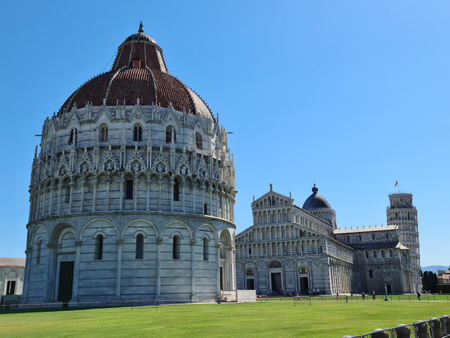
Tower of Pisa
A lean that has defined its silhouette for centuries draws visitors from around the globe to the Tower of Pisa in Italy. The elaborately adorned structure was erected in the 14th century and reaches 56 meters at its tallest point, standing in the historic centre of Pisa.
Attraction
Cattedrale di Pisa
The cathedral’s striking marble stripes dominate the piazza, drawing attention before the ornate Romanesque bronze doors reveal the interior. It stands in Pisa, Italy, as a centerpiece of the city’s historic fabric. Visitors recognize the building instantly by its bold exterior and the carved 1300s pulpit that commands the nave.
Attraction
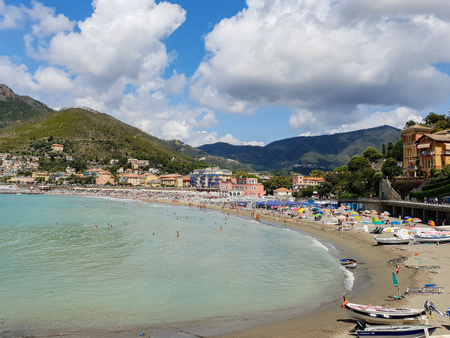
Spiaggia Levanto
A narrow strip of sand lined with bars and trattorias looks out over green hills dotted with villas. Spiaggia Levanto is a beach on Italy’s coastline where the sea meets a lively promenade of eateries. The combination of a sandy shoreline, open‑air dining and a pastoral backdrop gives the place a character that stands out among coastal spots.
Attraction
Monterosso public beach (Fegina)
A compact stretch of sand defines Monterosso public beach on the island of Fegina, Italy, where the shoreline is lined with lounger rentals and a shaded promenade. The beach sits beneath a walkway that offers relief from the sun, while nearby souvenir shops and terrace bars add a lively edge to the modest setting.
Attraction
Port of Vernazza
A narrow inlet frames the pastel houses of Vernazza, creating a harbour that appears to float between sheer limestone cliffs and the Ligurian Sea. The port serves the fishing village of Vernazza, one of the five towns that compose the Cinque Terre on Italy’s north‑west coast. It lies within the Cinque Terre National Park and the UNESCO World Heritage site designated in 1997.
Attraction
Cinque Terre National Park
Perched on sheer Ligurian cliffs, Cinque Terre National Park spans only 4,300 acres yet contains five medieval villages and a living mosaic of terraced stone walls. Established on 6 October 1999, the park lies in the province of La Spezia in northern Italy and carries both national‑park protection and UNESCO World Heritage status granted the same year.
Attraction
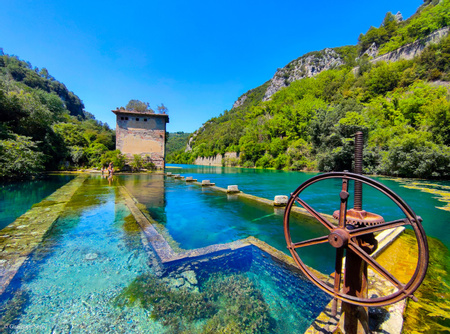
Percorso Ciclabile delle Gole del Nera
The 3‑kilometre tunnel that pierces solid limestone defines the Percorso Ciclabile delle Gole del Nera, a bike trail winding through the dramatic Nera River gorge in Umbria, Italy. The route follows the river’s narrow canyon, linking the villages of Gualdo Cattaneo and Monteleone di Spoleto, and lies entirely within the protected Parco Naturale Regionale Gole del Nera.
Attraction
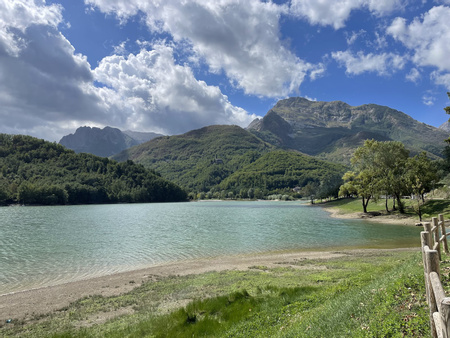
Lago di Gramolazzo
An artificial lake that spans exactly one square kilometre at an altitude of 604 m, Lago di Gramolazzo dominates a high‑land basin in the Province of Lucca, Tuscany, Italy. The water’s surface, created by human engineering, marks a distinct feature in the region’s topography. Visitors encounter a broad, calm expanse of water framed by the surrounding hills, with the lake’s precise dimensions evident from any point along its shoreline.
Attraction
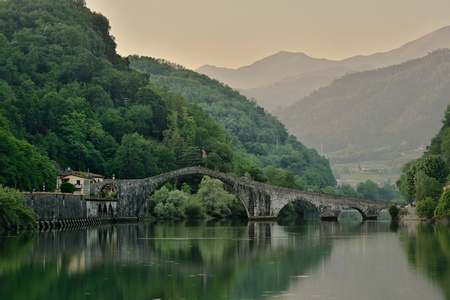
Devil's Bridge
A narrow, steep crossing that has survived for nine centuries dominates the landscape over the Serchio river. The medieval Devil's Bridge in Italy carries only pedestrians, its age traced to around 1100 AD, and it once guided pilgrims on their way to holy sites. Situated in the river valley, the bridge’s solitary arch spans the water without modern supports. Its endurance makes it a tangible link to the medieval travel network.
Attraction
Fonti Medievali
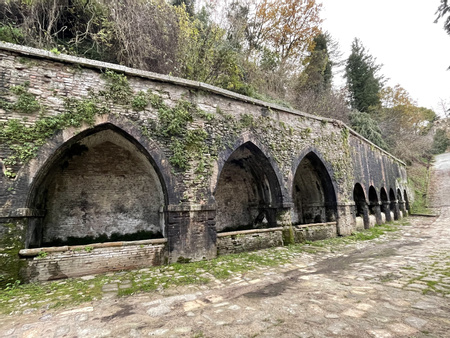
The spring complex that still feeds the town’s historic wells from a 12th‑century aqueduct makes Fonti Medievali a living relic of medieval engineering, set on the limestone hills just outside Città di Castello in Umbria, Italy. The site comprises a series of stone basins, vaulted arches and narrow walkways that channel clear water from three natural springs into the old town. It is managed as the Parco delle Fonti Medievali, a regional natural park and a Site of Community Importance under the EU Natura 2000 network.
Attraction
San Gimignano
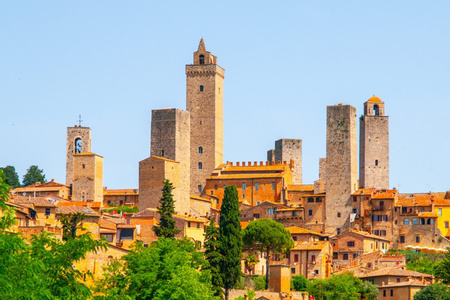
A skyline of medieval towers crowns the hilltop town of San Gimignano in Tuscany, Italy. The settlement is enclosed by three concentric walls and sits on a ridge that once hosted an Etruscan village. Its historic centre carries the UNESCO World Heritage designation for preserving an extraordinary collection of tower houses.
Attraction
Galleria Borghese
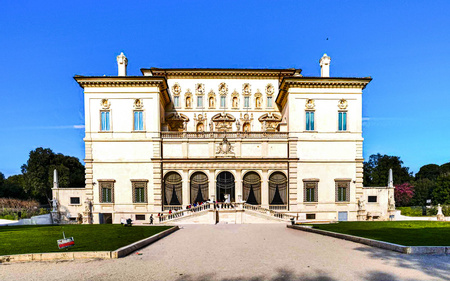
The gallery occupies the former Villa Borghese Pinciana, a 17th‑century country villa whose portico incorporates spolia taken from the Arch of Claudius, and it shelters a core of the Borghese Collection that includes several of Caravaggio’s early masterpieces. Set in Rome, Italy, the Galleria Borghese presents a compact sequence of rooms where paintings, sculpture and antiquities share a single, intimate setting.
Attraction
Pantheon
Its dome, still the world’s largest unreinforced concrete dome, crowns a structure that has stood for nearly two millennia in the heart of Rome, Italy. Built as a Roman temple and consecrated as the Basilica of St. Mary and the Martyrs in the seventh century, the Pantheon combines ancient engineering with continuous religious use. The square before it, Piazza della Rotonda, frames the building’s striking silhouette.
Attraction
Galleria Doria Pamphilj
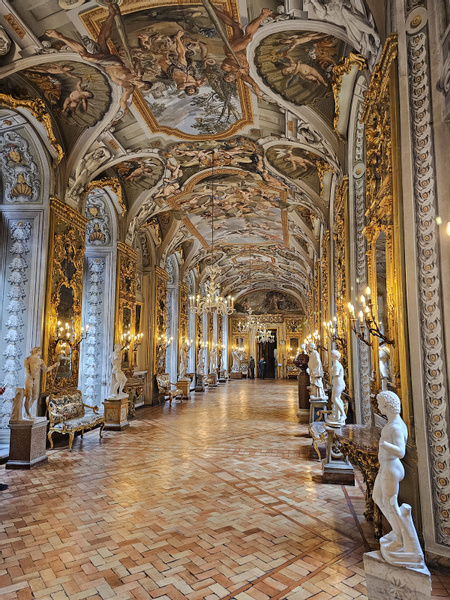
A private Roman palace opens its richly appointed state rooms to visitors, displaying a concentrated collection of 16th and 17th‑century paintings that remain in the hands of the Doria Pamphili family. The Galleria Doria Pamphilj occupies the Palazzo Doria Pamphilj between Via del Corso and Via della Gatta in Rome, Italy, with its main entrance on the bustling Via del Corso.
Attraction
Trevi Fountain
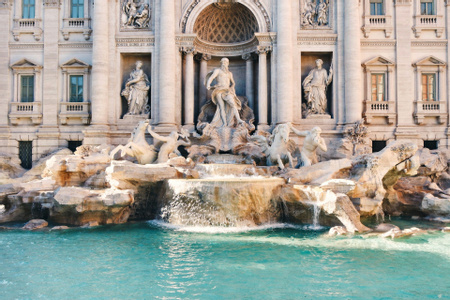
The fountain’s 26.3‑metre height and 49.15‑metre width make it the largest Baroque fountain in Rome, a landmark that dominates the Trevi district of the capital. Completed in 1762, the structure stands as an 18th‑century work of architecture and sculpture, drawing visitors to its dramatic scale and elaborate design. It belongs to Italy and marks a focal point of the city’s historic centre.
Attraction
Piazza Navona
The elongated oval of Piazza Navona follows the outline of the 1st‑century Stadium of Domitian, turning a former Roman arena into Rome’s most celebrated open square. It occupies the historic centre of the city in Italy and serves as a living stage for Baroque art and urban life.
Attraction
Trastevere
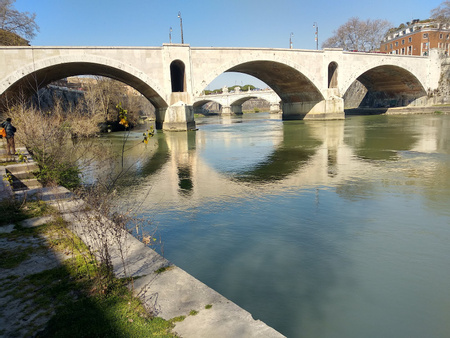
Beyond the Tiber’s winding course lies Trastevere, the thirteenth rione of Rome whose very name translates from Latin as “beyond the Tiber.” It occupies the west bank of the river, south of Vatican City, within the municipal limits of Rome, Italy. The district’s identity is rooted in its ancient bridge, the wooden Pons Sublicius, which once linked it to the rest of the city.
Attraction
Villa Farnesina
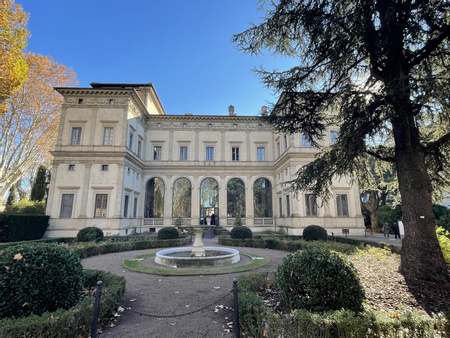
Its frescoed loggia showing Raphael’s Triumph of Galatea invites visitors into one of the few purely secular myth cycles painted during the High Renaissance. The Villa Farnesina stands in the Trastevere district of Rome, Italy, as a compact suburban palace built for the Sienese banker Agostino Chigi between 1506 and 1510.
Attraction
Colosseum
An elliptical arena that once accommodated up to 80,000 spectators dominates the centre of Rome, standing just east of the Roman Forum. Built under Emperor Vespasian in 72 AD and finished by his son Titus in 80 AD, the structure is the largest ancient amphitheatre ever built and the largest standing amphitheatre in the world. It is known today as the Colosseum, a landmark of Italy’s capital.
Attraction
Roman Forum
A sprawling network of ancient Roman temples, public squares and civic buildings dominates the excavated landscape that stretches across the centre of Rome. The site, known as the Roman Forum, lies in Italy and reveals layers of architecture that reach back roughly two thousand years. Its sheer size and concentration of ruins make it instantly recognizable among the city’s historic fabric.
Attraction
Puccini Museum
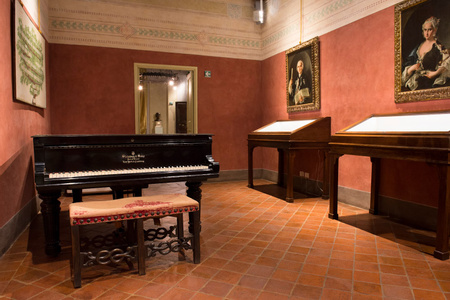
The museum occupies the very house where Giacomo Puccini was born, turning the composer’s childhood home into a public space that lets visitors step inside the world that shaped his music. It is a dedicated museum in Italy that presents personal objects linked to the composer’s early life.
Attraction
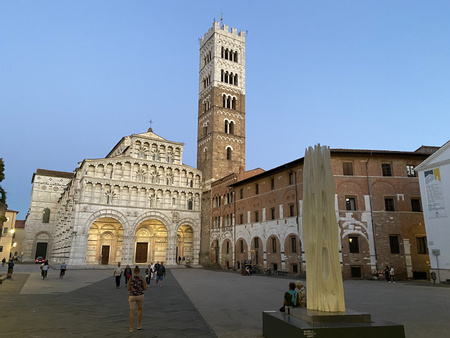
Chiesa dei Santi Giovanni e Reparata
A doorway cut directly into the tuff cliff reveals the 12th‑century Church of Santi Giovanni e Reparata, one of the few medieval rock‑hewn sanctuaries still used for worship in Matera, Basilicata, Italy. The modest façade sits at the edge of the Sasso Caveoso district, where the ancient cave dwellings rise like a stone forest. Its presence within the UNESCO‑listed Sassi di Matera ties the building to a landscape that has been continuously inhabited for millennia.
Attraction
Mura di Lucca
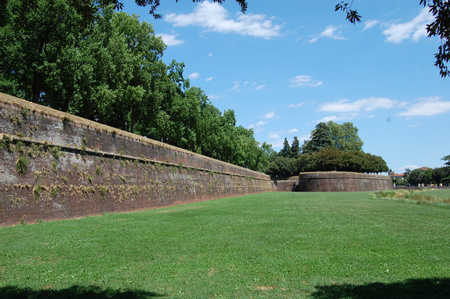
The stone ramparts that once encircled Lucca stand today as a continuous promenade of foot and bicycle paths, offering expansive vistas over the city and its surroundings. Built to protect the settlement, these historic walls now invite walkers and cyclists to trace the line of defense while looking outward. Located in Lucca, Italy, they transform a former military barrier into a public green corridor.
Attraction
Palazzo Pitti
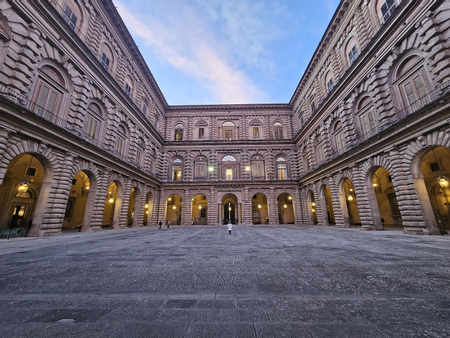
A massive rusticated façade repeats a series of seven arch‑headed apertures three times, giving the Palazzo Pitti a severe, aqueduct‑like presence on the south side of the Arno, a short walk from the Ponte Vecchio. Built in 1458 as the town residence of the banker Luca Pitti, the palace now anchors Florence’s historic centre in Italy.
Attraction
Uffizi Galleries
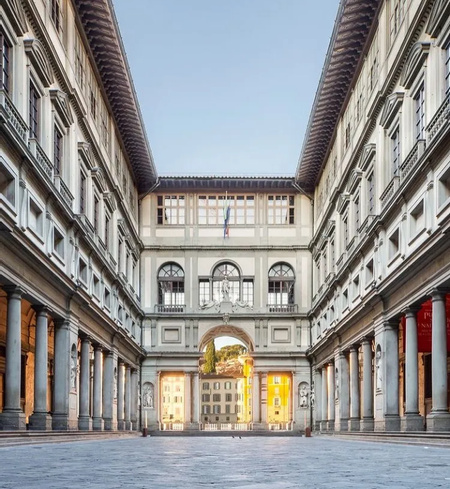
The Uffizi Galleries fill a 16th‑century building that shelters a vast collection of Primitive and Renaissance paintings and other masterpieces. Housed in Italy, the institution presents a concentrated view of early European art within walls that date back to the same period as many of the works on display. Its historic setting and the breadth of its holdings make it instantly recognizable among the world’s museums.
Attraction
Ponte Vecchio
The stone bridge that still carries pedestrians across the narrowest point of the Arno is lined with continuous rows of jewellers, art dealers and souvenir sellers, a commercial tradition that began with butchers, tanners and farmers in medieval times. Known as the Ponte Vecchio, it spans Florence in Italy and connects the riverbanks that host the Duomo, the Signoria and the Oltrarno district.
Attraction
Arno
The Arno stretches across Tuscany as the central‑Italy river that follows only the Tiber in importance. Its waters flow past historic cities such as Florence and Pisa, linking the region’s cultural heart with the sea. In Italy the river is recognised simply as the Arno, a natural feature that defines the landscape of the Tuscan plain.
Attraction
Cathedral of Santa Maria del Fiore
A red-tiled dome crowns the 1200s Cathedral of Santa Maria del Fiore in Italy, instantly marking the skyline with its vivid silhouette. The cathedral stands as a landmark of the early Renaissance, its colored marble façade and the elegant Giotto tower completing a trio of visual signatures that travelers recognize from afar.
Attraction
Piazza della Signoria
The W‑shaped layout of Piazza della Signoria frames the massive Palazzo Vecchio, anchoring the historic core of Florence, Italy. Named after the Palazzo della Signoria, the square has served as the political centre of the Florentine Republic since its origin. Today it remains the main gathering spot for locals and the countless tourists who pass through on the way to nearby landmarks.
Attraction
Officina Profumo - Farmaceutica di Santa Maria Novella
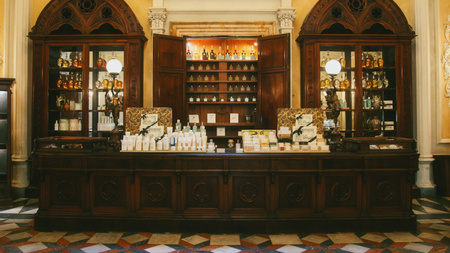
Since 1221 the Officina Profumo – Farmacia di Santa Maria Novella has operated continuously as one of the world’s oldest pharmacies, its workshop still tucked behind the cloister of the former Dominican convent in Florence, Italy. The shop occupies a narrow, three‑storey building whose façade bears a 16th‑century marble plaque announcing the original name “Officina dei Medici”. Inside, the scent of herbal tinctures mixes with the polished wood of the original counter, reminding visitors of the medieval laboratory that once supplied remedies to the Medici court.
Attraction
Incredible Stays
Hotel Recommendation #1
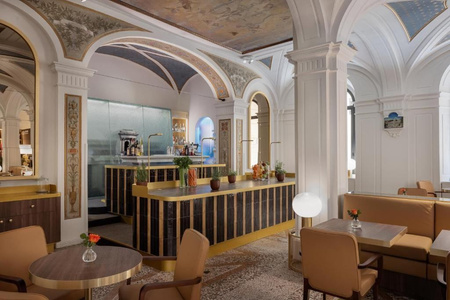
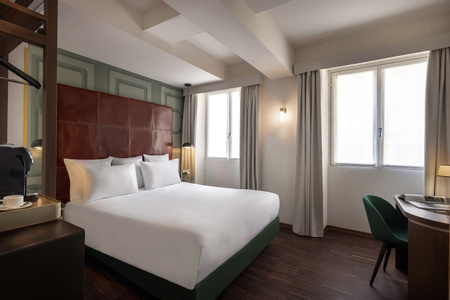
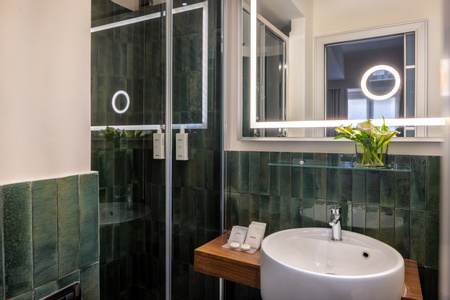
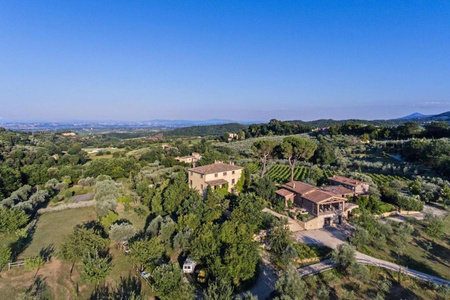
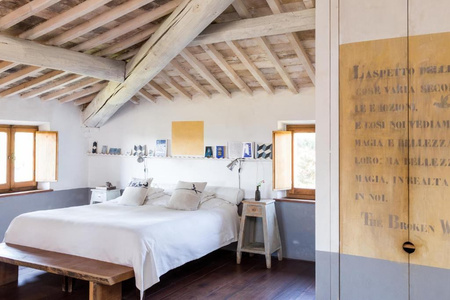
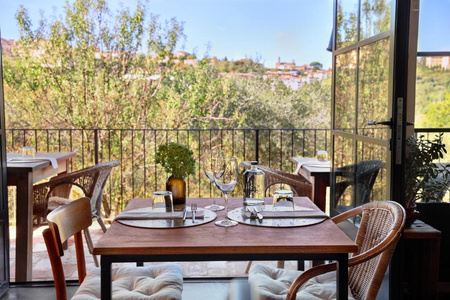
A 9.4/5 guest-rated stay in Rome.
Hotel Recommendation #2
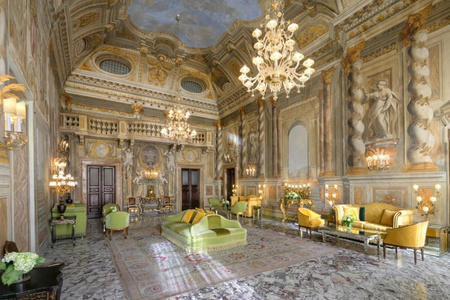
A 9.3/5 guest-rated stay in Montepulciano.
Hotel Recommendation #3
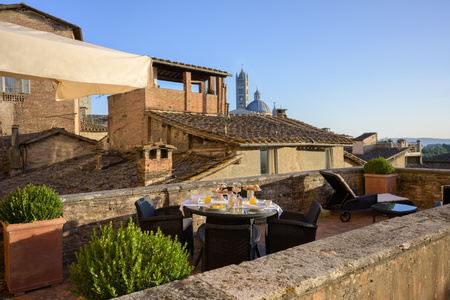
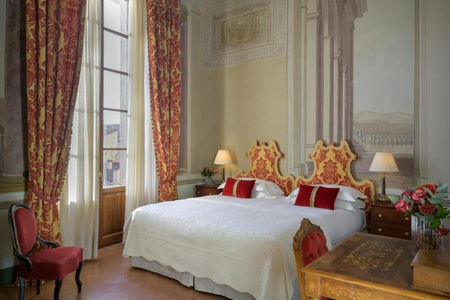
A 9.1/5 guest-rated stay in Siena.
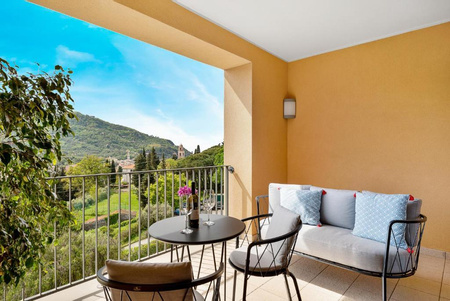
Hotel Recommendation #4
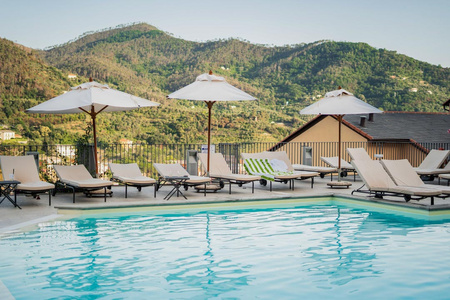
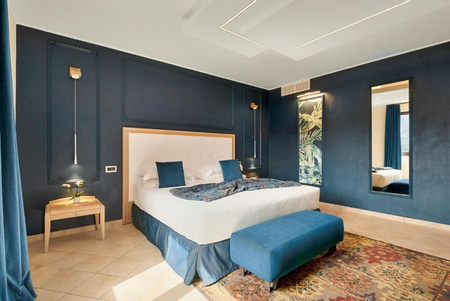
A hand-picked stay in Levanto.
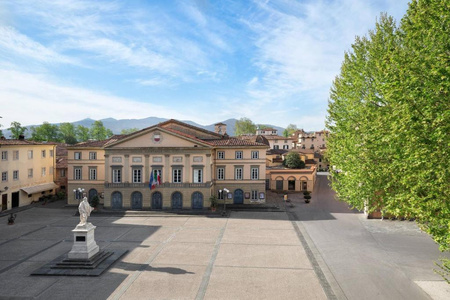
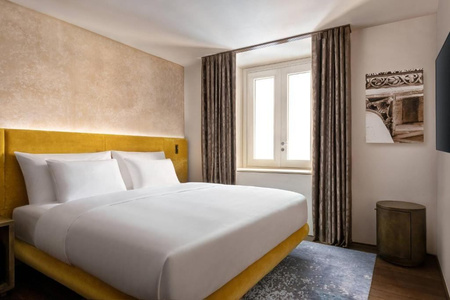
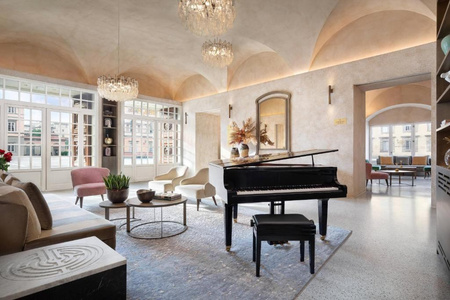
Hotel Recommendation #5
A hand-picked stay in Lucca.
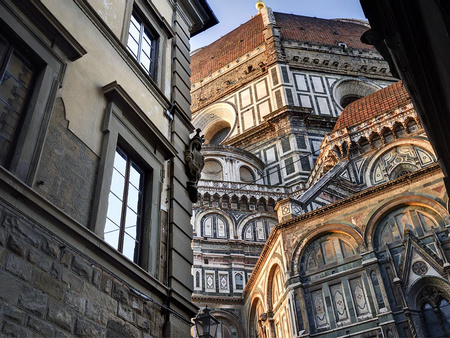
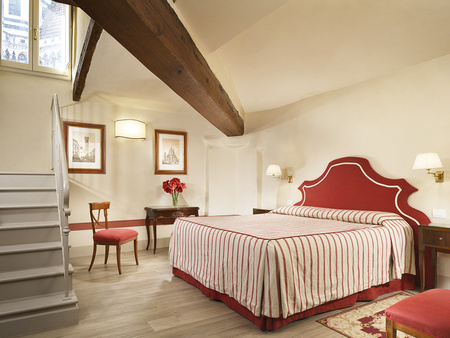
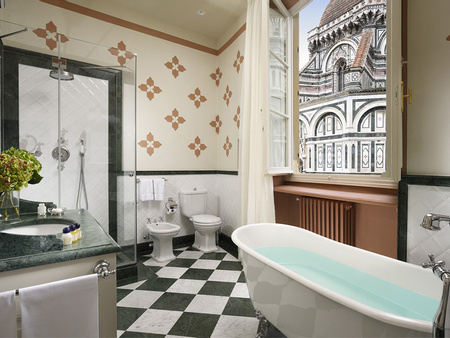
Hotel Recommendation #6
A hand-picked stay in Florence.
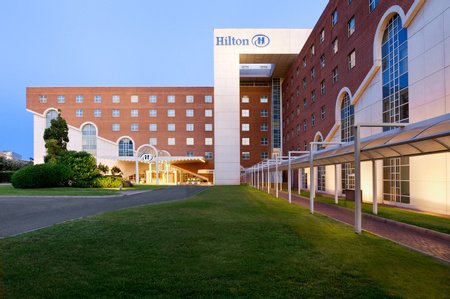
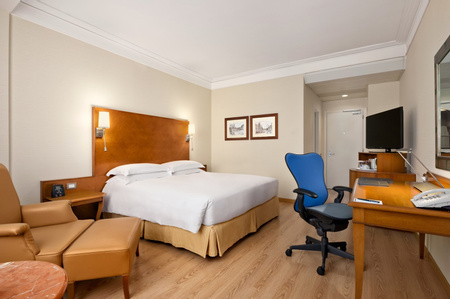
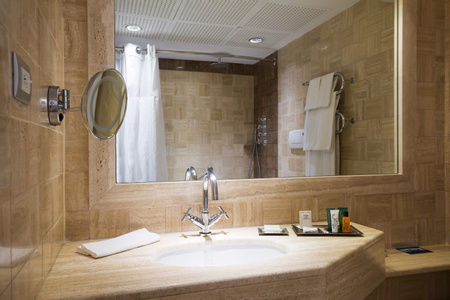
Hotel Recommendation #7
A 7.6/5 guest-rated stay in Rome.
Curated to you
Insider-led Italy Design & Concierge
Your insider team designs the trip around what you care about, then supports you in-country with private logistics, vetted partners, and concierge help when plans change.