


Pizza, Piazzas and Sea Breezes
Embark on a sun‑kissed Italian adventure where ancient piazzas, rolling vineyards, and the sparkling Mediterranean coast weave together a vibrant family getaway. You’ll wander Rome’s ancient forums, sip wine in Monti, cruise the dramatic Amalfi cliffs, and glide through Venice’s quiet lagoons, sampling gelato and market treats. Friendly locals and passionate hosts will share stories, cooking secrets, and hidden alleys, leaving your family with unforgettable memories of Italy’s warmth, flavor, and timeless charm.
Places you'll stay
Vernazza
Vernazza is the only natural port among the Cinque Terre villages, and it preserves a traffic‑free fishing‑village atmosphere that has survived for centuries. The town lies on the Ligurian coast of north‑western Italy, forming the fourth settlement northward in the five‑village chain. It belongs to the I Borghi più belli d'Italia association and, together with the surrounding hills, is protected as part of the Cinque Terre National Park, a UNESCO World Heritage Site since 1997.
Destination
Rome
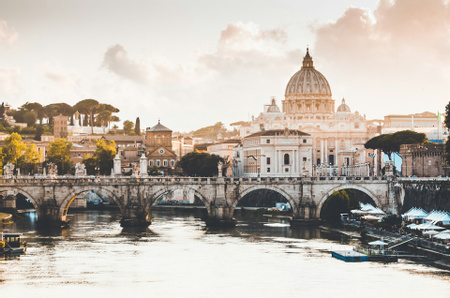
A city built on seven hills that also encloses the world’s smallest sovereign state defines Rome, Italy. It serves as the capital of the Italian Republic and of the Lazio region, lying in the central‑western part of the peninsula along the Tiber Valley. With a municipal population of about 2.7 million, it forms the core of a metropolitan area that exceeds four million residents.
Destination
Monterosso al Mare
Monterosso al Mare offers the only extensive sand beach that stretches along most of the Cinque Terre coastline. The town belongs to the province of La Spezia in Liguria, northern Italy, and shares a twinning arrangement with Saint‑Genès‑Champanelle in France. It is split into an ancient sector and a newer resort area, the two halves linked by a short pedestrian tunnel that also carries the few cars allowed in town.
Destination
Florence
The silhouette of Brunelleschi’s dome dominates Florence’s skyline, a concrete reminder of the city’s pioneering role in the Renaissance. Florence is a city in the Tuscany region of central Italy, perched on the Arno River, and its historic centre carries UNESCO World Heritage status. With roughly 380,000 residents, the compact urban fabric lets a visitor walk from the Ponte Vecchio to the Medici palaces in minutes.
Destination
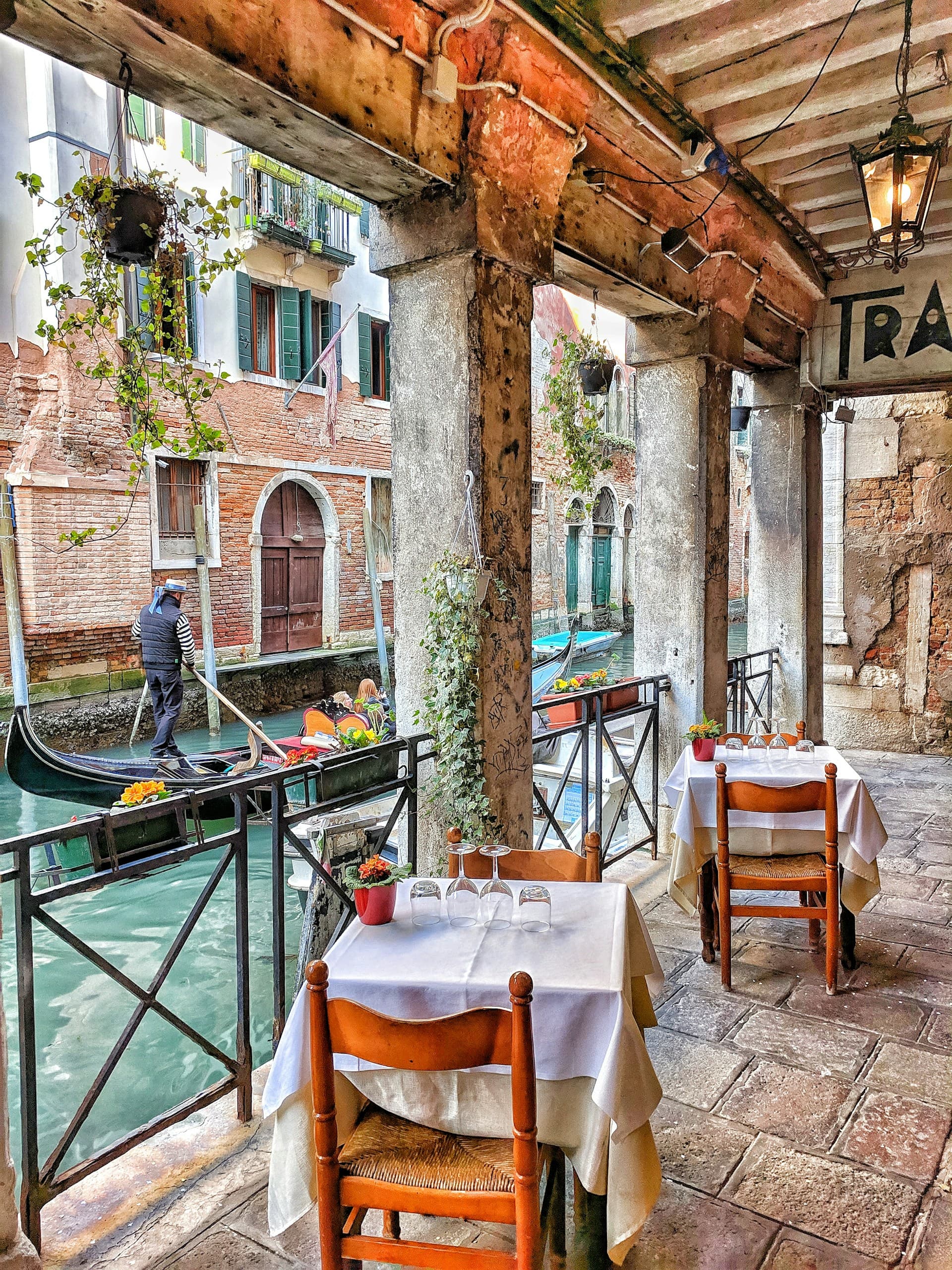
Venice
Venice is famed for its network of canals that turn the city into a living waterway, a setting that has earned it nicknames such as “City of Canals” and “The Floating City.” It lies in northeastern Italy’s Veneto region, spread across a lagoon between the mouths of the Po and Piave rivers. The historic core comprises six sestieri—Cannaregio, Castello, Dorsoduro, San Marco, San Polo and Santa Croce—each threaded by narrow alleys and open to the sea.
Destination
Milan
Milan’s historic Navigli canals, once the lifelines of trade, still define the city’s central pattern. The city lies in northern Italy’s Lombardy region, serving as the regional capital and the seat of the Metropolitan City of Milan. With more than 1.3 million residents in the city proper and a metropolitan population exceeding 6 million, it drives about one‑fifth of Italy’s gross domestic product.

Destination
Moments to look forward to
Roman Forum
A sprawling network of ancient Roman temples, public squares and civic buildings dominates the excavated landscape that stretches across the centre of Rome. The site, known as the Roman Forum, lies in Italy and reveals layers of architecture that reach back roughly two thousand years. Its sheer size and concentration of ruins make it instantly recognizable among the city’s historic fabric.
Attraction
Colosseum
An elliptical arena that once accommodated up to 80,000 spectators dominates the centre of Rome, standing just east of the Roman Forum. Built under Emperor Vespasian in 72 AD and finished by his son Titus in 80 AD, the structure is the largest ancient amphitheatre ever built and the largest standing amphitheatre in the world. It is known today as the Colosseum, a landmark of Italy’s capital.
Attraction
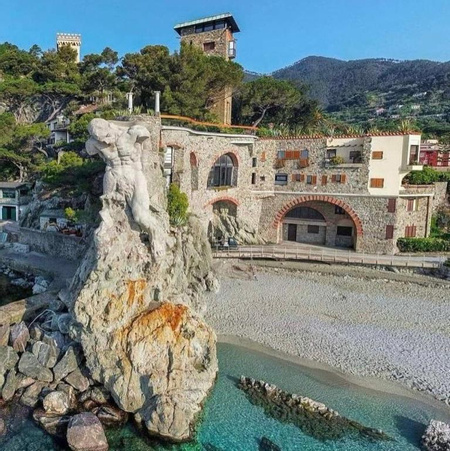
Statua del Gigante
I’m sorry, but I don’t have enough reliable information about Statua del Gigante in Italy to create an accurate travel‑guide profile.
Attraction
Sentiero Azzurro
The trail’s most striking feature is a network of ancient stone walls that still line the hillsides, a legacy of peoples who reshaped the terrain centuries ago. Sentiero Azzurro is a marked footpath that threads through this hilly area in Italy, allowing walkers to follow the same routes once defined by those early builders. The preserved walls give the route a tangible sense of history as the path climbs and descends across the landscape.
Attraction
Monterosso public beach (Fegina)
A compact stretch of sand defines Monterosso public beach on the island of Fegina, Italy, where the shoreline is lined with lounger rentals and a shaded promenade. The beach sits beneath a walkway that offers relief from the sun, while nearby souvenir shops and terrace bars add a lively edge to the modest setting.
Attraction
Tower of Pisa
A lean that has defined its silhouette for centuries draws visitors from around the globe to the Tower of Pisa in Italy. The elaborately adorned structure was erected in the 14th century and reaches 56 meters at its tallest point, standing in the historic centre of Pisa.
Attraction
Piazza della Repubblica
On the historic footprint of Florence’s ancient forum, Piazza della Repubblica spreads out as a city square in the heart of Florence, Italy. Today the space hosts a celebrated literary café and a rotating merry‑go‑round that attract both locals and visitors.
Attraction
Piazza del Duomo
Its dense grouping of three Renaissance landmarks in a single open space draws millions of visitors each year, making the square a focal point of Florence, Italy. Piazza del Duomo occupies the historic heart of the city and serves as the immediate setting for the cathedral, the baptistery and the campanile. The square itself ranks among the most visited places in Europe and the world, and it forms the core of the city’s most frequented district.
Attraction
Spanish Steps
The 135‑step monumental stairway climbs a 29‑metre slope from the bustling Piazza di Spagna to the elevated Piazza Trinità dei Monti, where the twin‑topped Trinità dei Monti church crowns the ascent. In Rome, Italy, the staircase links the French‑styled Spanish Embassy at its base with the French‑patroned church at its summit, creating a striking urban axis.
Attraction
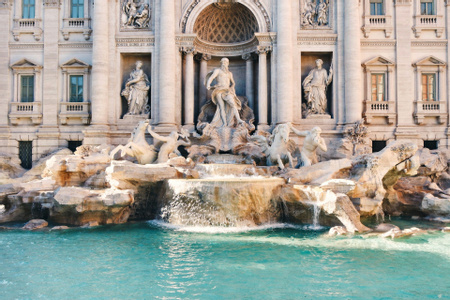
Trevi Fountain
The fountain’s 26.3‑metre height and 49.15‑metre width make it the largest Baroque fountain in Rome, a landmark that dominates the Trevi district of the capital. Completed in 1762, the structure stands as an 18th‑century work of architecture and sculpture, drawing visitors to its dramatic scale and elaborate design. It belongs to Italy and marks a focal point of the city’s historic centre.
Attraction
Pantheon
Its dome, still the world’s largest unreinforced concrete dome, crowns a structure that has stood for nearly two millennia in the heart of Rome, Italy. Built as a Roman temple and consecrated as the Basilica of St. Mary and the Martyrs in the seventh century, the Pantheon combines ancient engineering with continuous religious use. The square before it, Piazza della Rotonda, frames the building’s striking silhouette.
Attraction
Piazza Navona
The elongated oval of Piazza Navona follows the outline of the 1st‑century Stadium of Domitian, turning a former Roman arena into Rome’s most celebrated open square. It occupies the historic centre of the city in Italy and serves as a living stage for Baroque art and urban life.
Attraction
Leonardo Da Vinci Experience Museum
The Leonardo Da Vinci Experience Museum in Italy invites guests to step inside a hands‑on showcase of the Renaissance master’s inventions, displaying working scale models of his flying machines. The exhibition celebrates Leonardo’s talent and presents copies of his most famous paintings, offering a compact yet immersive portrait of his creative range. It is situated in a purpose‑built space that guides visitors through a series of rooms where engineering and art intersect.
Attraction
Nessun Dorma
A terrace that opens directly onto the sea defines Nessun Dorma, a restaurant in Italy. The venue sits on the coastline and welcomes guests with a menu that includes bruschetta, meat and cheese platters, and a selection of wine. Its open-air setting lets diners watch the water while they eat, and the simple focus on classic Italian fare gives the place a clear identity.
Attraction
Port of Vernazza
A narrow inlet frames the pastel houses of Vernazza, creating a harbour that appears to float between sheer limestone cliffs and the Ligurian Sea. The port serves the fishing village of Vernazza, one of the five towns that compose the Cinque Terre on Italy’s north‑west coast. It lies within the Cinque Terre National Park and the UNESCO World Heritage site designated in 1997.
Attraction
Chiesa di San Pietro
The former cathedral of the Republic of Venice still dominates the quiet island of San Pietro di Castello, its 12th‑century campanile rising like a solitary lighthouse over the lagoon. The Chiesa di San Pietro stands on the northern edge of Venice, Italy, and today functions as a parish church within a UNESCO World Heritage site that protects the historic city and its waterways.
Attraction
Grotta di Lord Byron
A rocky cove that bears the name of the English poet Lord Byron draws swimmers to its clear waters. The site lies on the Italian coastline and carries a literary association that sets it apart from ordinary seaside spots. Its reputation rests on both natural appeal and a poetic legacy.
Attraction
Grand Canal
A 3.8‑kilometre waterway that winds through Venice in a reverse‑S shape serves as the city’s principal channel. It links the lagoon near the Santa Lucia railway station with the basin at San Marco, forming the backbone of Venice, Italy.
Attraction
Libreria Acqua Alta
Resident cats weave between the shelves, giving the shop an immediate sense of personality. Libreria Acqua Alta is an offbeat bookstore in Italy that feels both intimate and unconventional, and it draws attention for its abundance of vintage titles and inventive displays. The description of the space emphasizes a cozy atmosphere that invites lingering among the books.
Attraction
Bridge of Sighs
The Bridge of Sighs in Italy is instantly recognizable for its graceful stone arch that once carried condemned prisoners from the Palazzo Ducale to a nearby jail. Its name derives from the sighs reputedly uttered by those crossing the bridge on their final walk. The structure stands as a tangible link between the ducal residence and the city’s historic penal system.
Attraction
Doge's Palace
Rising on the edge of the lagoon and the Piazzetta, the Doge's Palace dominates Venice’s central square with a dual façade that once framed both the Doge’s residence and the Republic’s courts. Built in the Venetian Gothic style, the palace now serves as a museum and forms part of the Fondazione Musei Civici di Venezia network in Italy.
Attraction
Secret Venice Tours
A narrow, unmarked doorway off Campo San Giacomo dell’Orio leads into the first meeting point of Secret Venice Tours, a small‑group experience that uncovers the city’s concealed courtyards, private chapels and artisan workshops. The company operates from the historic sestiere of San Polo, offering routes that slip past the crowds that dominate Piazza San Marco. Founded in 2010 by a former gondolier, the venture blends personal stories with the official narrative of Venice, Italy.
Attraction
Piazza San Marco
The open expanse of Piazza San Marco stretches before the western façade of St Mark’s Basilica, its four bronze horses looming as symbols of Venice’s historic pride and power; a remark attributed to Napoleon once called the square “the drawing‑room of Europe.” This principal public square lies at the heart of Venice, Italy, and together with the adjoining Piazzetta forms the city’s social, religious and political centre.
Attraction
Terrazza del Duomo
The observation deck perched atop the Duomo draws crowds for its unrivaled outlook over the city, making it the most recognizable high point of the cathedral complex. It sits on the roof of the Duomo in Italy, offering visitors a place to step above the streets and take in the urban panorama. Its popularity stems from the clear, sweeping perspective it provides of the surrounding rooftops and landmarks.
Attraction
Galleria Vittorio Emanuele II
Italy’s oldest active shopping arcade crowns the intersection of two of Milan’s most celebrated squares, linking Piazza del Duomo with Piazza della Scala. The Galleria Vittorio Emanuele II stretches across a four‑story double arcade that frames a glass‑vaulted street beneath an arching cast‑iron roof. Named for Victor Emmanuel II, the first king of a unified Italy, it was designed in 1861 and erected by Giuseppe Mengoni between 1865 and 1877.
Attraction
Parco Sempione
Apark whose layout was shaped by Emilio Alemagna, Parco Sempione merges formal gardens with a tower, an aquarium, a theater and a municipal library. It lies in Italy and offers a blend of natural and cultural spaces that few urban parks combine.
Attraction
Duomo di Milano
Its construction stretched across more than six centuries, and the result ranks among the world’s largest cathedrals. The Duomo di Milano rises in the heart of Milan, Italy, as an iconic masterpiece of stone and faith, its silhouette dominating the city’s historic core.
Attraction
Sforzesco Castle
A massive medieval‑Renaissance fortress rises in the heart of Italy, its stone walls recalling centuries of power and art. The structure functions today as a complex of historical museums, while its interiors showcase works by Leonardo da Vinci and Michelangelo, linking the building’s martial past with the Renaissance’s creative brilliance.
Attraction
Incredible Stays


Hotel Recommendation #1
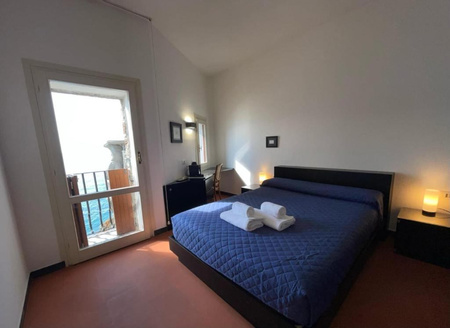
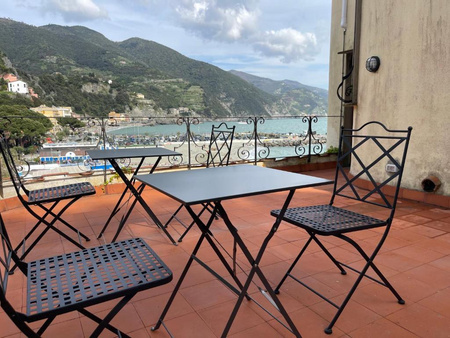
A 9/5 guest-rated stay in Rome.
Hotel Recommendation #2
A 9.5/5 guest-rated stay in Monterosso al Mare.
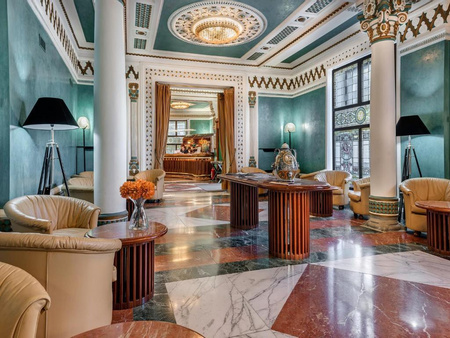
Hotel Recommendation #3
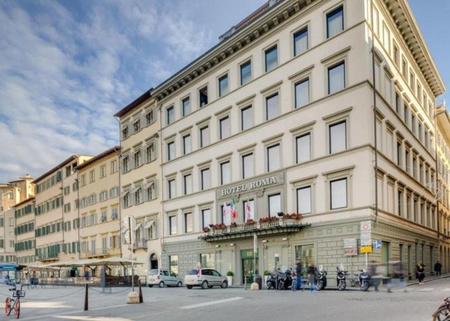
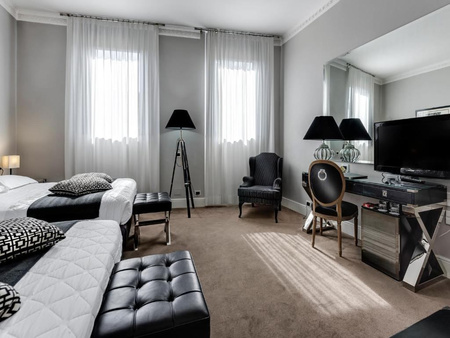
A 8.8/5 guest-rated stay in Florence.
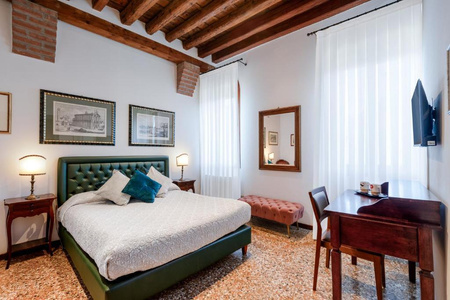
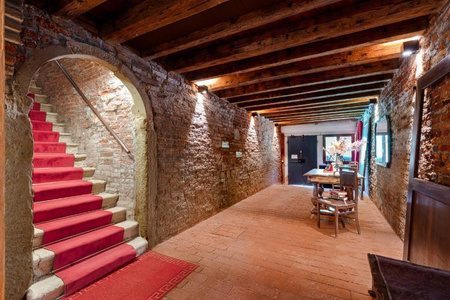
Hotel Recommendation #4
A 9.2/5 guest-rated stay in Venice.
Hotel Recommendation #5
A 8.8/5 guest-rated stay in Milan.
Curated to you
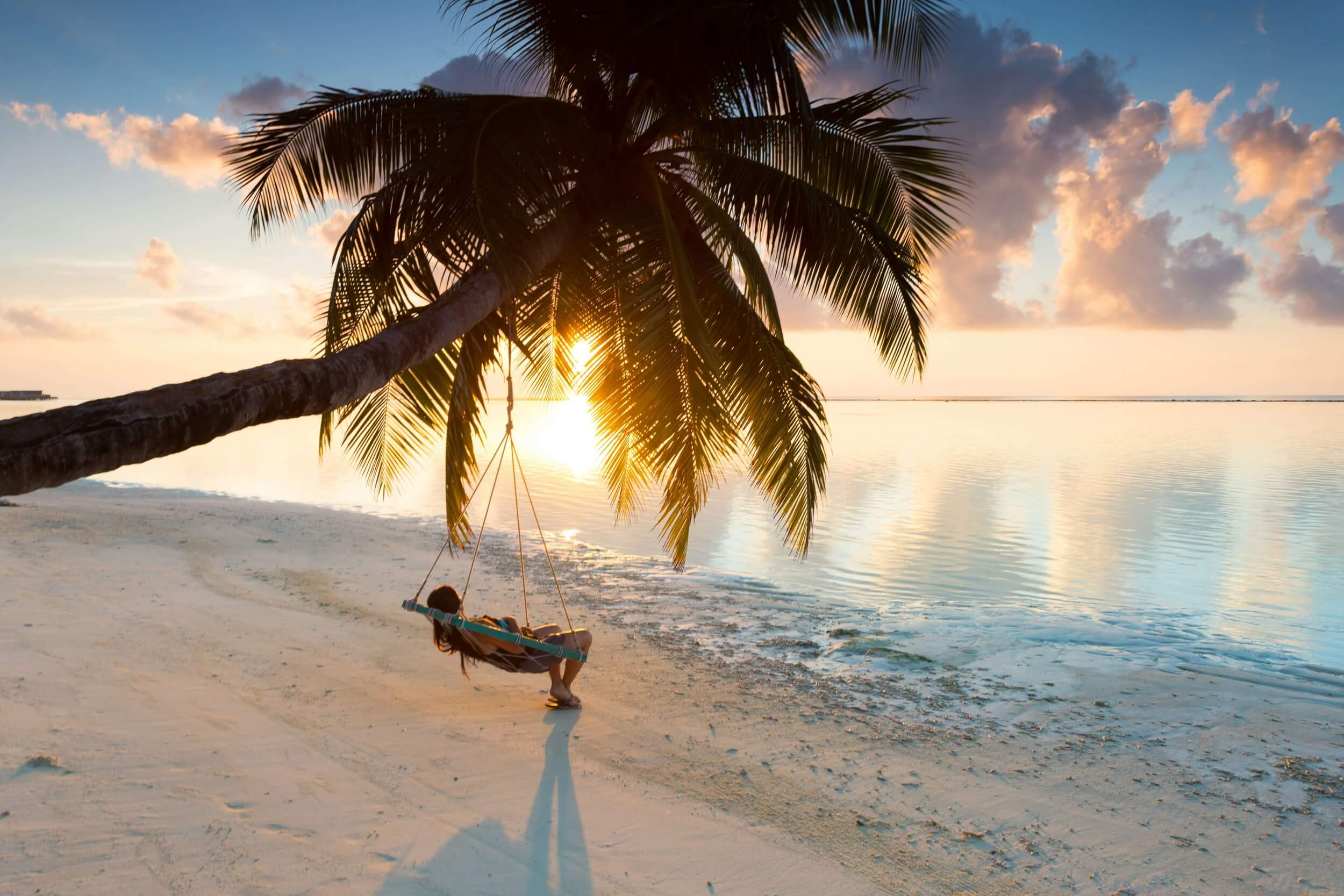
Insider-led Italy Design & Concierge
Your insider team designs the trip around what you care about, then supports you in-country with private logistics, vetted partners, and concierge help when plans change.