Teotihuacan
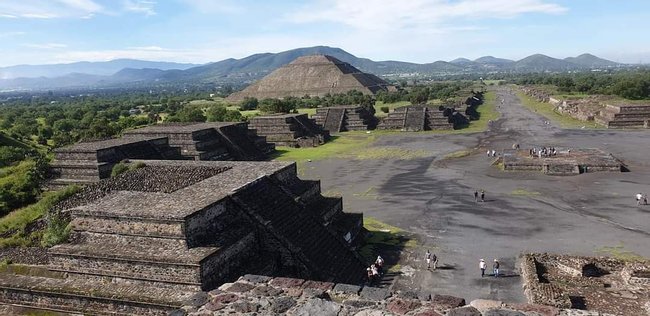
The twin pyramids that dominate the horizon, the Pyramid of the Sun and the Pyramid of the Moon, mark the ancient city of Teotihuacan. Located in a sub‑valley of the Valley of Mexico about 40 kilometers northeast of Mexico City, the site lies in the State of Mexico, Mexico, and was declared a UNESCO World Heritage Site in 1987.
The Avenue of the Dead stretches for several kilometres, flanked by platforms that once supported towering temples; at its northern end the Pyramid of the Moon rises, while the Sun Pyramid commands the southern end of the plaza, both built of stone and faced with plaster that once gleamed in the desert sun. Nearby, multi‑family residential compounds reveal stacked apartments accessed by narrow stairways, and many walls preserve well‑preserved murals depicting stylised deities and daily life. Scattered obsidian tools show that workshops produced blades that were exported throughout Mesoamerica.
Archaeologists estimate that at its height between the first and fifth centuries CE the city housed between 25 000 and 100 000 residents, making it the largest settlement in the Americas and possibly the sixth‑largest worldwide. Construction began around 100 BCE and continued until roughly 250 CE; the monumental buildings were sacked and burned around 550 CE, an event some scholars link to the extreme weather of 535–536. The Aztecs later encountered the ruins, claimed ancestral ties, and incorporated elements of its art and religion.
Today the Sun Pyramid, rising 65 metres above the plaza, offers a concrete sense of the urban power that once shaped central Mexico.
Teotihuacan itineraries
Explore hand-picked Teotihuacan itineraries designed by local insiders who know every hidden corner. Each trip is completely flexible, customized to your pace, travel style, and budget.
5 days · Mexico City
Friends
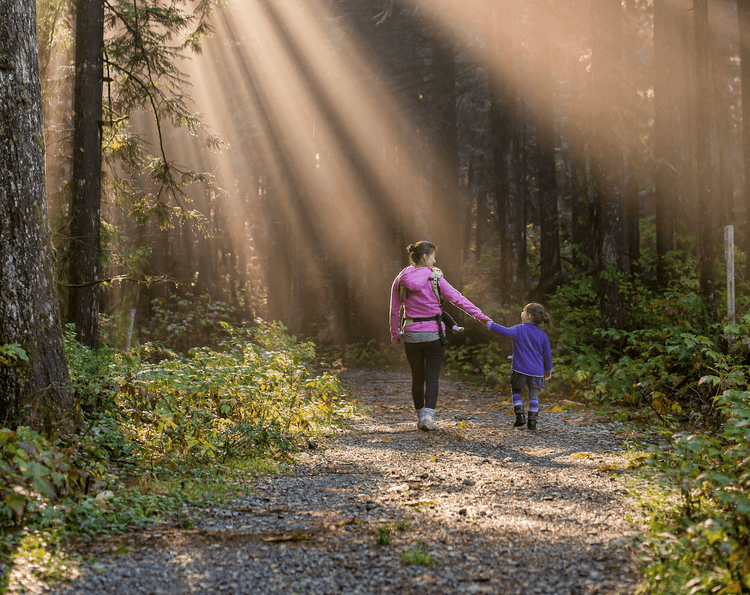
Linda and her mother spent five days between the City of the Gods and the canals and plazas of Mexico City’s south. They walked Teotihuacan’s Avenue of the Dead ahead of the crowds, floated Xochimilco by trajinera, and finally reached the Frida Kahlo Museum, a visit Linda had waited more than ten years to make. A basilica and a castle that were never on the plan joined the Mexica and Maya halls at the Museum of Anthropology, and Linda summed it up: “I couldn’t have asked for a better trip.”
Mexico
