SUMOLAND TOKYO RYOGOKU
The park’s wave pool, large enough to generate a surf‑like swell on a midsummer afternoon, defines Sumoland Tokyo Ryōgoku as the only indoor‑outdoor water complex built directly on the Sumida River’s floodplain. It occupies a former industrial site in Ryōgoku, Sumida Ward, and operates under the Seibu Group since its opening in 1995. The attraction offers a mix of heated indoor pools, a 1,200‑square‑metre wave pool, and a series of concrete and fiberglass slides that wind around a central tower.
Hakone
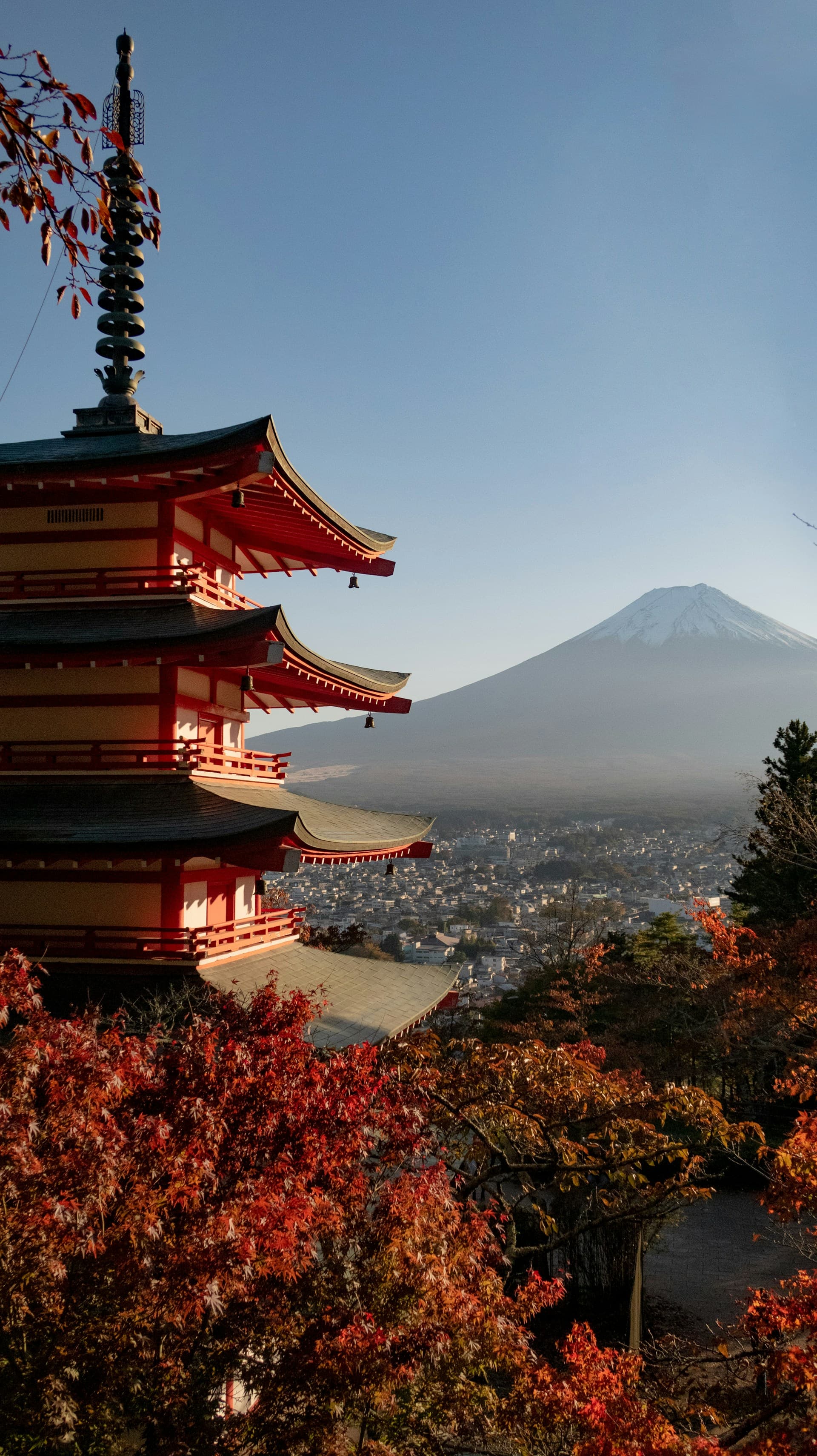
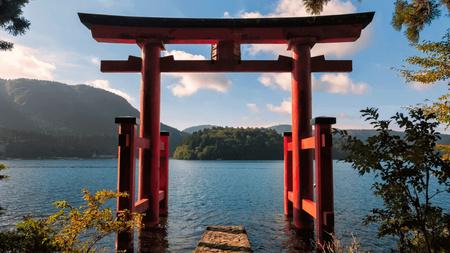
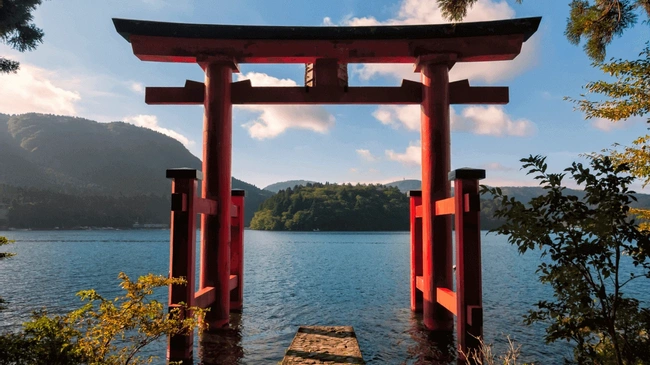
Hot springs that frame a view of Mount Fuji define Hakone, a spa town in Kanagawa Prefecture, Japan. The town lies on the eastern side of the historic Hakone Pass and falls largely within the volcanically active Fuji‑Hakone‑Izu National Park. With a population of just under 11,000, Hakone combines natural scenery with a legacy of travel and pilgrimage.
Hiroshima
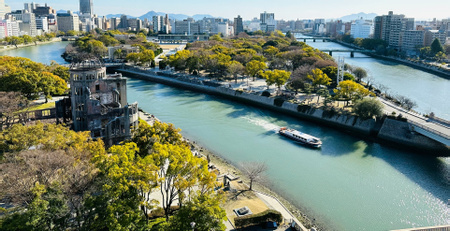
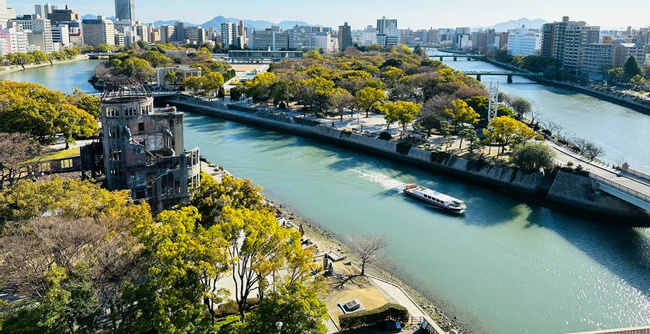
The city’s most recognizable landmark is the Hiroshima Peace Memorial, a UNESCO World Heritage Site that marks the exact spot where the atomic bomb detonated on 6 August 1945. Hiroshima lies on the delta of the Ōta River in western Honshu and serves as the capital of Hiroshima Prefecture, Japan. With a population of just under 1.2 million, it has rebuilt itself into the largest urban centre of the Chūgoku region.
Nara
Ancient capital Nara preserves a cluster of eight historic temples and shrines that together form a UNESCO World Heritage Site. The city lies in the northern part of Nara Prefecture, directly bordering Kyoto Prefecture on the north and Mie Prefecture on the east. With an estimated population of 367,353 in 2022, it ranks as the largest city in the prefecture and the sixth‑largest in the Kansai region.
Takayama
The historic old quarter of Takayama, where rows of Edo‑era merchant houses line a riverfront, draws visitors for its preserved streets and seasonal festivals. Takayama is a city in northern Gifu Prefecture, Japan, set in the heart of the Japanese Alps. With a population of about 82,000, it covers more than 2,100 km², making it the largest municipality by area in the country. The city’s isolation at high altitude has allowed a distinct local culture to develop over three centuries.
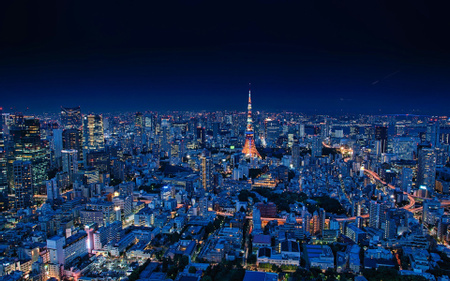
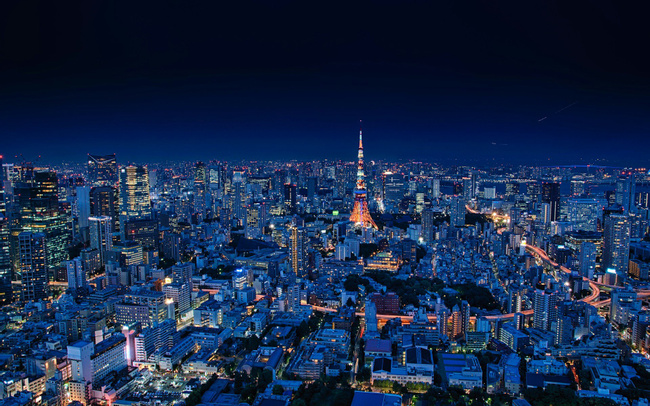
Tokyo
Tokyo Skytree rises as the world’s tallest tower, dominating the skyline of the capital of Japan. The metropolis lies at the head of Tokyo Bay in the Kantō region on Honshu’s central coast, and its 23 special wards form the historic core. With more than 14 million residents in the city proper in 2023, it ranks among the most populous urban areas worldwide.
Osaka
Dominating the city’s skyline, Osaka Castle rises from a low‑lying plain that once served as a regional port and briefly as an imperial capital. The city lies in the Kansai region of Honshu, Japan, and functions as the capital of Osaka Prefecture. With an estimated 2.8 million residents in 2025, it forms the core of the Keihanshin Metropolitan Area, the second‑largest urban agglomeration in the country.
Kyoto
Kyoto's landscape is dominated by a dense network of over 2,000 religious sites, a legacy of its eleven centuries as Japan's imperial capital. The city lies in the Kansai region on Honshu, serving as the capital of Kyoto Prefecture in western Japan. With a population of 1.46 million in 2020, it anchors the Greater Kyoto metropolitan area of roughly 3.8 million people.
Browse some of our favorite itineraries
Get excited and browse our selection of our favorite hand made tours including Italy. From romantic honeymoons to family-fun; these are completely flexible and arranged to your needs.
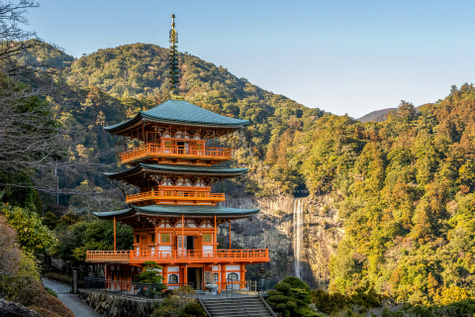
Tokyo to the Kumano Kodo
Countless experiences in an adventurous albeit safe environment!! Good for all ages and almost whatever you want to experience.
Japan
Sakura & Samurai Family Journey
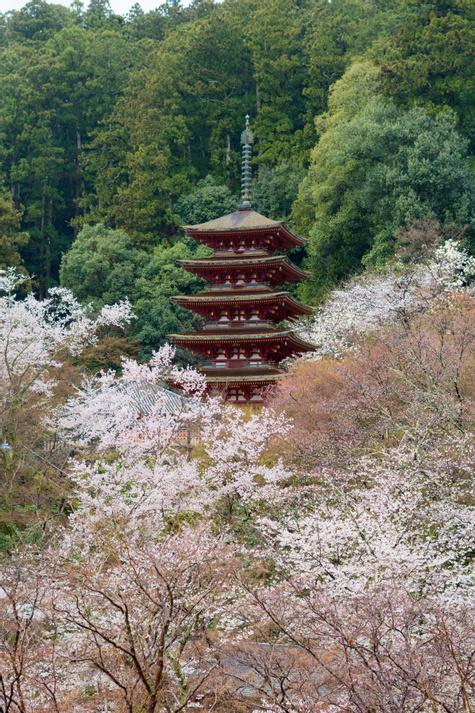
Embark on a vibrant family adventure that juxtaposes Tokyo’s neon energy with Kyoto’s timeless serenity, weaving together modern marvels and ancient samurai heritage. Travel from bustling Shibuya streets to serene Kiyomizu‑dera, explore cherry‑blossom lined parks, glide along the Sumida River, and discover Kyoto’s bamboo groves and tea houses. Friendly local guides and artisans will share stories, craft lessons, and culinary delights, leaving your family with lasting memories of Japan’s warm hospitality and cultural depth.
Japan
Spring Odyssey Through Japan
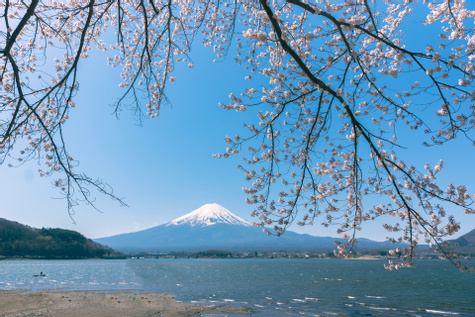
Spring‑time odyssey across Japan, where tranquil hot‑springs meet towering peaks and vibrant cityscapes, creating a contrast of serenity and energy. You’ll unwind in Hakone’s volcanic valleys, gaze at Mt. Fuji over Lake Kawaguchi, explore Kyoto’s historic temples and gardens, then dive into Tokyo’s buzzing Shibuya district and Miyashita Park. Guided by knowledgeable locals, you’ll savor seasonal cuisine, soak in onsen waters, and return home with a blend of peaceful reflection and exhilarating urban memories.
Japan