
Food and Drink in Panama
Panamanian food tends to rely heavily on rice, beans, red meat, chicken, pork, and fish. Many vegetables grow poorly in the tropics, so travelers are unlikely to encounter a variety of veggies unless dining at a fancy restaurant.
Yuca and plantains are the most common vegetables in meals. Yuca is a root vegetable that’s typically deep-fried and served in small cubes. Plantains are even more common. Similar to bananas, plantains are served either as platános maduros (ripe plantains) or patacones (green plantains). Most are cut into discs and then fried and pressed. Mixed with salt, pepper, and maybe some salsa, these can be quite tasty.
The people and culture of a country can't help but be reflected in their cuisine, and this is especially true of Panama — a country always ready to serve heaping platefuls of hearty meals to family and friends. Rice and beans are served alongside nearly everything, but are prepared in a variety of ways using different spices and herbs. They are healthy and hearty and a staple of the Panamanian diet.
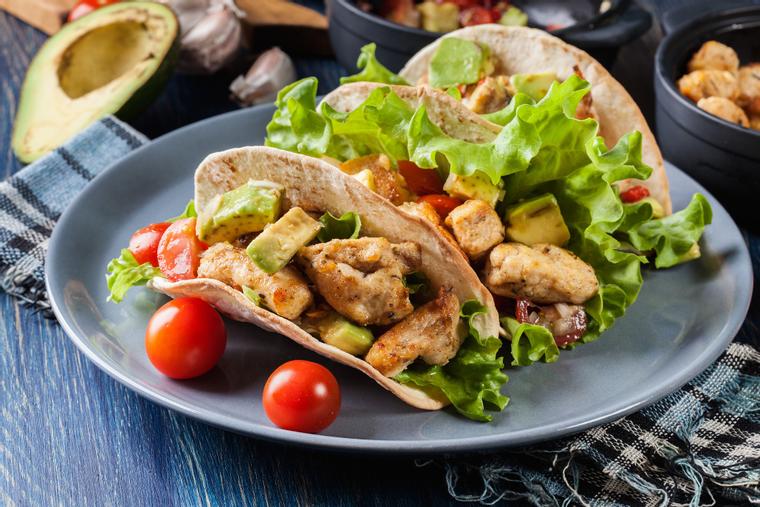
What is traditional Panamanian food?
Traditional Panamanian food is built on rice, beans, plantains and meat or fresh fish, cooked simply and served generously. Breakfast often means eggs, meat, fried tortillas and coffee; lunch and dinner pair chicken, beef, pork or fish with rice and beans, yuca and patacones (twice-fried green plantain). Dishes to look for:
- Sancocho, the classic chicken stew with yuca and herbs
- Arroz con pollo, on almost every menu
- Ropa vieja, shredded beef served over rice
- Corvina ceviche, and whole fried fish with patacones on the coast
- Coconut rice and spicier, coconut-based cooking on the Caribbean side
Everyday cooking is served in fondas, small counter restaurants. At the other end of the scale, Panama City is a UNESCO Creative City of Gastronomy, where chefs reinterpret these same ingredients; your Panama Insider can book the tables worth planning an evening around.
Seafood & Meat
Panama has excellent seafood, a result of its fantastic coastline and a variety of beachside destinations. One of the most common types, corvina, is also one of the best. Corvina is a type of sea bass that’s usually served a la plancha (grilled) or as ceviche (raw and marinated in lime juice). Ceviche of all types – including octopus and shrimp – is very common in Panama. Other seafood includes red snapper (pargo rojo), crab (cangrejo), shrimp (camarones), squid (calamares), octopus (pulpo), and lobster (langosta).
The meat in Panama typically comes in the form of bistec (steak), carne asado (roast meat), pollo (chicken), puerco (pork), or ropa vieja (literally,'old clothes'), which is spicy, shredded beef served over rice. And nearly all Panamanians have a fondness for sancocho, a hearty and spicy stew that’s usually made with chicken and vegetables.
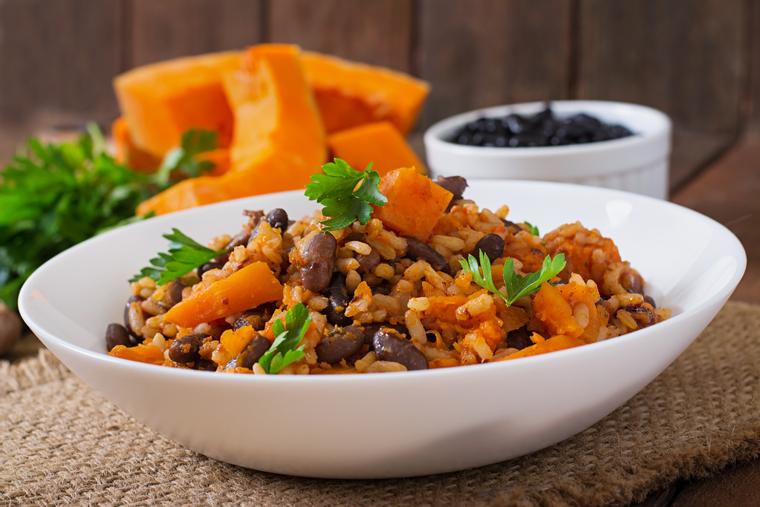
Fruits, Vegetables, & Vegetarians
Vegetarians and vegans should have no problem with Panamanian cuisine. Although meat is featured prominently in most meals, rice and beans are staples and can be ordered nearly everywhere. Fruit is also plentiful and includes tropical varieties such as pineapples, papayas, mangoes, melons, and passion fruit. Vegetarians and vegans should note, however, that meatless Panamanian meals can still contain meat products — the soups may be made from a meat stock, and plantains or yuca may be fried in lard.
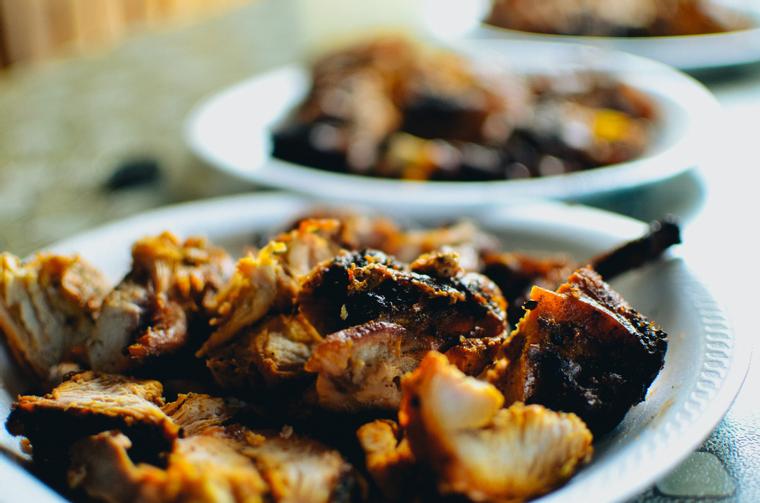
Dining Out
Panama City has all kinds of restaurants and many different types of food. Outside the city, however, country fare takes over and the menu is similar wherever you go. The exception to that rule is the nation's Caribbean region, where the food tends to be spicier and made with coconut milk. Average Panamanian restaurants are known as fondas, hole-in-the-wall places that serve plates of hot, readily made food. Cafeteria settings are also common, and allow you to pick and choose what you want. This kind of meal can cost as little as US$4.
The best way to enjoy local cuisine and Panama's spectacular beach destinations...
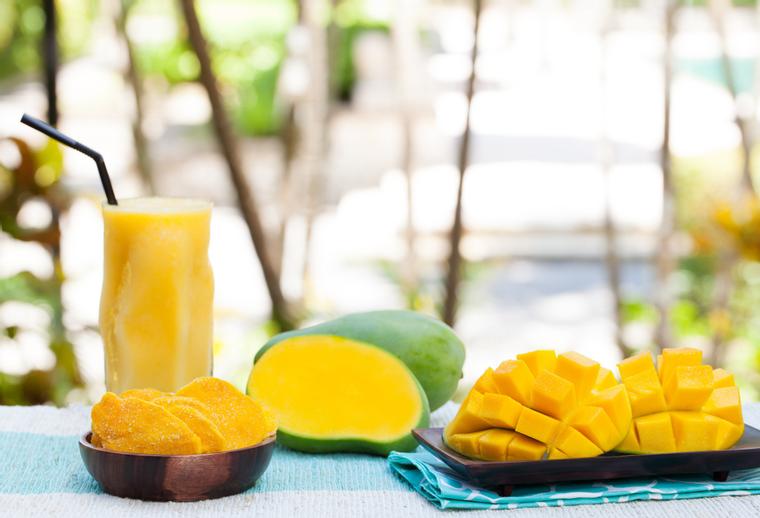
Beverages
An abundance of tropical fruit translates into an abundance of tropical juice, and it isn’t hard to find fresh, flavorful juice throughout Panama. It’s common for fresh fruit juice to be mixed with sugar and milk or water. Known as a chicha, this type of juice includes flavors such as piña (pineapple), fresa (strawberry), sandía (watermelon), mango (mango), melón (melon), and tamarindo (tamarind). Another national nonalcoholic drink is chicheme, a concoction of milk, sweet corn, vanilla and cinnamon. Coffee is found throughout the country and is quite good. In some places — including Panama City , Boquete , and Bocas del Toro — you can find espresso and cappuccinos.
Panama’s national spirit is seco, above all Seco Herrerano: a clear sugarcane spirit made by Varela Hermanos in Herrera province and most popular in rural areas, where it is often mixed with milk. The same family distillery makes Ron Abuelo, the aged Panamanian rum worth bringing home. Beer is still the nation's favorite drink: local lagers such as Atlas and Balboa are light and inexpensive, and Mexican and American brands are easy to find. Wine is mostly imported from Chile, Argentina and Spain, and the better restaurants and bars in Panama City now keep good lists. Whether you choose an ice-cold fruit drink or an ice-cold beer, you'll find both equally refreshing after a day at the beach surfing .
Related Travel Guides
- Crime and Safety in Panama
- Environmental Issues in Panama
- Food and Drink in Panama
- Getting Around in Panama
- Getting to Panama
- Holidays and Festivals in Panama
- Indigenous People of Panama
- Money in Panama
- Music and Art in Panama
- Panama Entry Requirements
- Panama's Story of Pirates, Colonialism, and Independence
- Panama Surfing Guide
- The Profound History of Panama
Panama itineraries from local insiders
Explore hand-picked Panama itineraries designed by local insiders who know every hidden corner. Each trip is completely flexible, customized to your pace, travel style, and budget.
A Beautiful Vacation Beyond Our Expectations
It was a beautiful vacation.
Panama
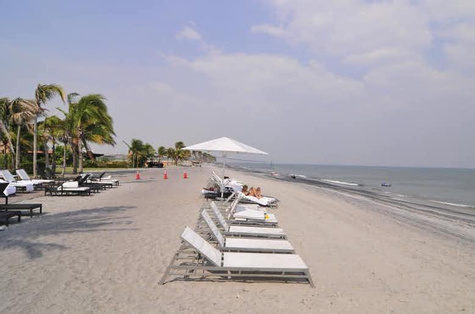
A Spring Surf and Sun Getaway
Beautiful place. Everyone we interacted with was so helpful, kind, and patient. They made us feel at home.
Panama
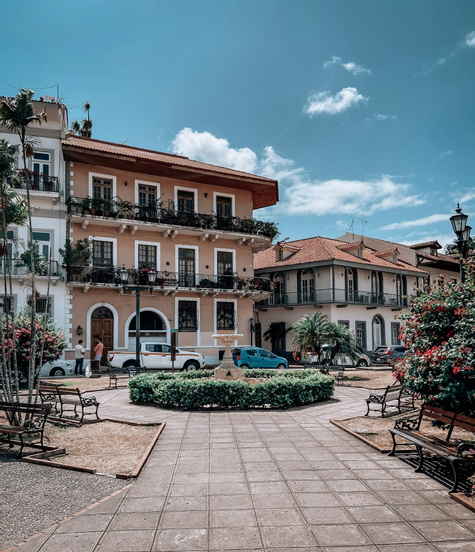
A Birding Journey in The Tropics
Grab your binoculars and your guidebook! You're about to check a variety of beautiful birds off of your list in the rainforests and cloud forests of Panama.
Panama
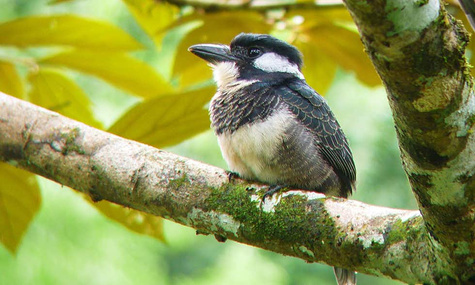
A 'Friend-Ship' Sails to Panama
From wild nights in Panama city to beaches and brews in Bocas del Toro, awesome adventures and amazing memories are waiting for you and your friends in Panama.
Panama
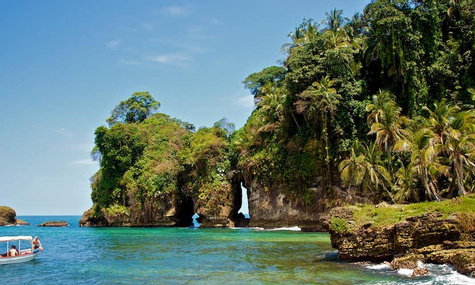
Exploring Panama at The Pace of You
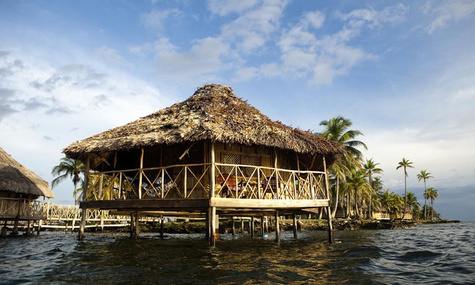
Take yourself on a grand getaway in paradise full of Caribbean cuisine, cultural exchanges, and exciting adventures. It’s as simple as booking this Signature Trip to Panama.
Panama
Canal, Beach, & Nature = Family Fun
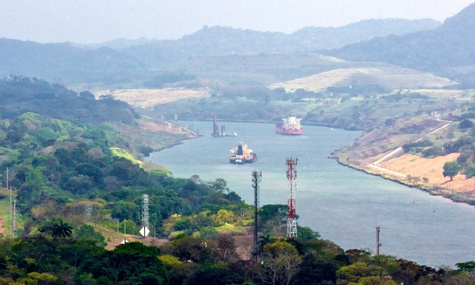
This vacation, do a little of everything when you explore the city, forest, and beach on this awesome family getaway to Panama. Nature and knowledge await you.
Panama
Coming Solo, Leaving with Memories
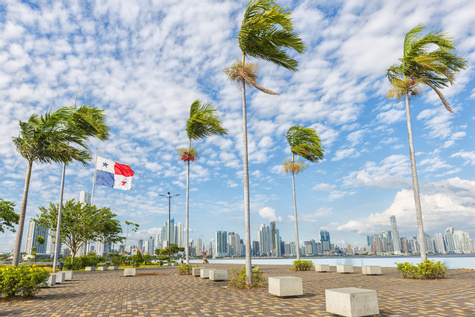
Walk through local markets; go on long hikes; soak in a hot spring; this is your vacation, your way. Explore Panama at your own pace with this spectacular getaway for one.
Panama
A 'Best Of' Panama Family Adventure
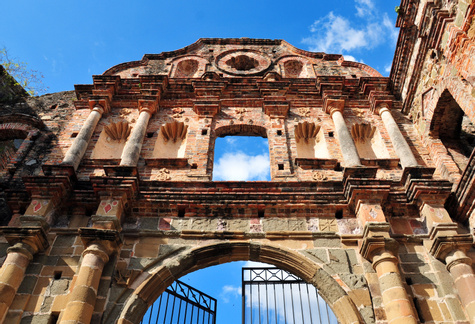
This family adventure is a trip to paradise complete with magical forests, stunning beaches, marine wildlife, vibrant cities, and memories waiting to be made. Welcome to Panama.
Panama
Exploring Panama Together
This vacation, learn about the vibrant country of Panama as you explore its cities, forests, and even island beaches first hand. Go somewhere new –– together.
Panama
Traveler's Secret Paradise: Panama
You and your friends are about to head for one of Central America’s best kept secrets. Beyond the famous canal, Panama's city and beaches offer plenty of cool times on hot nights.
Panama