
Crime and Safety in Panama
Yes. The U.S. State Department rates Panama Level 2, "Exercise Increased Caution," in the advisory it renewed on August 19, 2026, the same level as Costa Rica and Belize. The main risk for visitors is petty theft, tap water is safe in most of the country, and the only Do Not Travel areas are remote: the Mosquito Gulf coast and parts of the Darién near Colombia.
Reviewed by Erick Pinell, Local Insider ·
Is Panama safe to visit?
Yes, for most travelers. Panama's Level 2 rating is about crime, and the crime the State Department describes is mostly opportunistic: pickpocketing and purse snatching in tourist areas, and occasional residential break-ins, especially around the holidays. Serious violence is largely between drug gangs; the UK government notes targeted gang killings, some in tourist areas, mostly among rival gang members.
The places most visitors go, including the Canal and Casco Viejo in Panama City , Boquete, the Pearl Islands, Bocas del Toro and the San Blas Islands, are outside the two Do Not Travel zones. The other thing to watch is protests: large demonstrations can block roads and airport access with little notice, as they did in Bocas del Toro in May and June 2025. Tap water is safe in most of the country, and Panama City has good private hospitals.
Where is crime a problem in Panama?
In a handful of city neighborhoods and two remote regions. In Panama City, the UK government lists San Miguelito, El Chorrillo, Río Abajo, 24 de Diciembre, Santa Ana and Juan Díaz as higher-crime areas, and warns of muggings around Albrook Mall, Vía España, Avenida Central, Calidonia, Casco Viejo and the Panamá Viejo ruins. Casco Viejo is patrolled and lively, but take a registered taxi at night rather than walking between neighborhoods.
The city of Colón is known for muggings; visit on a tour or with a driver, not on foot. The State Department says Do Not Travel to the Mosquito Gulf, a remote stretch of Caribbean coast between Alligator Creek and Coclé del Norte, or to the Darién south of Jaque, Manene, Yaviza and Lajas Blancas to the Colombian border, including Lajas Blancas and El Salto, because of drug trafficking and human-smuggling networks.
What should I do in an emergency in Panama?
Dial 911 for police, ambulance or fire; it is Panama's national emergency number. You can also reach the police directly on 104 and the fire brigade on 103. If an ambulance is slow to arrive in Panama City, a taxi to the nearest private hospital can be faster.
U.S. citizens can call the U.S. Embassy on 317-5000 (+507 317-5000 from abroad) and follow the prompts for emergencies. If you are the victim of a crime, report it to the police before you leave the country; the UK government warns that the police may not investigate otherwise. Most embassies, including those of Canada and the UK, are in Panama City.
Is it safe to drive in Panama?
Mostly, if you're comfortable with aggressive city traffic, though many visitors prefer a driver. Panama City traffic is heavy, signs are scarce even at busy intersections, and roundabouts are common. Outside the city, rural roads can be poorly maintained and unlit, and roadside assistance is limited, so avoid driving at night. On Bocas del Toro and the San Blas Islands you won't need a car at all.
In Panama City, the Metro is a practical way to cross town; watch for pickpockets on buses and at bus stations. For airport runs and longer drives, private transfers take the guesswork out.
Do I need vaccines or malaria pills for Panama?
No vaccine is required if you fly in from the United States, but the CDC recommends several, and malaria pills for much of the country outside the capital. Keep routine shots, including measles (MMR), current, and ask your doctor about hepatitis A, hepatitis B and typhoid, which the CDC recommends for most travelers.
For malaria, the CDC recommends prescription medicine for the provinces of Bocas del Toro, Chiriquí, Colón, Darién, Panamá, Panamá Oeste and Veraguas, and the Guna Yala, Emberá and Ngäbe-Buglé comarcas. There is no malaria in Panama City or the Canal Zone. Yellow fever vaccine is recommended only for mainland areas east of the Canal Zone, such as the Darién, not for Panama City, the Canal Zone, western Panama, the Pearl Islands or the San Blas Islands. Rabies is present in bats, so discuss that shot if you'll be in caves or remote jungle. See a travel-medicine clinic at least a month before you go.
Are there many mosquitoes in Panama?
Not many in Panama City, more in the countryside. Mosquitoes are rarely a problem in the capital, but they can be a nuisance in rural areas, especially along the rainier Caribbean coast. They matter because they carry dengue, which the CDC lists for Panama, and malaria in the provinces above.
Use an EPA-registered repellent such as DEET or picaridin, wear long sleeves and trousers in the evening and in the forest, and sleep in rooms with screened windows, air conditioning or a mosquito net.
Are there many insects in Panama?
Yes, it's a tropical country, but with repellent they're manageable. The ones visitors notice most are chitras, tiny sand flies that bite ankles and feet on some beaches and are worse in the rainy season; repellent plus socks and shoes keep them off. In grassy fields, chiggers (tiny mites) can bite, so spray repellent on your clothes, especially trousers, when you hike.
Panama also has tarantulas and other large spiders, scorpions, and some aggressive ants and bees in the forest. Shake out clothes and shoes before putting them on, look before you grab a tree trunk, and leave anything you find alone.
Are there many snakes in Panama?
Panama has snakes, including venomous ones, but it's rare to see one on a hike. The most dangerous is the fer-de-lance (Bothrops asper), known locally as equis or terciopelo; coral snakes also live in the forests. Be careful around piles of dry leaves, fallen trees and rocks, stay on the trail, and let your guide lead.
If someone is bitten, keep them still and calm and get to a hospital as fast as possible. Don't cut the wound, suck out venom or apply a tight tourniquet: the WHO says those methods are dangerous and don't work.
Are national parks and reserves safe in Panama?
Yes, by and large. Pumas and jaguars steer clear of people, and monkeys, birds and frogs pose no threat. The wildlife to watch is small: spiders, scorpions and snakes like the fer-de-lance, so stay on the trail and don't rummage in leaf piles.
The bigger risk is getting lost. The UK government advises hiking the hills around Boquete and Chiriquí with an experienced guide: trails may be poorly marked, phone coverage is unreliable, and tourists have gone missing and died hiking alone. In the Darién , where large areas are Do Not Travel under the U.S. advisory, go only with a professional operator to places outside that zone, and check the current advisory before booking.
Is the water safe to drink in Panama?
Yes, in most of the country. The UK government says tap water is safe to drink in most of Panama, including Panama City , so tap water, ice and fresh fruit drinks are fine in the city and the main towns.
The exceptions are rural and island areas, where the supply can be contaminated. In Bocas del Toro , the San Blas Islands and other islands, drink bottled or filtered water and follow your hotel's advice. And don't swim in the Bay of Panama along the city waterfront: the UK warns it is polluted with untreated sewage and industrial waste.
Is it safe to eat the local fruits and vegetables in Panama?
Yes. Panama grows a wide range of tropical produce, from mangoes, papaya, pineapple and passion fruit to plantains, yuca, squash and corn, and you'll find it at markets and roadside stands across the country. Because tap water is safe in Panama City and most towns, salads and fresh fruit at good restaurants there are generally fine.
In rural areas and on the islands, where water quality is less certain, follow the CDC's advice for such places: eat fruit you peel yourself and cooked vegetables. For what to order, see our guide to Panamanian food and drink .
If I need medicine, can I easily get it in Panama?
Yes. Pharmacies are found throughout Panama, from large chains in Panama City to small local shops, and most everyday medicines are inexpensive, often with a generic alternative if your brand isn't stocked. Some drugs, including antibiotics, sleeping pills and strong painkillers, are not sold over the counter.
Bring enough of your own prescription medication for the whole trip, in its original packaging with a copy of the prescription, plus a spare pair of glasses. For island and jungle days, pack a small first-aid kit with repellent, bandages and anti-diarrheal tablets.
What are the medical facilities like in Panama?
Good in Panama City, limited elsewhere. The capital has good private hospitals and clinics; outside it, the UK government says medical facilities are limited, and Canada notes that the quality of public hospitals varies greatly. Larger cities such as David have hospitals, and smaller towns have health centers and clinics, but serious problems should be treated in Panama City .
Expect to pay up front, sometimes in cash. Travel insurance with medical evacuation cover is worth having, especially for the San Blas Islands, the Darién or Bocas del Toro, where a well-equipped hospital may be a flight away.
Is it safe to swim in the ocean in Panama?
It depends on the beach. Most tourist beaches have safe spots to swim, but Panama's beaches rarely have lifeguards or warning signs, both coasts have strong currents and undertows, and the UK government notes that people drown every year. What makes Panama good for surfing can make a beach poor for swimming.
The calmest water is usually around the San Blas Islands (Guna Yala), Isla Contadora in the Pearl Islands and most of Bocas del Toro. Ask locally before you swim, stay within your depth where waves break, and never swim alone. Skip the polluted Bay of Panama off the city waterfront.
Is it easy to get a sunburn in Panama?
Yes. Panama lies between about 7 and 10 degrees north of the equator, far closer than sunny Texas or California, and the CDC says UV exposure is highest near the equator and between 10 a.m. and 4 p.m. Water and sand reflect the sun back at you, so fair skin can burn quickly on the beach or a boat.
Wear a broad-spectrum sunscreen of SPF 30 or higher and reapply after swimming, and add a hat, sunglasses and a shirt for boat days to the San Blas or Pearl Islands. Drink plenty of water and take breaks in the shade.
What are the safest places to visit in Panama?
The places most visitors go are also among the calmest:
- Panama City: the Canal, Casco Viejo, Panamá Viejo and the Amador Causeway are busy and patrolled; stay in the main areas and take registered taxis at night.
- Boquete : a mountain town of coffee farms and trails with a large expat community; hike with a guide.
- Coronado: a developed beach town west of the capital, popular with Panamanian weekenders.
- Bocas del Toro: laid-back islands that attract some con artists and pickpockets; book tours through established companies.
- The San Blas and Pearl Islands: remote and quiet; the main risks are sun, sea and distance from a hospital.
Wherever you go, leave flashy jewelry at home, carry a copy of your passport, use ATMs inside banks or malls, and don't leave your address on luggage tags. Accept guide services only from established companies.
Related Travel Guides
- Crime and Safety in Panama
- Environmental Issues in Panama
- Food and Drink in Panama
- Getting Around in Panama
- Getting to Panama
- Holidays and Festivals in Panama
- Indigenous People of Panama
- Money in Panama
- Music and Art in Panama
- Panama Entry Requirements
- Panama's Story of Pirates, Colonialism, and Independence
- Panama Surfing Guide
- The Profound History of Panama
Panama itineraries from local insiders
Explore hand-picked Panama itineraries designed by local insiders who know every hidden corner. Each trip is completely flexible, customized to your pace, travel style, and budget.
A Beautiful Vacation Beyond Our Expectations
It was a beautiful vacation.
Panama
A Spring Surf and Sun Getaway
Beautiful place. Everyone we interacted with was so helpful, kind, and patient. They made us feel at home.
Panama
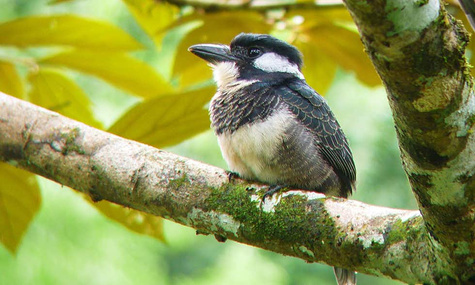
A Birding Journey in The Tropics
Grab your binoculars and your guidebook! You're about to check a variety of beautiful birds off of your list in the rainforests and cloud forests of Panama.
Panama
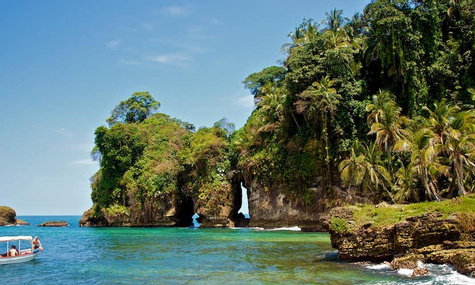
A 'Friend-Ship' Sails to Panama
From wild nights in Panama city to beaches and brews in Bocas del Toro, awesome adventures and amazing memories are waiting for you and your friends in Panama.
Panama
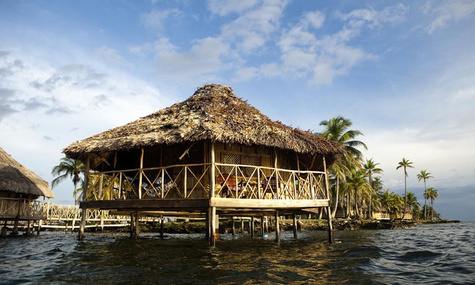
Exploring Panama at The Pace of You
Take yourself on a grand getaway in paradise full of Caribbean cuisine, cultural exchanges, and exciting adventures. It’s as simple as booking this Signature Trip to Panama.
Panama
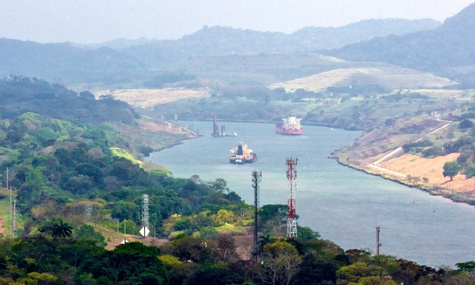
Canal, Beach, & Nature = Family Fun
This vacation, do a little of everything when you explore the city, forest, and beach on this awesome family getaway to Panama. Nature and knowledge await you.
Panama
Coming Solo, Leaving with Memories
Walk through local markets; go on long hikes; soak in a hot spring; this is your vacation, your way. Explore Panama at your own pace with this spectacular getaway for one.
Panama
A 'Best Of' Panama Family Adventure
This family adventure is a trip to paradise complete with magical forests, stunning beaches, marine wildlife, vibrant cities, and memories waiting to be made. Welcome to Panama.
Panama
Exploring Panama Together
This vacation, learn about the vibrant country of Panama as you explore its cities, forests, and even island beaches first hand. Go somewhere new –– together.
Panama
Traveler's Secret Paradise: Panama
You and your friends are about to head for one of Central America’s best kept secrets. Beyond the famous canal, Panama's city and beaches offer plenty of cool times on hot nights.
Panama