Archeological Sites in Peru
In some ways, Peru is synonymous with archaeology. Fantastic archaeological sites - the remnants of ancient civilizations that once flourished here - are scattered across the country. The most famous of these is undoubtedly Machu Picchu, the fabulous stone city built by the Inca, but there are all sorts of other sites for travelers to visit as well. These include pyramids, temples, tombs, ceremonial courtyards, and more...
33 Archeological Sites in Peru
The places our local insiders recommend most come first.
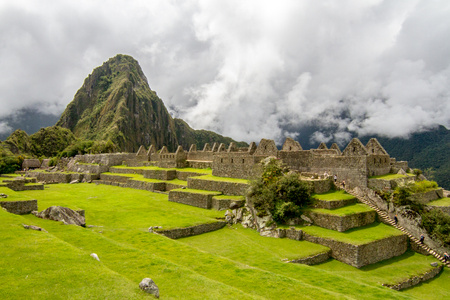
Machu Picchu
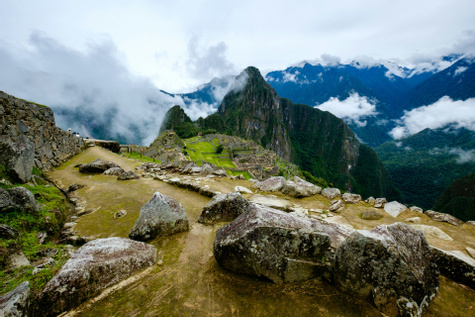
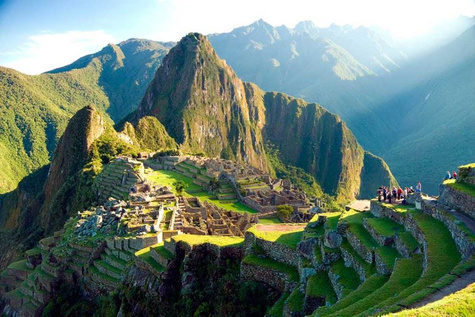
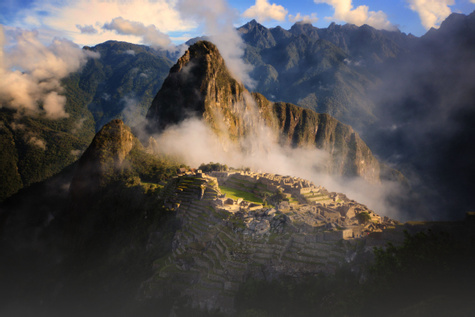
Machu Picchu is the bucket-list tourist attraction and the highlight of many peoples’ trip to Peru; the vastness, location and detail of the ruins make it unmissable. Without a doubt this is the crown jewel of Peruvian ruins.
Destination
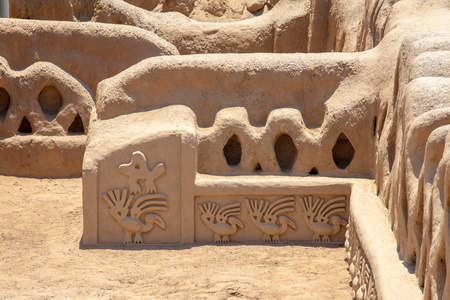
Chan Chan
Chan Chan is the huge abandoned capital of the Chimú civilization. Set just outside Trujillo on the North Coast of Peru, Chan Chan is the largest adobe city in the world.
Destination
Nazca Lines
Known by professionals as “geoglyphs,” the Nazca Lines always provoke a strong reaction in visitors to the area. Giant illustrations of plants and animals spread out over 280 square miles (450 km) of desert plateau in Peru’s southern lowlands. No one has yet proposed a compelling explanation for their placement or their location. There are approximately 70 designs—the most famous and frequently photographed of these designs are the monkey, the spider, and the hummingbird. Other illustrations depict fish, killer whales, lizards, and sharks. Some of the designs have dimensions as large as 660 feet (220 m).
Destination
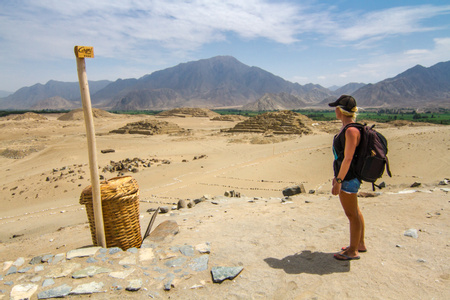
Lost Pyramid of Caral
Caral is situated on the dry desert plateau overlooking the green valley of the Supe River. Approximately two and a half hours from Lima, Caral is unique because of its non-violent history and claim to be the second oldest ruin in the world.
Destination
El Brujo Complex
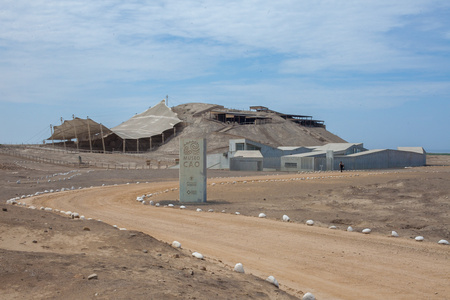
El Brujo is an ancient monument of the Moche culture. The original ruins - once filled with countless treasures and Peru's most famous mummy, the Lady of Cao - is now accompanied by an outstanding museum.
Destination
Tambo Colorado
Tambo Colorado is an archeological site set some 22 miles (35 km) from Pisco. Built by the Inca, Tambo Colorado is one of the best-preserved sites along the coast of Peru.
Destination
Huaca Rajada - Lord of Sipan Tomb
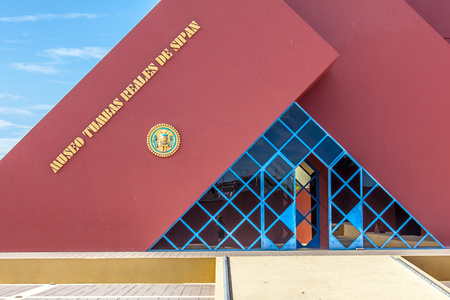
The outward appearance of Huaca Rajada is deceptive: these mud mountains (really adobe pyramids) may be less than striking at first glance, but are home to one of the most valuable tombs in Peru’s history. It’s recommended that those exploring this famous catacomb continue with a stop at the Tumbas Reales de Sipán museum in Chiclayo, for a comprehensive overview of this amazing find in the Lambayeque Valley.
Destination
Kuntur Wasi
The oldest forged gold in the Americas was found at the archaeological site of Kuntur Wasi. Set within Peru’s Northern Highlands, this site was one of the most important ceremonial centers in the region during the Formative Period (2,500–50 B.C.).
Destination
Tucume
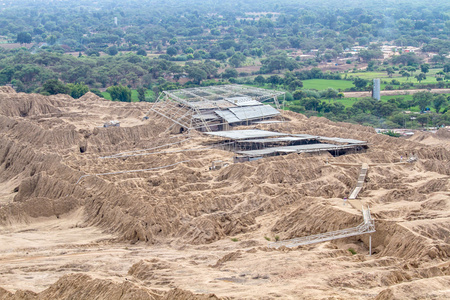
Known as “Purgatorio” (purgatory) by the local people, the Túcume site is one of the biggest pyramid complexes in Peru. These mountains of dripping mud used to be home to local shaman healers and a place of pilgrimage for the Lambayeque, Chimú, and Inca cultures.
Destination
Ollantaytambo Fortress
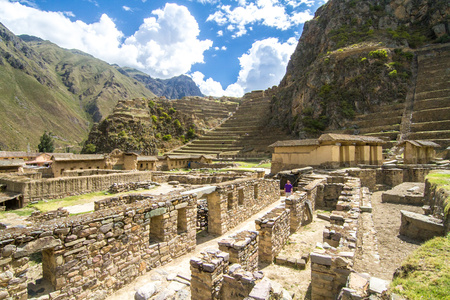
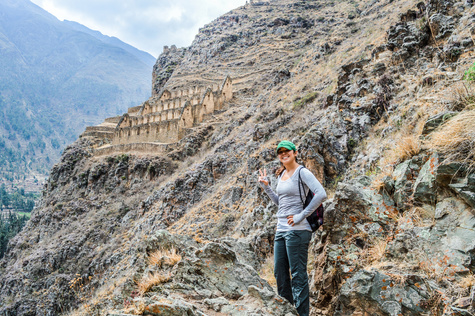
The staggeringly steep Inca ruins at the Ollantaytambo Fortress loom over the north side of the town of Ollantaytambo. They are famous for being one of the few places where the Incas defeated Spanish conquerors in a major battle.
Destination
Sillustani Tombs
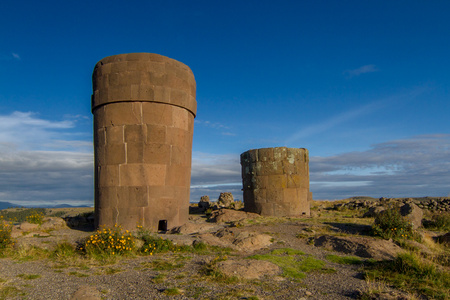
A main archaeological attraction in the Lake Titicaca area is the burial site of Sillustani, which is about a 40-minute drive from Puno. These huge tombs are set on a hill above Lake Umayo and were used as graves for Colla nobility.
Destination
Ventanillas de Otuzco
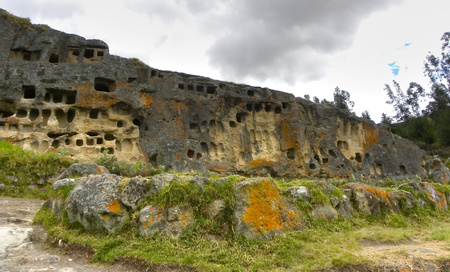
The Ventanillas de Otuzco (Small Windows) are set just outside the town of Cajamarca. The site is made up of some 200 small windows carved into a cliff. The windows are actually old tombs from the Cajamarca culture.
Destination
Pachacamac
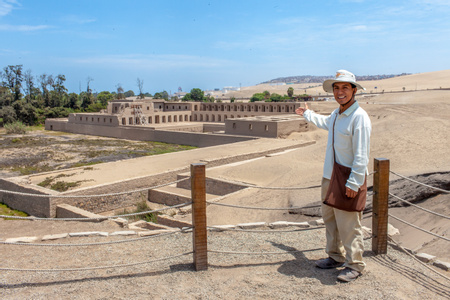
The temple of Pachacamac is an archaeological site set 25 miles (40 km) southeast of Lima. It was the most important pilgrimage center in ancient Peru. Its central location brought the Moche, Nasca, Huari, Itchma, and Inca cultures down to the Lurin Valley where it meets the Pacific Ocean.
Destination
Cumbe Mayo
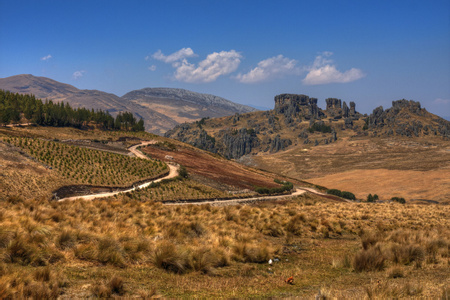
The ancient aqueducts of Cumbe Mayo continue to baffle archaeologists. Set outside the town of Cajamarca in Peru’s Northern Highlands, Cumbe Mayo is an utterly fascinating place to visit.
Destination
Huaca Pucllana
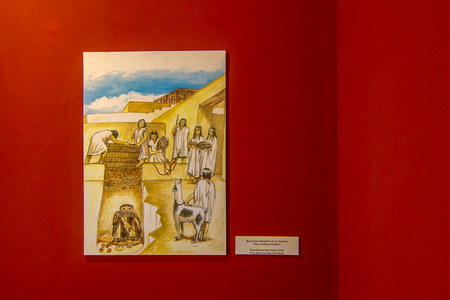
Travelers don't have to trek into the Andes to see vestiges of Peru's ancient civilizations. Lima has a large number of historical ruins, and Huaca Pucllana is one of the best.
Destination
Chavín de Huantar
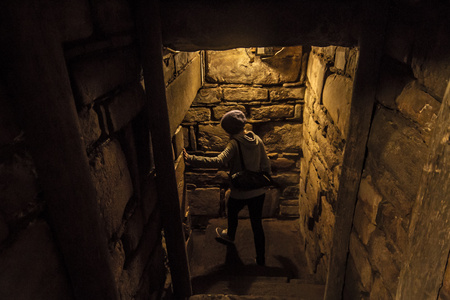
Chavín de Huantar is a pre-Incan ruin that contains an exciting subterranean section. It's a fun and unique place to visit, especially for travelers who are interested in the history and culture of Peru's Central Highlands.
Destination
Tombs of Revash
Revash is a collection of tombs near the town of Santo Tomás. The tombs look like houses and are set alongside the ledges of limestone cliffs.
Destination
Huaca Huallamarca
Huaca Huallamarca is a restored adobe pyramid in Lima’s San Isidro neighborhood. This pyramid offers travelers a good opportunity to see ancient structures in the heart of Lima.
Destination
Tambomachay
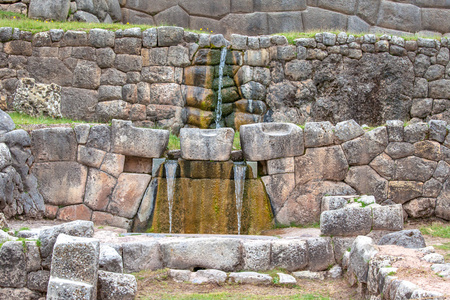
Located 5 miles (8 km) from Cusco, Tambomachay is a peaceful Inca site consisting of a series of delicately carved aqueducts, canals, and waterfalls that run through the terraced rocks.
Destination
Mandor Waterfalls
The Mandor Waterfalls are set just outside the town of Aguas Calientes. A hike to these waterfalls is a great afternoon activity.
Destination
Moray Amphitheater
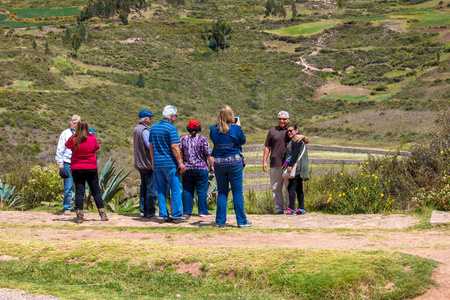
The Moray Amphitheater is a mind-boggling Inca construction located next to the town of Maras in the Sacred Valley. The view from the top is worth the visit on its own, though it is great fun to explore the many levels via stone stepladders.
Destination
Pisac Ruins
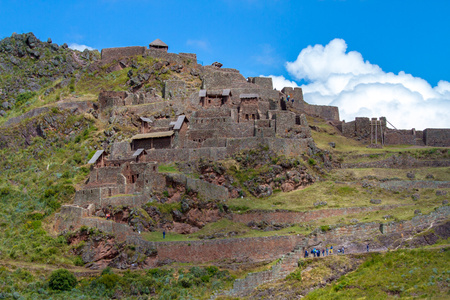
Písac’s sprawling Inca ruins, known as Inca Písac, are perched on a plateau above the town, with a plunging gorge on either side. Consisting of a temple, baths, an altar, a ceremonial platform, and agricultural terracing, this well-maintained site once served as a religious, agricultural and military center.
Destination
Puca Pucara
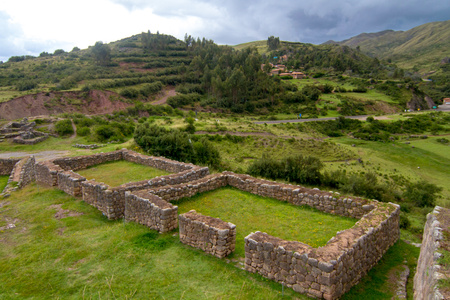
The ruins of Puca Pucara, about 4 miles (7 km) from Cusco and up the hill from Saksaywamán and Q’enqo, consist of fort walls, terraces, and staircases in the Incan style. Travelers will enjoy amazing views of the Cusco Valley and southern glaciers from the site.
Destination
Sacsayhuaman
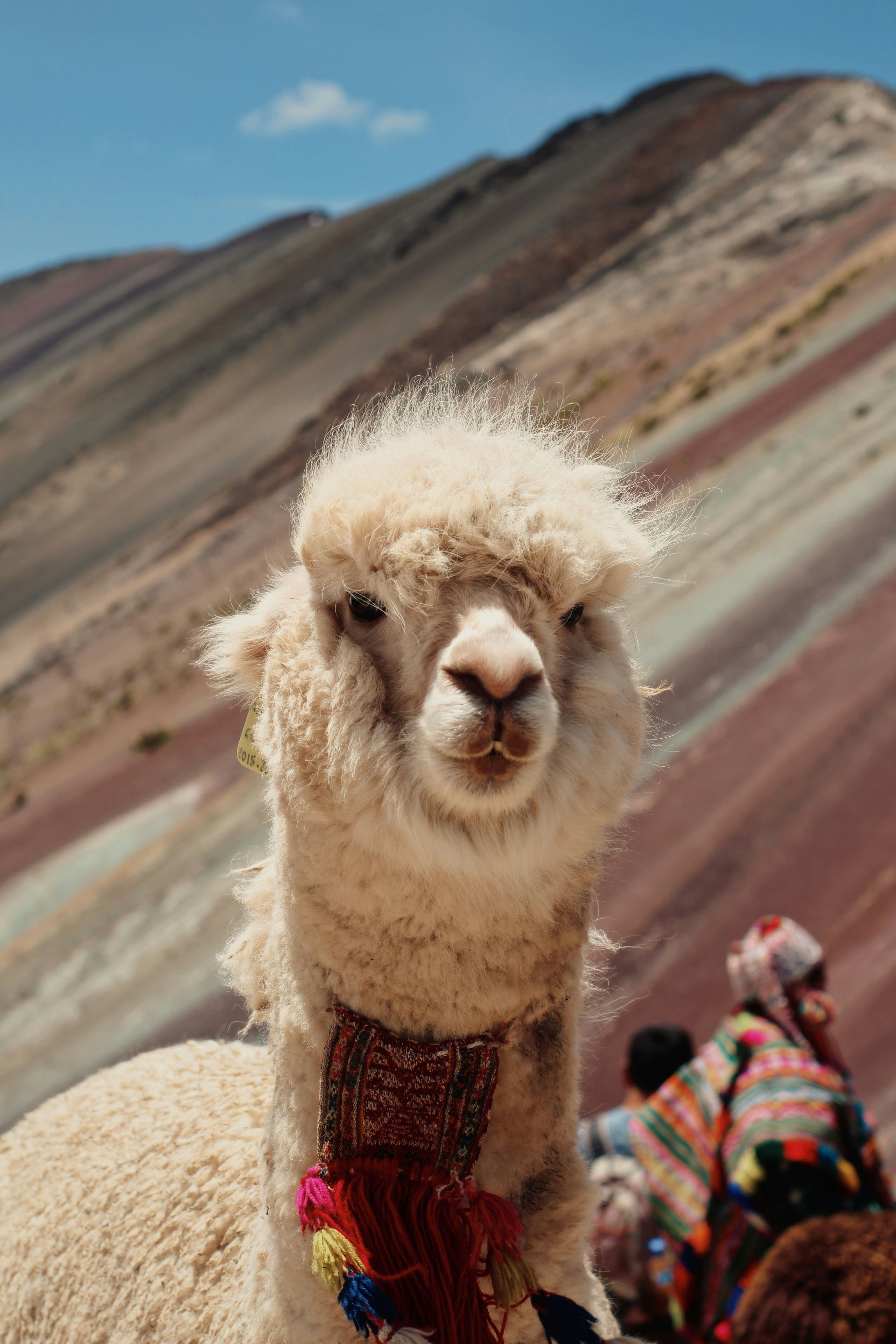
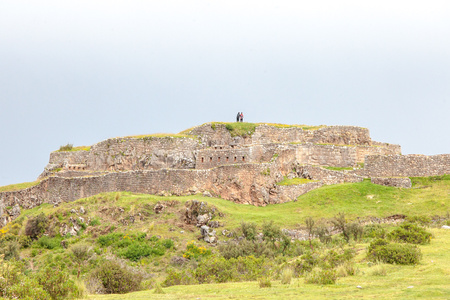
Perched on the hillside north of Cusco, the immense fortress ruins of Sacsayhuamán are some of the most impressive ruins in the area, holding both religious and military significance. When visitors hike up to the site, they will likely see a herd of alpaca, the domesticated South American camelid, roaming among the ruins.
Destination
Ramson Room of Atahualpa
The Ransom Room of Atahualpa (Cuarto de Rescate) played an important role in Inca history. Although historians debate whether the room was used to hold the gold ransom for Inca Atahualpa or to keep Inca Atahualpa captive, the room’s significance is not in question.
Destination
Cantayoc Aqueducts
Built by the Nazca people during the pre-Columbian period of Peruvian history, the Cantalloc Aqueducts continue to serve their original purpose. Local farmers still rely on this series of canals to bring water to the arid region.
Destination
Kotosh Ruins
At the Ruins of Kotosh, you can go for an educational hike around one of Peru’s oldest archeological sites. Built around 2000 BC, the site today consists of a cluster of low, stone walls. Kotosh’s builders used mud to hold the stones together. You can explore a partial reconstruction of one of the buildings that overlooks the ruins.
Destination
Kuelap Fortress
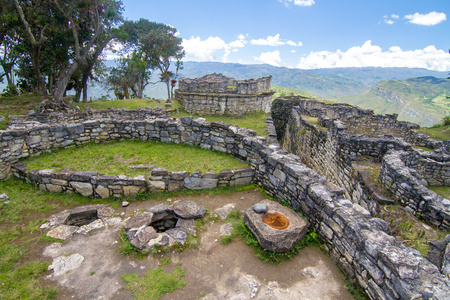
The Kuélap Fortress is considered the largest stone ruins in the New World, and is made out of massive limestone blocks bigger than those used in the Egyptian Pyramids. Now carefully restored after many years of work, the citadel stands magnificently high on a hill, with sprawling remains that rival Machu Picchu.
Destination
Las Haldas
Peru’s Pacific coast is a major attraction - and has been so for many thousands of years. We know this because of excavation of a site called Las Haldas, a vast site that dates back to Peru’s Initial period, around 2,000 BC. At its height, it is thought to have housed 10,000 inhabitants. Historians look to this site as a key to the very beginnings of Peruvian culture. Visit the site for a hike and a guided tour. Once you’ve had a hike around the ruins, you can relax on the nearby beach.
Destination
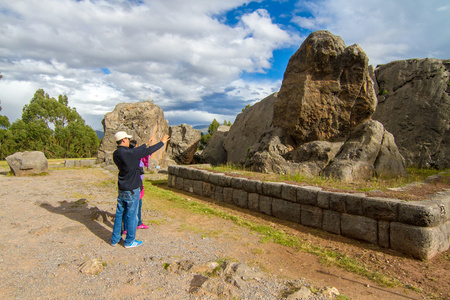
Q’enqo
Q’enqo is an archaeological site just 15 minutes from Cusco. This site is a mysterious and dark reminder of the sacrificial practices and death rituals of the Incas.
Destination
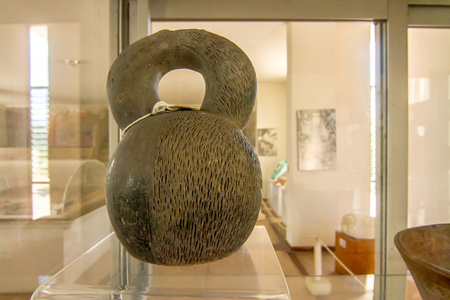
Sechín Mountain
Sechín is a must see when passing through the Casma Valley. The dry, sandy landscape is well known for it's pre-Incan culture and adobe pyramids. Sechín stands out for its intricate rock carvings
Destination
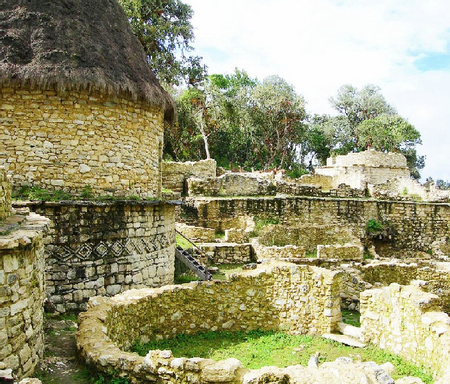
Gran Pajaten
Gran Pajáten is an archeological site located in the Northern Highlands of Peru. Considered one of the seven wonders of Peru, Gran Pajáten consists of numerous circular buildings, terraces, platforms, and intricate slate mosaics. Access is currently limited due to the fragile state of the ruins.
Destination
Lady of Cao
On the beautiful northern coastline of Peru, overlooking the blue Pacific, one of the most mysterious monuments of the Moche people, Huaca El Brujo (Sacred Place of the Wizard), gives a rare glimpse into this ancient culture. The mummified body of a young woman was uncovered in the ruins, and, to this day, so much mystery surrounds her story that photos of the Lady and even the museum are prohibited.
Destination
Archeological Sites in Peru itineraries from local insiders
Explore hand-picked Archeological Sites in Peru itineraries designed by local insiders who know every hidden corner. Each trip is completely flexible, customized to your pace, travel style, and budget.
Family Expedition Across Peru
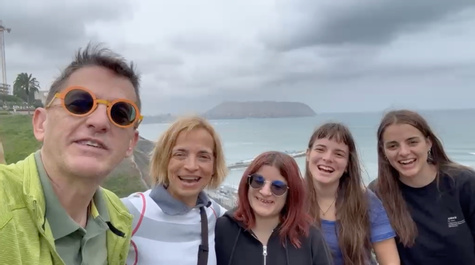
Elisa and her Greek family explored Peru’s diverse landscapes on a memorable 20 day adventure. They journeyed from the Paracas desert and Huacachina dunes to the high Andes of Arequipa, Colca Canyon, Lake Titicaca, and Machu Picchu. Friendly local guides shared traditions and stories, letting the family feel Peru’s warm hospitality and leaving them with a deeper appreciation for its vibrant heritage.
Peru
Andean Peaks to Lake Titicaca
The Anywhere team was planning and helping us thru out the process. Right from picking us up from the airport to dropping us back to the hotel. They created a WhatsApp group to communicate with us every day and answered our questions within a few minutes. Thanks to Lisbeth and Jose in Cusco. Eduardo in Machu Pichu, Anna Maria in Puno and Sara and Samuel in Lima. They are worked like a team to ensure our trip was well planned and executed. Big thanks to Cesar for the great planning and suggestions along the way.
Peru
Excursion Together
Laura explored Peru’s diverse landscapes on a curated 10‑day adventure that blended culture, history, and nature. She began in Lima’s coastal desert, visited the Palomino Islands for sea‑lion spotting, then trekked the high‑altitude ruins of Cusco and the Sacred Valley before sailing on Lake Titicaca’s shimmering plateau. Guides shared local customs and stories, letting her taste dishes and feel the timeless rhythm of Peruvian life, leaving her with an appreciation for the country’s vibrant heritage.
Peru
Peru for Two: Lima, Cusco, the Sacred Valley & Machu Picchu
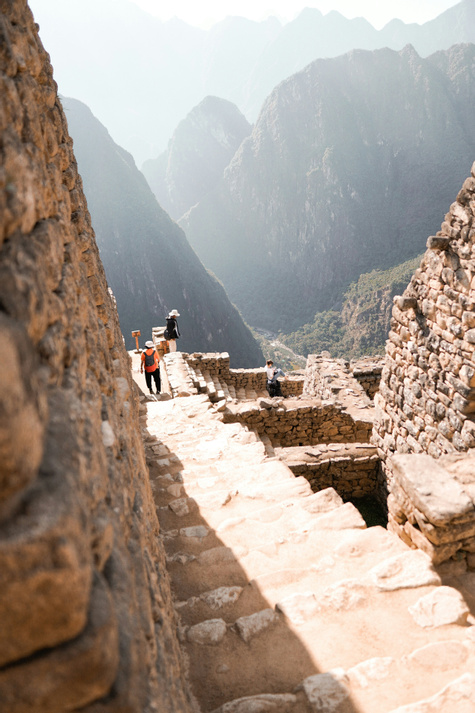
Embark on a vibrant Peruvian adventure where bustling city life meets ancient Andean wonders, contrasting modern Lima’s coastal energy with the mystique of the Sacred Valley. You'll wander Lima’s historic streets, then soar to Cusco’s high-altitude charm before trekking to the misty ruins of Machu Picchu and the colorful heights of Vinicunca Rainbow Mountain. Guided by knowledgeable locals, you'll taste traditional cuisine, hear Andean legends, and leave with a deeper connection to Peru’s rich heritage and breathtaking landscapes.
Peru
Our Multigenerational Journey
My sister and her family want to come next year, and possible another friend's family as well, so will definitely tell them to use Anywhere!!!
Peru
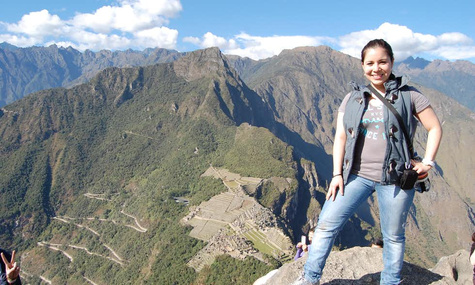
We Conquered Huayna Picchu
This was a very personal experience and Anywhere.com does an amazing job of having agents who are cultured and/or very familiar with the country to which you wish to visit. This allows the agent to listen to what you want to experience and then match you up with the right outfitter, vendor, excursion group, etc...I felt like Sara Nizama truly listened to my wants/needs and made them a reality. I am so happy with my Peru experience, thanks to Sara and her team. I want to go back soon and explore more of Peru with the help of Sara and her team. Thank you!
Peru
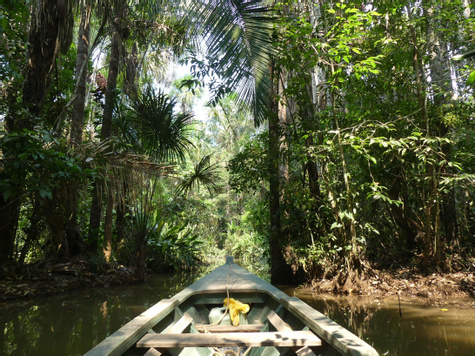
Wow, We Did it!
Excellent coordination and very helpful staff throughout the trip. Sara is the boss...she has good command of all aspects of our trip and provided the necessary help & support ...right from planning stage to boarding our flight back to US.
Peru
Experience The Heart of Peru
Very professional service, very good organization overall. Everything went smoothly. We ABSOLUTELY will recommend Anywhere.com to our friends. And for our future trips, we will first look at what anywhere.com is offering before looking elsewhere.
Peru
Romance in The Andes
After debating on which country to visit for our special trip, we finally decided on Peru. It was the best decision ever. Anywhere.com helped us arrange and make the most of our dream vacation!
Peru
Inca, Lake, & Culture Family Adventure
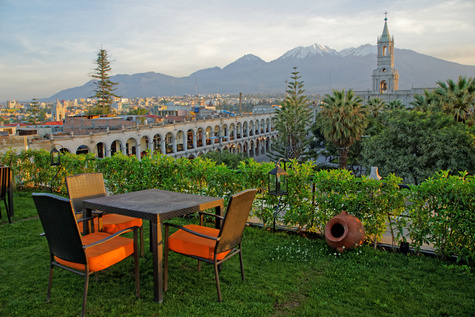
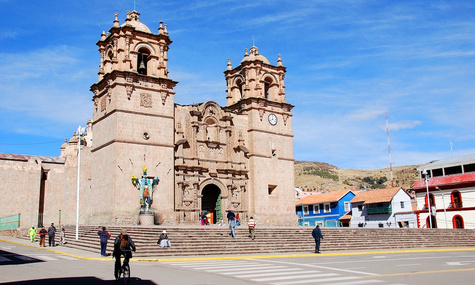
We were blown away by the beauty of the country—from the highland Lake Titicaca to the cultural experiences at Arequipa. We were so impressed with the Machu Picchu experience...we have to come back and explore more of Peru!
Peru
An Epic Peruvian Family Journey
Peru is bursting with history, interesting sites and friendly people and tourists from all parts of the world. We wished our hotels were a bit better and should have requested upgrades for a reasonably higher price. We have already recommended Peru to family and friends. Our photos and videos on Facebook have evoked several inquiries. I would certainly like to visit Peru again along with other countries of South America.
Peru
A Quick Machu Picchu Getaway
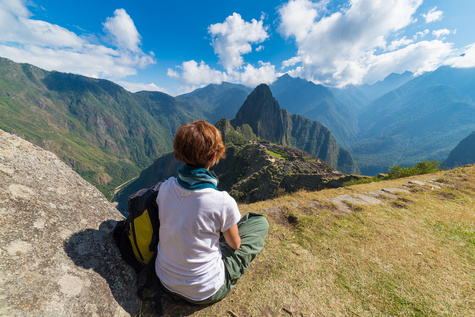
Peru was a great place to visit. I had nothing but great experiences.
Peru
Culinary Delight and Family Adventure
I learned so much of it's history and have such respect for it's culture.
Peru
Peru From Amazon to Andes
As my daughter put it: this is the most beautiful place that I have ever been to
Peru
Insider-led Peru Design & Concierge
Your insider team designs the trip around what you care about, then supports you in-country with private logistics, vetted partners, and concierge help when plans change.