
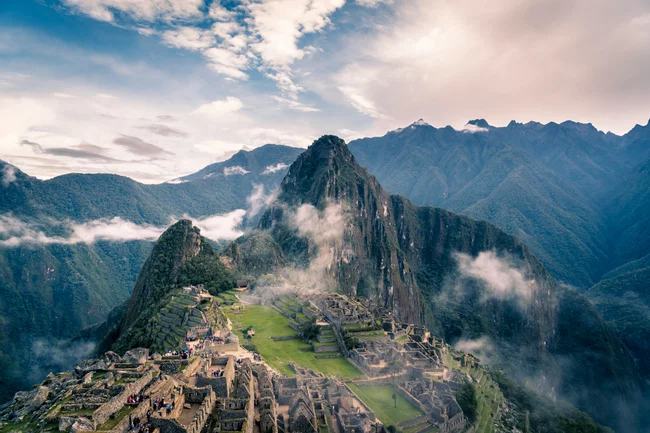
Getting to Peru
Most people arrive in Peru by plane, but you can also get here by boat or bus. You’ll likely fly into Lima and then take a shuttle to a hotel or else stay at the airport and catch a domestic flight to Cusco or another city. However you choose to arrive, just remeber that your adventure can't really begin until you've met Peruvian entry requirements.
Where are Peru's airports?
Most travelers fly into Jorge Chávez International Airport (LIM) in Lima, Peru's main international gateway, and connect onward by domestic flight — Lima to Cusco takes about 1 hour 10 minutes to 1 hour 30 minutes. Lima's new passenger terminal has been operating since June 2025; it is about three times the size of the old one and built for up to 40 million passengers a year. Many international flights land late at night, so we arrange a private transfer (about 50 minutes to an hour to hotels in the city) or a stay near the airport before an early connection. If you aren't being met, use the official taxi desks just outside the baggage hall.
Flights from the U.S. or Canada take roughly 6 to 10 hours, with nonstops from several U.S. gateways. Peru doesn't use daylight saving time: it matches U.S. Eastern time in winter and is an hour behind it from March to November, so jet lag is minimal from the Americas.
Besides Lima, PromPerú lists Cusco, Puno (Juliaca), Arequipa, Iquitos and Trujillo as international airports, and Cusco has flights to La Paz, Bolivia. Peru has around 200 airports and airfields, including 5 international and 18 domestic terminals; domestic routes reach Chiclayo, Piura, Tumbes, Tarapoto, Cajamarca, Huaraz, Chachapoyas, Ayacucho and Puerto Maldonado.
Fares peak from June to August and at Christmas, and domestic flights fill up around Easter and Fiestas Patrias in late July, so book early.
By Land
You can enter Peru by land via bus or car from the surrounding countries of Chile, Bolivia, Ecuador, Argentina, Brazil, Paraguay, and Uruguay. Major buses that ply these routes tend to be quite comfortable and equipped with bathrooms, food, movies, and more. Peru has 10 border crossings with Ecuador, Colombia, Brazil, Chile, and Bolivia. The crossings are open year-round and are fairly straightforward as long as you have your passport and tourist card handy.
By Sea
Some cruises visit Peru, including ones that leave from San Francisco. Shipping lines also offer departures from Europe or the U.S. to Lima’s port of Callao. All kinds of boats head up the Amazon River near the border between Peru, Colombia, and Brazil.
Related Travel Guides
- Archaeology in Peru
- A Taste of Peru
- Development and Society in Peru
- Environmental Issues in Peru
- Getting Around in Peru
- Getting to Peru
- Holidays and Festivals in Peru
- Is Peru Safe?
- Money in Peru
- Music and Art in Peru
- Peru Airbnb
- Peru Entry Requirements
- Peru's Government and Economy
- Peru Surfing Guide
- Peruvian archaeology
- Peruvian History
- Political Struggles in the 20th and 21st Centuries
- Protected Areas in Peru
- References
- Religion in Peru
- The Fujimori Regime and Economic Growth in the 21st Century
- The Inca Empire, Spanish Conquest, and Independence
- The People and Culture of Peru
Peru itineraries from local insiders
Explore hand-picked Peru itineraries designed by local insiders who know every hidden corner. Each trip is completely flexible, customized to your pace, travel style, and budget.
Family Expedition Across Peru
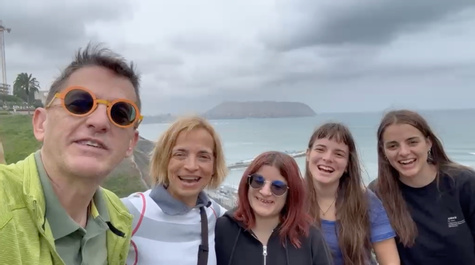
Elisa and her Greek family explored Peru’s diverse landscapes on a memorable 20 day adventure. They journeyed from the Paracas desert and Huacachina dunes to the high Andes of Arequipa, Colca Canyon, Lake Titicaca, and Machu Picchu. Friendly local guides shared traditions and stories, letting the family feel Peru’s warm hospitality and leaving them with a deeper appreciation for its vibrant heritage.
Peru
Andean Peaks to Lake Titicaca
The Anywhere team was planning and helping us thru out the process. Right from picking us up from the airport to dropping us back to the hotel. They created a WhatsApp group to communicate with us every day and answered our questions within a few minutes. Thanks to Lisbeth and Jose in Cusco. Eduardo in Machu Pichu, Anna Maria in Puno and Sara and Samuel in Lima. They are worked like a team to ensure our trip was well planned and executed. Big thanks to Cesar for the great planning and suggestions along the way.
Peru
Excursion Together
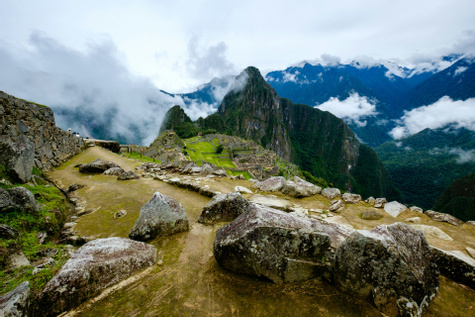
Laura explored Peru’s diverse landscapes on a curated 10‑day adventure that blended culture, history, and nature. She began in Lima’s coastal desert, visited the Palomino Islands for sea‑lion spotting, then trekked the high‑altitude ruins of Cusco and the Sacred Valley before sailing on Lake Titicaca’s shimmering plateau. Guides shared local customs and stories, letting her taste dishes and feel the timeless rhythm of Peruvian life, leaving her with an appreciation for the country’s vibrant heritage.
Peru
Peru for Two: Lima, Cusco, the Sacred Valley & Machu Picchu
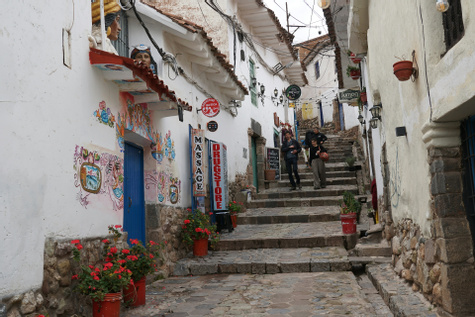
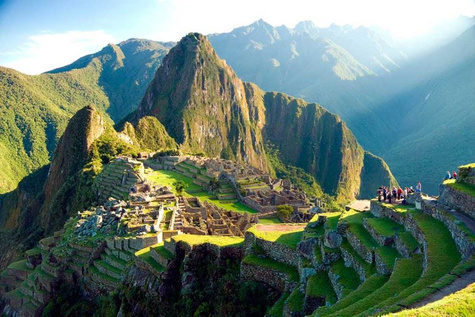
Embark on a vibrant Peruvian adventure where bustling city life meets ancient Andean wonders, contrasting modern Lima’s coastal energy with the mystique of the Sacred Valley. You'll wander Lima’s historic streets, then soar to Cusco’s high-altitude charm before trekking to the misty ruins of Machu Picchu and the colorful heights of Vinicunca Rainbow Mountain. Guided by knowledgeable locals, you'll taste traditional cuisine, hear Andean legends, and leave with a deeper connection to Peru’s rich heritage and breathtaking landscapes.
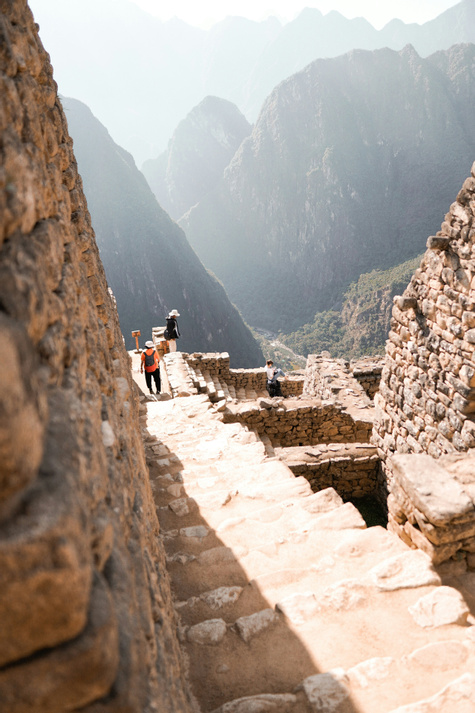
Peru
Our Multigenerational Journey
My sister and her family want to come next year, and possible another friend's family as well, so will definitely tell them to use Anywhere!!!
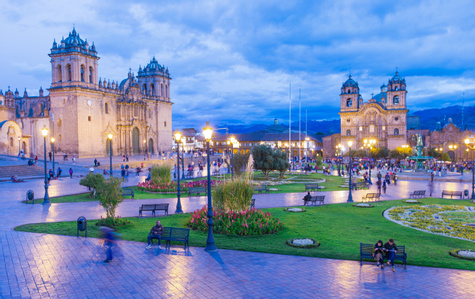
Peru
We Conquered Huayna Picchu
This was a very personal experience and Anywhere.com does an amazing job of having agents who are cultured and/or very familiar with the country to which you wish to visit. This allows the agent to listen to what you want to experience and then match you up with the right outfitter, vendor, excursion group, etc...I felt like Sara Nizama truly listened to my wants/needs and made them a reality. I am so happy with my Peru experience, thanks to Sara and her team. I want to go back soon and explore more of Peru with the help of Sara and her team. Thank you!
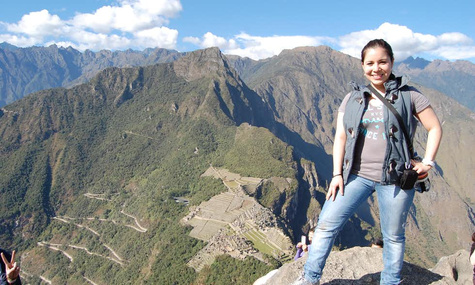
Peru
Wow, We Did it!
Excellent coordination and very helpful staff throughout the trip. Sara is the boss...she has good command of all aspects of our trip and provided the necessary help & support ...right from planning stage to boarding our flight back to US.
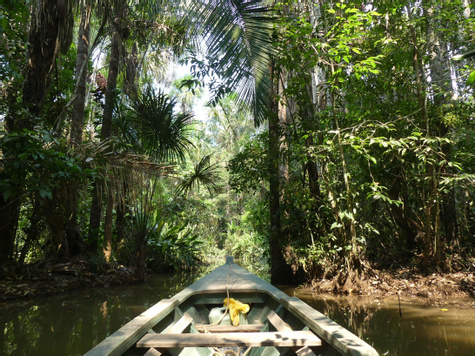
Peru
Experience The Heart of Peru
Very professional service, very good organization overall. Everything went smoothly. We ABSOLUTELY will recommend Anywhere.com to our friends. And for our future trips, we will first look at what anywhere.com is offering before looking elsewhere.
Peru
Romance in The Andes
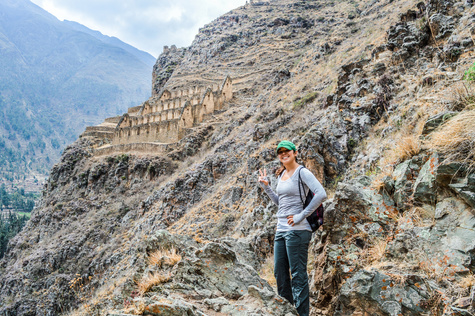
After debating on which country to visit for our special trip, we finally decided on Peru. It was the best decision ever. Anywhere.com helped us arrange and make the most of our dream vacation!

Peru