
Panama's Government and Economy
Panama has a constitutional democracy with one president and one vice president, both of whom serve single five-year terms. The president is not eligible for immediate reelection, but must sit out for at least two terms (10 years) before becoming eligible for reelection.
Panama's rich history is a large part of what has lead to the country's modern day success. With a relatively young and diverse population, Panama boasts a thriving and vibrant culture. The official Panamanian currency is the balboa, though this is both pegged to and interchangeable with the United States Dollar, so those holding this currency upon entry into Panama will not need to exchange their money.
The popularly elected national legislature, known as the Asamblea Nacional, is unicameral, meaning that it has just one house. As of 2009, the number of legislators was fixed at 71. These legislators serve five-year terms concurrently with the president. Panama’s Supreme Court of Justice has nine justices who are appointed for staggered 10-year terms. There are also five superior courts and three courts of appeal. Suffrage is universal and compulsory in Panama, and everyone over the age of 18 is required to vote in national elections, although those who fail to do so are not penalized.
All in all, Panama’s government is as stable and fair as it ever has been — every election since 1994 has been considered free and equal. This wasn’t always the case. There is a long history of military involvement or oligarchy within the government. A military dictatorship was in place from 1968 to 1989, which ended when the U.S. invaded Panama and ousted Noriega from power. During this period, the president was essentially a figurehead and the legislature and courts lacked real power.
Panama’s dollar-based economy depends on a sizable services sector that accounts for nearly three-quarters of its GDP. This is in stark contrast to other Central American countries that largely depend on agriculture. The services sector includes the operation of the Panama Canal, the Colón Free Zone, international banking, container ports, ship registry, and tourism. Agriculture accounts for less than 7 percent of the Panamanian GDP; the country’s main exports are bananas, coffee, sugarcane, shrimp, and rice. Panama’s largest trading partner is the United States.
Panama has one of the fastest growing economies in the Americas. In 2012 its GDP hit $34.82 billion, with a growth rate of 8.5 percent. For the last several years, it has posted GDP growth greater than 7 percent and sometimes above 10 percent. This economic growth is due in large part to a boom in construction, much of which is aimed at foreigners who come to retire, do business, or travel. On a larger scale, an expansion of the Panama Canal, which began in 2007 and is scheduled to be completed in 2014, has further bolstered the economy. This expansion will more than double the canal’s capacity by allowing larger ships to traverse the canal. Panama City is also constructing a metro system (valued at $1.2 billion) that should be completed in 2014. This healthy economy has also cut the unemployment rate, which in 2012 was just 4.4 percent.
This strong economy has not, however, reached all members of Panamanian society. Panama has the second worst income distribution in Latin America, with around 30 percent of the population living in poverty. Many of these people (most noticeably the indigenous groups) get by on less than US $1 a day. On the other end is the super-rich. A 2004 study went so far as to claim that just 80 individuals accounted for half of Panama’s total GDP.
Related Travel Guides
- Crime and Safety in Panama
- Environmental Issues in Panama
- Food and Drink in Panama
- Getting Around in Panama
- Getting to Panama
- Holidays and Festivals in Panama
- Indigenous People of Panama
- Money in Panama
- Music and Art in Panama
- Panama Entry Requirements
- Panama's Story of Pirates, Colonialism, and Independence
- Panama Surfing Guide
- The Profound History of Panama
Panama itineraries from local insiders
Explore hand-picked Panama itineraries designed by local insiders who know every hidden corner. Each trip is completely flexible, customized to your pace, travel style, and budget.
A Beautiful Vacation Beyond Our Expectations
It was a beautiful vacation.
Panama
A Spring Surf and Sun Getaway
Beautiful place. Everyone we interacted with was so helpful, kind, and patient. They made us feel at home.
Panama
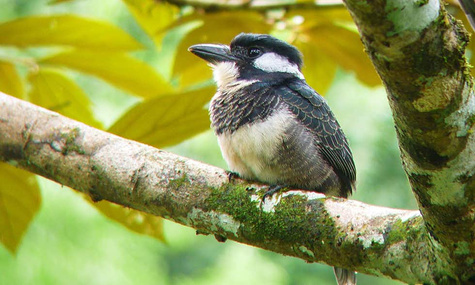
A Birding Journey in The Tropics
Grab your binoculars and your guidebook! You're about to check a variety of beautiful birds off of your list in the rainforests and cloud forests of Panama.
Panama
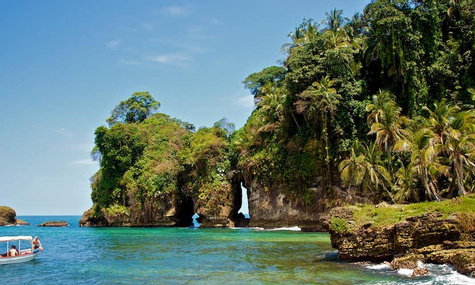
A 'Friend-Ship' Sails to Panama
From wild nights in Panama city to beaches and brews in Bocas del Toro, awesome adventures and amazing memories are waiting for you and your friends in Panama.
Panama
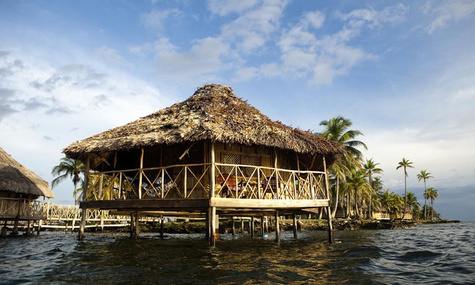
Exploring Panama at The Pace of You
Take yourself on a grand getaway in paradise full of Caribbean cuisine, cultural exchanges, and exciting adventures. It’s as simple as booking this Signature Trip to Panama.
Panama
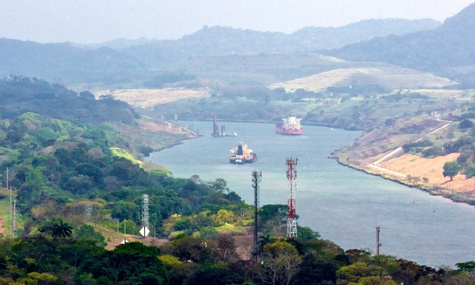
Canal, Beach, & Nature = Family Fun
This vacation, do a little of everything when you explore the city, forest, and beach on this awesome family getaway to Panama. Nature and knowledge await you.
Panama
Coming Solo, Leaving with Memories
Walk through local markets; go on long hikes; soak in a hot spring; this is your vacation, your way. Explore Panama at your own pace with this spectacular getaway for one.
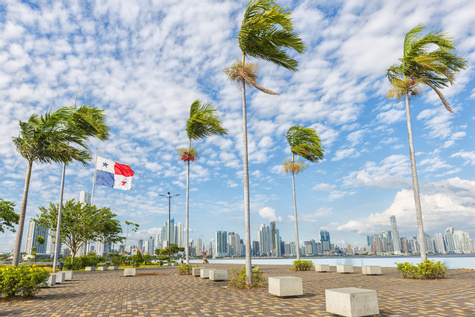
Panama
A 'Best Of' Panama Family Adventure
This family adventure is a trip to paradise complete with magical forests, stunning beaches, marine wildlife, vibrant cities, and memories waiting to be made. Welcome to Panama.
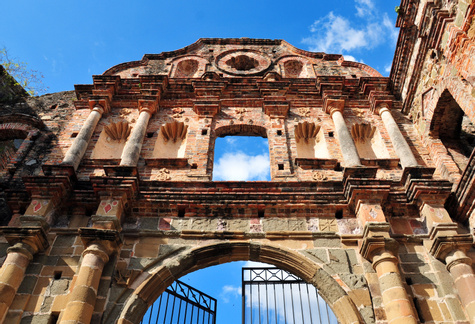
Panama
Exploring Panama Together
This vacation, learn about the vibrant country of Panama as you explore its cities, forests, and even island beaches first hand. Go somewhere new –– together.
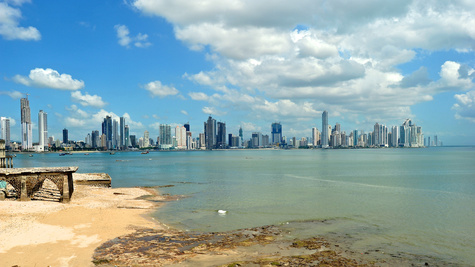
Panama
Traveler's Secret Paradise: Panama
You and your friends are about to head for one of Central America’s best kept secrets. Beyond the famous canal, Panama's city and beaches offer plenty of cool times on hot nights.
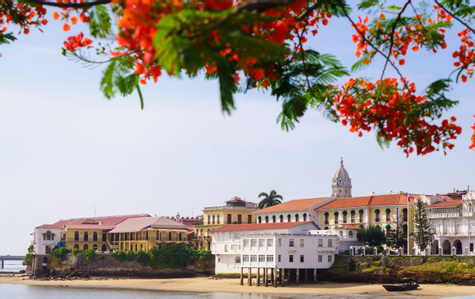
Panama