Panama Travel Guide
Panama is an isthmus — a thin strip of land with sea on either side. It is the narrowest and southernmost country in Central America, and is slightly smaller than South Carolina. While you’re here you’ll see more rainforests than roads, and a mix of indigenous and immigrant cultures. Although it’s most famed for its canal, Panama’s islands, intense biodiversity, and native people are what make it a memorable destination.
About Panama
Each of Panama’s regions has its own scenery and culture. You’ll also find very different types of activities and tours.
Browse our best hand-crafted itineraries
Get inspired and explore our curated collection of hand-crafted trips. From romantic honeymoons to family adventures, every itinerary is completely flexible and tailored to your needs.
A Beautiful Vacation Beyond Our Expectations
It was a beautiful vacation.
Panama
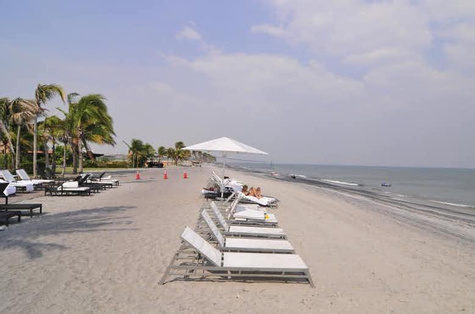
A Spring Surf and Sun Getaway
Beautiful place. Everyone we interacted with was so helpful, kind, and patient. They made us feel at home.
Panama
A Birding Journey in The Tropics
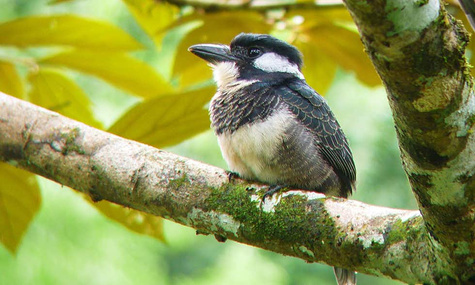
Grab your binoculars and your guidebook! You're about to check a variety of beautiful birds off of your list in the rainforests and cloud forests of Panama.
Panama
Coming Solo, Leaving with Memories
Walk through local markets; go on long hikes; soak in a hot spring; this is your vacation, your way. Explore Panama at your own pace with this spectacular getaway for one.
Panama
Exploring Panama at The Pace of You
Take yourself on a grand getaway in paradise full of Caribbean cuisine, cultural exchanges, and exciting adventures. It’s as simple as booking this Signature Trip to Panama.
Panama
Canal, Beach, & Nature = Family Fun
This vacation, do a little of everything when you explore the city, forest, and beach on this awesome family getaway to Panama. Nature and knowledge await you.
Panama
A 'Friend-Ship' Sails to Panama
From wild nights in Panama city to beaches and brews in Bocas del Toro, awesome adventures and amazing memories are waiting for you and your friends in Panama.
Panama
A 'Best Of' Panama Family Adventure
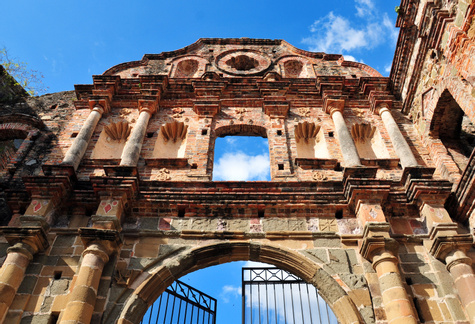
This family adventure is a trip to paradise complete with magical forests, stunning beaches, marine wildlife, vibrant cities, and memories waiting to be made. Welcome to Panama.
Panama
Panama: A Soulmate's Journey
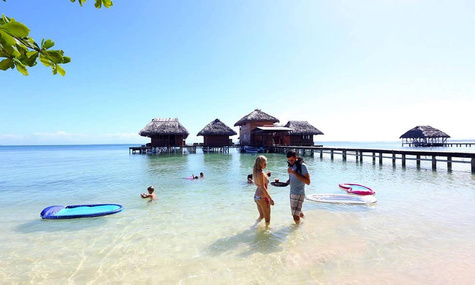
Reconnect with the person you love the most when you go on an amazing adventure –– from cosmopolitan cities, to cloud forests, and an island beach, see all of Panama.
Panama
Traveler's Secret Paradise: Panama
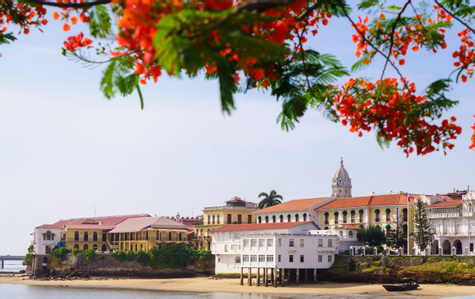
You and your friends are about to head for one of Central America’s best kept secrets. Beyond the famous canal, Panama's city and beaches offer plenty of cool times on hot nights.
Panama
Exploring Panama Together
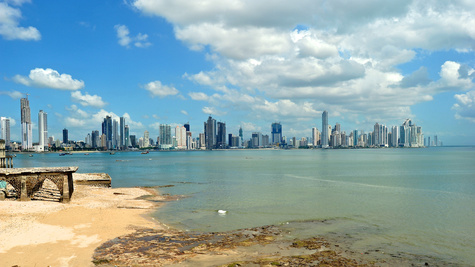
This vacation, learn about the vibrant country of Panama as you explore its cities, forests, and even island beaches first hand. Go somewhere new –– together.
Panama

Our Adventure-Loving Trip
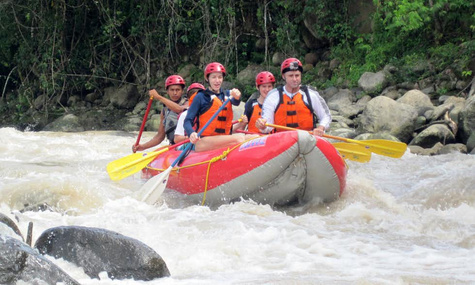
We have always lived by the beach, so we were more interested in the city, history, culture, food, and non-beach related outdoor activities for this trip. We were ready for adventure, and Boquete in Panama had it all!
Panama
We Had the Ultimate Adventure
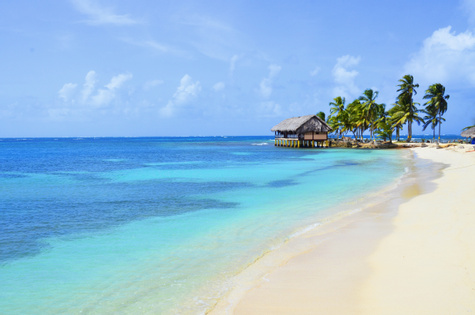
I recommend Anywhere.com all the time. Loved the destinations and experiences we had in Panama. Panama is a hidden gem.
Panama
We Went from Coast to Highlands
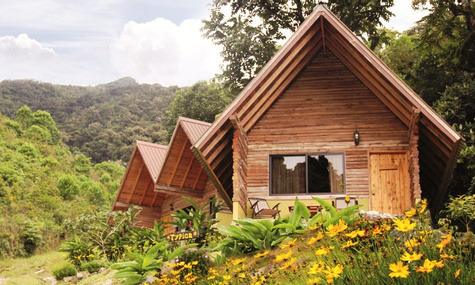
I have used Anywhere 3 times now. There is room for improvement but I would recommend.
Panama
The best places to visit in Panama
From iconic landmarks to hidden gems, explore the Panama destinations our local insiders recommend most.
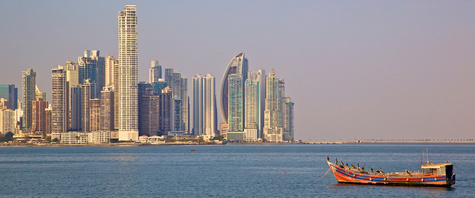
Panama City
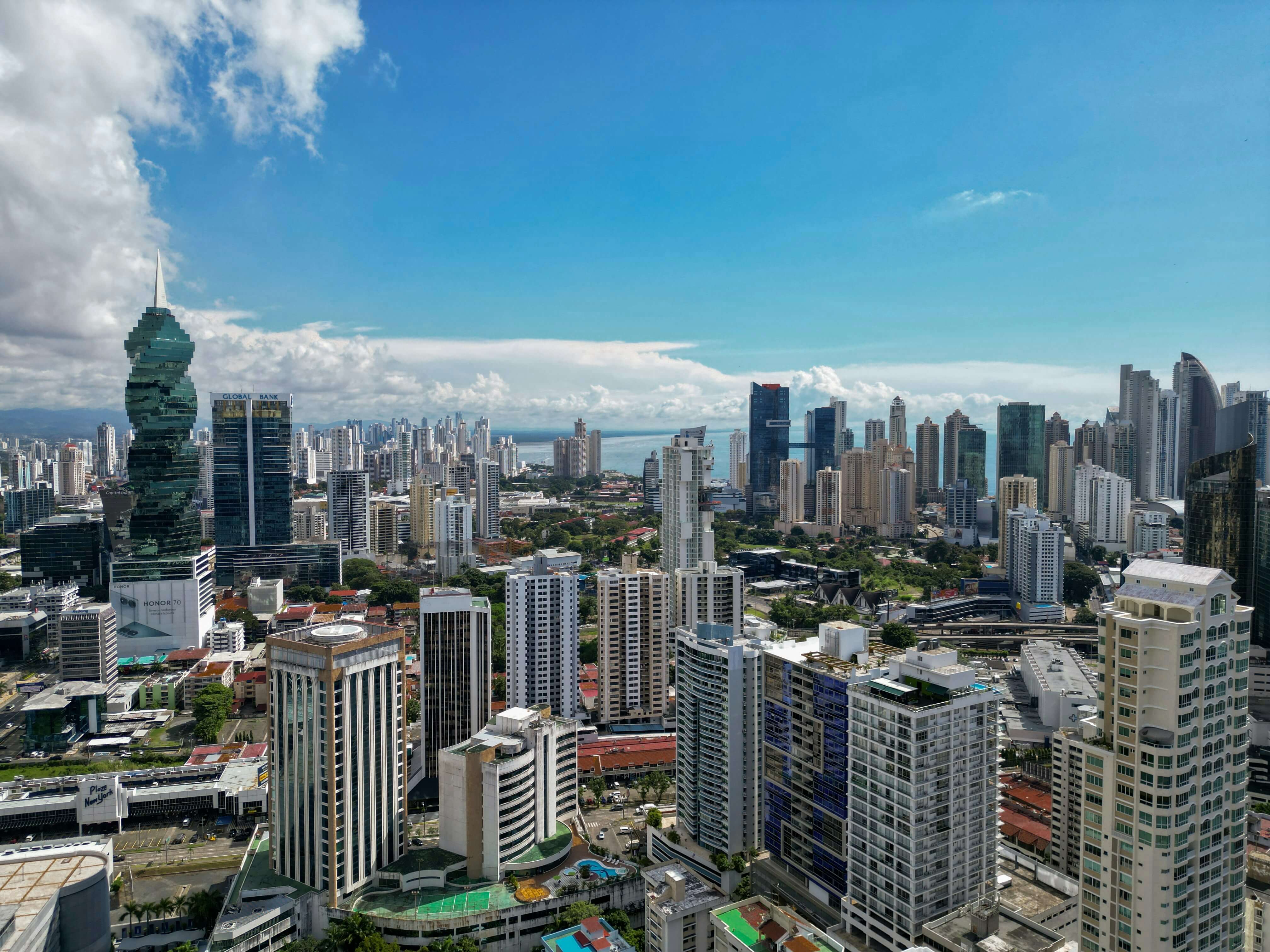
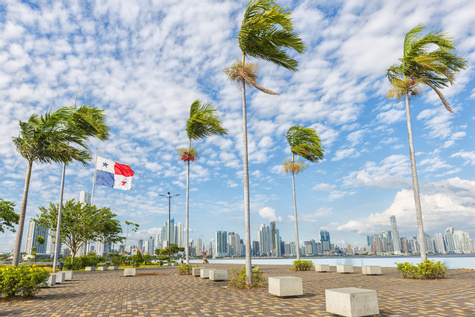
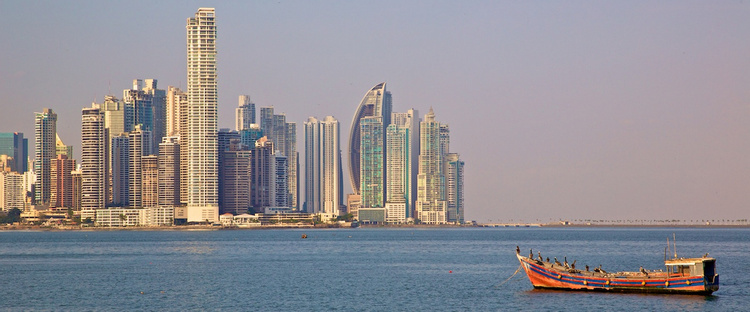
Panama City is a hub in every sense of the word. Located in the Gulf of Panama along the Pacific Coast, Panama City sits in the heart of the country and serves as the main artery through which the rest of Panama receives its visitors, commerce, and culture.
Boquete
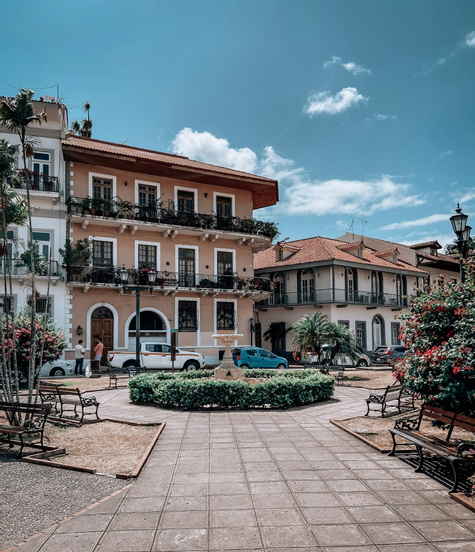
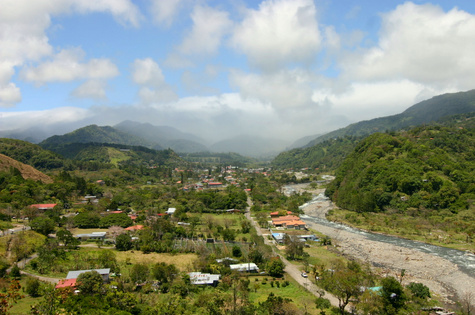
The small town of Boquete sits in the highlands of Panama’s Chiriquí province, snugly fitted into a lush valley and surrounded by towering mountains, gushing streams, and abundant coffee farms. Though once a sleepy mountain town forgotten by time, Boquete is beginning to see more and more tourists these days, and for good reason – its natural beauty is astounding and its range of activities spectacular. Panama’s only volcano, Volcán Barú, lies only 9 km away, providing visitors with excellent hiking, nature viewing, and camping. Boquete’s other attractions include white-water rafting, canopy tours, hot springs, botanical gardens, and more.
Bocas Town
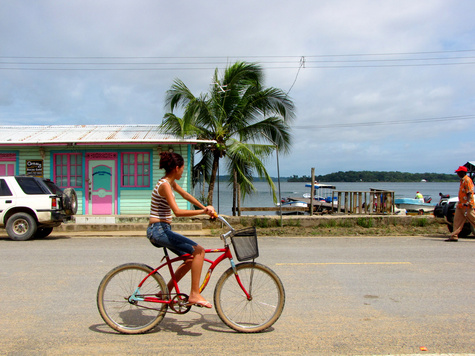
Bocas town is a bohemian, waterfront town on Isla Colón. It's the largest and funkiest town in the Bocas del Toro archipelago and is visited by travelers from all over the world. Hotels, restaurants, gourmet grocery stores and other tourist facilities crowd the small town, making it one of the most popular places in all of Panama.
El Valle de Anton
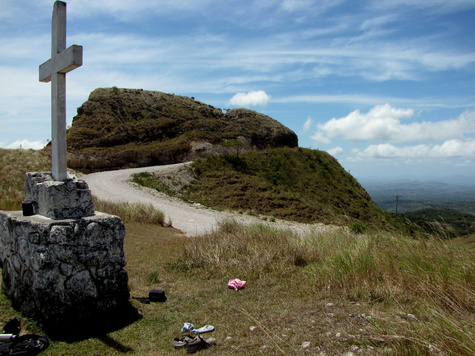
Nestled into the valley of an extinct volcano, El Valle is a pleasant highland town in central Panama. Its 600 meters above sea level make it much cooler than the lowlands, and its wide range of activities – including canopy tours, hot springs, and a bustling Sunday market – attract both Panamanians and foreigners alike.
Playa Venao
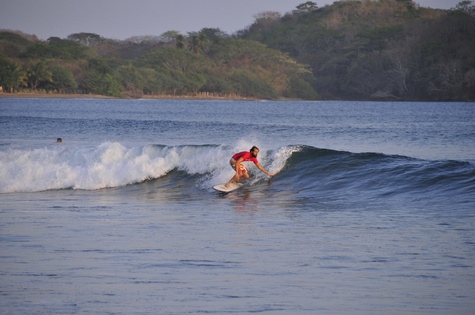
Playa Venao is a locally famous surf spot 34 km southwest of Pedasí. Playa Venao has hands-down the Azuero Peninsula’s best surfing, with waves breaking in both directions that are perfect for every skill level. The grey-sand beach here is pleasant, extending in a huge arc and surrounded by a curvy hillside. At present, this area is relatively undeveloped, but it is beginning to see a boom of projects as the word gets out about its laid-back vibe and awesome surf.
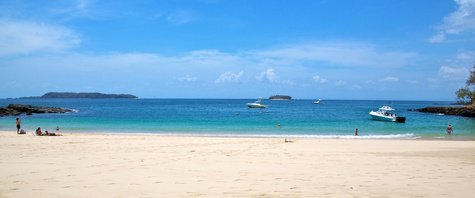
Isla Contadora
Located 30 miles off the Pacific coast of Panama, Isla Contadora is the most developed place in the Pearl Islands. This accessible island has lucrative real estate, luxury accommodations and world-class beaches.
Visiting Panama
Most travelers will fly into the Tocumen International Airport in Panama City . This airport is modern and easy to navigate, and will be your jumping-off point for visits to the rest of the country. Travelling in Panama is uncomplicated due to efficient, well-maintained roads and a scattering of domestic airports.
Eating and Drinking Safely
Clean water is available throughout most of the country. This is largely the legacy of the Panama Canal Company, which had a strict policy of hygiene during the construction of the canal. The one place where clean water isn’t widely available is Bocas del Toro. The food in Panama is straightforward and nourishing, and visitors don’t need to worry about getting sick while eating in restaurants.
Shopping and Currency
Panama’s currency, the balboa (PAB), is tied to the U.S. dollar. One balboa equals one dollar. Since Panama does not print its own paper currency, the U.S. dollar is legal tender in Panama. Panamanian coins are the same weight and size as U.S. coins, but have different images printed on them. They are used interchangeably with U.S coins. Despite the fact that Panama is a world banking capital of the world, it’s tough to exchange foreign currencies in most places – that said, we recommend bringing U.S. dollars if possible. ATMs are widely available and are by far the easiest way to get cash. Hotels, tours, and restaurants will list their prices in dollars.
Panama’s Terrain
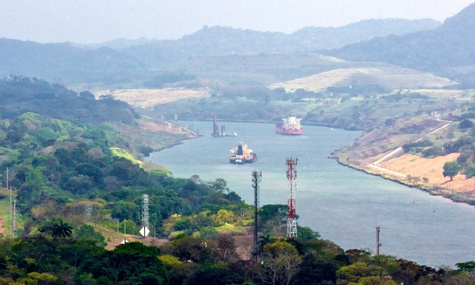
Panama covers 29,157 square miles (75,517 sq km ) and borders Costa Rica and Colombia. At the canal, the Pacific Ocean and Caribbean Sea are just 50 miles (80 km) apart. East to west, however, the country stretches some 1,865 miles (3,000 km).
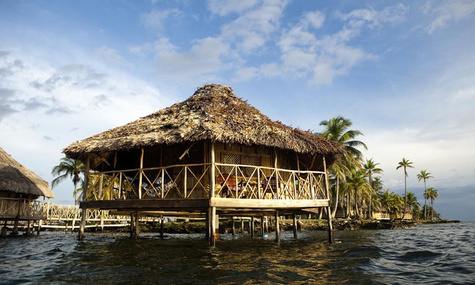
Panama’s largest mountain range is the Cordillera Central . This range runs through the western half of the country and contains Panama’s highest mountain, Volcán Barú , a dormant volcano that stands some 11,400 feet (3,475 m) tall. Another prominent mountain range extends along the eastern Caribbean coast, from the Comarca de Guna Yala to the Colombian border.
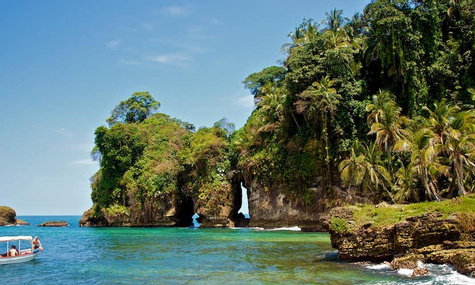
A quarter of the country is protected wilderness, with more biodiversity per square meter than the Amazon . There are 972 bird species, 200 mammal species, 200 reptile species, almost 200 amphibian species, and more than 10,000 species of plants. A third of Panama’s remaining forests are humid tropical forests, and there is a mixture of other ecosystems, including cloud forests, mangroves, coral reefs, islands, and even a man-made desert.
When is the best time to visit Panama?
Mid-December to mid-April is the best time for most trips: it's the dry season in Panama City, along the Pacific coast and in the highlands, and the best window for beaches and hiking. It's also high season, busiest at Christmas–New Year, Carnival (the four days before Ash Wednesday) and Holy Week, when hotel rates and airfares rise, so book early.
- Panama City, the Canal and the Pacific beaches: dry mid-December to mid-April; sun in the morning and rain most afternoons the rest of the year, with the later months wettest.
- Boquete and the western highlands: cooler and often misty year-round, with scattered rain in any month.
- Bocas del Toro: no true dry season; the best windows are February–March and September–October.
- Guna Yala (San Blas): best in late February–March.
- Rainy season (mid-April to mid-December): fewer visitors and lower rates; the early months are the least wet.
Plan the season with a Panama Insider , or browse Panama vacations .
Cultural Overview
The 2010 census reported the Panamanian population as 3,322,576. More than two-thirds of these people live in urban areas including Panama City , the Canal Zone , and Colón . The rest of the population lives primarily in the isthmus’ central provinces. Culturally, Panamanians often identify themselves by the province that they are from, each of which has its own beliefs, traditions, and stereotypes.
Panama’s population is remarkably diverse — because it serves as a transit point for international commerce, the gene pool here has roots in Spain, Africa, China, and India, as well as the Middle East, Central Europe and North America. That said, the majority of Panamanians are of Spanish descent. The family unit is extremely important in Panama, and people here place a high priority on taking care of their families. Family events (birthdays, baptisms, etc.) are fundamental to the culture and it’s not uncommon to see whole families traveling together.
The average life expectancy is 75 years, although nearly one-third of the population is younger than 14 years of age. Women tend to outlive men by nearly five years. Education is important in Panama and a primary school education is mandatory. Due to this policy Panama has a literacy rate of over 93 percent.
Society & Economy
Panama has a constitutional democracy. There is a president and vice president, both of which are elected to single five-year terms. Voting rights are extended to all Panamanian citizens and voting is compulsory.
Panama has a booming economy that depends mainly on its services sector. In 2009, the GDP was US $24.75 billion, a third of which came from service-related industries (the Panama Canal, tourism, ports, the Colón Free Zone, etc.). Agriculture makes up less than 7 percent of the GDP. Exports include coffee, rice, bananas, and sugarcane, and its largest trading partner is the United States.
In recent years, Panama has had one of the fastest-growing economies in the Americas, with an annual GDP growth that averages over 7 percent. Aside from the services sector, this growth is also largely driven by construction. A huge influx of foreigners have created a demand for new hotels, apartments, resorts and restaurants, not to mention the multi-billion dollar canal expansion that began in 2014.
Panama Travel FAQs
Does Panama get hurricanes?
Rarely directly. Panama lies south of the main Atlantic hurricane belt, so storms usually track to the north, but their rain bands can still cause flooding: in November 2020, Hurricane Eta never made landfall in Panama yet flooded rivers and roads across Chiriquí and Bocas del Toro. The official Atlantic season runs June 1 to November 30. Most of the country sees few significant earthquakes; western Panama is more seismically active. See Panama beach vacations or plan your Panama trip .
How much does a day in Panama cost?
Panama is moderately priced, and because it uses the U.S. dollar, budgeting is simple. Lodging, island and highland transfers and private guides make up most of a trip's cost, and dry-season and holiday weeks raise rates. Typical Panamanian meals are inexpensive, while restaurants aimed at visitors cost noticeably more; tap water is clean in most of the country, Bocas del Toro aside. Expect 7% sales tax (ITBMS) on most goods and services and 10% on hotel stays and alcohol (as of September 2026). See Panama vacations , money in Panama or get a custom Panama quote .
What souvenirs should I buy in Panama, and what taxes apply?
Panama's best souvenirs are made by its Indigenous peoples: Guna molas, the layered, hand-stitched textile panels sewn into blouses, plus decorative baskets, carved tagua nuts, wooden figures and beaded jewelry. Coffee, paintings and hats are popular too. Buy from artisans and street vendors in Panama City and Bocas del Toro or from small shops around the country, and don't leave it for Tocumen airport, where the choice is thin. Most purchases carry 7% ITBMS, and alcohol 10% (as of September 2026). See money in Panama .
Should I rent a car in Panama?
You can: the Pan-American Highway is paved across the country except toward the Darién, and most main roads are good, but city traffic is heavy, signage can be poor and mountain roads narrow to one lane over bridges. For a first trip, private transfers are easier. By private transfer, allow about 50 minutes from Panama City to Gamboa, 2.5 hours to El Valle de Antón and around 6.5 hours to Boquete; flying to David and driving an hour up to Boquete is quicker. See private transfers in Panama and getting around Panama .
What is the food like in Panama?
Fresh, simple and rich in seafood. Corvina, a sea bass, is the star, grilled, fried or served as ceviche with lime, peppers and onion; octopus and shrimp ceviche, red snapper, crab and prawns are common too. For dessert, try tres leches cake, flan, batidos (fresh-fruit shakes blended with milk) and raspados, shaved ice topped with fruit syrup and condensed milk. Food is straightforward and restaurants are generally safe to eat at. Tropical fruit and staples like rice make vegetarian eating workable; tell your Panama Insider about dietary needs in advance.
Are domestic flights worth it in Panama?
Yes, for Bocas del Toro, the Pearl Islands, Guna Yala and the far west, where a flight saves most of a day on the road. Air Panama flies from Panama City's Albrook (Marcos A. Gelabert) airport to Bocas del Toro, David, Contadora in the Pearl Islands, and airstrips in Guna Yala and the Darién. Copa Airlines also flies from Tocumen to David, handy for Boquete if you're connecting from an international flight. Small planes mean tight baggage limits, so pack light and check your fare. See domestic flights in Panama and getting around Panama .
Where can I see wildlife and national parks in Panama?
Start beside the Canal: Soberanía National Park, under an hour from Panama City, is a birder's paradise, and Barro Colorado Island in the Canal is one of the country's most biologically diverse places. In the west, the mountain towns of Boquete and El Valle de Antón pair cool cloud forest with birds and other wildlife, while Bocas del Toro and the Gulf of Chiriquí add mangroves, estuaries and coral reefs to snorkel. A quarter of Panama is protected, so nature is never far. The dry season (mid-December to mid-April) makes trails easiest. See Panama nature vacations or Panama adventure vacations .