
Kampala sits at about 1,200 meters (3,900 feet), and most safari areas are at similar elevations. These altitudes don't typically cause altitude sickness for most travelers, though you may notice slightly increased breathlessness during physical exertion.
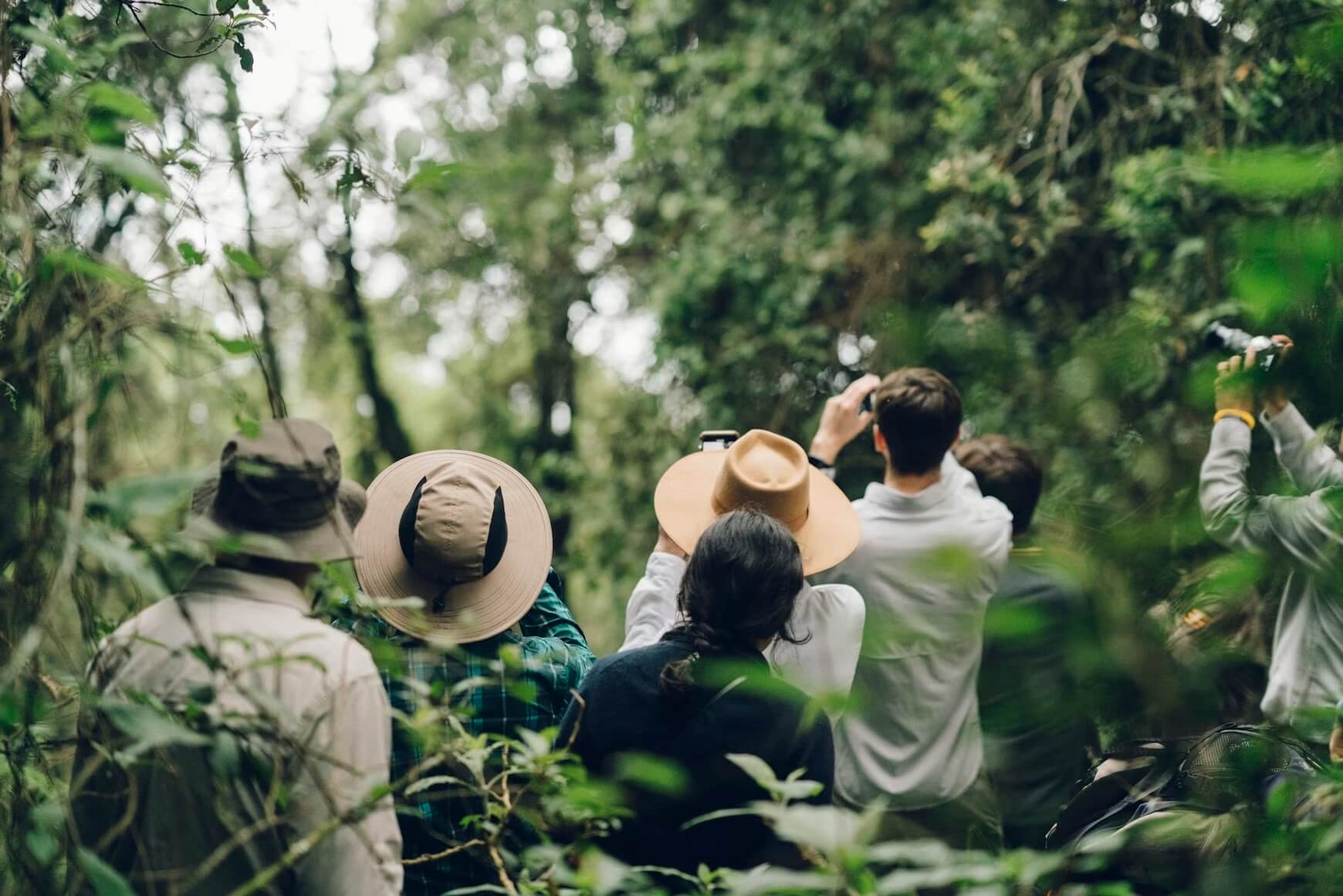
Bwindi Impenetrable Forest, where gorilla trekking occurs, sits at 1,160-2,607 meters (3,800-8,553 feet). The trails are strenuous due to terrain rather than altitude, but those with respiratory or cardiovascular conditions should discuss the trek with their doctor beforehand.
The Rwenzori Mountains reach over 5,000 meters at their highest points. Treks to the summit require proper acclimatization schedules over multiple days. Altitude sickness is a real concern at these heights, and climbers should be familiar with symptoms and prevention strategies.
Related Questions
- Are There Many Mosquitoes in Uganda?
- Do I Need to Take Malaria Pills or Get Certain Vaccinations for Uganda?
- Is Crime a Problem in Uganda?
- If I Need Medicine, Can I Easily Get It in Uganda?
- What Should I Do In Case of An Emergency in Uganda?
- Is the Water Safe to Drink in Uganda?
- What Are the Medical Facilities Like in Uganda?
Insider-led Uganda Design & Concierge
Your insider team designs the trip around what you care about, then supports you in-country with private logistics, vetted partners, and concierge help when plans change.