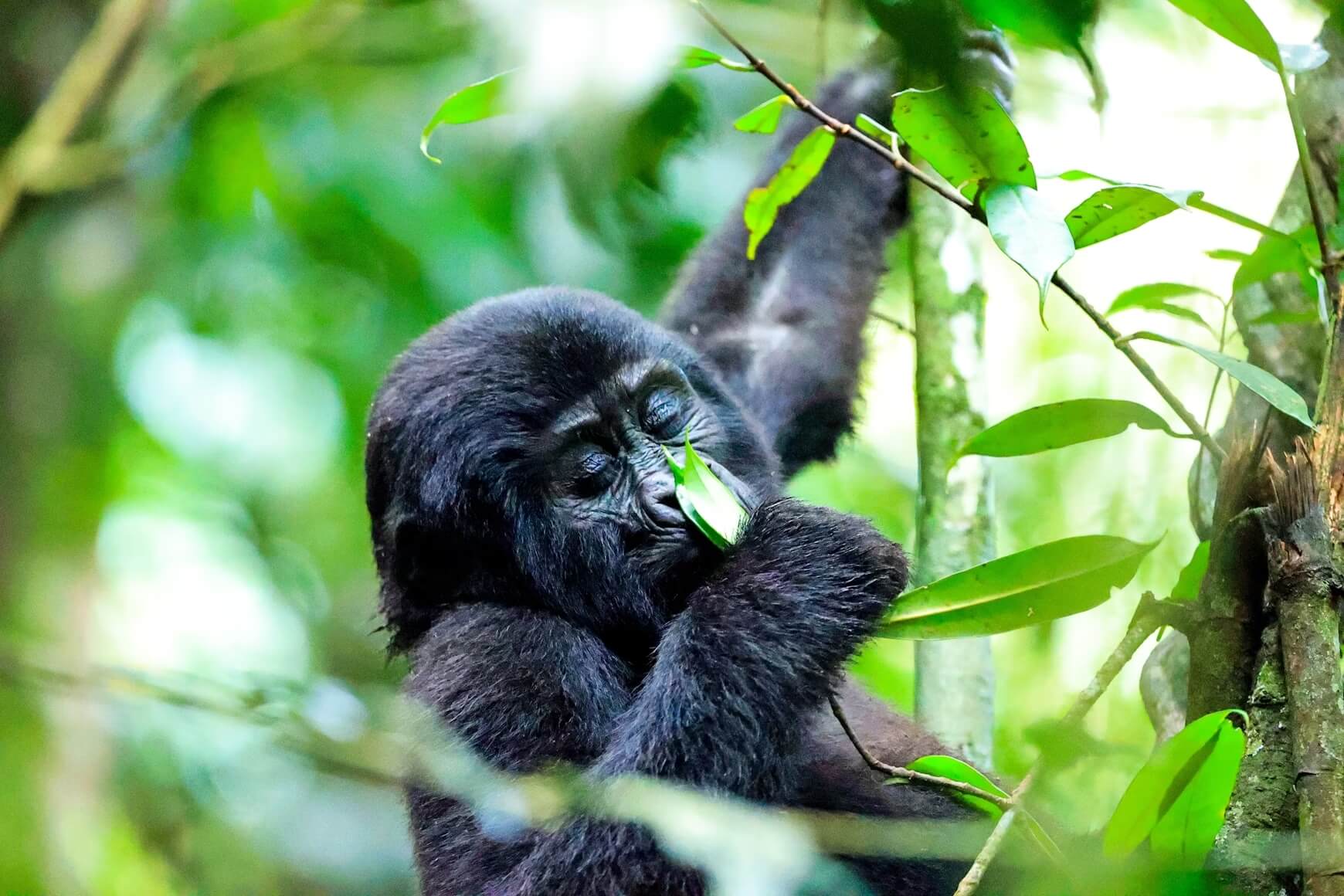

Most visitors adjust well, particularly if they arrive in Kigali (approximately 1,500 meters) a day or two before trekking to acclimatize. Mild symptoms such as headache, shortness of breath, and fatigue during exertion are common at higher elevations.
Stay well-hydrated, avoid excessive alcohol before trekking, and climb at a steady pace rather than rushing. Porters are available to carry bags and provide support during treks, which is strongly recommended.
Those with underlying heart or respiratory conditions should consult their physician before booking gorilla trekking. If you experience severe symptoms such as confusion, difficulty breathing at rest, or persistent vomiting, descend and seek medical attention.
Related Questions
- Do I Need Vaccinations for Rwanda?
- Is the Water Safe to Drink in Rwanda?
- Is Malaria a Risk in Rwanda?
- Is Crime a Problem in Rwanda?
- What Are the Medical Facilities Like in Rwanda?

Insider-led Rwanda Design & Concierge
Your insider team designs the trip around what you care about, then supports you in-country with private logistics, vetted partners, and concierge help when plans change.