
Peru's Government and Economy
Peru is a constitutional republic. There are three independent branches of the government—the executive, judiciary, and legislative branches—and each is autonomous. Peru’s officials are democratically elected and the government is stable. However, this did not happen easily; learn why throwing off the shackles of colonialism was not enough for Peru to instantly gain (much less maintain) governmental and economic success.
Though the current structure of Peru's government may seem familiar to anyone accustomed to living in a democracy where officials are elected by a majority of the populace, true freedom has been a long hard road for the people of Peru. Even in the nation's early history , it seems as though the country has always been subject to some kind of rulership.
The melting pot which led to the Peruvian culture that we now enjoy is the byproduct of lengthy political struggles , which did not truly evaporate until the 1990s. The fall of Spanish colonialism merely gave way to military authority, and early failed attempts at building a strong and independent Peru. Eventually, the country found its footing and today, Peru is a constitutional republic.
The executive branch is made up of the president and two vice presidents. The president appoints a council of ministers that is presided over by the prime minister. Peru’s highest courts include the supreme court and constitutional tribunal. Each region in Peru also has a superior court that operates as a court of appeals for lower courts.
The judiciary branch has traditionally been the weakest part of Peru’s government, as it has been riddled with corruption. Judges have been bribed to make rulings and sway decisions towards certain parties. The Peruvian courts also have a large backlog of cases.
Voting is required for all citizens ages 18 to 70. People that don’t vote can be fined. In the past, military members could not vote, although they can now.
Peru has a fast growing economy —in 2013, the economy grew at a rate of 5.1 percent and the GDP was $210 billion. The Peruvian economy has maintained an average GDP growth rate around 5.6 percent over the past five years and has traditionally had low inflation (in 2013 it was 2.9 percent). Peru had one of the world’s fastest-growing economies between 1994 and 1997, which was largely due to investment reforms made under the Fujimori government from 1990–2000.
The Peruvian economy is bolstered by strong natural resources, including mining in the mountains and along the coast. In fact, Peru is the second largest producer of silver and third largest producer of copper in the world. The last few years have seen high international prices for these minerals and metals, which make up about 60 percent of Peru’s total exports. Other important players in the Peruvian economy include agriculture, manufacturing, banking, and retail services. Foreign investments into oil, gas, and tourism are also significant. The current stability of Peru's government and economy means that the nation's currency is stable as well.
Related Travel Guides
- Archaeology in Peru
- A Taste of Peru
- Development and Society in Peru
- Environmental Issues in Peru
- Food and Drink in Peru
- Getting Around in Peru
- Getting to Peru
- Holidays and Festivals in Peru
- Is Peru Safe?
- Money in Peru
- Music and Art in Peru
- Peru Airbnb
- Peru Entry Requirements
- Peru's Government and Economy
- Peru Surfing Guide
- Peruvian archaeology
- Peruvian History
- Political Struggles in the 20th and 21st Centuries
- Protected Areas in Peru
- References
- Religion in Peru
- The Fujimori Regime and Economic Growth in the 21st Century
- The Geography of Peru
- The Inca Empire, Spanish Conquest, and Independence
- The People and Culture of Peru
- Weather in Peru
- When to Visit Peru
Peru itineraries from local insiders
Explore hand-picked Peru itineraries designed by local insiders who know every hidden corner. Each trip is completely flexible, customized to your pace, travel style, and budget.
Family Expedition Across Peru
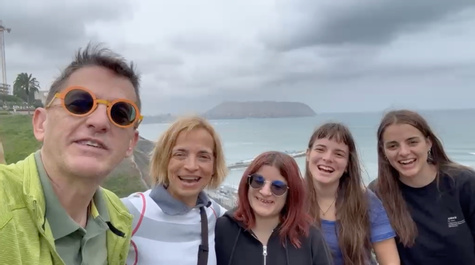
Elisa and her Greek family explored Peru’s diverse landscapes on a memorable 20 day adventure. They journeyed from the Paracas desert and Huacachina dunes to the high Andes of Arequipa, Colca Canyon, Lake Titicaca, and Machu Picchu. Friendly local guides shared traditions and stories, letting the family feel Peru’s warm hospitality and leaving them with a deeper appreciation for its vibrant heritage.
Peru
Andean Peaks to Lake Titicaca
The Anywhere team was planning and helping us thru out the process. Right from picking us up from the airport to dropping us back to the hotel. They created a WhatsApp group to communicate with us every day and answered our questions within a few minutes. Thanks to Lisbeth and Jose in Cusco. Eduardo in Machu Pichu, Anna Maria in Puno and Sara and Samuel in Lima. They are worked like a team to ensure our trip was well planned and executed. Big thanks to Cesar for the great planning and suggestions along the way.
Peru
Excursion Together
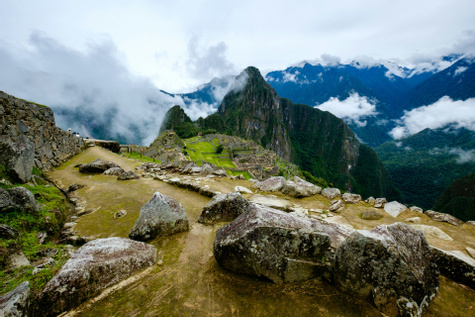
Laura explored Peru’s diverse landscapes on a curated 10‑day adventure that blended culture, history, and nature. She began in Lima’s coastal desert, visited the Palomino Islands for sea‑lion spotting, then trekked the high‑altitude ruins of Cusco and the Sacred Valley before sailing on Lake Titicaca’s shimmering plateau. Guides shared local customs and stories, letting her taste dishes and feel the timeless rhythm of Peruvian life, leaving her with an appreciation for the country’s vibrant heritage.
Peru
Peru for Two on a Budget
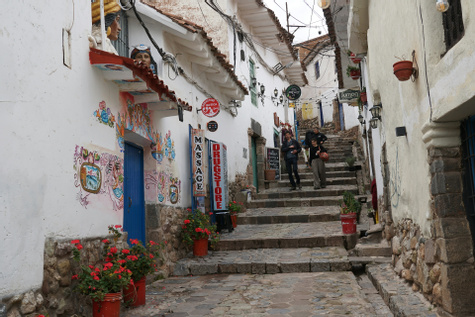
Embark on a vibrant Peruvian adventure where bustling city life meets ancient Andean wonders, contrasting modern Lima’s coastal energy with the mystique of the Sacred Valley. You'll wander Lima’s historic streets, then soar to Cusco’s high-altitude charm before trekking to the misty ruins of Machu Picchu and the colorful heights of Vinicunca Rainbow Mountain. Guided by knowledgeable locals, you'll taste traditional cuisine, hear Andean legends, and leave with a deeper connection to Peru’s rich heritage and breathtaking landscapes.
Peru
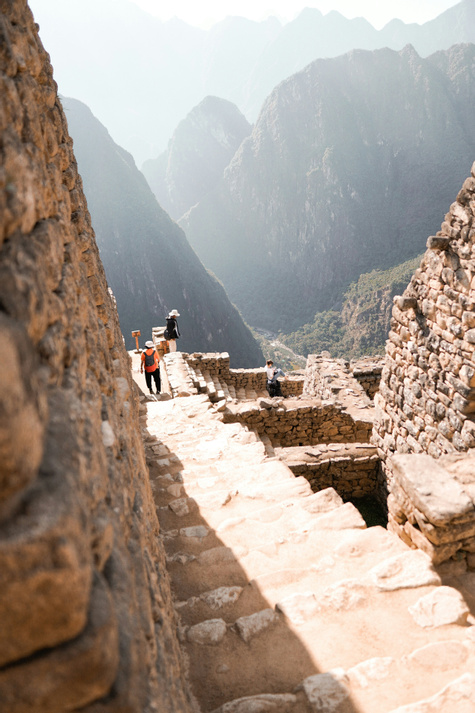
Our Multigenerational Journey
My sister and her family want to come next year, and possible another friend's family as well, so will definitely tell them to use Anywhere!!!
Peru
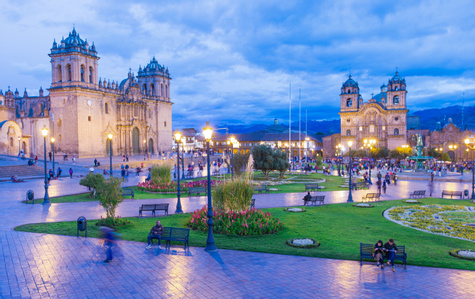
We Conquered Huayna Picchu
This was a very personal experience and Anywhere.com does an amazing job of having agents who are cultured and/or very familiar with the country to which you wish to visit. This allows the agent to listen to what you want to experience and then match you up with the right outfitter, vendor, excursion group, etc...I felt like Sara Nizama truly listened to my wants/needs and made them a reality. I am so happy with my Peru experience, thanks to Sara and her team. I want to go back soon and explore more of Peru with the help of Sara and her team. Thank you!
Peru
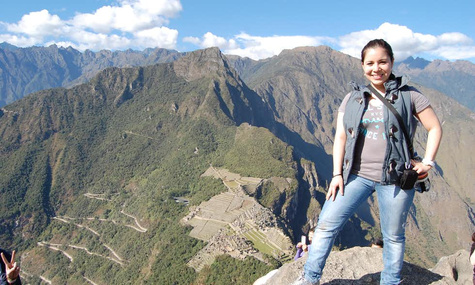
Wow, We Did it!
Excellent coordination and very helpful staff throughout the trip. Sara is the boss...she has good command of all aspects of our trip and provided the necessary help & support ...right from planning stage to boarding our flight back to US.
Peru
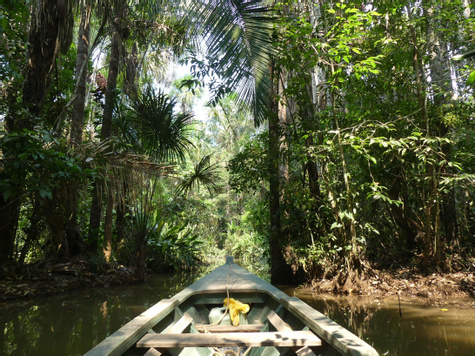
Experience The Heart of Peru
Very professional service, very good organization overall. Everything went smoothly. We ABSOLUTELY will recommend Anywhere.com to our friends. And for our future trips, we will first look at what anywhere.com is offering before looking elsewhere.
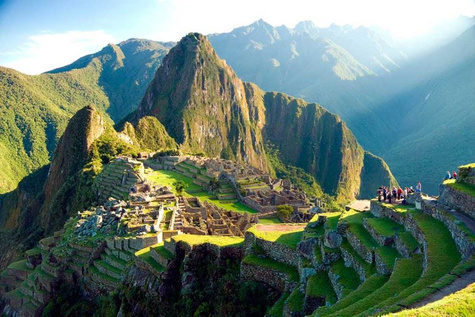
Peru
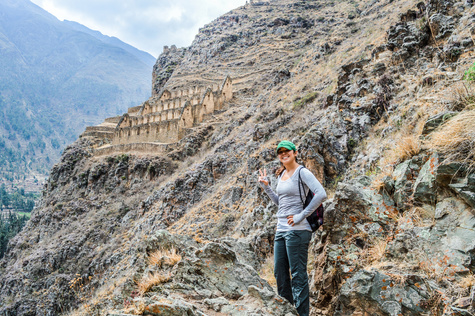
Romance in The Andes
After debating on which country to visit for our special trip, we finally decided on Peru. It was the best decision ever. Anywhere.com helped us arrange and make the most of our dream vacation!
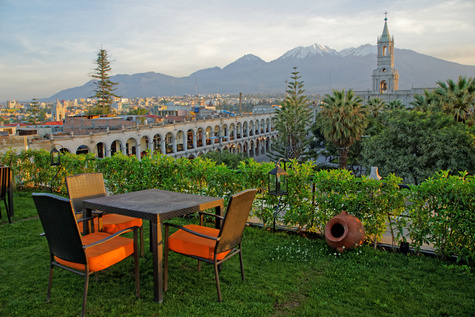
Peru
Insider-led Peru Design & Concierge
Your insider team designs the trip around what you care about, then supports you in-country with private logistics, vetted partners, and concierge help when plans change.