
Getting Around in Peru
After you've successfully gained entry into the country, your Peruvian adventure truly begins! You can pick your transportation in Peru based on your travel priorities—pick transport that’s the right combination of comfortable, fast, and affordable. Peru is a big country, so you may need to arrange for some longer trips if you want to fit all of the top destinations into one trip. The best time to visit Peru is when your schedule allows it; the best way to get around is a matter of how much of the country you want to see, and how quickly. Whether you take the slow scenic route, or stop in several destinations, there's a transportation option for you.
By Plane
Peru is a long country, studded with the mountains of the Andes. These mountains make Peru less than ideal for a road trip, especially one that you have to negotiate yourself.
Planes are a popular way to travel between Peru’s cities, especially if you’re trying to see all of Peru’s sites in just a couple of weeks.
Jorge Chavez Airport (LIM) in Lima is Peru’s largest international airport. There are also international airports in Iquitos, Arequipa, Piura, and Cusco.
By Rental Car
Rental cars are inconvenient for traveling around the country, especially between cities. Keep in mind that it can be dangerous to drive alone in rural areas, especially at night. Driving yourself around Peru is also difficult if you are unaccustomed to navigating several different types of terrain and seemingly abrupt weather changes (dependent upon your location).
Even if you’re staying within the city, keep in mind that driving attitudes are different in Peru, and drivers can be significantly more aggressive. Roads, especially the roads outside the city, are often not well maintained.
By Bus
Buses are some of the most common ways to get around Peru, and a good option for traveling between cities when you don’t want to take a plane. One of the main risks is luggage theft.
Buses take many forms in Peru. Larger buses that travel between cities are also called autobuses.
Urban buses are called combis or colectivos. Larger combis travel between cities. Micros are smaller versions of combis. Combis and colectivos are the cheapest way to get around Lima, and often also the quickest. Bring change—these buses do not have automated ticketing.
Luxury buses have assigned seating and bathrooms. They’re more expensive than regular buses, but still cheaper than renting a car.
By Train
Trains have the advantage of allowing you to take in more of the scenery.
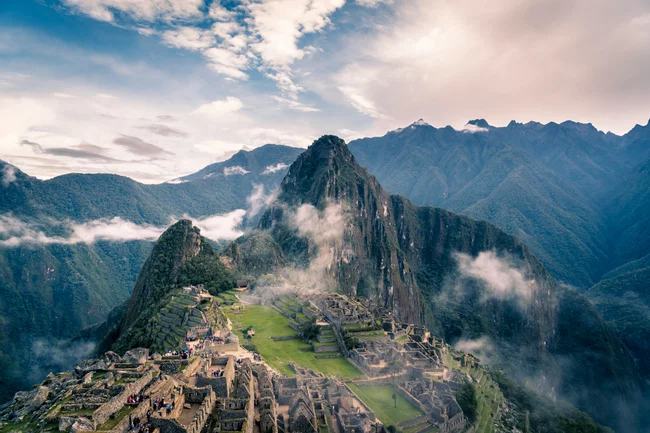
Many visitors choose to take a train to Machu Picchu from Cusco. You can take luxurious train rides that come with live music and gourmet meals.
There’s also train line that runs between Machu Picchu and Lake Titicaca.
By Taxi
Taxis can be quite expensive, and the price of a taxi ride is typically subject to some negotiation. You should agree on a price before getting into a taxi. They are notoriously expensive in Lima, and not subject to any kind of regulation.
Can you take public buses around Peru?
Yes. A wide network of long-distance buses connects almost every destination in Peru, most cities have a bus terminal, and the main routes run on well-maintained highways patrolled by highway police. Service levels vary a lot: the best coaches have reclining or bed-style seats, bathrooms, meals and onboard entertainment, and many run nonstop. In cities such as Arequipa and Cusco the companies share a single terminal; in Lima each company runs its own station.
Bus crashes are common, especially at night, so travel with reputable companies and avoid overnight journeys through the mountains where you can. Keep your passport and valuables on you rather than in the overhead rack; theft is more frequent on cheaper buses. Within cities, combis and colectivos are cheap but crowded and cash-only.
For comfort and flexibility, our Peru Insiders arrange private drivers and domestic flights for the long legs.
Is Peru bike-friendly?
In the countryside, yes; in the big cities, much less so. The best riding is in rural highland areas — the Sacred Valley, the hills outside Cusco and the canyon country around Arequipa — where you can rent mountain bikes or join a guided ride on dirt roads and single-track past villages and Inca terraces.
Cycling in Lima and other large cities is a different matter. Driving standards are poor: drivers often ignore stop signs and traffic lights, and fatal crashes are frequent, so we don't recommend riding in city traffic. At altitude, give yourself a few days to acclimatize before a long ride. Our Peru Insiders can build a guided cycling day with a support vehicle into your trip.
Related Travel Guides
- Archaeology in Peru
- A Taste of Peru
- Development and Society in Peru
- Environmental Issues in Peru
- Getting Around in Peru
- Getting to Peru
- Holidays and Festivals in Peru
- Is Peru Safe?
- Money in Peru
- Music and Art in Peru
- Peru Airbnb
- Peru Entry Requirements
- Peru's Government and Economy
- Peru Surfing Guide
- Peruvian archaeology
- Peruvian History
- Political Struggles in the 20th and 21st Centuries
- Protected Areas in Peru
- References
- Religion in Peru
- The Fujimori Regime and Economic Growth in the 21st Century
- The Inca Empire, Spanish Conquest, and Independence
- The People and Culture of Peru
Peru itineraries from local insiders
Explore hand-picked Peru itineraries designed by local insiders who know every hidden corner. Each trip is completely flexible, customized to your pace, travel style, and budget.
Family Expedition Across Peru
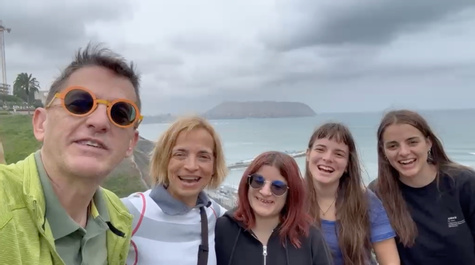
Elisa and her Greek family explored Peru’s diverse landscapes on a memorable 20 day adventure. They journeyed from the Paracas desert and Huacachina dunes to the high Andes of Arequipa, Colca Canyon, Lake Titicaca, and Machu Picchu. Friendly local guides shared traditions and stories, letting the family feel Peru’s warm hospitality and leaving them with a deeper appreciation for its vibrant heritage.
Peru
Andean Peaks to Lake Titicaca
The Anywhere team was planning and helping us thru out the process. Right from picking us up from the airport to dropping us back to the hotel. They created a WhatsApp group to communicate with us every day and answered our questions within a few minutes. Thanks to Lisbeth and Jose in Cusco. Eduardo in Machu Pichu, Anna Maria in Puno and Sara and Samuel in Lima. They are worked like a team to ensure our trip was well planned and executed. Big thanks to Cesar for the great planning and suggestions along the way.
Peru
Excursion Together
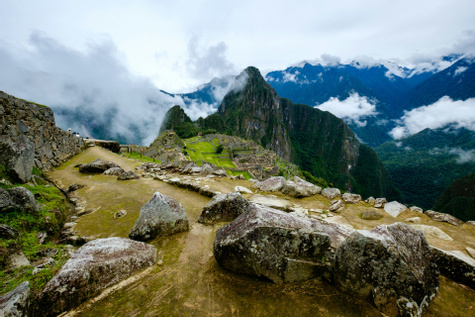
Laura explored Peru’s diverse landscapes on a curated 10‑day adventure that blended culture, history, and nature. She began in Lima’s coastal desert, visited the Palomino Islands for sea‑lion spotting, then trekked the high‑altitude ruins of Cusco and the Sacred Valley before sailing on Lake Titicaca’s shimmering plateau. Guides shared local customs and stories, letting her taste dishes and feel the timeless rhythm of Peruvian life, leaving her with an appreciation for the country’s vibrant heritage.
Peru
Peru for Two: Lima, Cusco, the Sacred Valley & Machu Picchu
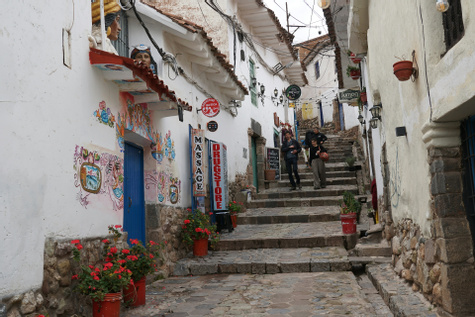
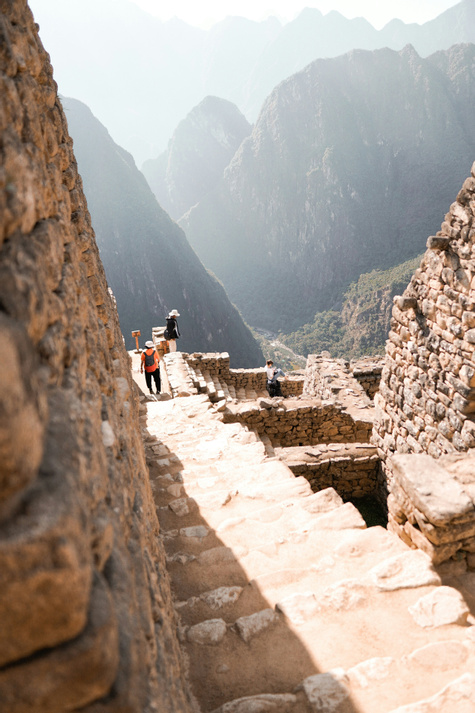
Embark on a vibrant Peruvian adventure where bustling city life meets ancient Andean wonders, contrasting modern Lima’s coastal energy with the mystique of the Sacred Valley. You'll wander Lima’s historic streets, then soar to Cusco’s high-altitude charm before trekking to the misty ruins of Machu Picchu and the colorful heights of Vinicunca Rainbow Mountain. Guided by knowledgeable locals, you'll taste traditional cuisine, hear Andean legends, and leave with a deeper connection to Peru’s rich heritage and breathtaking landscapes.
Peru
Our Multigenerational Journey
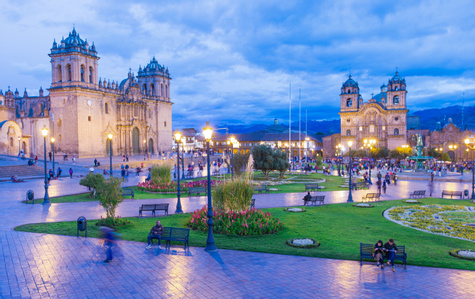
My sister and her family want to come next year, and possible another friend's family as well, so will definitely tell them to use Anywhere!!!
Peru
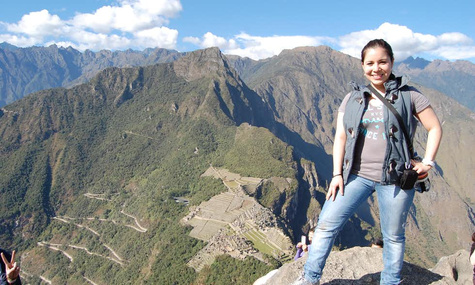
We Conquered Huayna Picchu
This was a very personal experience and Anywhere.com does an amazing job of having agents who are cultured and/or very familiar with the country to which you wish to visit. This allows the agent to listen to what you want to experience and then match you up with the right outfitter, vendor, excursion group, etc...I felt like Sara Nizama truly listened to my wants/needs and made them a reality. I am so happy with my Peru experience, thanks to Sara and her team. I want to go back soon and explore more of Peru with the help of Sara and her team. Thank you!
Peru
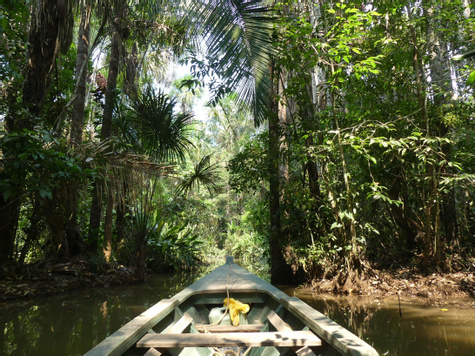
Wow, We Did it!
Excellent coordination and very helpful staff throughout the trip. Sara is the boss...she has good command of all aspects of our trip and provided the necessary help & support ...right from planning stage to boarding our flight back to US.
Peru
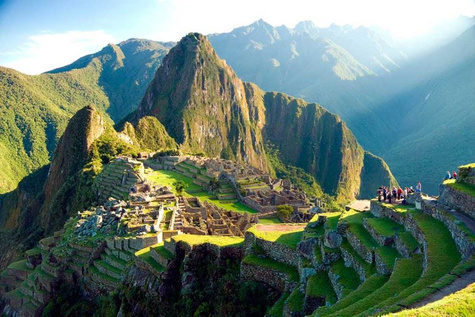
Experience The Heart of Peru
Very professional service, very good organization overall. Everything went smoothly. We ABSOLUTELY will recommend Anywhere.com to our friends. And for our future trips, we will first look at what anywhere.com is offering before looking elsewhere.
Peru
Romance in The Andes
After debating on which country to visit for our special trip, we finally decided on Peru. It was the best decision ever. Anywhere.com helped us arrange and make the most of our dream vacation!

Peru