
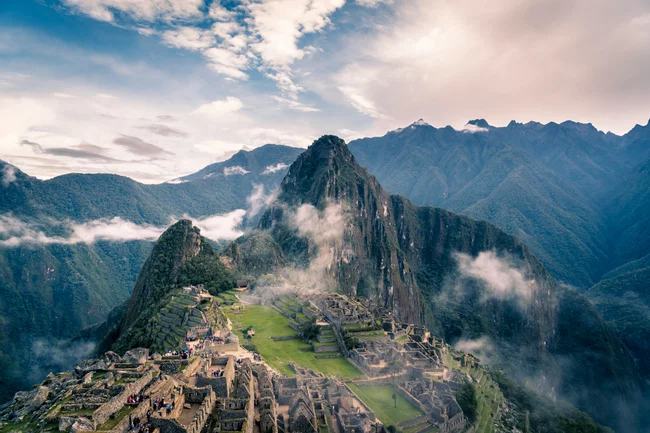
Environmental Issues in Peru
Peru’s environmental issues stem from the over-extraction and pollution of natural resources. Problematic industries include mining, oil and natural gas production, and illegal logging. This article takes a look at how the natural beauty of Peru has proven to be a mixed blessing, what measures have been taken to safeguard the environment, and why financially supporting sustainable tourism is crucial to protecting the planet.

Environmental Issues
For decades, the Peruvian government has lacked serious oversight of these industries. It has also seen corrupt politicians allow companies into environmentally fragile areas in exchange for bribes. In recent years, however, regulatory agencies have begun to crack down on pollution in Peru. Even so, there is still lots of work to do.
The very geographic features which fuel an adventurer's desire to take a holiday in Peru are the same features which have led to industries ignoring the fact that natural resources can run out. Peru's lush forests are an excellent source of lumber, as well as other resources which have accumulated due to the very fact that these regions were untouched for so long.
Oil & Gas
Oil and gas exploration in the Amazon has led to deforestation, soil and water pollution, and the displacement of local indigenous groups. Producers are seeking oil and gas in increasingly remote areas and are threatening to disrupt the ecological balance of these pristine ecosystems. Habitat loss due to the installation of pipelines can seriously threaten biodiversity.
Fights have also erupted between native Amazonians and the Peruvian government over resource extraction. In 2009, the Peruvian government allowed new oil and gas developers into the Peruvian Amazon without any input from local indigenous groups. A protest broke out that killed 33 people and injured 200. The Peruvian congress reversed the legislative decision afterwards.
Mining
Mining has also been an issue in Peru, having led to widespread water pollution. Copper, silver, gold, mercury, and zinc are all mined in Peru, and have polluted water supplies in central Peru and the Cordillera Huayhuash. As of 2009, three big gold mines in Madre de Dios, in southern Peru, had claimed some 38,300 acres (15,500 ha) of forest. Thousands of smaller mines–which account for at least half of the gold mining in this region–have also begun to negatively impact the land, polluting waterways and hastening deforestation.
Pollution & Waste
Sewage treatment is shoddy in parts of Peru and has led to water pollution in rivers and coastal areas. In fact, the beaches around Lima are sometimes deemed unsuitable for swimming. Waste disposal is also an issue, and recycling is virtually non-existent. It’s not uncommon to see plastic garbage stuck along the shores of some rivers.
Population
Population growth is at the root of many of Peru’s environmental issues. Trees are often chopped down for firewood and lands are overgrazed, both of which lead to soil loss and mudslides.
Traveling Sustainably
The Peruvian government has made headway in protecting its natural resources—there are now 75 protected areas in Peru, which make up about 15 percent of the national territory. As is so often the case, it’s a struggle between economic development and natural resource protection. The coming years will hopefully see more environmental stewardship in Peru.
Traveling sustainably helps advance environmental and social agendas in Peru. But how does one travel sustainably? By respecting the environments and communities that you visit.
The International Ecotourism Society (TIES) defines ecotourism as “responsible travel to natural areas that conserves the environment and improves the well-being of local people”. TIES suggests following these principles:
Minimize impact.
Build environmental and cultural awareness and respect.
Provide positive experiences for both visitors and hosts.
Provide direct financial benefits for conservation.
Provide financial benefits and empowerment for local people.
Raise sensitivity to host countries’ political, environmental, and social climates.
Support international human rights and labor agreements.
Whenever possible, choose hotels that value ecotourism. These hotels tend to reduce their environmental impact by recycling, minimizing energy use, and giving back to their local communities. By supporting them you are supporting the beliefs that they stand for.
It’s also important to abide by the 'Leave No Trace' principles while hiking and camping in Peru, especially when you’re on the Inca Trail or in the Cordillera Blanca. Be sure to hike and camp on durable surfaces and to respect all wildlife. Don’t take anything except pictures, and pack up all garbage and waste. Respecting the places that you visit will help ensure their preservation and protection.
Unfortunately, some individuals need to see tangible reasons for being kind to the planet. The lure of profiting from industries which are based around exhausting natural resources is far more tangible than arguments and data about completely destroying the Earth—something which individual officials and profiteers may never live to see. As more tourist dollars go toward the support of Peru's designated protected areas, the government has a greater incentive to focus its efforts on securing and expanding them, because (like other forms of industry) it's good for the Peruvian economy.
Related Travel Guides
- Archaeology in Peru
- A Taste of Peru
- Development and Society in Peru
- Environmental Issues in Peru
- Food and Drink in Peru
- Getting Around in Peru
- Getting to Peru
- Holidays and Festivals in Peru
- Is Peru Safe?
- Money in Peru
- Music and Art in Peru
- Peru Airbnb
- Peru Entry Requirements
- Peru's Government and Economy
- Peru Surfing Guide
- Peruvian archaeology
- Peruvian History
- Political Struggles in the 20th and 21st Centuries
- Protected Areas in Peru
- References
- Religion in Peru
- The Fujimori Regime and Economic Growth in the 21st Century
- The Geography of Peru
- The Inca Empire, Spanish Conquest, and Independence
- The People and Culture of Peru
- Weather in Peru
- When to Visit Peru
Peru itineraries from local insiders
Explore hand-picked Peru itineraries designed by local insiders who know every hidden corner. Each trip is completely flexible, customized to your pace, travel style, and budget.
Family Expedition Across Peru
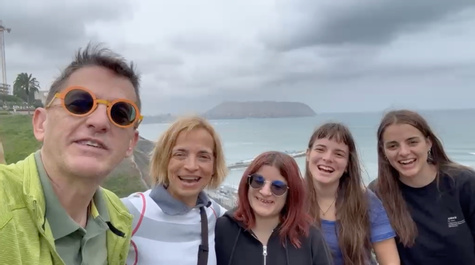
Elisa and her Greek family explored Peru’s diverse landscapes on a memorable 20 day adventure. They journeyed from the Paracas desert and Huacachina dunes to the high Andes of Arequipa, Colca Canyon, Lake Titicaca, and Machu Picchu. Friendly local guides shared traditions and stories, letting the family feel Peru’s warm hospitality and leaving them with a deeper appreciation for its vibrant heritage.
Peru
Andean Peaks to Lake Titicaca
The Anywhere team was planning and helping us thru out the process. Right from picking us up from the airport to dropping us back to the hotel. They created a WhatsApp group to communicate with us every day and answered our questions within a few minutes. Thanks to Lisbeth and Jose in Cusco. Eduardo in Machu Pichu, Anna Maria in Puno and Sara and Samuel in Lima. They are worked like a team to ensure our trip was well planned and executed. Big thanks to Cesar for the great planning and suggestions along the way.
Peru
Excursion Together
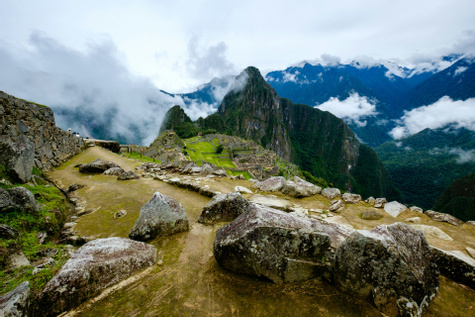
Laura explored Peru’s diverse landscapes on a curated 10‑day adventure that blended culture, history, and nature. She began in Lima’s coastal desert, visited the Palomino Islands for sea‑lion spotting, then trekked the high‑altitude ruins of Cusco and the Sacred Valley before sailing on Lake Titicaca’s shimmering plateau. Guides shared local customs and stories, letting her taste dishes and feel the timeless rhythm of Peruvian life, leaving her with an appreciation for the country’s vibrant heritage.
Peru
Peru for Two on a Budget
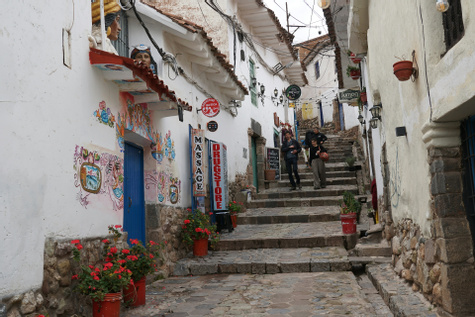
Embark on a vibrant Peruvian adventure where bustling city life meets ancient Andean wonders, contrasting modern Lima’s coastal energy with the mystique of the Sacred Valley. You'll wander Lima’s historic streets, then soar to Cusco’s high-altitude charm before trekking to the misty ruins of Machu Picchu and the colorful heights of Vinicunca Rainbow Mountain. Guided by knowledgeable locals, you'll taste traditional cuisine, hear Andean legends, and leave with a deeper connection to Peru’s rich heritage and breathtaking landscapes.
Peru
Our Multigenerational Journey
My sister and her family want to come next year, and possible another friend's family as well, so will definitely tell them to use Anywhere!!!
Peru
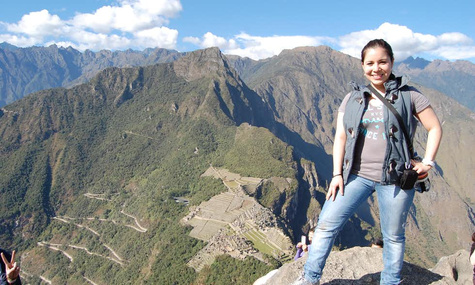
We Conquered Huayna Picchu
This was a very personal experience and Anywhere.com does an amazing job of having agents who are cultured and/or very familiar with the country to which you wish to visit. This allows the agent to listen to what you want to experience and then match you up with the right outfitter, vendor, excursion group, etc...I felt like Sara Nizama truly listened to my wants/needs and made them a reality. I am so happy with my Peru experience, thanks to Sara and her team. I want to go back soon and explore more of Peru with the help of Sara and her team. Thank you!
Peru
Wow, We Did it!
Excellent coordination and very helpful staff throughout the trip. Sara is the boss...she has good command of all aspects of our trip and provided the necessary help & support ...right from planning stage to boarding our flight back to US.
Peru
Experience The Heart of Peru
Very professional service, very good organization overall. Everything went smoothly. We ABSOLUTELY will recommend Anywhere.com to our friends. And for our future trips, we will first look at what anywhere.com is offering before looking elsewhere.
Peru
Romance in The Andes
After debating on which country to visit for our special trip, we finally decided on Peru. It was the best decision ever. Anywhere.com helped us arrange and make the most of our dream vacation!
Peru
Insider-led Peru Design & Concierge
Your insider team designs the trip around what you care about, then supports you in-country with private logistics, vetted partners, and concierge help when plans change.