Vietnam
Vietnam is a long, narrow country, with a serpentine shape that you’ll often hear compared to a dragon’s spine. In fact, you’ll find many features of Vietnam’s landscape compared to dragons — the country’s favorite mythical beast. According to legend, the Vietnamese are descendants of the union between a dragon and a mountain fairy. Vietnam’s true history is one of a many centuries-long battles to fend off invading countries that want Vietnam's beautiful land and balmy shores for themselves.
About Vietnam
Vietnam covers 127,880 miles (331,210 sq km), which is about the same size as New Mexico. It shares its western border with Cambodia and Laos (visitors often combine their visit to Vietnam with a trip to Cambodia and Angkor Wat). It also borders China to the north, and to the east, Vietnam’s shore meets the East Sea.
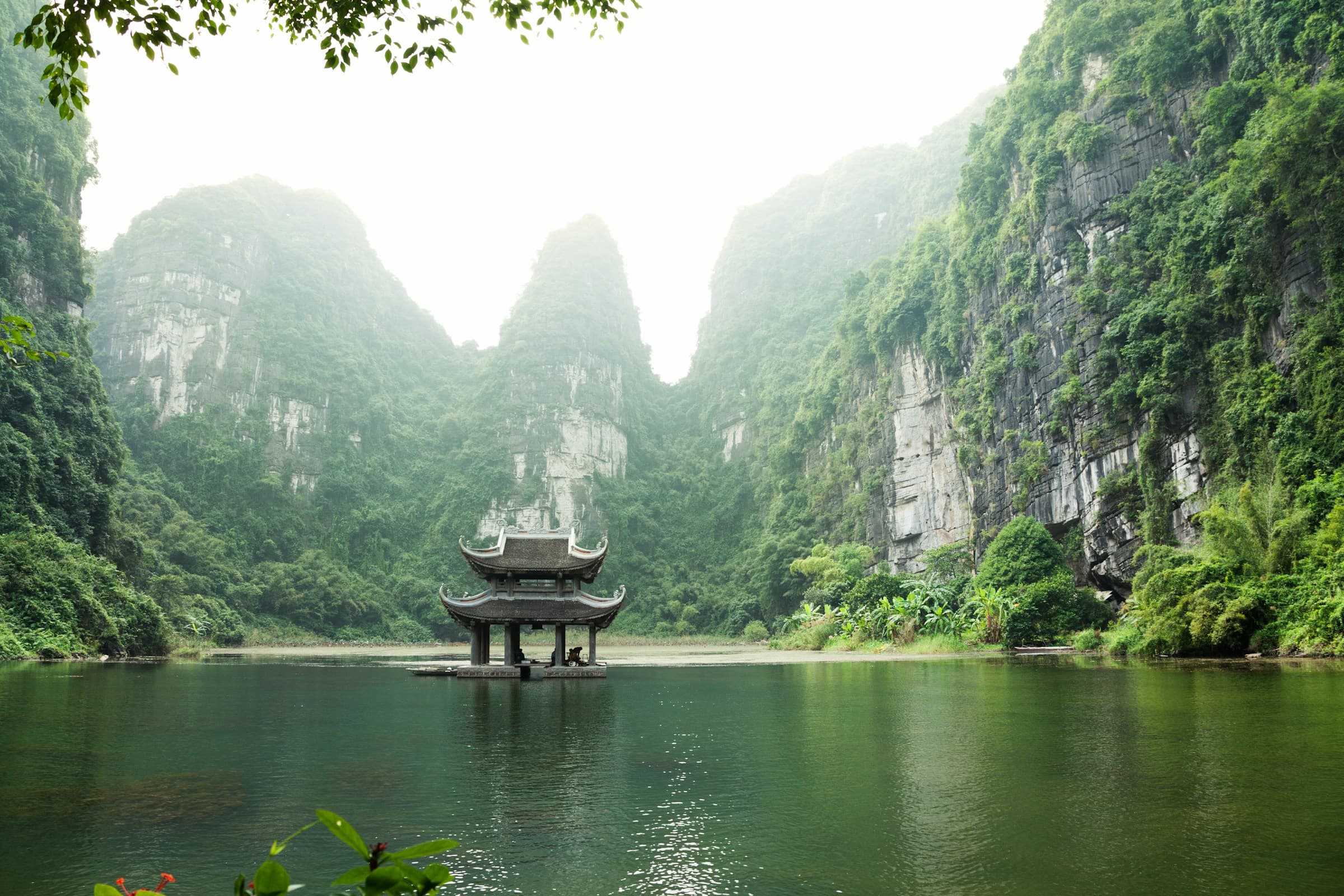
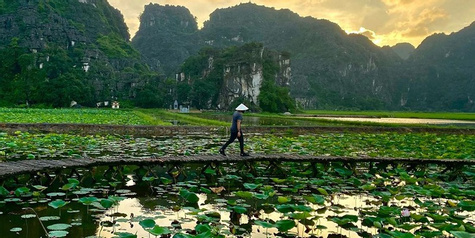
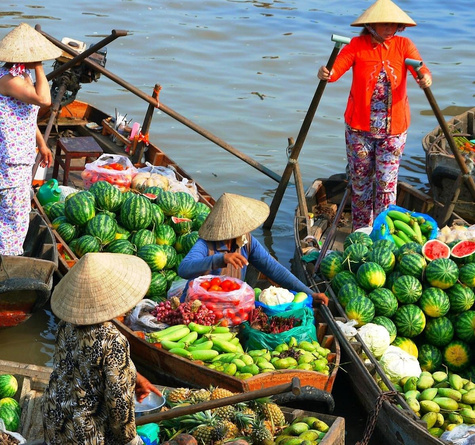
In northern Vietnam, limestone karsts create a dramatic landscape. You can see the karsts on sightseeing tours of Ninh Binh and Halong Bay . North Vietnam is also characterized by the foothills of the Himalayas. In southern Vietnam, the Mekong Delta bristles with soggy rice paddies. Water buffalo wade in the shallows, nibbling at the vegetation. Central Vietnam has rolling hills, lots of agriculture, and the occasional ancient citadel that makes the countryside especially photogenic.
Browse our best hand-crafted itineraries
Get inspired and explore our curated collection of hand-crafted trips. From romantic honeymoons to family adventures, every itinerary is completely flexible and tailored to your needs.
Deep into Vietnam & Cambodia
Our favourite country so far, 2nd time going. The food is amazing, the history and culture are vibrant and fabulous to participate in, and the people are so warm, friendly, kind and welcoming. It’s inexpensive but top quality and everywhere you go, you are welcomed. They work hard to help you and are open to learning English and happy to work with you via translate apps etc to accommodate anything from ordering food, to paying for items, to directions to places. Every menu had photos and moat things have English descriptions too. English is widely spoken too. There’s so much to see and do in the country that there’s something for everyone no matter what you’re interested in.
Vietnam
Vietnam, Cambodia & Thailand Immersion
Tali explored the cultural tapestry of Vietnam and Cambodia on a 17‑day adventure. Travelers trekked from Hanoi’s bustling streets to Ninh Binh’s karst cliffs, glided through Halong Bay, explored Hoi An’s lantern river, and toured Angkor’s temples. Friendly local hosts and knowledgeable guides brought history to life, leaving Tali with a deep appreciation for the region’s vibrant traditions and timeless landscapes.
Vietnam
Vietnam's Saigon and Mekong to Siem Reap and Phnom Penh Cambodia
This itinerary was designed by our experts to showcase the range of experiences we can cater to in Vietnam and Cambodia trip. All services are 100% customizable to fit your travel dates, budget, and preferences. Do you need to find different hotels, alternative lodging or other activities? Our experts in Southeast Asia can assist you with your requests. Send us an email to book your personal trip to Vietnam and Cambodia.
Vietnam
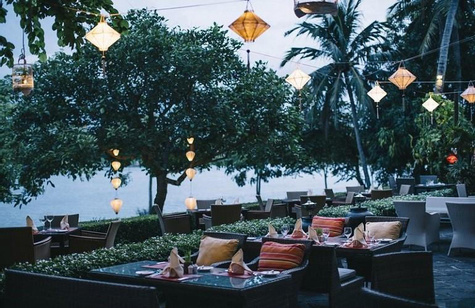
Cruise the Mekong River from Siem Reap Cambodia to Saigon Vietnam
This itinerary is the starting point for a great trip to Vietnam & Cambodia. All services can be customized to suit your travel needs, dates, and budget. You may be looking for hotels or other options, such as alternative lodging. Our local experts will help you in Southeast Asia. Get in touch to plan your trip to Vietnam, Cambodia and other Southeast Asian countries.
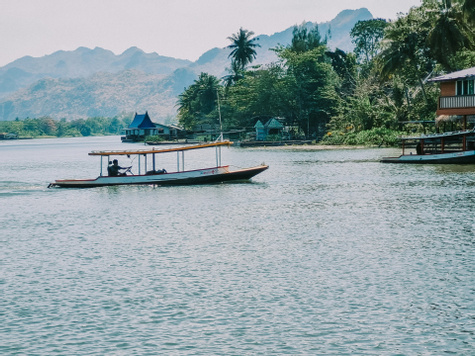
Vietnam
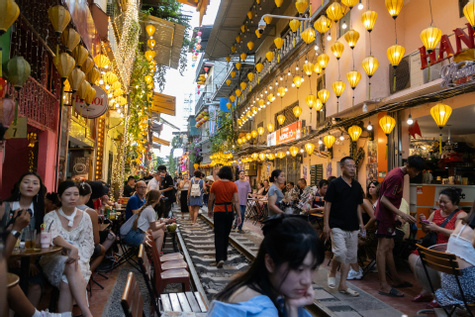
Saigon and Mekong Cruise in Vietnam plus Siem Reap Cambodia
This itinerary will help you plan a trip to Vietnam or Cambodia. All services can be customized to meet your travel preferences, dates and budget. Are you looking for alternative lodging, activities or hotels? You can count on the expertise of our local experts in Southeast Asia to meet your needs. For a personalized trip to Vietnam or Cambodia, get in touch with us today.
Vietnam
This Vacation Will Be Legendary!
This is the ‘see it all’ trip that you and your friends have been craving. Travel across Vietnam as you explore sights, cuisine, and awesome adventures. This vacation, go big!

Vietnam
Our Big Adventure in Vietnam
You and your best mates are going on a grand excursion of Northern Vietnam. Enjoy the nation’s diverse activities and landscapes; highlights include Mai Chau’s ecolodge and Sapa.

Vietnam
Our Family Week in Vietnam
You and your family are in for an eventful week when you go on a grand tour of Vietnam. It's perfect for families on a tight schedule, without making you feel pressed for time.
Vietnam
Solo Excitement in Vietnam
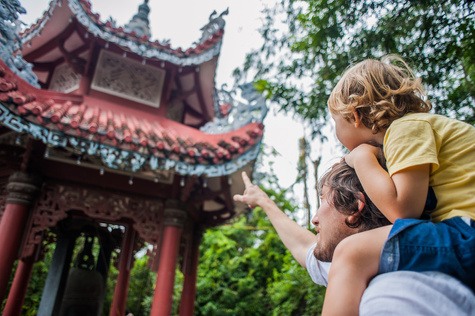
Treat yourself to a getaway where you can relax and unwind. Explore when you want to, and make the most of your ‘me time’ on the beach when you want to. This is Vietnam YOUR way.

Vietnam
The best places to visit in Vietnam
From iconic landmarks to hidden gems, explore the Vietnam destinations our local insiders recommend most.
Hanoi
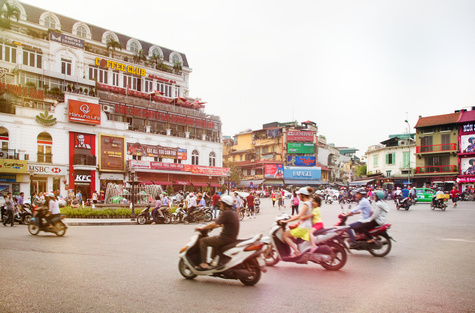
Hanoi, the capital of Vietnam, is a city where ancient traditions and modern life exist side by side. Located along the banks of the Red River, it is one of Southeast Asia’s oldest capitals, with a history that stretches back over a thousand years. Founded in 1010 under the Ly Dynasty, Hanoi was originally named Thang Long, meaning “Ascending Dragon.” Over centuries, it has witnessed periods of Chinese domination, Vietnamese independence, French colonial rule, and modern development, each leaving a distinct mark on the city’s identity. Today, Hanoi stands as a cultural and political heart of Vietnam, where history is not just preserved in museums but lives on in its streets, architecture, and daily life.
Ho Chi Minh City
There’s no better place to get a feel for urban Vietnam than the energetic streets of Ho Chi Minh City. This is Vietnam's largest city and one of the country's most free-spirited destinations. Still referred to as ‘Saigon’ by locals, it is known for hordes of motorbikes, mouthwatering food, and hip coffee shops.
Hoi An
If ever Vietnam had its own storybook town, it would be Hoi An. It’s a rare traveler who fails to be taken in by Hoi An’s rich history and enchanted by its shimmering lanterns.
Hue
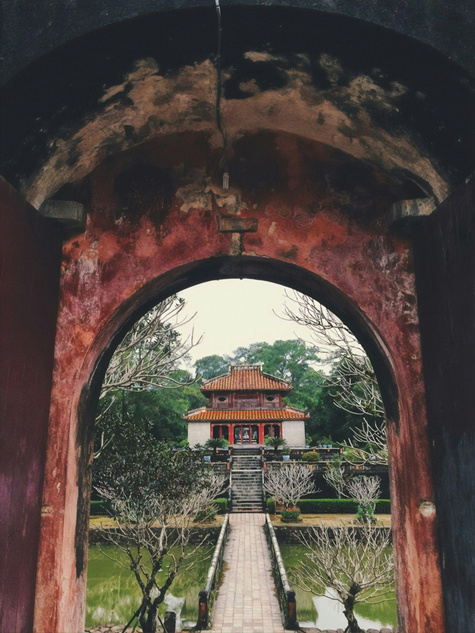
For every Vietnamese city that races headlong into the future, there’s one that’s just as firmly rooted in past. Hue is a historical destination and a fantastic stop for travelers who want to plunge into Vietnamese culture. This city isn’t completely frozen in time — Apple stores, large hotels, and sleek pubs have begun pop up just beyond historic district — but Hue is still largely a city where life drifts along with the leisurely current of the Perfume River.
Ha Long Bay
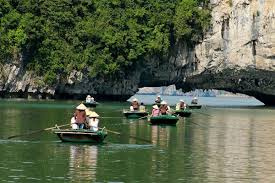
The name Ha Long means “descending dragon” – a fitting title for a bay steeped in mystical legends and boasting scenery to match. There are countless tales of how and why the name came about. One of the most well-known tells of a dragon that came down from the sky, spitting thousands of pearls from its fiery mouth, which became the islets and karsts that now dot the bay.
Sapa
Sapa is a must-see on a trip to northern Vietnam. The hotels and cafes offer incredible views of the mountains and valleys.
Phu Quoc Island
Located in the glittering expanse of the Gulf of Thailand, Phu Quoc is Vietnam’s very own island paradise. Neighbouring the similarly paradisiacal islands of Cambodia, Phu Quoc features long stretches of idyllic sand; dense untouched jungle, and a growing collection of mega resorts. But with over 221.6 square miles (574 sq km) of land, there is still a slice of island for everyone.
Culture and What to Expect
Vietnamese culture is conservative, with an emphasis on manners and deference toward elders. You’ll find strangers are eager to help and offer directions, and that merchants aren’t shy about urging customers into their shops. Service in restaurants has a decidedly European feel — servers don’t rush to refill drinks or bring the bill.
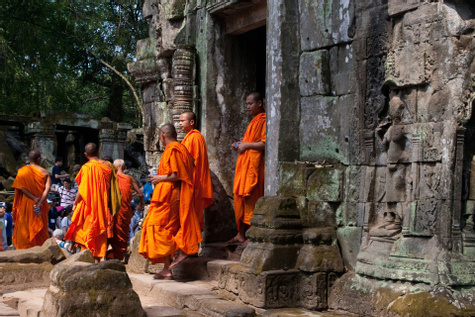
Buddhist temples and pagodas have richly decorated interiors that waft incense toward the heavens. Ancient temples that dot the countryside tell the story of shifting influences from China, Thailand, and India. Of course, Europeans eventually had a say as well — France colonized Vietnam in the 19th century, bringing with them Roman Catholicism. The Virgin Mary is still a common sight in Vietnamese homes, although the population is overwhelmingly Buddhist.
Food and Dining Out
Visitors in Vietnam don’t need to consult restaurant reviews before deciding where to eat. Just follow your nose, or ask your guide where their favorite local spots are. Vietnamese people are passionate about food and have strong opinions about where to try authentic dishes.
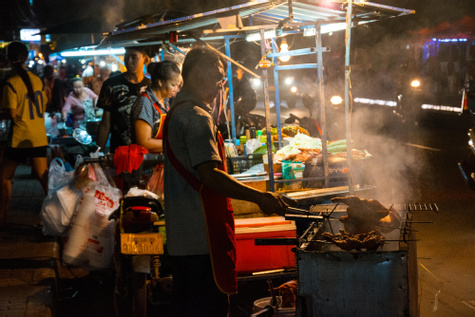
Some of the nation’s best cuisine is served in the humblest of settings. These restaurants have child-sized plastic chairs and tables set up on the sidewalk. They serve spiced meats, noodle dishes, and savory snacks alongside copious amounts of beer. Start off every day with a cup of strong Vietnamese coffee, and continue to re-up your caffeine throughout the day — there’s always a café or a stand nearby.
Towns and Cities
Hanoi is the capital city, located in northern Vietnam, nearby tourist favourites like Sapa and Halong Bay. Ho Chi Minh City (formerly Saigon) is the southern capital and the largest city in Vietnam. It neighbours the ‘rice bowl of Vietnam,’ the Mekong Delta . In between, you’ll find the historic town of Hoi An and and the port city of Da Nang
Environment and National Parks
Although cities in Vietnam struggle to keep on top of their pollution issues, the countryside has miles of pristine rice paddies and lakes, as well as a good selection of well-maintained national parks. Caves and karst formations define the topography of central Vietnam , and you can travel north to see some of the country’s highest mountains. Southern Vietnam is home to the country’s most beautiful beaches.
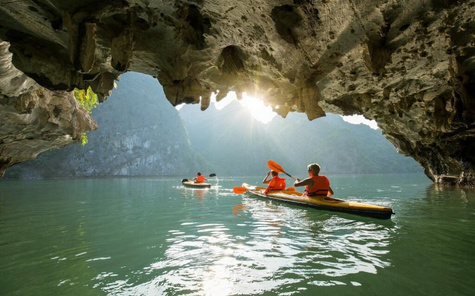
Halong Bay is the most iconic of Vietnam’s attractions. Karst formations jut from the blue-green bay, and the surface of the water teams with tour boats. Tours make stops for visitors to explore the water on their own, either via kayak or rowboats. On the edge of the bay you can also visit enormous caves with colorful mythologies.
Vietnam’s fabled Marble Mountains have limited access for visitors. Locals spent many years hacking away at the mountains, and shops near the base of the mountain capitalize on the area's reputation for fine marble (although their wares aren't necessarily made from Vietnamese marble). They sell finely carved trinkets and patio furniture as well as enormous statues of Buddha, the Virgin Mary, and exotic animals.
Phong Nha – Ke Bang National Park is in central Vietnam, and it has received a UNESCO World Heritage designation. It has networks of underground rivers and caves, and a landscape marked by karst formations. You can explore the Phong Nha Cave by boat, and wander through the cavernous emptiness of the Son Doong Cave , which is believed to be the largest cave in the world.
Mui Ne beach is known for its golden sands, and in recent years has become the kitesurfing capital of the world. This area is known as one of the most beautiful beaches in Southeast Asia. It’s located in southern Vietnam, just 4 hours away from Ho Chi Minh City.
You can find the Fansipan Mountain in the Hoang Lien National Park. Mount Fansipan is known as the “roof of Indochina,” and reaches 10,312 feet (3,143 m), making it the highest mountain in Vietnam and one of the tallest in all of Southeast Asia. The hike to the summit takes 2 days. For a quicker trip, there’s also a cable car that takes visitors to the top, on a journey high above the breathtaking Sa Pa mountains.
When is the best time to visit Vietnam?
March to May and September to November are the best months for a north-to-south trip, when most of the country is warm and fairly dry. Tết, the Lunar New Year in late January or February, is Vietnam's biggest holiday: trains, flights and hotels fill with Vietnamese travelers and many businesses close for several days, so plan around it.
- North (Hanoi, Ha Long Bay, Sapa): best April–June and September–November; cool and misty from late December to March, with occasional snow in Sapa; hot, stormy summers.
- Central (Hue, Hoi An, Da Nang): dry and sunny March–August; heavy rain and flood risk September–December.
- South (Ho Chi Minh City, Mekong Delta): dry December–April; a dependable afternoon downpour May–November.
- Typhoons: roughly June to November, mainly on the north and central coast.
Plan it with a Vietnam Insider .
Society and Economy
Since the Vietnam War overshadows so much of the country’s history, visitors are often surprised to experience the incredible momentum of the Vietnamese economy and the obviously thriving population. For its relatively small size, Vietnam is the 15th most populous country in the world with an impressive 92.7 million people. The country recognizes 54 ethnic minorities across its 58 provinces, and the majority are Kinh Vietnamese (86 percent).
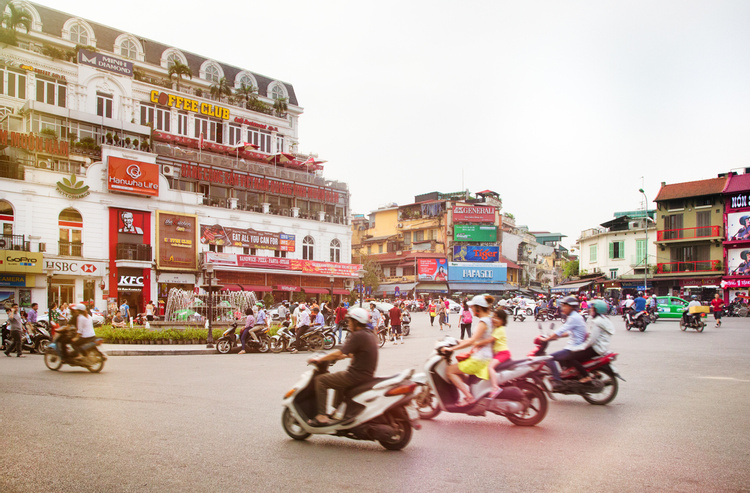
Cities in Vietnam are busy places, with modern highways that swarm with thousands of the motor scooters. Although there are plenty of cars and buses, many Vietnamese people find that scooters are a more affordable option. Crossing the street can seem tricky, but just watch the locals and follow suit.
After a decade trying to recover from the ravages of war, the Communist government began allowing more private enterprise and encouraging private investment. Because of this, Vietnam’s economy has grown steadily, and poverty has reduced drastically.
Modern Vietnam is a socialist republic. The country has embraced its own kind of capitalism and is booming at an economic rate of 8 percent per year. In particular, the people of Vietnam are opening their arms wide to an influx of tourists and the whole country is reaping the economic rewards. Coming from a largely agricultural background, this impressive acceleration has created an intriguing confluence of the old and the new.
Vietnam Travel FAQs
Is Vietnam safe to visit?
Yes. The U.S. State Department rates Vietnam Level 1, 'exercise normal precautions' (as of September 2026), and violent crime against visitors is rare. The usual problems are petty: drive-by bag and phone snatching in busy parts of Ho Chi Minh City and Hanoi, overcharging taxis and unlicensed guides. Keep phones and cameras away from the traffic side, use metered Mai Linh or Vinasun taxis or a booked driver, and treat traffic as the main hazard. Drug penalties are severe. In rural areas, stay on marked paths, as unexploded ordnance remains. At the beach, watch for undertow. A private driver and your Vietnam Insider on call take care of most of it; see transfers in Vietnam .
Can you drink the water, and what about vaccines, mosquitoes and medical care in Vietnam?
Don't drink the tap water; stick to sealed bottled water. No vaccines are required for entry from the U.S.; the CDC recommends hepatitis A and typhoid for most travelers and hepatitis B if you aren't already vaccinated, with Japanese encephalitis and rabies considered for longer rural trips (as of September 2026). Malaria occurs only in some rural areas, and there is none in Hanoi, Ho Chi Minh City or Da Nang. Dengue is a year-round risk, so use repellent. Hanoi, Da Nang and Ho Chi Minh City have international hospitals with English-speaking staff; rural care is basic, so carry insurance that covers evacuation. Emergency: police 113, ambulance 115. Plan your Vietnam trip .
Does Vietnam get hurricanes?
Yes, as typhoons. The season runs roughly June to November, and storms and flooding hit the north and the central coast hardest; Hue and Hoi An typically get heavy rain and floods from September to November, as they did again in late 2025. The south is less exposed to typhoons, though the Mekong Delta floods seasonally. Earthquakes are generally mild and rarely affect travel. For autumn trips we plan the central coast with flexible days and move them when storms are forecast; talk it through when you plan your Vietnam trip .
What should I drink in Vietnam?
Start with bia hơi, fresh, preservative-free draft beer brewed daily and poured in busy beer halls that also serve good food. Hanoi, Ho Chi Minh City (as Saigon) and Hue each have their own light lager, typically around 4% alcohol. Rice wine is the traditional drink, usually homemade from fermented sticky rice and strong, so try it at a homestay with your hosts. Wine and cocktails are easy to find at upscale hotels and bars catering to international guests, less so elsewhere. Your Vietnam Insider knows the best bia hơi corners.