Is Ecuador Safe?
Yes for the Galápagos, Quito, the Andes and most Amazon lodges, with careful planning; much of the coast is another matter right now. The U.S. State Department rates Ecuador Level 2, "Exercise Increased Caution," in its October 14, 2025 advisory, but Level 4, Do Not Travel, for southern Guayaquil, Durán, Esmeraldas and several other coastal-province towns. A 60-day security state of emergency began September 15, 2026 in eight provinces, including Quito's.
Reviewed by Percy Coll Santillan, Local Insider ·
How Safe is Ecuador?
Many travelers still visit Ecuador safely, but it has changed since the early 2020s. Violence tied to drug trafficking has risen sharply, and the State Department now lists crime, terrorism, unrest and kidnapping as risks; it says violent crime linked to narcotrafficking is common and that U.S. citizens have been victims of kidnapping and extortion. Most of that violence is between gangs and concentrated in the coastal provinces.
The places at the heart of most trips, the Galápagos, Quito, the highlands around Otavalo, Cotopaxi and Cuenca, and the Amazon lodges of Napo, Orellana and Pastaza, are outside the U.S. Level 3 and Level 4 areas. There, the realistic risks are petty theft, express kidnapping from street-hailed taxis and drugged drinks. Careful planning, vetted drivers and good guides are your best defense.
Is Ecuador Safe for A Vacation?
Yes, if the vacation is built around the Galápagos, Quito and the highlands, and the Amazon. Those are nature-first trips, and the main risk there is petty crime, while the serious violence is concentrated on the coast. What has changed is that Ecuador is no longer a place to improvise: the State Department advises against, or asks travelers to reconsider, travel to much of the coast, including Guayaquil, Manabí and Santa Elena, home of Montañita.
Plan activities through reputable providers. Most adventure activities need no experience and providers supply the gear, and a good local guide knows which areas to route around this month.
Is Ecuador Safe to Travel for Families?
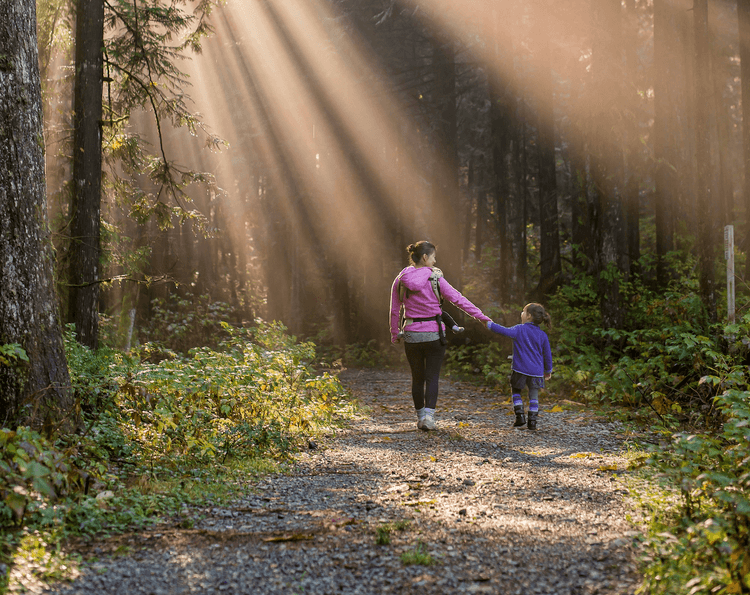
Yes, Ecuador is not only safe for families, it’s a great destination for families. Ecuador has a family-oriented culture, and you’ll find everywhere you visit is prepared to accommodate travelers of all ages. There are plenty of family-friendly resorts, as well as tours that cater to young visitors’ natural curiosity. As long as you plan ahead, your whole family can easily experience the best of what Ecuador has to offer. This is where having a carefully curated itinerary comes in handy, since the more help you have planning, the less margin there will be for error. As you plan, your Anywhere Local Expert can answer any questions you might have about whether an activity is family-friendly.
Is Ecuador Safe to Travel Alone?
Yes, you can travel safely in Ecuador, even if you’re alone. That being said, solo travelers should avail themselves of private transportation, which allows you to enjoy time to yourself, instead of remaining extra vigilant about your personal belongings. Traveling alone can be an incredible, freeing experience, but it doesn’t mean you have to be lonely – keep in mind that you’re also never far from a friendly group tour.
A note of caution: It’s best not to wander unfamiliar city streets at night, especially in higher-crime cities like Guayaquil and certain parts of Quito.
Is Ecuador Safe for Women Traveling Alone?
Yes, Ecuador is relatively safe for solo female travelers. Why “relatively”? Well, women traveling alone should always take an extra dose of precaution, no matter where they travel. Even if you’re a seasoned, savvy traveler, there will always be a perception of vulnerability.
Private transportation is recommended for solo female travelers. Women should not drive alone in Ecuador: smash-and-grab thieves often target women driving alone. If you take a cab, do not hail one from the street. Make sure to call a reputable taxi company.
Women do frequently encounter some minor sexual harassment. Central American culture embraces machismo — a kind of “boys will be boys” mentality that makes unwanted attention like catcalling a fairly regular occurrence. Based on reports from locals and travelers alike, it seems that ignoring obnoxious overtures is the best way to go. Keep in mind that this type of treatment will vary quite a bit by destination. Guayaquil and Quito are larger and generally more dangerous cities, and you should plan your travels here as a solo female traveler especially carefully. No matter where you go, sticking to a group and taking a taxi is generally a good idea, but in these destinations it’s especially recommended. If you’re planning a vacation that revolves around nature hotspots like Mindo, the Amazon, and the Galapagos, tour groups can help create a safe environment while you explore.
Unfortunately, it’s a fact of life that solo female travelers must avoid accepting drinks from strangers, leaving drinks unattended, or getting intoxicated in public. Most crimes committed against tourists are crimes of opportunity, so take these basic precautions to avoid creating an opportunity.
Are Ecuador Hotels Safe?
Yes, Ecuador’s hotels are generally quite safe. For your piece of mind, you can always store your passport, cash, laptops, and other valuables in your room’s safety deposit box. If your room doesn’t have one, often you can use the hotel’s – just ask the front desk. Also, it’s a good idea to be especially vigilant outside of your hotel, as petty theft is more likely in areas where there are high concentrations of visitors.
How to Not Get Sick on Vacation in Ecuador?
You’ll avoid sickness in Ecuador the same way you avoid illness everywhere else, with a few extra precautions thrown in. If you’re at all worried, or have had stomach issues on previous trips, it never hurts to bring an antacid (like Tums) with you. Knowing what to expect is half the battle, so keep reading to learn how to avoid the most common risks.
Is The Water Safe to Drink in Ecuador?
No, Ecuador’s tap water is not safe to drink. It often contains bacteria that will upset your stomach. Carry purified bottled water with you. You can also bring iodine tablets with you to purify your water on the go. In a pinch, boiling water for a few minutes will kill bacteria, although this method isn’t recommended and is only to be used in emergencies. It may seem like a hassle at first, but bottled water is so readily available that you’ll soon get used to it.
Be careful of fruit juices – they’re often diluted with water. They can also be mixed with milk, which may be unpasteurized. Ice cubes are typically made from tap water, so make sure to ask for your drink without ice.
Is The Food in Ecuador Safe?
Yes, food in Ecuador is more than safe – it’s hearty, satisfying, and often accompanied by fresh, tropical fruit. As you’ll see stated elsewhere in this article, there are some general rules that apply. It’s safer to eat meat and eggs that have been cooked completely. Food from street vendors is a delicious part of cuisine from Ecuador, but know that it generally poses a higher risk than food from brick-and-mortar restaurants.
Is It Safe to Eat The Local Fruits and Vegetables in Ecuador?
Yes, fruits and vegetables are safe to eat in Ecuador. That being said, it’s important to remember that water isn’t safe to drink, and fruits and vegetables can make you sick if they were washed with contaminated water. If you buy fruit, wash it yourself with purified water, and make sure to carefully peel the skin. The same goes for vegetables. Do not eat salad from a restaurant, unless the restaurant explicitly states that they wash their raw vegetables in decontaminated water.
How to Stay Safe Outdoors During Your Vacation in Ecuador?
Sunburn is the number one concern to look out for on your outdoor vacation in Ecuador. Make sure to always have sunscreen with you, and wear a hat. As long as you follow your guide’s instructions, you can be sure that you’ll have a safe, fun trip to see the sights in the great Ecuadorian outdoors.
Is it easy to get a sunburn in Ecuador?
Yes, very. Ecuador straddles the equator, and much of any trip is at altitude: the WHO notes that UV rises with altitude and can stay high under cloud, so a cool, overcast day in Quito or on Cotopaxi can still burn. On the Galápagos, the equatorial sun reflects off water and white sand, and boat days leave you exposed for hours. The CDC says UV exposure is highest near the equator, at high elevation and between 10 a.m. and 4 p.m.
Use a broad-spectrum sunscreen of SPF 30 or higher and reapply after swimming, and add a wide-brimmed hat, UV-blocking sunglasses and a long-sleeved shirt or rash guard for snorkeling. Drink plenty of water.
How to Stay Safe at The Beach in Ecuador?
Stay safe at Ecuador’s beaches by taking the same precautions you would anywhere else. Do not swim when the surf is too rough, and if you’re not sure, wait until a lifeguard is on duty. Also, while it may be tempting to run straight into the surf, you shouldn’t leave any of your belongings unattended.
Is It Safe to Swim in The Ocean in Ecuador?
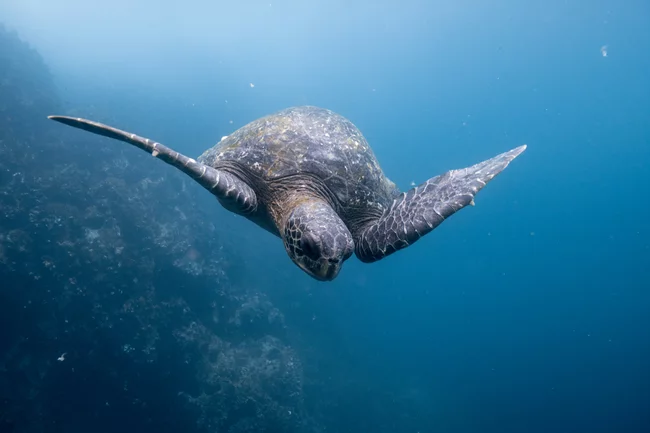
On the Galápagos, generally yes, with your naturalist guide choosing the spot; on the mainland coast, it's complicated right now. Many Galápagos excursions include snorkeling at sheltered sites your guide picks. In the shallows, don't touch sea urchins, and leave any sea snake that washes up alone; they are venomous.
Mainland beaches have strong, fast-changing currents and don't always have warning flags; the UK government notes a risk of drowning. The mainland beach towns, including Montañita and Atacames, are also in provinces where the U.S. asks travelers to reconsider travel and the UK advises against all but essential travel, so check the current advisories before planning a beach stay, and swim only where a lifeguard is on duty.
Are National Parks and Reserves Safe in Ecuador?
Yes, reserves in Ecuador are safe for visitors, although hiking always poses some amount of danger. Of course, you should come totally prepared, especially when visiting the mountains of the Sierras. Make sure to always bring water, a hat, warm clothing, and a map. If you’re trekking by yourself, bring along some emergency supplies as well.
Are There Many Snakes In Ecuador?
Ecuador has pockets of extreme biodiversity, and there are hundreds of species of snake. There are very few species of poisonous snakes in Ecuador, but it’s rare to see them in the wild. fer-de-lance are the most poisonous – look out for brown snakes with a triangular pattern. As mentioned in the section “Is It Safe to Swim in The Ocean in Ecuador?”, venomous sea snakes sometimes wash up on shore.
Are There Many Insects In Ecuador?
No, there aren’t an especially huge number of insects in Ecuador, with the exception of the Amazon, where butterflies exist in especially high numbers — in fact, there are around 4,000 different species. You will encounter mosquitoes in lower elevations, so make sure to bring bug spray with you.
Keep an eye out for black widows and brown recluse spiders. If one bites you, seek medical attention.
Are There Many Mosquitoes in Ecuador?
No, there generally are not a lot of mosquitoes in Ecuador. However, as with all insects, it really depends on where you are. Mosquitos don’t live at high altitudes, so you won’t encounter them in the mountains of the Northern Sierra, which includes destinations like Mindo, Quito, and the Cayambe Ecological Reserve. If you find yourself exploring Ecuador’s portion of the Amazon jungle, they may be more prevalent.
How to Stay Healthy on Vacation in Ecuador?
Your biggest health concern when traveling to Ecuador will most likely be dealing with altitude sickness. Cuenca (8,400 feet or 2,560 meters), Quito (9,250 feet or 2,820 meters), and Otavalo (8,307 ft and 2,532 meters) – to name just a few – are all destinations at very high altitudes. Bring medications like acetazolamide (typically referred to under the brand name ‘Diamox’) to help alleviate the discomfort, and give yourself a day or two to gradually increase and adjust to altitude if possible. You’ll also want to make sure to always have bottled water with you, and avoid anything prepared with untreated water. Other than that, you would take the same precautions in Ecuador as you would anywhere else.
Do I Need to Take Malaria Pills or Get Certain Vaccinations for a Trip to Ecuador?
There are no required vaccinations for travelling to Ecuador, although hepatitis A and yellow fever vaccinations are recommended. If you plan on making an extended trip to a rural part of Ecuador, you may also want to consider vaccinations for typhoid, rabies, and hepatitis B. If you are planning to visit the Amazon or the surrounding area, there is a risk of contracting malaria, although a malaria prophylaxis (preventative malaria medication) is not required. Many travelers choose to rely on insect repellent (with DEET) and mosquito netting.
What Should I Do in Case of An Emergency in Ecuador?
Call 911 anywhere in Ecuador. ECU 911 is the national number for police, ambulance and fire, and its smartphone app lets you call for help and register medical information. In a remote area, move to a spot with signal before calling so the authorities can locate your phone. Most operators speak only Spanish.
If you are the victim of a crime, report it to the police and ask for a copy of the report (denuncia), which your insurer will need. U.S. citizens can reach the U.S. Embassy in Quito or the Consulate General in Guayaquil 24 hours a day on the numbers at ec.usembassy.gov/contact. Private hospitals in the big cities offer the most complete care, at a price; the Galápagos have only limited facilities, and evacuation can take up to 48 hours, so carry insurance that covers air evacuation.
What Are the Medical Facilities Like in Ecuador?
Medical facilities in Ecuador’s major cities are clean, modern, and generally top-of-the-line. Keep in mind that there are some major attractions in parts of Ecuador that are far off the beaten path. Somewhere like Yasuni, for instance, one of the towns that offers access to the Amazon, will probably only have the most basic of medical services. For this reason, Anywhere always recommends travel insurance to cover the cost of a medivac.
Get your personalized travel insurance quote.
One major draw for Ecuador’s expat community are the state of the art hospitals in the cities and the excellent healthcare options. Unlike in the U.S., Ecuador has nationalized healthcare, and care is free for residents — no insurance required. As a foreigner, you’ll find that treatment costs a fraction of what you would pay in the US, especially for medicine.
If I Need Medicine, Can I Easily Get It in Ecuador?
Yes; if you’re in a city or larger town, it’s relatively easy to find medicine in Ecuador. Pharmacies offer a good selection of generic and name brand options, which you’ll find are relatively inexpensive. Many drugs that would require a prescription don’t require one in Ecuador, although you should never rely on this while you travel. Make sure that you bring plenty of any prescription medications you need during your travels; you won’t want to run into a shortage while you’re staying somewhere tucked deep in the jungle or high in the Andes.
How to Stay Safe While Traveling in Ecuador?
Stay safe while traveling in Ecuador by relying on the advice of an Anywhere Local Expert – we’re happy to answer any questions you might have while you’re traveling. With a carefully tailored itinerary, you won’t have to plan anything on the fly, and there’s a reduced chance you’ll get lost. Private transportation offers total security for you and your valuables.
Is It Safe to Walk in Ecuador?
Yes, walking in Ecuador can be safe. However, how safe your walk is generally depends on where you are. Unfortunately, it’s not unusual to hear about robberies of pedestrians on backcountry roads. Similarly, if you walk on city streets at night or in areas heavy with tourists, you’re more likely to be the victim of a crime of convenience, like purse-snatching. Make sure your belongings – especially money and cameras – are securely attached to your person. Currently, Guayaquil is Ecuador’s highest-crime city, and an area where you should avoid walking.
Is It Safe to Drive in Ecuador?
Yes, it is safe to drive in Ecuador, with an important caveat: It’s best to be driven by someone who is familiar with the rules of the road. Driving in Ecuador can be a frustrating experience for travelers who are accustomed to driving in the U.S. In the provincial areas, traffic laws are rarely enforced, and drivers tend to ignore posted signs and lights. Rural roads often remain unpaved or are generally in poor condition. The road systems in major cities, however, are typically well planned and orderly, though riddled with congestion.
During rush hour, a vigilant and confident driver should be able to handle the roads here, but only during daylight hours. Driving the unlit roads outside of urban areas at night is extremely dangerous, and is worsened by potholes in roads, animals dashing in front of cars, heavy fog from the mountains, and torrential rains that can cause mudslides. Driving during daylight hours is recommended, and can keep the chance of highway robbery low.
As far as guided tours go, travelers must never get into the car or van of a “tour guide” who has solicited them. Only tours that have been pre-arranged with a reputable company or related business are safe. You can greatly ease your worries if you book your transportation through Anywhere when you are finalizing your trip to Ecuador.
Are Taxis Safe in Ecuador?
Yes, taxis in Ecuador can be safe, but you must choose wisely. Perhaps the most important rule of the road in Ecuador is knowing who to get on the road with: Travelers are better off calling a radio taxi from a dispatch number than hailing a cab from the street, lest they fall prey to an “express kidnapping,” the term used for phony cabbies who hold unsuspecting travelers hostage in their cars until they’ve turned their pockets out or have been taken to an ATM and forced to withdrawal all of their money. Visitors hailing cabs from the street are marking themselves as easy prey.
If you must hail a cab, taking note of the license plate number — and getting a good look at the driver — is imperative. Also, remember that you must agree to a price beforehand. Not all taxis use meters, or if they do, the drivers don’t always adhere to their readings. Skipping this step will most likely lead to you being overcharged. Typically, your ride shouldn’t cost more than a few dollars.
Taxis vary widely – taxis that you summon from a provider are almost always safe, with one major exception: Guayaquil taxis are considered especially unreliable, and travelers are advised to avoid them entirely, even the official yellow taxis. Uber is in Ecuador’s major cities, and is considered a safer option than unlicensed taxis.
Is Public Transportation in Ecuador Safe?
Yes, public transportation in Ecuador is relatively safe, but it is often quite casual, especially outside of major cities. During the day, public transportation is a fairly safe option, although these systems are not designed to be easily navigable for visitors. In Quito, there’s a trolebus that drives on its own track, much like a trolley. (While convenient, you should keep in mind that the trolebus attracts plenty of petty thieves who may pickpocket or even cut purses open.) If you take an intercity bus, be warned that drivers on these types of buses tend to drive recklessly and above the speed limit.
Is Ecuador Dangerous?
Parts of it are, and they are clearly defined. The U.S. says Do Not Travel to Guayaquil south of Portete de Tarqui Avenue; the canton of Durán; Esmeraldas city and everything north of it to the Colombian border and east to Carchi; Huaquillas and Arenillas in El Oro; and Quevedo, Quinsaloma and Pueblo Viejo in Los Ríos. It asks travelers to reconsider travel to the rest of Guayaquil, El Oro and Los Ríos, southern Esmeraldas, and the provinces of Sucumbíos, Manabí, Santa Elena and Santo Domingo. The UK advises against all but essential travel to seven coastal-region provinces (Esmeraldas, Manabí, Santa Elena, Guayas, El Oro, Los Ríos and Santo Domingo de los Tsáchilas) and within 20 km of the Colombian border.
Outside those areas, Ecuador is not dangerous for a well-planned trip, but it is less forgiving of improvisation than it used to be.
What Places Are Dangerous in Ecuador?
Beyond the advisory areas above, a few risks follow travelers anywhere in Ecuador:
- Scopolamine. Criminals use homemade versions of this drug to disorient victims, in drinks or food, on leaflets or samples, or applied to the skin. Don't accept food, drinks, leaflets or perfume samples from strangers, and be wary of inviting new acquaintances back to your room.
- Express kidnapping. Short abductions to empty bank cards, often starting in a taxi hailed on the street. Use taxis booked through your hotel or an app, or a private driver.
- Street crime. Mugging and pickpocketing are common in Quito's old town and at transport hubs, sometimes by thieves on motorbikes.
- Montañita. The UK reports serious sexual assaults on foreign women in this beach town, which is in Santa Elena, where the U.S. says reconsider travel.
- Cuyabeno. The reserve is in Sucumbíos, which the U.S. rates Level 3; go only with an established lodge and guide.
In remote areas, travel in groups with reputable guides.
Is It Safe to Visit Ecuador Right Now?
Yes for the Galápagos, Quito, the highlands and most Amazon lodges, with care; not for much of the coast. The State Department's advisory, dated October 14, 2025, is Level 2 overall with Level 4 and Level 3 areas. On September 15, 2026, the government began a 60-day security state of emergency in Guayas, Manabí, Santa Elena, Los Ríos, El Oro, Pichincha, Esmeraldas and Santo Domingo de los Tsáchilas, with a midnight to 5 a.m. curfew in Guayas, Manabí, Los Ríos and El Oro from September 17 to 30. Expect more police and military checkpoints, including in Quito.
Demonstrations and road blockades also happen with little warning. If your Galápagos flight connects in Guayaquil, stay at the airport; the UK's advice against travel to Guayas does not apply to airside transit there. For updates, follow the U.S. Embassy in Ecuador and ECU 911.
How to Avoid Crime in Ecuador While on Vacation?
Avoid crime in Ecuador the same way you would anywhere else: By paying attention to your surroundings. Make sure you aren’t vulnerable to petty theft before leaving your hotel. Keep items like wallets, passports, and phones inside of pockets that zip when you must carry them on your person.
How is The Crime in Ecuador for Tourists?
Crime targeted at tourists in Ecuador usually involves petty theft. Lookout for pickpockets, especially on public transportation and anywhere that tends to get crowded. Of course, there will always be more scammers targeting visitors in heavily touristed areas, and it’s generally best to avoid talking to strangers, even if they indicate they have something important to tell you.
How to Keep Your Money Safe While Traveling in Ecuador?
You might be in the habit of keeping your wallet in your back pocket – bad idea. Pickpockets are highly adept at slipping their hands into open pockets without disturbing their owner. Similarly, don’t keep anything valuable in the outer compartments of your purse or backpack. Anything valuable should be kept in the zipped, innermost pockets of your bags. If you plan on relying heavily on cash, consider getting a money belt, which allows you to keep your money tucked away inside your clothes.
Don’t leave your bags on the seat next to you, and make sure that you always have your arm looped through the handle. If someone (like a bus driver) tells you must place your bags in an overhead compartment, hold your ground and insist on keeping them with you.
Is Crime a Problem in Ecuador?
Yes. In the State Department's words, crime is a widespread problem in Ecuador, and violent crime tied to drug trafficking (murder, kidnapping, extortion and armed robbery) is common where criminal groups operate. Since 2023, gangs have set off small explosions and made bomb threats in Quito and Guayaquil, and on October 14, 2025 a car bomb exploded near the Mall del Sol and the Sheraton in northern Guayaquil.
Most of that violence is between gangs, not aimed at visitors. Outside the high-risk areas, you are most likely to meet petty theft, scams and drink spiking: keep valuables out of sight, use ATMs inside banks or malls in daylight, and take taxis you've booked. The national police will escort you if you need to withdraw a large amount of cash; call 911.
Is Ecuador safer than Mexico?
Neither country can be summed up in one word. Both carry a U.S. Level 2 advisory overall, and both have Do Not Travel zones where cartel and gang violence is concentrated. In Ecuador those zones are on the coast and the Colombian border; the Galápagos, Quito, the highlands and most Amazon lodges are outside them.
Compare the specific places on your itinerary, not the countries. An Ecuador Insider can plan a route that stays clear of the high-risk areas and still reaches the country's best nature and culture, including off-the-beaten-path corners you'd never find in a resort.
Why is Ecuador Safe to Visit?
Ecuador is safe to visit because travelers can easily avoid crime with a few common sense precautions. With the added benefit of an Anywhere Local Expert, you’ll have all of the advice you need to stick to safe areas, reputable transportation, and worthwhile tours. No matter what the potential for crime, the once-in-a-lifetime opportunity to see some of the rarest environments in the world – especially in places like the Galapagos – are worth the few steps that avoiding crime requires.
Related Travel Guides
- Development and Society in Ecuador
- Ecuador AirBnB
- Ecuador Entry Requirements
- Ecuadorian Chocolate
- Ecuadorian History
- Ecuador's Government and Economy
- Environmental Issues in Ecuador
- Food and Drink in Ecuador
- Getting Around in Ecuador
- Getting to Ecuador
- Holidays and Festivals in Ecuador
- Is Ecuador Safe?
- Money in Ecuador
- Music and Art in Ecuador
- Religion in Ecuador
- The Geography of Ecuador
- The People and Culture of Ecuador
Ecuador itineraries from local insiders
Explore hand-picked Ecuador itineraries designed by local insiders who know every hidden corner. Each trip is completely flexible, customized to your pace, travel style, and budget.
Inland, Islands & Amazon
Ecuador is a wonderful country where we were able to travel by road for over 1200 KM during our two weeks trip and see the different parts of the country.
Ecuador
Two Weeks in Ecuador
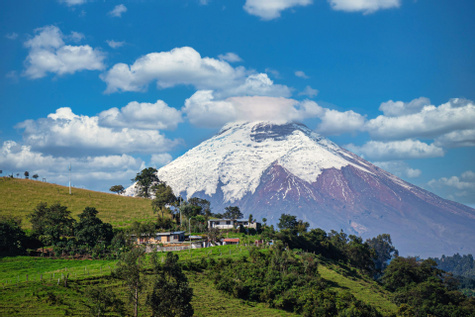
Embark on a two‑week Ecuador adventure that juxtaposes bustling Andean capitals with remote volcanic islands, delivering a vivid contrast of urban energy and pristine nature. Traverse Quito’s historic streets, soar over the crater lake of Quilotoa, then island‑hop to the Galápagos for lava tunnels, Santa Cruz highlands, and sea‑lion encounters. Guided by knowledgeable locals, you’ll taste traditional cuisine, hear indigenous stories, and return with a deep appreciation for Ecuador’s cultural richness and extraordinary biodiversity.
Ecuador
Everything We Had Hoped For
I loved using Anywhere Ecuador for this trip! We had a fantastic time. I gave a four out of five because we had some logistical challenges with our day trips and getting back to the airport.
Ecuador
It Was Hard to Say Goodbye
Ecuador is a beautiful country from Quito all the way to the coast of Guayaquil. It is definitely a must. Percy was amazing in helping us plan our trip, as I must have changed my itinerary about a million times. Even when I had questions during our trip he was right there ready to help and took care of everything. Now, there are no words to describe our driver, (which we were lucky to have for 9 days) Ricardo. He was professional, friendly and went above and beyond to help make our Ecuador experience one to remember. It was sad to say good bye, but one thing is for sure when we plan our next trip to Ecuador we will be asking for Ricardo again.
Ecuador
Treasures of The Galapagos
Words cannot express the wonderful experiences we had in Ecuador and the Galapagos Islands. We try to explain our enthusiasm for our trip to our friends, but words become inadequate and so we simply encourage them to arrange their own adventure to Ecuador/Galapagos through Anywhere! We are anxious to start planning a return trip to explore more of the mainland of Ecuador. We owe a great deal of our curiosity about Ecuador to our driver Ricardo, who was an enthusiastic cheerleader for the country.
Ecuador
Friends Ecuador Adventure
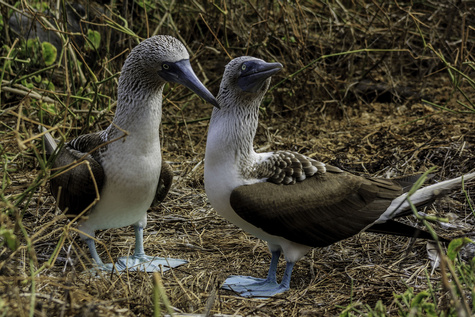
Joyce explored Ecuador’s diverse landscapes on an adventure that combined highland culture and coastal wonders. She trekked from Quito’s historic center to Baños’ volcanic landscape, then sailed to the Galápagos for island tours of Lobo, León Dormido, and San Cristóbal. Guides shared indigenous stories, local cuisine, and conservation insights, leaving Joyce with a lasting appreciation for Ecuador’s vibrant ecosystems and warm hospitality.
Ecuador
Ecuador Thoroughly Explored
The people and the beauty of the country
Ecuador
From The Andes to The Amazons
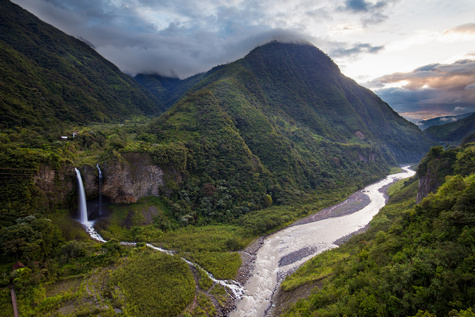
If adventure, nature, and culture are at the top of your travel to-do list, then prepare for a trip that you won’t soon forget. Experience the rugged beauty of Ecuador.
Ecuador
Andes Highlands to Galapagos
Have it all! Rest, relaxation, adventure, and nature are yours when you book this Signature Trip to Ecuador. From Quito to the Galapagos, Ecuador will enchant you…
Ecuador