Thailand Travel Guide
Officially known as the Kingdom of Thailand, “Thai” means “free man”. Thailand has earned the status as one the most desirable destinations for the lasting impression it leaves on hearts, minds, and camera rolls. Dive into its buoyant seas, explore countless sunny beaches, and round off your journey with visits to magnificent temples, and its many cultural and archaeological sites.
Why Visit Thailand?
Thailand has a rich history and a friendly culture. It offers travelers a tropical paradise, bustling cities, and world-renowned cuisine. You might feel overwhelmed when first trying to decide where to go in Thailand. Our local trip planning experts can help you design the perfect Thailand getaway.
Hand-crafted itineraries Thailand vacations
Explore hand-picked Thailand itineraries designed by local insiders who know every hidden corner. Each trip is completely flexible, customized to your pace, travel style, and budget.
Family Adventure in Thailand
Absolutely, Thailand has been our favourite travel destination so far.
Thailand
Thailand Honeymoon Adventure
We stayed in a couple of locations - Arrived into Bangkok and then flew down to Krabi - from here we did a number of tours which were all excellent and well organised. We then went to Koh Yai Noi which is a smaller island and stayed in a beautiful location / resort with its own private beach to relax..... we miss having dinner and breakfast on the beach in such a lovely setting..... then flew back to Bangkok for a few days which was very different but great to experience. Each location provided something very different so will come back to explore the North next time...
Thailand
Southeast Asia Highlights Tour
Raj and his wife explored Thailand and Vietnam on a three‑week adventure that blended city buzz with coastal serenity. The itinerary traced Bangkok’s temples, Chiang Mai’s hills, island hops in Krabi and Phuket, then Hanoi’s streets, a Halong Bay cruise, and Saigon’s nightlife. Friendly local guides and bustling markets offered Raj authentic flavors and insights, leaving him with a lasting appreciation for Southeast Asia’s diverse traditions.
Thailand
Thailand Top to Bottom
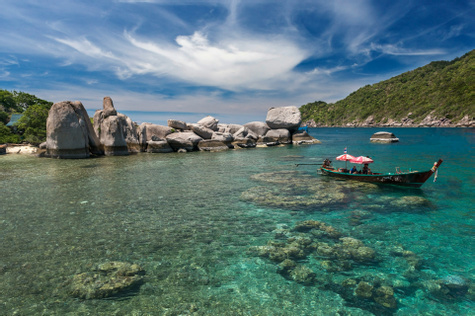
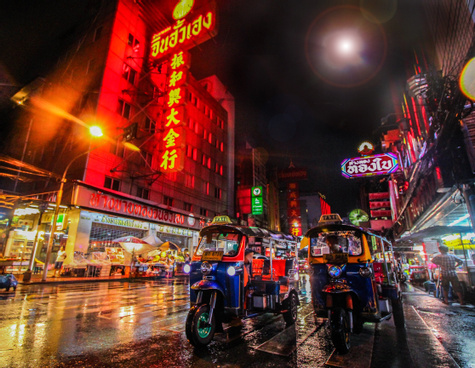
Brent and his family gave Thailand twenty-four days, a route that ran top to bottom, from the hill country above Chiang Rai to the dive islands of the gulf. They ate street food by tuk tuk in Bangkok, trekked hill-tribe country for a full day, spent two days at Elephant Nature Park, and slept afloat on Khao Sok's Cheow Larn Lake. The last week went island to island by ferry, Samui to Phangan to Koh Tao, ending with snorkel days at Koh Nang Yuan.
Thailand
2 Week Thailand and Vietnam Discovery
This itinerary was created for clients of Anywhere who are visiting Thailand or Vietnam. Our trips can be customized to meet your travel preferences, dates and budget. Are you looking for alternative lodging, activities or hotels? You can count on our local experts to help you in Southeast Asia. For a personalized trip to Thailand and Vietnam, get in touch with us today.
Thailand
Bangkok Discovery
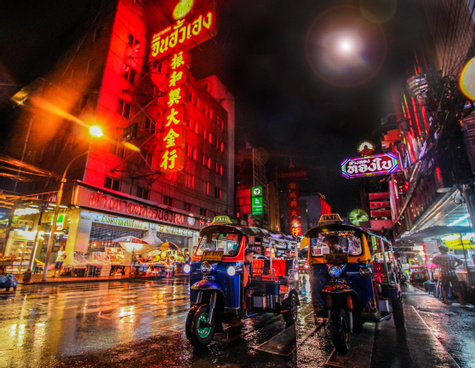
Dive into the the hustle and bustle of metropolitan Bangkok. You can enjoy authentic Thai food at Bangkok's famous after-dark food market while taking in the sights of Bangkok's most famous temples.
Thailand
Thailand Culture and Beaches
A wonderful journey to the best beaches and islands in Kingdom of Siam. The journey begins in the bustle and bustle of Bangkok. It is filled with impressive skyscrapers and stunning temples. Our journey takes us from Bangkok's bustling streets on to dreamy beaches and islands.

Thailand
A Unique Thailand Experience
Relax on the white sandy beaches, enjoy the luxury of your resort and have a wonderful time in paradise. Let Thailand do its magic for you!

Thailand
Thailand Panorama
This expansive tour of Thailand will broaden your understanding of the culture, the best places to visit, and the best ways to get insider information.
Thailand
A Quick Overview Of Thailand
Take a trip to Thailand that will satisfy your wonderlust and allow you to experience the diverse culture, landscape, and wildlife of Thailand.
Thailand
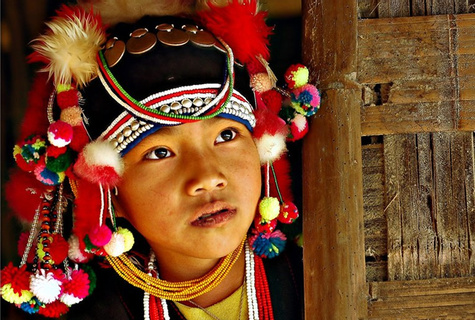
Explore North Thailand
You’ll experience lush nature, diverse culture, delicious cuisine unique to the Northern region of Thailand.
Thailand
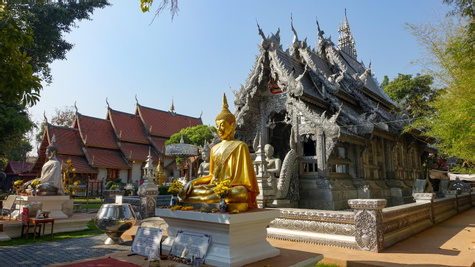
Amazing Thailand
This amazing Thailand trip is perfect for you and your partner. It's full of adventure, romance, relaxation, and new experiences.
Thailand
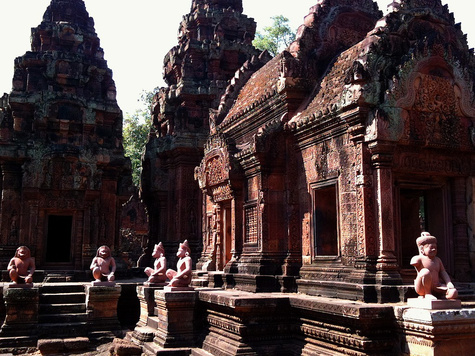
Thailand Discovery
A great way to discover Thailand, take in the Central Plain and Bangkok, the north with Chiang Mai and the more remote Chiang Rai area.
Thailand
The best places to visit in Thailand
From iconic landmarks to hidden gems, explore the Thailand destinations our local insiders recommend most.
Phuket
A 45‑metre marble‑clad statue of the Buddha dominates the hilltop above Ao Chalong Bay, offering a panoramic view of Phuket’s coastline. Phuket is a province in southern Thailand that consists of the country’s largest island and thirty‑two smaller islets in the Andaman Sea. The island’s population has swelled to around six hundred thousand, with many expatriates adding to its multicultural character.
Bangkok
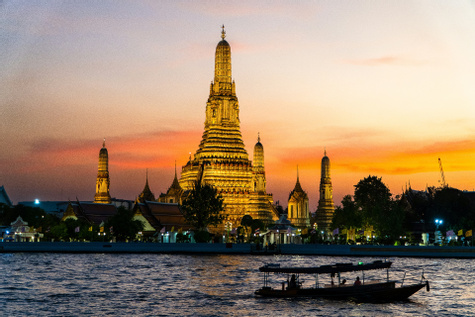
The gilded spires of the Grand Palace and the towering silhouette of Wat Arun dominate the Chao Phraya River’s waterfront, instantly marking Bangkok as a city where historic ceremony meets riverine bustle. Bangkok, Thailand’s capital, sits in the central river delta and serves as the nation’s political, economic and cultural hub. With an estimated 11.4 million residents in 2024, the metropolis forms the core of a metropolitan region that houses over 17 million people.
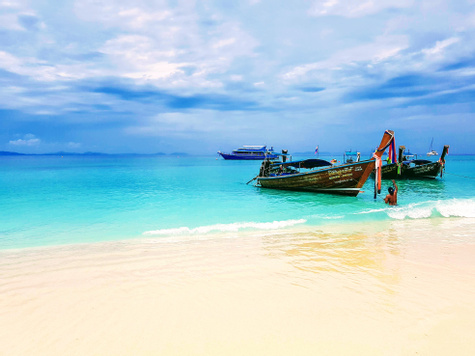
Hua Hin
The stretch of bright white sand and a line of weather‑worn rocks that earned the early name Samore Riang still defines Hua Hin’s main beach, a place that has hosted Thai royalty for a century. The town sits on the Gulf of Thailand in Prachuap Khiri Khan province, about 199 km south‑southwest of Bangkok, and forms the centre of the government‑promoted “Thai Riviera” between Phetchaburi and Chumphon. With a 2019 population of roughly 66 000, it functions as a beach resort town that grew around the southern railway line.
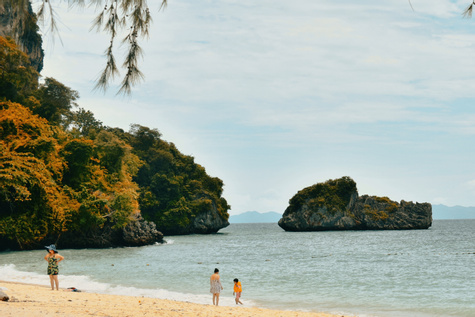
Krabi
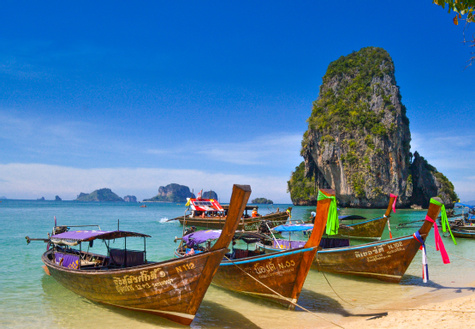
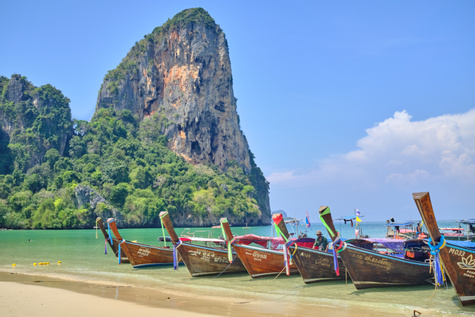
The sheer limestone cliffs that rise from the sands of Railay Beach draw climbers from across the globe. Krabi is the main town of Krabi Province on Thailand’s western Andaman Sea coast, where the Krabi River empties into Phang Nga Bay. With a 2020 population of 32,644, the town serves as a gateway to a coastline dotted with more than 80 islands.
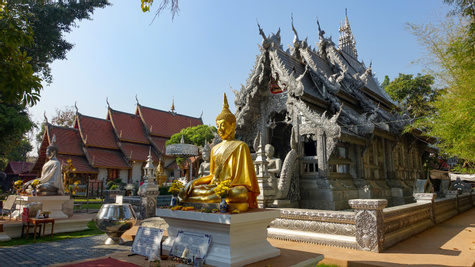
Chiang Rai
The city where an earthquake in 1432 split a chedi and revealed the jade figure later known as the Emerald Buddha first entered recorded history. Chiang Rai is the northernmost major city of Thailand, situated in the Mueang Chiang Rai District of Chiang Rai Province. With roughly 70,000 residents it serves as a regional hub while carrying the UNESCO Creative Cities Network designation as a Design City.
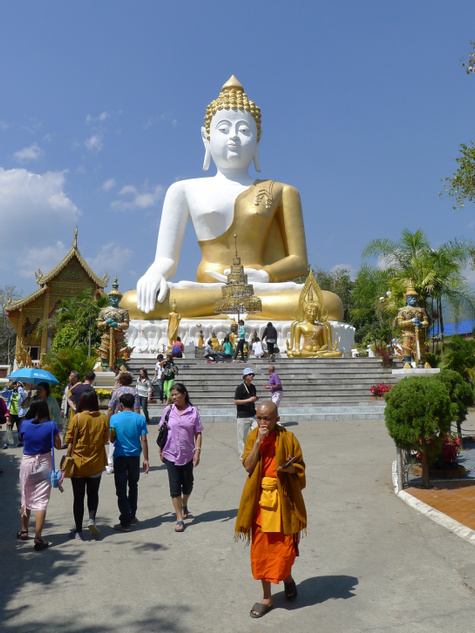
Chiang Mai
Twin peaks rise above the city, with Doi Pui topping 1 700 metres and Doi Suthep exceeding 1 600 metres, framing Chiang Mai’s skyline in the Thai highlands. The city lies about 700 km north of Bangkok, occupying a basin on the Ping River in northern Thailand. With roughly 127 000 residents inside its municipal limits and an urban population of about 1.2 million, it serves as the provincial capital and a cultural hub.
Chicken Island
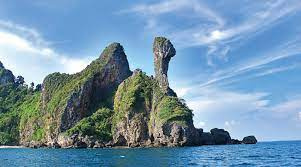
When the tide pulls back, a limestone outcrop on the island resembles a chicken perched on a rock, a silhouette that gives the place its name. The island sits a few kilometres off Ao Nang in Krabi Province, Thailand, and forms part of the Hat Nopparat Thong Marine National Park, a protected marine area managed by the Department of National Parks, Wildlife and Plant Conservation. It is a popular stop on the Four‑Island day‑trip that also includes Koh Poda, Koh Tub and Koh Mor.
Railay Beaches and Caves
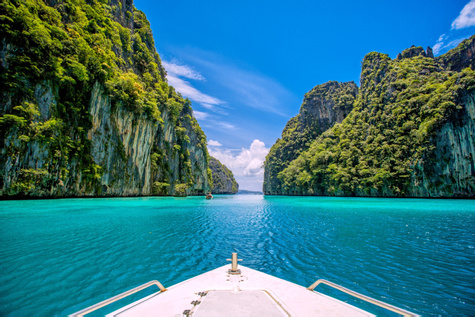
A limestonepromontory cut off from the mainland by towering cliffs, Railay’s beaches are reachable only by boat, giving the peninsula an island‑like isolation. The area comprises several sandy stretches, sea‑carved caves and a network of climbing routes, all set on the Andaman coast of southern Thailand. Railay lies in Krabi Province and falls within the Hat Nopparat Thara‑Mu Ko Phi Phi National Park, a protected marine zone.
Phi Phi island
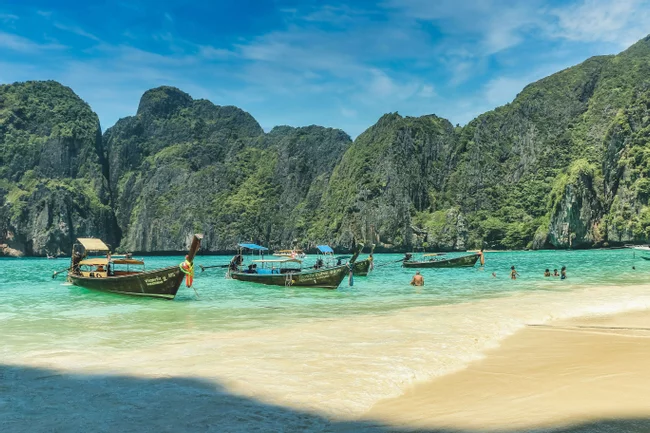
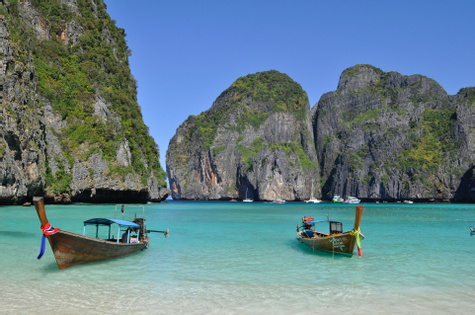
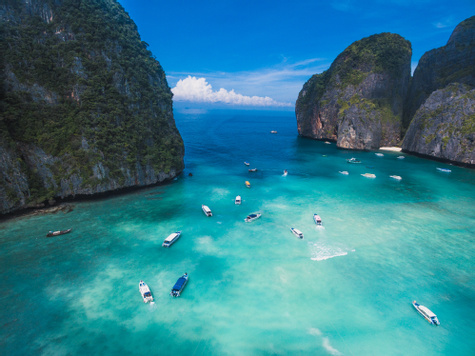
The islands shot to global fame when Ko Phi Phi Le became the backdrop for the 2000 film The Beach, a scene that turned the remote limestone archipelago into a magnet for travelers. The Phi Phi Islands lie in the Strait of Malacca between Phuket and the Krabi coast of Thailand, and they form part of Hat Noppharat Thara–Mu Ko Phi Phi National Park.
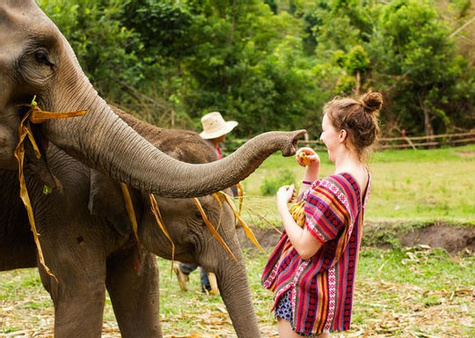
Elephant Encounters
Thai elephants (or "chang" in Thai) have been part of the country's history and national identity since ancient times, and also have a close association with Buddhism and Hinduism. The number of elephants living in Thailand in 1900 was around 100,000. Just over 100 years later, this number had fallen to around 3,000. Nearly half of those numbers were domesticated, and the rest wild in National Parks.
Elephant riding has been banned and is widely considered to be unethical. Despite this, the demand has grown especially with the rise of tourism from China. The topic has been well covered in this piece by NYT which is aging well.
Our local experts can arrange safe and ethical encounters with these gentle, majestic creatures on your Thailand vacation. These interactions can be life changing and will absolutely leave you with a lasting sense of awe.
Thailand Travel FAQs
When is the best time to visit Thailand?
November to February is the best time for most Thailand trips: the cool season, with temperatures of roughly 18–28°C, comfortable for Bangkok's temples, the north and the beaches. It's also the most popular period, so book early.
- March–May: hot season, roughly 28–38°C; good for beaches, hard work for city sightseeing. In Chiang Mai and the north, farm burning from about February to late April brings smoky, unhealthy air.
- May–October: rainy (green) season: heavy showers, lush countryside and lower rates.
Is Thailand safe to visit?
Yes. As of September 2026 the U.S. State Department rates Thailand Level 1, its lowest advisory, with Level 2 caution only near the Cambodian border and in the southernmost provinces of Yala, Pattani and Narathiwat, which few itineraries touch. Violent crime against visitors is rare; bag-snatching, rental scams (never leave your passport as a deposit for a scooter or jet ski) and assaults after late nights in party areas are the realistic risks. Roads are the real danger, with fast, reckless traffic, so use a private driver. A Thailand trip planned by locals builds that in.
Can you drink the water, and what about vaccines, mosquitoes and medical care in Thailand?
Don't drink the tap water: use bottled or filtered water, and ask for bottled at restaurants, since some serve tap water and ice may be made from it. The CDC recommends hepatitis A and typhoid for most travelers, with Japanese encephalitis and rabies shots for some itineraries; malaria is mainly a risk in forested border provinces, not in Bangkok or on the main islands. Mosquitoes spread dengue, so use repellent. Bangkok, Chiang Mai and Phuket have good hospitals that want payment up front. Dial 1669 for an ambulance, 1155 for the Tourist Police. Plan your Thailand trip with a local expert.
What documents do I need to enter Thailand?
A U.S. passport, ideally valid for six months beyond arrival. As of September 2026, U.S. tourists staying fewer than 60 days need no visa, but must complete Thailand's online pre-arrival registration, the Thailand Digital Arrival Card (TDAC), before they travel. Airline or immigration staff may ask to see an onward ticket and proof of funds. Carry prescription medicines in their original packaging with the prescription, and check anything controlled with Thai customs first: drug penalties are severe. Plan your Thailand trip.
Is English spoken in Thailand?
In hotels, resorts and the main tourist areas, yes; elsewhere, much less. Staff and guides in Bangkok, Chiang Mai, Phuket and Krabi usually speak workable English, but taxi drivers, market vendors and rural areas often don't, and Thailand ranks 116th in the 2025 EF English Proficiency Index. Keep your hotel's address in Thai script on your phone, and learn sawasdee krap/ka (hello) and khop khun krap/ka (thank you), men ending with krap, women with ka. A private guide closes the gap: plan your Thailand trip.