National Parks of Costa Rica
Costa Rica’s national park system is a network of protected rainforests, tropical dry forests, cloud forests, marine areas, and wetlands. Costa Rica has been a world leader in conservation policies with protected areas that encompass over 25 percent of its total landmass - the highest in the world. The best way to support these progressive and sustainable conservation policies is to visit national parks during your visit. All fees and donations support the local community and park maintenance. Check out our Costa Rica National Parks, Rivers and Reserves Map to view the location of these natural attractions. Besides Costa Rica's National Parks there are dozens of private nature reserves that have been established to protect the natural habitat and biodiversity.
27 National Parks of Costa Rica
The places our local insiders recommend most come first.
Arenal Volcano National Park
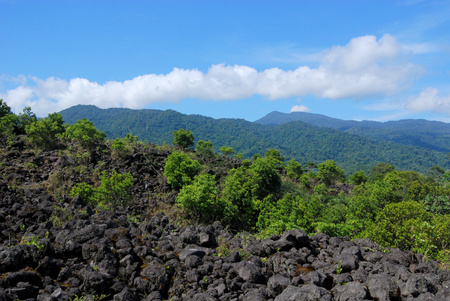
The Arenal Volcano National Park packs all of Costa Rica's allure into one place: incredible hiking, magnificent views, abounding wildlife and the country's most active volcano. Hiking and horseback riding tours allow you to get up close and personal with this incredible area, which encompasses close to 30,000 acres (12,000 ha) and extends into eight different life zones. Overlooking everything is the imposing Arenal Volcano which sits right inside this wonderful park.
Destination
Lake Arenal
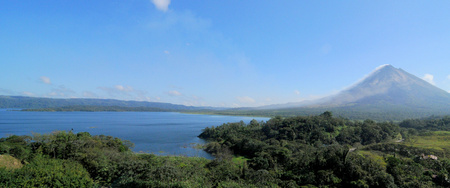
Lake Arenal, lying adjacent to the Arenal Volcano in the Northern Lowlands of Costa Rica, is the country’s most spectacular lake. With the magnificent Arenal Volcano to the east and rolling hills and forested slopes all around, the scenery couldn’t be better. Add to that a number of activities that includes world-class windsurfing and sailboarding, fishing, kayaking, bird watching and more, and you have the makings for a spectacular destination.
Destination
Corcovado National Park
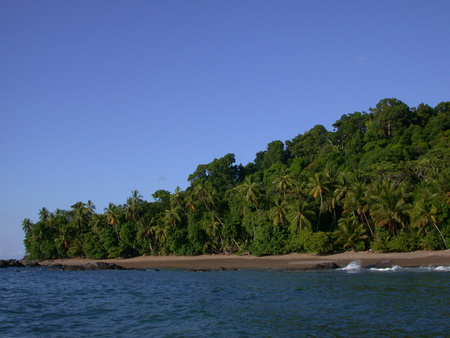
The crown jewel of Costa Rica's national park system, Corcovado National Park (Parque Nacional Corcovado), is comprised of an enormous 103,290 acres (41,800 ha) of tropical rainforest. The largest of Costa Rica's parks, it encompasses about a third of the Osa Peninsula and embraces an unbelievable amount of its biodiversity.
Destination
Poas Volcano National Park
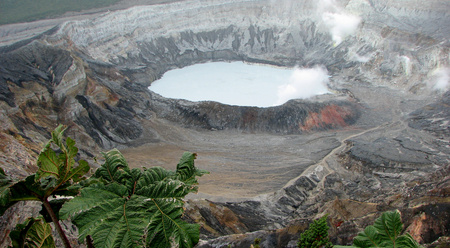
Poás Volcano overlooks 14,000 acres (5,666 ha) of various habitats that make up Poas Volcano National Park (Parque Nacional Volcán Poás). Poás Volcano National Park is one of Costa Rica's most active volcanos, making it an awesome place to visit. At a height of 8,885 ft (2,708 m), Poás remains one of Costa Rica's largest and most active volcanoes. This fact alone is enough to attract thousands of visitors per year
Destination
Tenorio & Miravalles Protected Zone
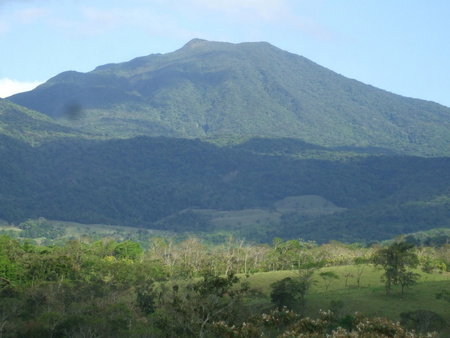
Highway 6 is between two volcanic national parks – Tenorio Volcano National Park to the east and Miravalles Volcano National Park to the west. The rugged volcanic landscape is also home to a vibrant tropical forest.
Destination
Manuel Antonio National Park
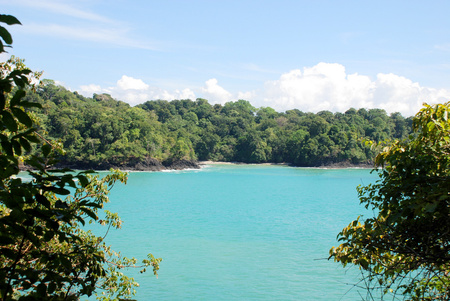
Created in 1972 to preserve the richness of the forest and the idyllic beaches, Manuel Antonio is home to many of Costa Rica's endangered species. Don't let the size fool you, the smallest of Costa Rica's National Parks, which encompasses almost 1,700 acres of land (683 terrestrial hectares) and 136,000 acres of ocean (55,000 marine hectares), is regarded as one of its best.
Destination
Carara National Park
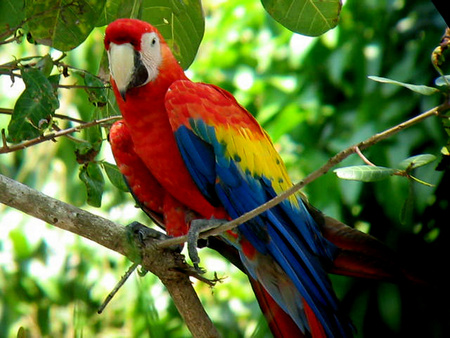
The last noteworthy portion of primary rain forest in the Central Pacific region is located within the very accessible Carara National Park (Parque Nacional Carara). It ranks among the most popular due to its close proximity to the capital city, however, if you can beat the crowds, the experience and wildlife which runs rampant throughout the park will impress any nature enthusiast.
Destination
Cahuita National Park
At 2,711 acres (1,097 ha), Cahuita National Park is small in size compared to its counterparts, yet up to par in terms of its animal, plant, and marine biodiversity. The park is much more regarded for its underwater portion than it is for its land attractions, which are certainly stunning in their own right. This national park enables visitors the ability to explore Cahuita's aquamarine costal waters complete with Costa Rica's largest costal reef.

Destination
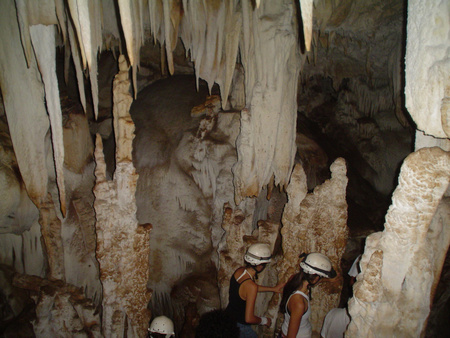
Barra Honda National Park
The cavernous monstrosity of limestone at Barra Honda offers some exiting challenges for the adventurous types. At its deepest, Barra Honda plunges 787 feet (240 m) into the earth. One attraction in particular is the glistening stalagmites and stalactites that fill the Hall of Pearls.
Destination
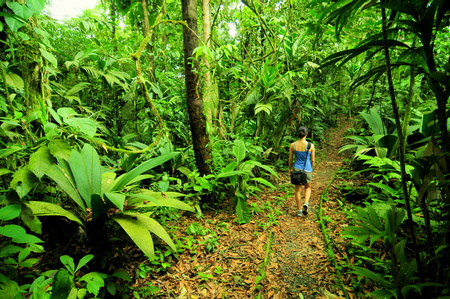
Braulio Carrillo National Park
Getting its name from Costa Rica's third president, Dr. Braulio Carrillo, the national park, full of tropical rainforest, spans northeast of the Central Valley. Flowing down from the Central Volcanic Corridor, Braulio Carrillo National Park (Parque Nacional Braulio Carrillo) falls between the Poas Volcano to the west and the Irazu Volcano to the east. The protected zone encompasses 108,970 acres (44,100 ha) of rolling hills crammed with dark-green vegetation that teems with wildlife.
Destination
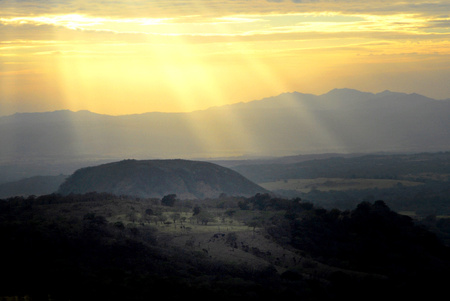
Rincon de la Vieja National Park
This 34,800 acre (14,084 ha) national park is home to an intriguing combination of volcanic geological wonders and pristine tropical forests that span six life zones. Of course the main attraction is the smooth cinder cone volcano, Rincon de la Vieja (6217 ft, 1895 m), comprising of nine contiguous craters that dot the volcanic national park.
Destination
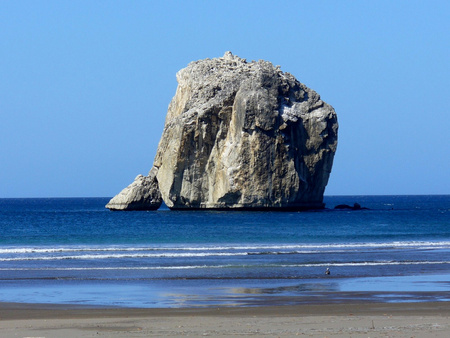
Santa Rosa National Park
Jutting westward into the Pacific, Santa Rosa National Park (Parque Nacional Santa Rosa) engulfs much of the Santa Elena Peninsula located in northwestern Guanacaste. Founded in 1971, Santa Rosa was the first park established in all of Costa Rica.
Destination
Irazu Volcano National Park
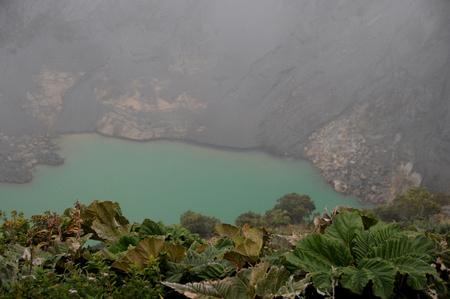
Irazu Volcano, still active, last made international headlines when it erupted in 1963 on the day that former US President John F. Kennedy visited the country. The eruption decimated crops in the area but left the soil enriched for decades to come. The last noticeable activity came in 1996, and since then Irazu has been a quiet giant. Reaching upward of 11,260 ft (3,432 m), Irazu is the tallest volcano in Costa Rica.
Destination
Juan Castro Blanco National Park
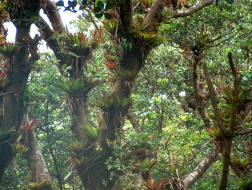
One of the lesser explored parks in Costa Rica, Juan Castro Blanco National Park, is positioned in the center of various destinations. This bird-watching haven is located northwest of the Central Valley, with the Poas Volcano to the southeast and Braulio Carrillo National Park to the east. Juan Castro Blanco National Park provides an excellent opportunity to see incredible primary and rain forests, which make up 50% of the park.
Destination
Tortuguero National Park
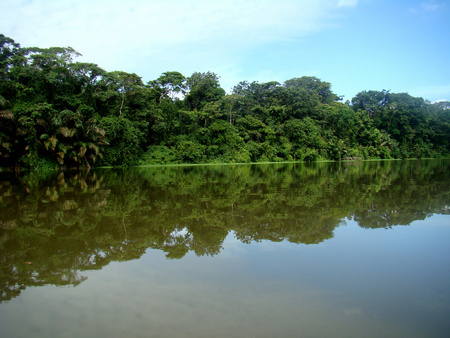
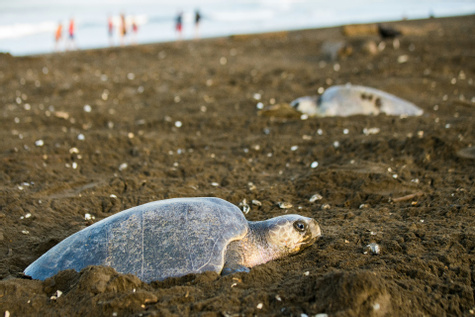
Adjacent to the Barra del Colorado National Wildlife Refuge is the more well-known and frequented Tortuguero National Park, the most important nesting site of the green sea turtle on Costa Rica's Atlantic side. Tortuguero, which means "region of turtles" in Spanish, is home to four of the world's eight species of green sea turtle including Leatherback, Loggerhead, and Hawksbill turtles.
Destination
Penas Blancas National Park
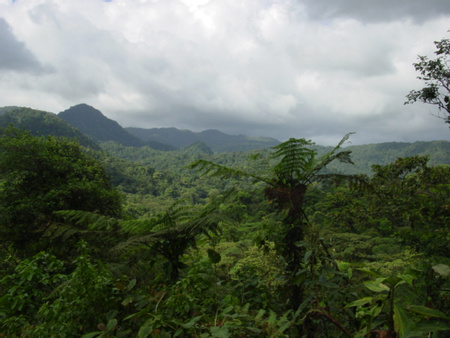
Located along the southeastern slopes of the Tilaran Mountain Range, this rugged protected zone was recently added to the Costa Rica park system. Expect to find uneven trails throughout the 5,900 acres (2400 ha) of Penas Blancas National Park (Parque Nacional Penas Blancas).
Destination
Piedras Blancas National Park
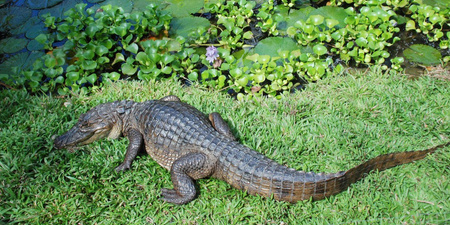
The Piedras Blancas National Park, located along Costa Rica's southern Pacific coast just outside the town of Golfito, protects over 34,595 acres (14,000 hectares) of evergreen primary forest and a great number of indigenous plants and wildlife. The creation of this park in 1993, and the subsequent purchasing of privately owned portions for public use, marked a huge victory for conservationists, as much of the area had been previously damaged by deforestation and hunting. Today, the park offers visitors the chance to explore its thriving rainforests and immaculate beaches, winding rivers and powerful waterfalls.
Destination
Tapantí National Park
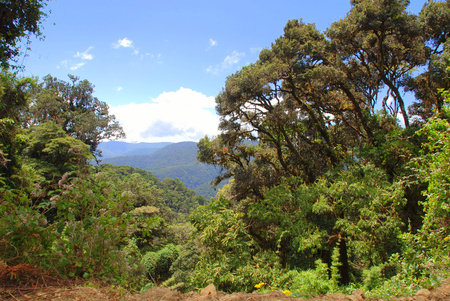
Reaching out from the south corner of the Orosi Valley into the Talamancan mountain range, the Tapantí National Park contains 18 square miles (48 square km) of unspoiled cloud forest. The park, 22 miles southeast of San José, is easily accessible and well worth the trip. There are several hiking trails, a few swimming holes, several picnic areas and an abundance of wildlife.
Destination
Turrialba Volcano National Park
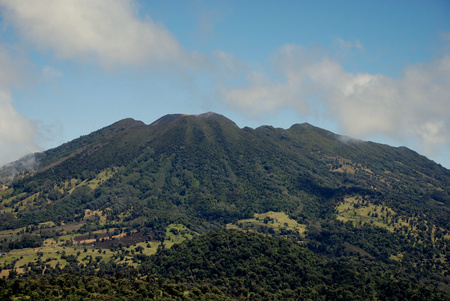
The Turrialba Volcano National Park (Parque Nacional Volcan Turrialba) remains one of the least visited in the entire country. The volcano sits at 10,919 ft (3,328 m) along the southeast end of the Central Volcanic Corridor. From the summit on a clear day, the picturesque view includes the Atlantic coast to the east and other volcanoes such as Barva, Poas and Irazu.
Destination
Diria National Park
The Diria National Park is set near the town of Santa Cruz on the Nicoya Peninsula. The park protects some of the last remaining old growth forests on the peninsula and is a part of the Tempisque Conservation Area. Its trails offer good hiking and wildlife viewing opportunities.
Destination
Marino Las Baulas National Park
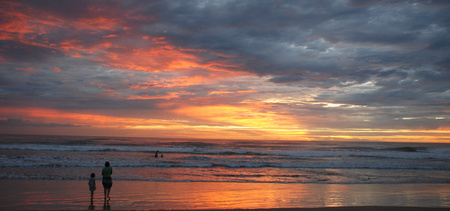
Created in 1990 to protect Leatherback turtles from profit-making egg poachers, Marino las Baulas National Park is one of the foremost nesting sites for the leatherback turtle. The park protects 1,100 acres (445 hectares) of swampy mangrove coastline as well as 54,000 acres (21,850 hectares) of inland forest.
Destination
Los Quetzales National Park
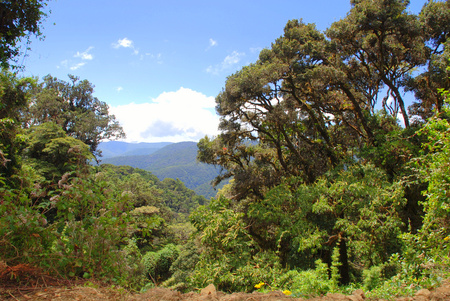
Declared a national park in July of 2005, Los Quetzales National Park has the distinction of being the most recent addition to Costa Rica's extensive park system. The park encompasses what was formerly the Los Santos Forest Reserve, stretching across 12,355 acres (5,000 hectares), three types of rainforest, and fourteen different ecosystems. Set at a high altitude (between 2,000-3,000 meters) along the Talamancan mountain range, much of the park is covered in cloud forest and protects a crucial habitat for a number of plant and animal species.
Destination
Curi-Cancha Reserve
The Curi-Cancha Reserve is located in Monteverde, Costa Rica. Created in 1997 from a plot of private land, this reserve extends across 237 acres (96 ha) and helps protect both primary and secondary forests. It’s also one of the area’s best birding sites.
Destination
Guanacaste National Park
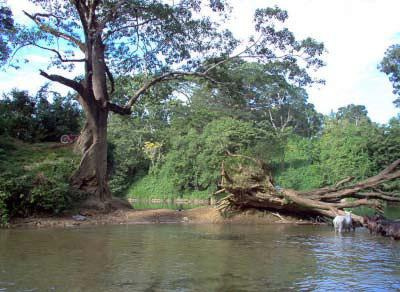
West of the Inter-American Highway, across from Santa Rosa National Park, lies the Guanacaste National Park, a 80,336 acre (32,512 ha) park. The area spans several ecosystems situated in the watershed of the Tempisque and two volcanoes-Orosi (4,879 ft /1,487 m) and Cacao (5,443 ft / 1,659 m). The most recent addition to the massive Guanacaste Conservation Area, Guanacaste National Park was created on July 25, 1989, on Guanacaste Day (Dia de Guanacaste). The park serves as a testament to the hard work of Dr. Daniel Janzen, who lobbied authorities for a park that encompassed a variety of adjoining habitats to improve the survival rates of local fauna. The wildlife corridor the park forms with neighboring Santa Rosa extends southeast to Rincon de la Vieja, forming a broad triangle of protected area.
Destination
Barbilla National Park
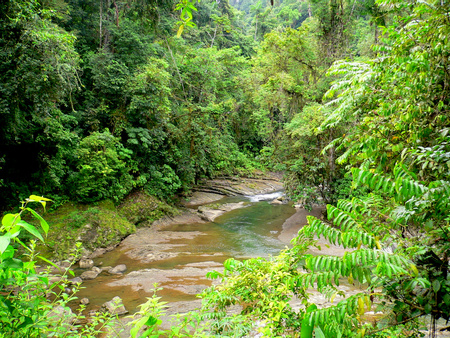
The Barbilla National Park protects 29,500 acres (11,938 hectares) of humid lowland rainforest along the Caribbean slopes of the Talamancan mountain range. As one of Costa Rica’s least visited parks, it has the distinction of being both relatively untouched and ecologically rich.
Destination
Chirripo National Park
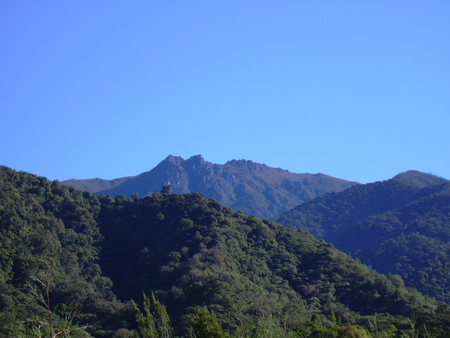
Nestled along the heart of the Talamanca Mountain Range in the south central portion of Costa Rica, Chirripo National Park (Parque Nacional Chirripo) consists of 123,923 acres (50,150 ha) and provides one of the best opportunities to test your hiking abilities. Trails throughout the park take you as high as you want to go, ultimately reaching the highest peak in the country and second highest in Central America. The ascent to Cerro Chirripo at 12,532 ft (3,820 m) is definitely a test of endurance and a favorite among avid nature enthusiasts.
Destination
La Amistad International Park
La Amistad International Park (Parque Internacional de La Amistad Costa Rica-Panama) represents one of the first attempts to manage a protected area between two nations. Shared with neighboring Panama to the south, the partially unexplored park accumulates 479,209 acres (193,929 ha.) of Costa Rican territory. The protected diverse environments include cloud forests, tropical lowland rainforests, oak forest, alpine grasslands (paramo) and glacial lakes.
Destination
National Parks of Costa Rica itineraries from local insiders
Explore hand-picked National Parks of Costa Rica itineraries designed by local insiders who know every hidden corner. Each trip is completely flexible, customized to your pace, travel style, and budget.
Pura Vida Adventure Together
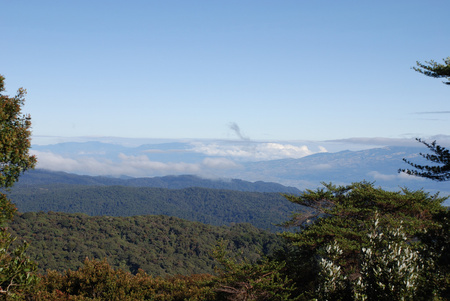
We both love nature and hiking so Costa Rica is ideal for both of those. We went during what’s considered the rainy season so you need to be aware of that going in. It rained at some point almost every day we were there but we still had a very enjoyable time. We visited La Fortuna and Manuel Antonio. We enjoyed La Fortuna more. La Fortuna was more jungle whereas Manuel Antonio was more coastal and felt more touristy.
Costa Rica
Adventure Through Costa Rica's Wild Heart
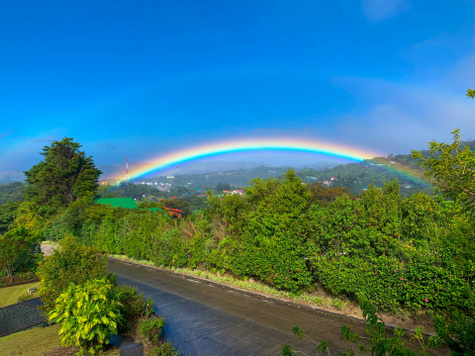
Costa Rica was just magnificent. The people, food, jungles, beaches were all fantastic. Can’t wait until my next trip back.
Costa Rica
Big Multi Family Group Adventure
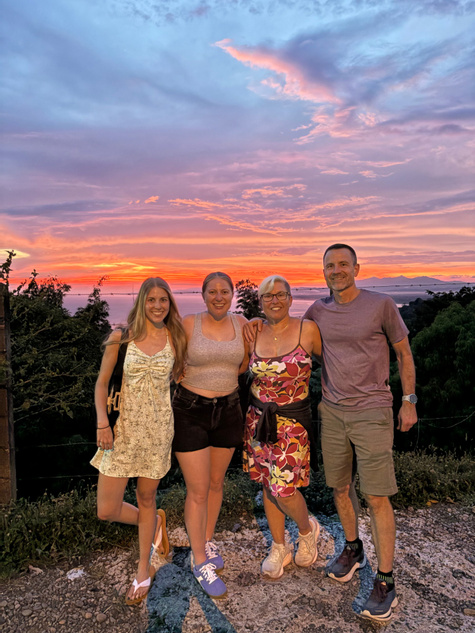
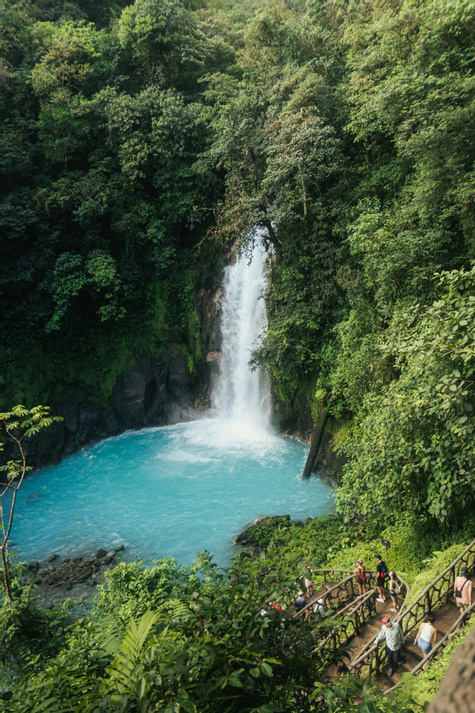
Embark on a vibrant Costa Rican adventure that juxtaposes bustling urban energy with lush, untouched rainforests, delivering a dynamic escape from everyday routine. From San José’s lively streets you’ll head to Monteverde’s cloud‑forest canopy for sky tram rides and hikes, then dive into Rio Celeste’s turquoise waters and trek El Silencio’s volcanic paths. Friendly locals and knowledgeable guides will immerse you in coffee farms, rainforest sounds, and volcanic vistas, leaving you with lasting memories of Costa Rica’s spirited hospitality and natural wonder.
Costa Rica
Sisters Adventure Together
Incredible tours, hotels, and communities.
Costa Rica
Matt and Fran’s Costa Rica holiday
Costa Rica has a diverse landscape and every area is unique and different. We easily rented a 4 wheel drive vehicle and drove from the Caribbean to the Pacific!
Costa Rica
Family Time in Costa Rica
Michelle and her family embarked on a multi‑generational adventure in Costa Rica, where mist‑cloaked cloud forests meet surf‑kissed Pacific beaches, offering a vibrant contrast of cool heights and warm tides. Your journey weaves through Monteverde’s canopy zip lines and canyoning thrills, the turquoise Tenorio River’s Class III/IV rapids, and La Leona waterfall’s lush river tubing. Guided by local experts and supported by a comfortable van, your family will soak up Pura Vida hospitality, returning home with shared stories of soaring forests and surf‑side sunsets.
Costa Rica
Family Adventure Through Costa Rica
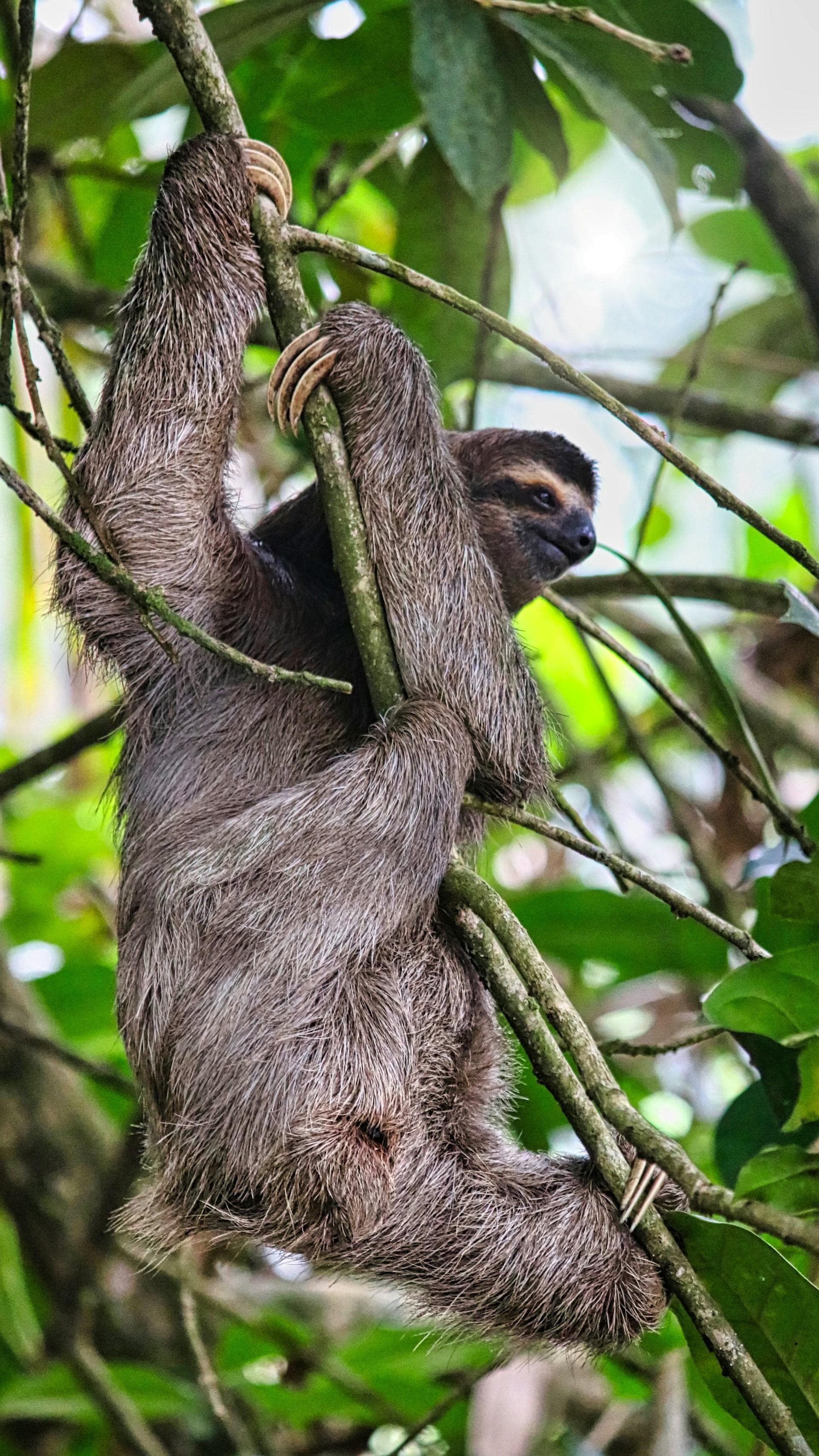
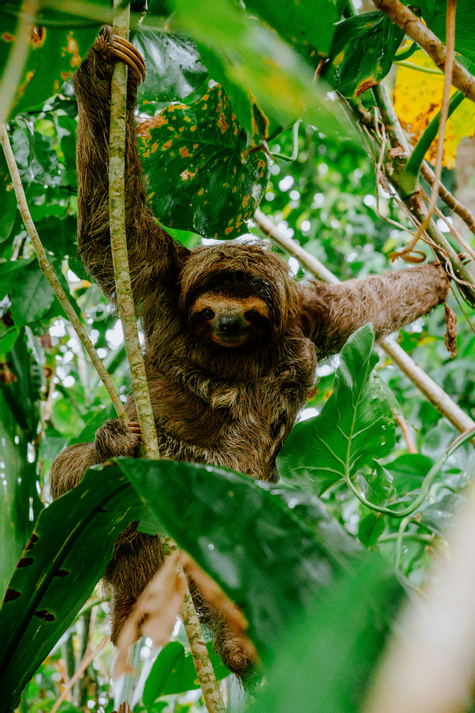
Rachel and her family of four spent a week moving across Costa Rica, from Arenal to the Pacific coast, with every transfer and tour arranged door to door. In Arenal they rode the Sky Adventures aerial tram and ziplines, took on the Balsa River's Class II–III rapids, and walked the EcoGarden trails to find sloths in their actual habitat, not a roadside stop, then the falls at La Fortuna. On the coast at Manuel Antonio they hiked the national park with a local guide, snorkeled the reef, and chased the Mulguri waterfall. As Rachel said, these weren't tours with twenty other tourists trailing the buses. They were the real thing, reachable only through local connections, with the family's days handled start to finish.
Costa Rica
Dream Honeymoon Adventure in Costa Rica
Embark on a honeymoon that swaps city bustle for Costa Rica’s emerald rainforests and sun‑kissed beaches, where romance meets adventure in every sunrise. From Monteverde’s misty cloud forest trails to Arenal’s volcanic hot springs, then Playa Conchal’s Pacific surf and Damas Island’s mangrove kayak tours, you’ll hike, soak, and sail. Friendly local guides and vibrant community flavors will weave unforgettable memories, leaving you with a deeper connection to nature, Costa Rican warmth, and each other.
Costa Rica
Costa Rica Off Season Adventure
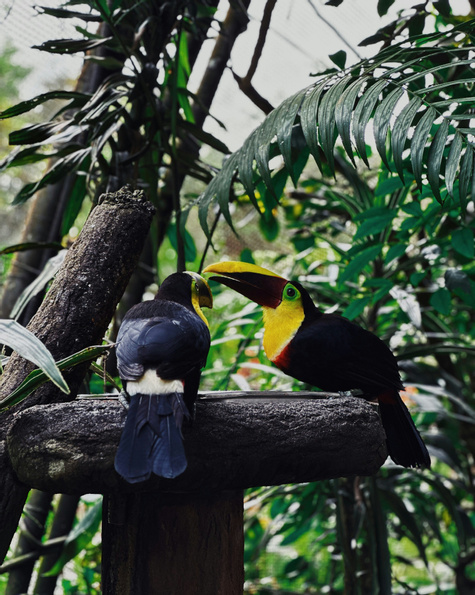
We found Costa Rica to be really beautiful. I loved the flowering plants everywhere, but the wildlife is the main reason we went. We didn't see monkeys in every tree or even toucans up close, but we did see them from a distance. We also saw lots of colorful birds in the National Forests that we have never seen before.
Costa Rica
Adventure Across Costa Rica's Wild Coast
The excursions and scenery are incredible.
Costa Rica
Costa Rica Family Adventure Quest
Embark on a vibrant Costa Rican family adventure that weaves together rainforest mist, volcanic fire, and Pacific surf, offering a dynamic contrast of nature’s extremes. Your journey moves from the sun‑kissed beaches of Manuel Antonio to Monteverde’s misty hanging bridges, then into Arenal’s volcano and waterfalls, ending with surf lessons in Tamarindo. Friendly local guides and coffee‑farm hosts will share traditions, flavors, and stories, leaving your family with lasting memories of Costa Rica’s warm hospitality and adventurous spirit.
Costa Rica
Tropical Adventure with Friends
Costa Rica is a beautiful place - the biodiversity in terms of animals and plant life is spectacular. The beaches, the natural landscapes - all of it is stunning. The people are kind and welcoming, truly living the Pura Vida lifestyle.
Costa Rica
Epic Mother‑Daughter Costa Rica Adventure
The flora and fauna are second to none. We saw and did so many incredible things The people are truly welcoming,, considerate and kind. The love for their country and their pleasure an pride in showing it to visitors shines through. The ease and safety of travelling around as s single mum with 2 daughters aged 12 and 15 without having to compromise on any experiences was s standout feature for me. Just a note: food and supermarkets are expensive - think US levels!
Costa Rica
Deep Journey into the Heart of Costa Rica
From misty cloud forests to sun‑kissed Pacific beaches, this Costa Rican adventure weaves together vibrant wildlife, volcanic landscapes, and endless ocean horizons. You’ll trek Monteverde’s canopy bridges, soak in Arenal’s hot springs, kayak mangroves at Drake Bay, and snorkel coral reefs off Manuel Antonio. Friendly local guides and community hosts will share traditions, cuisine, and conservation stories, leaving you with unforgettable memories of Costa Rica’s pura vida spirit.
Costa Rica
Insider-led Costa Rica Design & Concierge
Your insider team designs the trip around what you care about, then supports you in-country with private logistics, vetted partners, and concierge help when plans change.