
Tanzania
Tanzania is home to some of Africa's most renowned national parks, as well as the magnificent Mount Kilimanjaro. Curiously, Kilimanjaro does not “rise above the Serengeti” as popularized by the Toto hit “Africa”, although both are iconic features of Tanzania. Many visitors will travel to Tanzania for safaris or other wildlife viewing adventures. Visitors will be drawn to the beautiful beaches of Zanzibar and the unique islands of Pemba, Mafia, and Zanzibar.
Why visit Tanzania?
It is safe to travel to Tanzania. It has been historically a stable country with a lot of natural beauty, amazing wildlife, beautiful beaches, charming old towns, archaeological sites, and geological wonders.
Hand-crafted itineraries Tanzania vacations
Explore hand-picked Tanzania itineraries designed by local insiders who know every hidden corner. Each trip is completely flexible, customized to your pace, travel style, and budget.
On Safari 'Til Further Notice
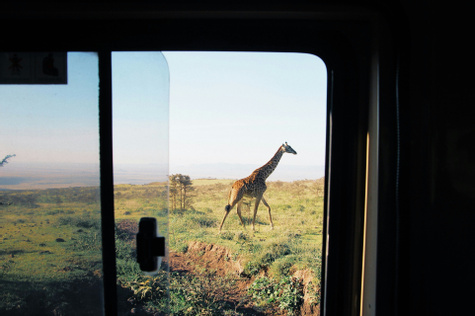
Anja’s Tanzanian safari wove together wildlife, wilderness, and island bliss for an unforgettable adventure. From the misty foothills of Arusha into Tarangire’s acacia‑lined plains, then across the vast Serengeti’s open grasslands and finally to the crystal‑clear waters of Mnemba Island, the itinerary blended game drives, a walking safari, and marine snorkeling. Guides shared local Maasai stories and island conservation insights, leaving Anja with a deep respect for Tanzania’s diverse ecosystems and cultures.
Tanzania
Tanzania Family Safari Classic
this classic family trip offers a unique blend of wildife, culture and incredibly varied landscapes. This family safari itinerary is tailored to offer thrilling adventures to families with young travelers with no age restrictions.
Tanzania
Tanzania Luxury Safari
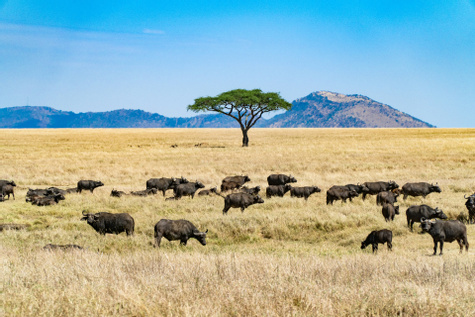
World-class safari in Tanzania's premier's reserves in ultimate comfort and style. From the short-grass plains of the Serengeti to the baffled Ngorongoro Crater, this is safari unlike any other,vastly complimented by absence of tourist crowds.
Tanzania
The best places to visit in Tanzania
From iconic landmarks to hidden gems, explore the Tanzania destinations our local insiders recommend most.
Ngorongoro Conservation Area
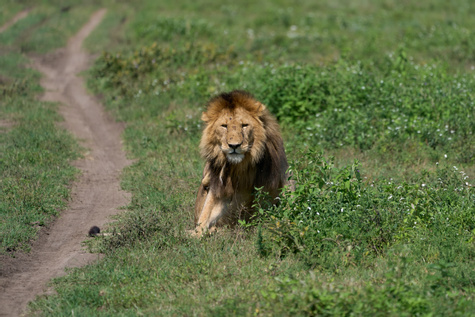
Ngorongoro Conservation Area was established in 1959 as a multiple land use area that protects wildlife and gives a space for semi-nomadic Maasai pastoralists to practice traditional livestock grazing after they were relocated from the Serengeti National Park. It is a UNESCO World Heritage Site that covers approximately 3,200 square miles (8,300 square km) of the Serengeti ecosystem.
Selous Game Reserve
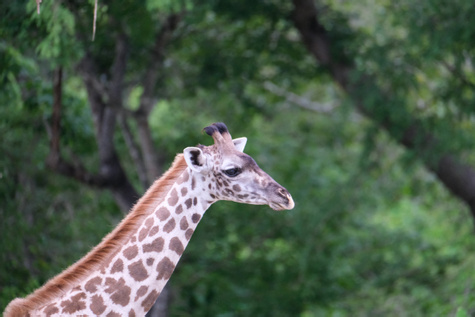
The Selous Game Reserve covers over 13,370 square miles (45,000 square km) of wilderness in southern Tanzania, making it the largest protected game reserve in Africa. It’s also a UNESCO World Heritage Site because of its untouched wilderness. The game concentrations and the multitudes of species here are astounding.
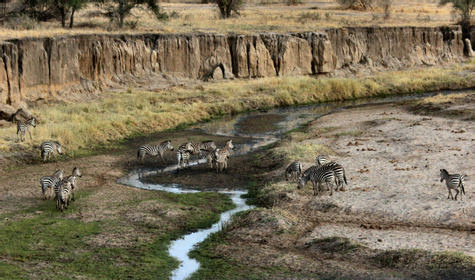
Tarangire National Park
Tarangire National Park is best known for its magnificent baobab trees, massive herds of elephants and towering termite mounds. The park is named for the Tarangire River, which is the main source of water for wildlife in the Tarangire ecosystem during the dry season. From June to November, as the migratory animals return to the park, impressive numbers of wildlife congregate along the banks of the river. At the height of the dry season, the quality of game viewing can rival that of the Serengeti.
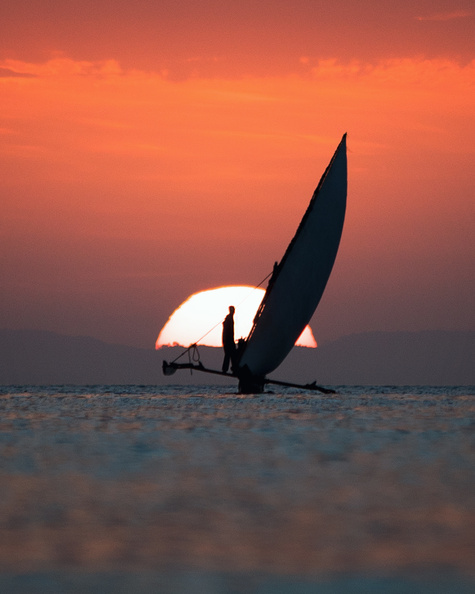
Pemba Island
Pemba Island is a part of the Zanzibar Archipelago, which is located approximately 25 miles (40 km) north of the main island of Zanzibar. While Zanzibar has been highly developed for mass tourism, Pemba Island remains a quiet backwater and a world apart from its neighbouring island, receiving just a small fraction of the visitors to the coast.
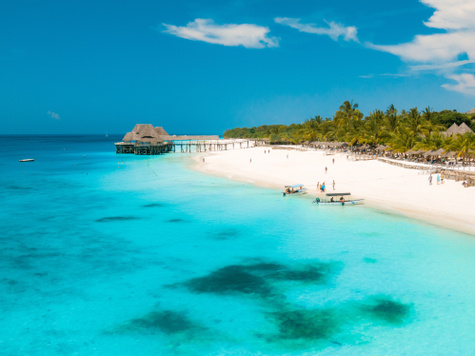
Zanzibar
Situated in the Indian Ocean approximately 22 miles (36 km) off of Tanzania’s coast, the Zanzibar Archipelago comprises more than 50 islands. The largest and best known island is Zanzibar, which is also referred to locally as “Unguja Island.” Zanzibar is a low lying coral atoll covering an area of 565 square miles (1,464 square km). Commonly known as the “Spice Island” it boasts stunning white sand beaches and warm, clear blue waters that make it a popular honeymoon destination, or a treat at the end of a grueling trek on Kilimanjaro or a dusty safari through Tanzania’s game reserves.
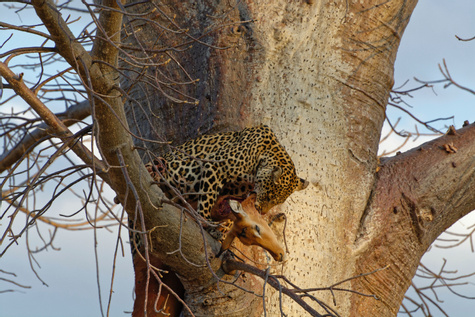
Ruaha National Park
Ruaha National Park has earned a reputation as one of Tanzania’s best kept game viewing secrets. With only a few high-end safari lodges and low tourist numbers, Ruaha remains unexploited and a vast pristine wilderness with a high concentration of game. The potential downside of Ruaha is that it is located 385 miles (620 km) inland from Dar Es Salaam, and can only reasonably be accessed by chartered or scheduled flight from Dar Es Salaam, making it an expensive place to visit.
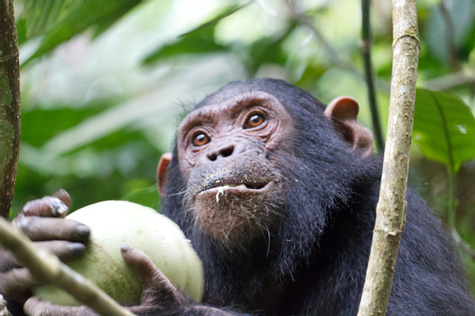
Mahale Mountains National Park
Mahale Mountains National Park covers 617 square miles (1,600 square km) of dense mountainous rainforest soaring up from the white sand beaches of Lake Tanganyika. It is one of the least visited parks in Africa due to its remoteness. The park is reached by a four- to five-hour flight and a 90-minute boat transfer, making it one of the more expensive parks to reach, but it also offers the wildlife experience of a lifetime.
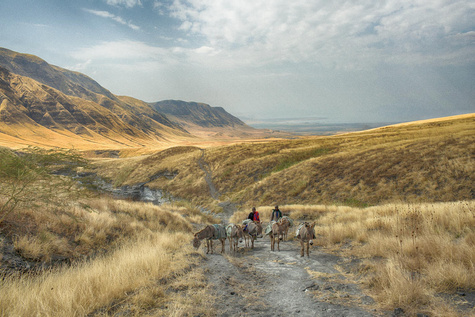
Lake Natron
Lake Natron is far off the beaten track and receives very few visitors. This spectacular area forms a part of the immense East African Rift Valley and Lake Natron sits at the base of an active volcano, Oldonyo Lengai, which translates to “Mountain of God” in the Maasai language. The area is extremely dusty, hot and dry for most of the year but for those who choose to visit Natron, the area offers some of the most dramatic scenery in Tanzania.
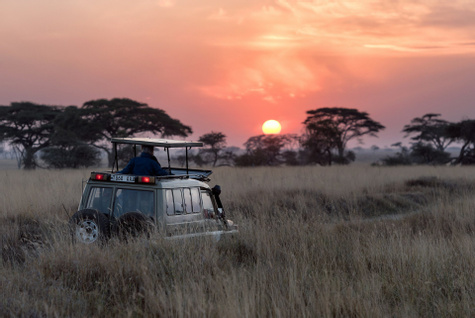
Serengeti National Park
Serengeti National Park is one of the finest wildlife reserves in East Africa and the crown jewel of Tanzania. It encompasses nearly 5,700 square miles (14,700 square km) while the greater Serengeti-Mara ecosystem stretches out over 11,500 square miles (30,000 square km). This vast wilderness supports the largest herd of migrating ungulates, commonly referred to as the Great Migration, and the highest concentration of large predators, including lions, leopards, cheetahs and hyenas, in the world.
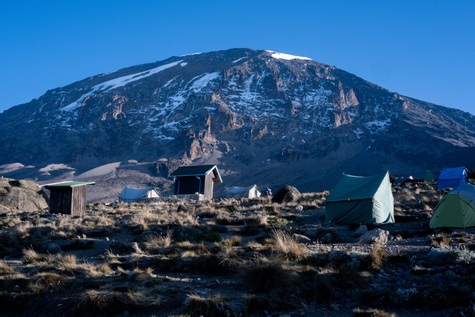
Mount Kilimanjaro National Park
Kilimanjaro National Park covers an area of 652 square miles (1,688 square km) and includes the whole of Mount Kilimanjaro and the surrounding montane forest. Mount Kilimanjaro standing at an impressive 19,341 feet (5,895 metres) is not only Africa’s tallest mountain but also the world's largest freestanding mountain. Kilimanjaro is made up of three volcanic cones - Kibo, Mawenzi and Shira. Mawenzi and Shira are extinct, meanwhile Kibo, the highest peak remains dormant.
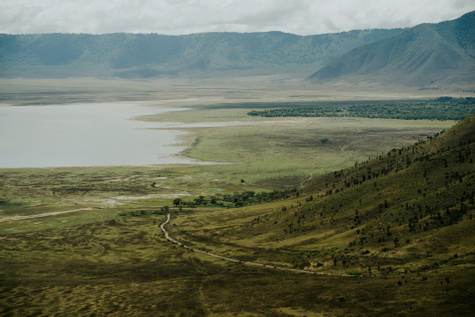
Ngorongoro Crater
The Ngorongoro Crater is the world’s largest intact volcanic caldera, covering approximately 100 square miles (258 square km). It represents a microcosm of the Serengeti ecosystem, encompassing an array of habitats. Nature tours can take you to short and long grass plains, woodlands, marshes, soda lakes, and freshwater springs.
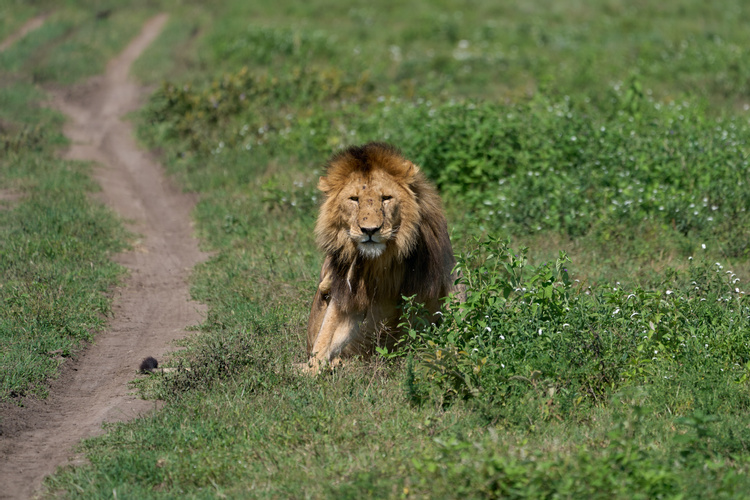
Serengeti Ecosystem
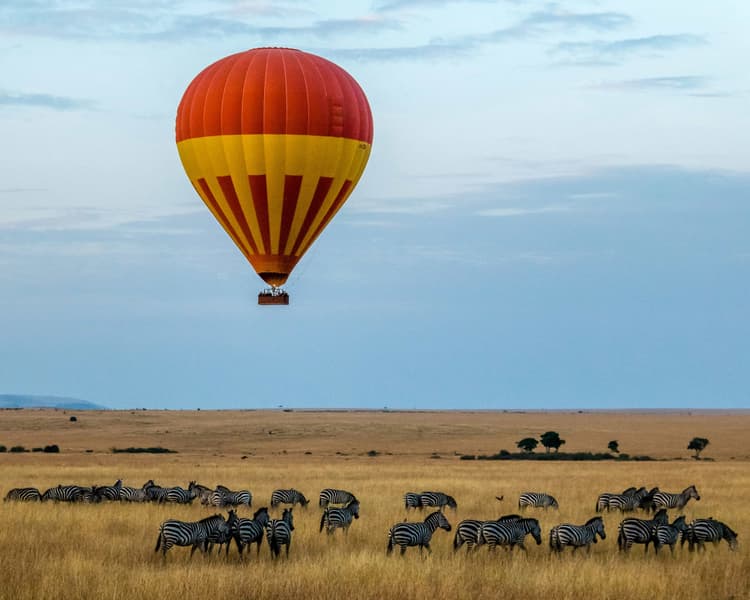
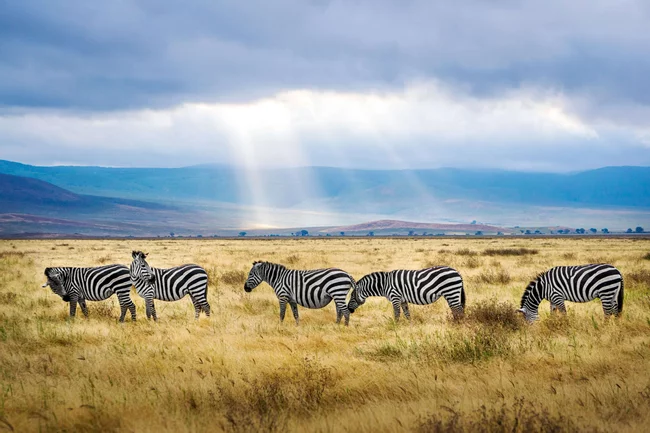
The most well-known of Tanzania's safari areas, and often acting as the link between the extraordinary experiences that the country has to offer, is the legendary Serengeti National Park. Its endless plains are home to abundant wildlife and host the annual Great Migration, which sees over a million wildebeests and zebras. This amazing spectacle, known as the Greatest Show on Earth is a constant procession through the Serengeti, crossing the border to Kenya's Masai Mara, and back again. This endless cycle of life-and-death amazes both first-time visitors and avid safari fans.
Home to the Big 5 and Unique African Wildlife
Tanzania is home to the largest concentration of wildlife in Africa. There are more than 1000 bird species that can be spotted in Tanzania. Some of the most precious national parks and game reserves in the world are located in Tanzania, including the Selous Game Reserve. This reserve is home to over 120,000 elephants, 160,000 buffalos, and 2000 rhinos. Selous also has large numbers of wild dogs, crocodiles, and hippos.
Kilimanjaro
Mount Kilimanjaro is Africa's highest mountain. It rises from the savannah and towers above the rest of Africa. The snow-capped peak is breathtaking. It is relatively easy to climb Kilimanjaro and it is an unforgettable experience to stand on Africa's roof.
Indigenous Culture
Zanzibar & Islands
The Great Migration
The Great Migration is one of Africa's most remarkable wildlife experiences. This incredible spectacle is a once-in-a lifetime experience that you will never forget. It involves a million wildebeest traversing the Serengeti plains in search of fresh grass, while avoiding predators and crossing dangerous rivers.
The Great Migration & When to Visit
The Great Migration refers to the annual 600 mile (1,000 km) clockwise movement of approximately 1.5 million wildebeest, 250,000 zebras, and 400,000 Thomson gazelles through the Serengeti-Mara ecosystem as part of their search for water and green pastures. The movement of the migration is determined by the seasonal rain patterns which may vary from year to year, but the path of the migration remains essentially the same.
December – April
Southern and Eastern Serengeti
Usually some time in November the rains begin in Tanzania and the parched landscape of the southern and
eastern plains of the Serengeti-Mara ecosystem spring to life.
The availability of water and the nutrient-rich short grass plains coaxes the animals to depart the North Serengeti
and begin their annual southbound trek.
The massive herds typically occupy the southern and eastern plains from December to April.
A note on February: The wildebeest have evolved to synchronize their calving, with majority of the female wildebeests giving birth within a three week period in February as a survival strategy. The birth of up to 500,000 calves during this period makes it impossible for the predators to hunt and kill them all, giving the majority of the wildebeest calves good chance at avoiding predation. Due to the wildebeest calving, February is peak season on the southern plains. If you plan on traveling during February, book your accommodations 6 – 8 months in advance to ensure availability.
May – June
Central and Western Serengeti
At some point in May, the rains cease and the dry season sets in. The short grass plains quickly dry up and with no permanent water source, the Great Migration is forced to slowly begin their north-westerly trek following the Seronera and Mbalageti Rivers through the Central Serengeti from May to June.
May is the mating season of the wildebeest. Expect to see fierce competition between the males as they battle to win the right to mate as they trek through the Central Serengeti.
By mid-June, the Great Migration will be in the Western Serengeti, also known as the Western Corridor. The highlight here is the Grumeti River, home to some of the largest Nile crocodiles in the world. At this point, they have not eaten since the previous year, and patiently waiting for the Great Migration to bring them their next meal.
July to November
Northern Serengeti
By July, the massive herds are heading to the North Serengeti. The famed Mara River crossing will begin in July and throughout August to October the Great Migration will remain the North Serengeti. The Mara River is the most serious obstacle for the Great Migration in its 600 mile (1,000 km) trek.
Tens of thousands of stampeding wildebeests and zebras will frantically cross the turbulent muddy waters teeming with enormous Nile crocodiles. Thousands will perish in the panic and confusion. It is a dramatic sight to behold. The herds will cross back and forth across the Mara River several times depending upon periodic rain showers.
By November, the rains have started in the southern Serengeti and the herds will quickly move vast distances in a day to reach their southern pastures where the whole cycle starts over again.