Money in Guatemala
The Guatemalan currency is the quetzal (Q*). The quetzal has been quite stable over the last decade, hovering between *Q 7.5–7.7 to $1 USD. Quetzal bills come in denominations of 1, 5, 10, 20, 50, 100, and 200. Coins come in denominations of 1, 5, 10 , 25, and 50 centavos.
The US dollar is widely accepted in Guatemala, but it is still recommended to have Guatemalan quetzals on hand at all times. It can be difficult to break larger bills (like Q100) in smaller towns and at local restaurants—for this reason it is always a good idea to keep some smaller bills in your wallet.
The country boasts the largest economy in all of Central America, and though the government is not without its issues, it is stable. Guatemala's government and economy should cause you no concern when you plan your trip to this beautiful nation.
Costs
Guatemala is one of the most affordable countries in Central America. You can travel very cheaply or spend a little more and live in real comfort or luxury. Budget travelers can get by on as little as $20 a day, while $70 a day will allow you to travel reasonably well. In tourism destinations, things tend to be slightly more expensive, although there are usually inexpensive hotels and restaurants here as well.
Cheap restaurants, known as comedores, sell meals for under $5. In nicer restaurants, expect to pay $10–20. Snacks and fruit are very cheap. Traveling as a couple is usually cheaper than traveling alone, as there generally isn’t a significant price difference between single and double rooms. There are plenty of affordable tours and educational experiences for a family vacation for all ages.
Banks and ATMs
Banks are fairly widespread in Guatemala. Most keep long hours and are secured by armed guards. Banks are often open from 9 A.M.–6 P.M. Monday through Friday, and from 9 A.M.–1 P.M. on Saturday.
ATMs are available throughout most of Guatemala and are easily accessible for international travelers. It is recommended that you have some cash for everday spending like food, tipping, or tours and activities . ATMs usually charge a fee for foreign credit and debit cards. It’s a good idea to notify your bank in advance and tell them that you’ll be traveling—if they don’t know you’ll be out of the country and see a withdrawal abroad, they may put a hold on your account.
How much cash should you carry in Guatemala?
Around US$50–75 per person per day in cash covers an easy day of meals and small purchases; plan on US$75–150 if you'll eat at good restaurants and shop for textiles and souvenirs. Carry less if your hotels, tours and transfers are prepaid.
Carry most of it in quetzales. The Banco de Guatemala reference rate was Q7.63 to US$1 on 23 September 2026. Some hotels and tour operators take U.S. dollars, but markets, tuk-tuks, lake boats and small restaurants expect quetzales. Keep plenty of small bills, since a Q100 note can be hard to break in small towns.
Top up at ATMs inside banks or shopping centers during the day, and leave the rest in your hotel safe. Cards work well at upscale hotels, restaurants and shops in Antigua, Guatemala City and the main Lake Atitlán towns.
Changing Money
Exchanging money and travelers checks at banks in Guatemala is fairly easy. You’ll be asked to show proof of identification (a passport or passport copy is best). In border areas, you may be approached by money changers who may have better rates than banks. It is safe to change your money with them, but try to only exchange what you need for the next day or so.
Credit Cards
Credit cards are increasingly being accepted throughout Guatemala. Even so, they are still mainly only accepted in larger cities, major tourist destinations, and at upscale hotels , restaurants, and shops. Smaller businesses may charge a fee (usually 7–10 percent) to offset the amount that they are charged by the credit card companies. Visa and MasterCard are the most widely accepted credit cards.
Traveler's Checks and Wire Transfers
Travelers checks are a safe way to carry money abroad, but in Guatemala you’ll only be able to cash them in cities and at tourist destinations that have full-service banks. American Express is the most widely accepted kind of travelers check, but even with these, you still may have to show a receipt from your original purchase.
If you run short on cash while traveling in Guatemala, you may be able to have money sent to you via a wire transfer. Many businesses and banks in Guatemala are affiliates of Western Union and can accept wire transfers. The fees for these services are high, however, and you often get a poor exchange rate for the money.
Taxes and Tipping
Prices in shops and restaurants normally include IVA, Guatemala's value-added tax, so the price you see is the price you pay. Hotels also collect a lodging tax; mid-range rates usually include it, while some luxury hotels quote rates before taxes, so ask whether a rate is con impuestos (tax included).
Tipping in Guatemala is modest. In restaurants, leave about 10%, a little more at upscale places for excellent service, but check the bill first, because many restaurants add a suggested 10% tip automatically. At small comedores, leaving your spare change is enough, and street vendors aren't tipped. Give hotel porters a small tip in quetzales. Tour guides are customarily tipped around 10%, or more for a private guide who made the day. Taxi and tuk-tuk drivers don't expect a tip.
See our Guatemala vacation packages.
Related Travel Guides
Guatemala itineraries from local insiders
Explore hand-picked Guatemala itineraries designed by local insiders who know every hidden corner. Each trip is completely flexible, customized to your pace, travel style, and budget.
A Wedding Celebration Made Better
Thank you for making my Wes and Ines's wedding so special! We were taken care of at all times and will return and only use your services!
Guatemala
Artisan Explorer in Guatemala
the culture is so rich and diverse, the colors, the music, language, dance, art, artesania, nature, and most of all the people are very nice and wonderful
Guatemala
This is the Jungle? Ohh La La!
Take the children on an exciting adventure without sacrificing your comfort. Spend time outdoors, then enjoy high thread count linens, swimming pools, and private transportation.
Guatemala
Colorful Cultural Adventures
Explore the world in vivid color when you make your way through Guatemala. Get outdoors, enjoy cultural exchanges, learn something new. Sample the best of Guatemala now!
Guatemala
The Colors & Culture of Guatemala
Don’t just take your family somewhere new, teach them about the world on a colorful expedition of Guatemala full of outdoor adventures, history, and cultural exchanges.
Guatemala
An Expedition in Guatemala & Belize
You’re an intrepid traveler with an explorer’s spirit –– it’s time to make your way through the wild heart of Guatemala and Belize. This vacation, walk with the ancients.

Guatemala
Live, Laugh, Love in Guatemala
Rediscover your passion for adventure and each other when you make your way through beautiful Guatemala. Sample a little of everything –– from ruins to cuisine.
Guatemala
Guatemala's Gems of Nature
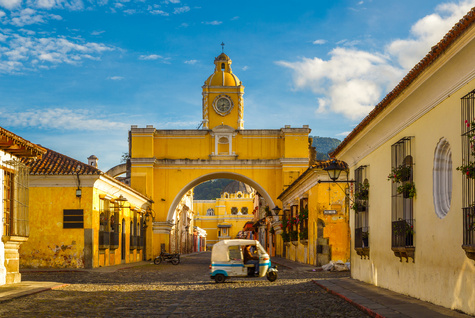
Take yourself on an amazing journey –– collect precious memories throughout the visually striking nation of Guatemala. The beauty of Lake Atitlan and history of Antigua awaits.

Guatemala
Heart of The Mayan World
I would warn them about the deceptive practices of Casa Azul though about the stocking and charges of the alcohol in the fridge. No warning at check in. No signage on fridge. Not locked. No tally sheet. No warning or heads up by Anywhere. I have never had to pay for alcohol before. ($92. U.S.) There was a store a few doors away. My only complaint about this hotel. I would stay there again. I just wouldn't be tricked twice.
Guatemala
We Dreamt. Then We Went.
When we told our family and friend that we were going to Guatemala, their first impression was your kidding. The country is not safe. Let me say we had a fantastic time from beginning to end of our trip. Guatemala has a lot to present and the country has a lot of history and the people are wonderful. I would come back again. In general I would say we had no issues with the Itinerary and the drivers of Anywhere were very professional and most of all kept us safe where ever we went. The hotels that we stayed were very nice and in safe location.

Guatemala