
Central Coast and Caves
The Central Coast doesn’t have the country’s top destinations, but fewer tourists mean a better chance of experiencing authentic Vietnamese culture. This is also where modern-day Vietnam got its start, and there are a few towns where you can get a glimpse of Vietnam’s ancient history.
Hue Imperial Enclosure
In 1804, Emperor Gia Long, the newly recognized ruler of a unified Vietnam, began building his feudal capital in a spot carefully chosen according to geomantic principles. A military man by nature, Gia Long ordered the construction of a wall (6.2 miles) 10 km long and 6.5 feet (2 m) thick, to surround the new Imperial City. Inside these walls, travelers can still glimpse the glory of the Nguyen Dynasty in what remains of the Hue Citadel.
Khai Dinh Tomb
Vietnam’s 12th Nguyen Emperor broke from many of the traditions set in stone by his predecessors’ tombs. Instead of separating his crypt and temple, Khai Dinh housed both in Thien Dinh Palace — a single structure built into the side of a steep hill on the outskirts of Hue. The overall area of the tomb occupies a much smaller parcel of land than many of the other tombs, but it is easily the most opulent and flamboyant.
Dong Ba Market
The Dong Ba Market traces it provenance way back in Hue history. Historically, the market stood outside the Hue Citadel and was the largest commercial center in Thua Thien Hue province. Unfortunately, when the Citadel was attacked in 1885, the market was burned down. Three years later, it was officially renamed, rebuilt, and relocated.
Hoi An
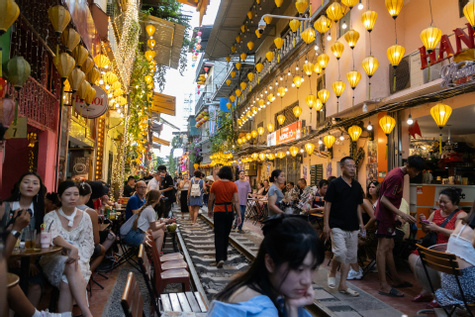
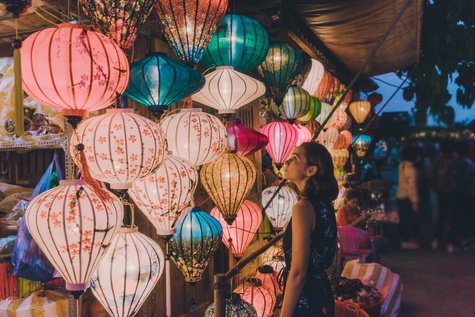
If ever Vietnam had its own storybook town, it would be Hoi An. It’s a rare traveler who fails to be taken in by Hoi An’s rich history and enchanted by its shimmering lanterns.
Hue
For every Vietnamese city that races headlong into the future, there’s one that’s just as firmly rooted in past. Hue is a historical destination and a fantastic stop for travelers who want to plunge into Vietnamese culture. This city isn’t completely frozen in time — Apple stores, large hotels, and sleek pubs have begun pop up just beyond historic district — but Hue is still largely a city where life drifts along with the leisurely current of the Perfume River.
Da Nang
Da Nang is an essential port city in central Vietnam, on the coast between Hoi An and Hue. Visitors who stay here get to experience the nightlife, interesting local art, and beautiful hikes up the nearby Marble Mountains.
Nha Trang
Hotels crowd the shores of Nha Trang’s popular beach. This is a highly developed area, and visitors will have plenty of amusement parks and shopping centers to choose from. Nha Trang also has a lot of bars that quickly fill with travelers and backpackers after the sun sets. Accommodations in the area cater to the backpacker and resort crowds.
Dong Hoi City
Dong Hoi City sits right on the East Sea, just outside of the jungle sprawl of Phong Nha-Ke Bang National Park. The city has its own beach and fewer travelers than other large cities in Vietnam. Most travelers who stop here are traveling between Hanoi and Hue.
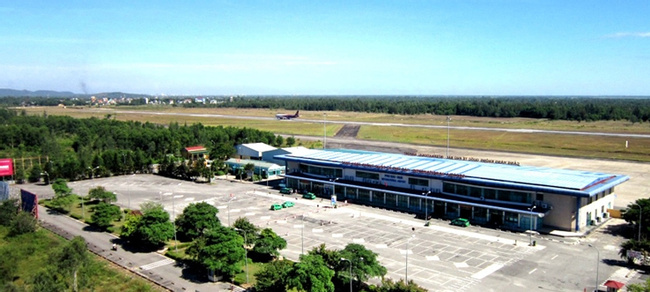
Phu Bai International Airport
Phu Bai International Airport (IATA: HUI) is about 30 minutes to the east of Hue. It’s two hours from here to Da Nang, the closest major city. Travelers come here to see the rural beauty and caves of Vietnam’s central coast.
More about Central Coast and Caves
The land on Vietnam’s Central Coast is made largely of limestone — a malleable material that can be shaped into magnificent caves over time. Visit the vast expanse of Phong Nha-Ke Bang National Park to see some of the world’s largest and most striking caves. Son Doong Cave is the largest cave in the world, and the Tu Lan Cave System has a series of caves and an underground river to explore. Both these attractions are worth multi-day treks.
The Central Coast is home to the Marble Mountain range. For years, locals chipped away at it to make fine art. Now, the marble mountains are largely sealed off, although there are still peaks you climb and shops in the area with lots of marble carvings for you to browse.
Visit the rural town of Ninh Binh to see the remains of Hoa Lu, which is Vietnam’s first capital. Hoi An’s Ancient Town is a UNESCO Heritage Site and has streets lined with well-preserved historic homes. Hue served as the capital for Vietnam’s last royal family, the Nguyen dynasty. Today, you can take a tour of the once sealed-off royal citadel.
Browse some of our favorite itineraries
Get excited and browse our selection of our favorite hand made tours including Central Coast and Caves. From romantic honeymoons to family-fun; these are completely flexible and arranged to your needs.
Deep into Vietnam & Cambodia
Our favourite country so far, 2nd time going. The food is amazing, the history and culture are vibrant and fabulous to participate in, and the people are so warm, friendly, kind and welcoming. It’s inexpensive but top quality and everywhere you go, you are welcomed. They work hard to help you and are open to learning English and happy to work with you via translate apps etc to accommodate anything from ordering food, to paying for items, to directions to places. Every menu had photos and moat things have English descriptions too. English is widely spoken too. There’s so much to see and do in the country that there’s something for everyone no matter what you’re interested in.
Vietnam
Vietnam, Cambodia & Thailand Immersion
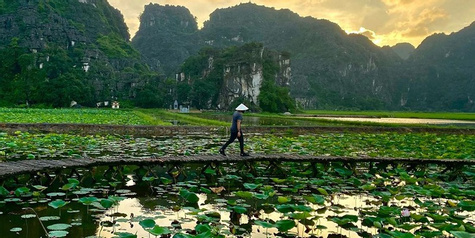
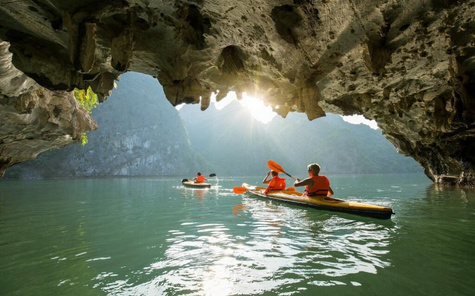
Tali explored the cultural tapestry of Vietnam and Cambodia on a 17‑day adventure. Travelers trekked from Hanoi’s bustling streets to Ninh Binh’s karst cliffs, glided through Halong Bay, explored Hoi An’s lantern river, and toured Angkor’s temples. Friendly local hosts and knowledgeable guides brought history to life, leaving Tali with a deep appreciation for the region’s vibrant traditions and timeless landscapes.
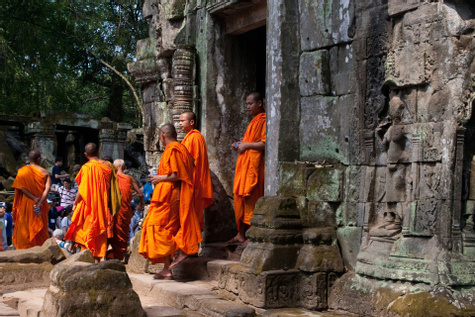
Vietnam
Southeast Asia Highlights Tour
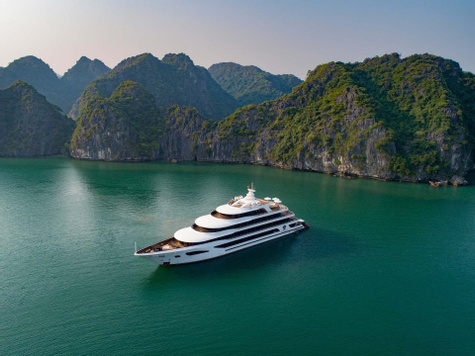
Raj and his wife explored Thailand and Vietnam on a three‑week adventure that blended city buzz with coastal serenity. The itinerary traced Bangkok’s temples, Chiang Mai’s hills, island hops in Krabi and Phuket, then Hanoi’s streets, a Halong Bay cruise, and Saigon’s nightlife. Friendly local guides and bustling markets offered Raj authentic flavors and insights, leaving him with a lasting appreciation for Southeast Asia’s diverse traditions.
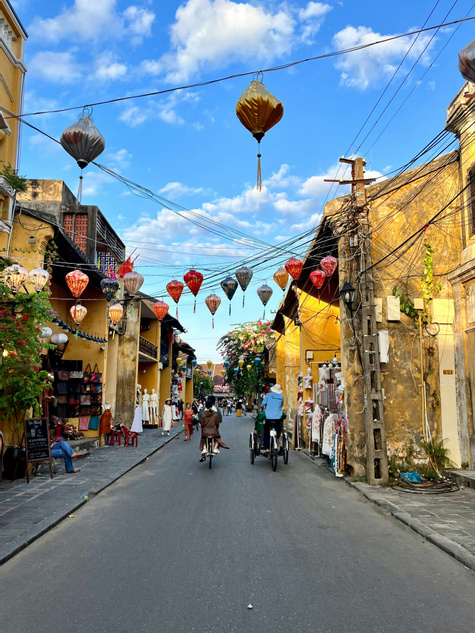
Thailand
2 Week Thailand and Vietnam Discovery
This itinerary was created for clients of Anywhere who are visiting Thailand or Vietnam. Our trips can be customized to meet your travel preferences, dates and budget. Are you looking for alternative lodging, activities or hotels? You can count on our local experts to help you in Southeast Asia. For a personalized trip to Thailand and Vietnam, get in touch with us today.
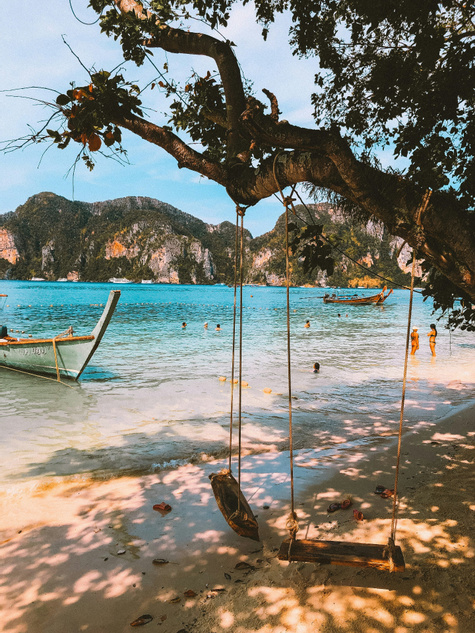
Thailand
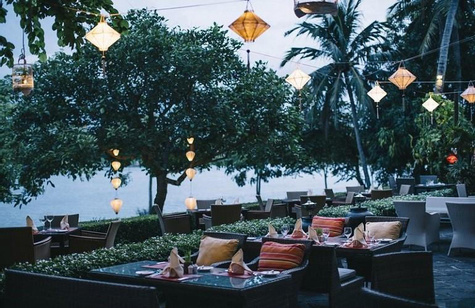
This Vacation Will Be Legendary!
This is the ‘see it all’ trip that you and your friends have been craving. Travel across Vietnam as you explore sights, cuisine, and awesome adventures. This vacation, go big!

Vietnam
My Journey, My Way in Vietnam
This luxurious solo getaway features stunning accommodations in cities and the countryside. A variety of curated private activities let you experience Vietnam in greater detail.
Vietnam
Our Ultimate Vietnamese Adventure
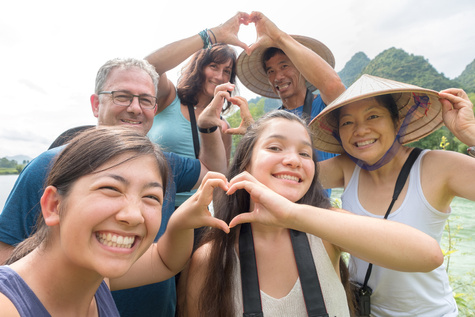
Return home as an expert of Vietnam after taking your family on this incredible journey, exploring all of the nation’s highlights. Don't worry, you'll still have time to relax!
Vietnam
We MUST See...Vietnam Together
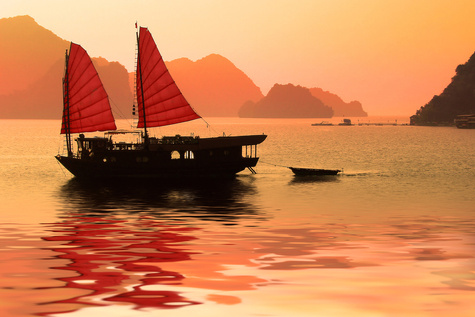
From Halong Bay by seaplane to Saigon at night by Vespa, you’re going on a grand tour of Northern Vietnam. Share great meals and great times with your favorite travel companion.
Vietnam
3 Cities in Vietnam, and My Love
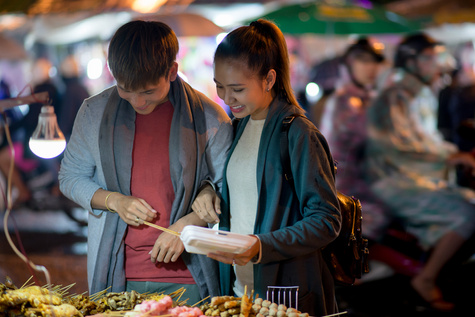
Explore the cuisines and cultures of Vietnam’s most influential cities on this whirlwind tour of North, Central, and South Vietnam. Enjoy exciting activities and stunning scenery.
Vietnam