
Food and Drink in Ecuador
Ecuador’s cuisine relies heavily on the rainbow of potato varieties that grow in its chilly highlands. Typical for an Andean country, Ecuador boasts hundreds of varieties of native potatoes, including spuds that come in rich shades of blue and purple. In the mountainous regions of Ecuador, food typically reflects the rugged climate, and revolves around meat and thick stews. On the coast , lighter dishes of seafood and coconut define the native palette.
The culture of the Ecuadorian people has been skillfully crafted into their cuisine. The largest meal of the day in Ecuador is lunch, typically followed by a relaxing siesta. Breakfast is usually simple, and comes with many options familiar to Americans. Soup often accompanies most meals, and there are several popular varieties. Caldos can be creamy or not, and dense locros have potatoes and cheese.
Usually, lunch and dinner will come with one or more of the following: fried or baked plantains, rice, yucca, and quinoa. Corn, beans, mild cheese, and hominy are also common accompaniments to a meal. Ají peppers usually take the form of a bottled sauce. Ecuadorians like to put it on everything. It goes with almost any meal besides breakfast.
Food is very affordable in Ecuador, so eat up!

What is typical Ecuadorian food like?
Hearty, filling and built around starches. A typical plate pairs pork, chicken or beef with rice, potatoes, fried or baked plantains, yuca or hominy, often finished with slices of avocado or a fried egg. Lunch is the main meal of the day, breakfast is light, and a bowl of soup starts most lunches — locro de papa, a thick potato-and-cheese soup, clear caldos simmered with meat and grains, and stews that change from cook to cook (some include offal, so ask if you're unsure).
On the coast, seafood takes over: encebollado, a hot soup of albacore, yuca, onion and cilantro, fish stews, ceviche with a lime, salt, pepper and onion base, and corviche, a fried plantain-and-fish fritter. Street food is everywhere, from skewered meat to fried plantains. Vegetarian options thin out beyond Quito and Cuenca — our Ecuador Insiders can flag restaurants that cater to you.
Is Ecuadorian food spicy?
Rarely. Unlike Mexican or Thai cooking, most Ecuadorian dishes are mild; the flavor comes from slow-cooked meats, sweet local fruit and fresh herbs rather than chili. The heat is served on the side: almost every table has a bowl or bottle of ají, a chili salsa that Ecuadorians spoon onto almost anything except breakfast. That means each diner decides how spicy a dish gets — start with a little, because homemade ají can be fierce. If you prefer no heat at all, you'll have no trouble eating well here.
Ecuador: A Land of fruits
Ecuador has the perfect climate for growing pineapple, mango, and banana. It’s also an ideal place to grow lots of fruits you’ve probably never tried.
Traveler’s tip — remember not to wash your fruit in tap water. Bring bottled water with you to the market, or buy a commercial fruit scrub.
Taxo is a long, orange fruit, filled with globules of orange flesh clinging to black seeds. It is typically used to make juice (with the seeds strained), or used to top ice cream. It has a tart, citrus flavor.
Ecuadorians use the same preparations for naranjilla, a small fruit that resembles a yellow tomato, with green innards. It has a flavor often described as a cross between an orange and a tomato.
You’ve probably heard of passion fruit. In Ecuador, you’ll find more than one variety. What you may know as passion fruit they refer to as maracuya. A variety of sweet treats in the passion fruit family grow in Ecuador, including the popular, purple granadilla.
Guanábana combines the flavor of a variety of fruits you already know. It is said to evoke strawberry, kiwi, and banana all at once. You’ll also find it quite sweet, with an unusual, spongy texture.
Mora is translated as either mulberry or blackberry. It has dark flesh and a very sweet flavor, and is a popular flavor of ice cream.
Tuna is the Spanish word for prickly pear, a squishy and sweet bulb that grows from a cactus.
You may have seen uvilla in some parts of the U.S., although you rarely find them in American supermarkets. In the U.S. they’re called ground cherries. Uvillas have papery leaves that close around a small globe of sweet, yellow fruit.
Tomate de arbol, or “tree tomato” in English, tastes like a sweet tomato, without the acidity.
If you don’t want to bother with peeling and slicing the fruits yourself, sample a selection of Ecuadorian fruits in a cocktail called a rosero quiteño. This cocktail is made with a blend of papaya, passion fruit, pineapple, strawberries, peaches, and whatever else the bartender feels like adding.
You might also visit your local ice cream shop, known as a heladería in Spanish. When you find yourself at the Plaza de la Independencia (Plaza Grande) in the heart of historic Quito , stop by the San Augustin Heladería. Opened in 1858, this shop makes ice cream according to tradition — in a large, copper bowl called a paila. Their ice creams are all made with fresh local fruit, and have a light, sorbet-like texture.

What To Drink in Ecuador
In Ecuador, it's important to avoid drinking tap water. Make sure you buy purified, bottled water before you set out on your explorations. And when you're looking for some refreshment, there are plenty of drinks here that you won't find at home.
Fresh fruit juices are everywhere, sold at roadside stands and in outdoor markets. Ecuador is also cacao country: order a chocolate a la taza, a thick hot chocolate made with high-quality local chocolate and milk. Much of Ecuador's best coffee has traditionally been exported, and simple cafés often serve instant; look for specialty coffee from Loja, grown in exceptional natural conditions in the south.
For beer, the national lagers Pilsener and Club are on every menu. Ecuador doesn't have much of a reputation for wine, so lists lean on imported South American bottles, and imported beer and wine usually cost more than they do at home.
Chicha, a drink made from fermented corn, is popular throughout the Andes and dates back at least to the Inca. In the highlands, locals sip trago de caña, also known as aguardiente, a sugar-cane spirit known for its warming, even fiery, kick. It is the base of the canelazo, served hot with naranjilla juice, cinnamon, clove and panela (unrefined cane sugar). It is extremely potent and said to ease the effects of altitude — go easy, especially if you have a lot planned for the next day.
Ecuadorian Classics
Make sure to try some popular potato dishes when you dine out. Llapingachos are fried potato-and-cheese cakes, often served with meat, avocado, and a fried egg. Salchipapas is a dish of fried sausages or hot dog served with potatoes.
Visit a roadside stand for a meaty snack on a skewer. Sometimes these savory offerings will include cuy, the Quechua word for guinea pig. Guinea pigs are considered a treat in Ecuador, but have become a valuable source of protein for some families, since they take up much less space than cattle. Newlyweds frequently receive a pair as a wedding present. They are usually served whole, paws and all.
Ecuadorians love their meat, and beef especially. Try some of the local product at a parrillada, an Ecuadorian steakhouse. For a casual meal on the go, try tallarines – an Ecuadorian take on noodles, and one of the few meals you can find for vegetarians. In the larger cities you’ll find take-out venues serving chaulafan, the Ecuadorian version of Chinese fried rice.
Seafood From Ecuador’s Coast
Fresh seafood from Ecuador’s coast makes its way into several signature dishes. Encocadas embodies many of the flavors of the coast, a dish of white fish cooked in coconut milk, usually with peppers. There’s another popular marriage of fish and fruit on the coast - bollos de pescado, a filet of fish steamed with peanuts inside a banana leaf. Banana leaves impart a delicate flavor that’s difficult to describe, and even harder to replicate. Besides these classic dishes, try the many different versions of seafood curries and chowders that are available up and down the coast.
Ceviche is a popular dish in Ecuador. You may encounter some new variations here — it’s not unheard of to find a ceviche prepared with citrus and tomato sauce, much like a gazpacho. Ecuador’s ceviches usually include white fish and shrimp, and have usually marinated in citrus juice for long enough for the fish to feel completely cooked.
Holiday Foods
From the beginning of Lent through Easter, you’ll see a seafood chowder called fanesca on menus throughout Ecuador. It’s made with fish, vegetables, squash, beans, and hominy. Typical garnishes include avocado and hard-boiled egg. This nourishing stew gets Ecuadorians through the long days when Catholic tradition dictates believers should avoid meat.
On November 2nd, Ecuadorians observe All Soul’s Day, a day to pray for the dead. They also enjoy a sweet treat called t’anta wawa. T’anta wawa is a Quechua term that translates to “bread baby.” This sweet roll vaguely resembles a swaddled infant – an oblong shape topped with a round ball of a head. According to legend, these rolls represented the children who passed on, and consuming the sweet bread honors their memory. It is served alongside a chilled glass of colada morada, a fuchsia fruit juice made from corn, fruit, and berries.
Related Travel Guides
- Development and Society in Ecuador
- Ecuador AirBnB
- Ecuador Entry Requirements
- Ecuadorian Chocolate
- Ecuadorian History
- Ecuador's Government and Economy
- Environmental Issues in Ecuador
- Food and Drink in Ecuador
- Getting Around in Ecuador
- Getting to Ecuador
- Holidays and Festivals in Ecuador
- Is Ecuador Safe?
- Money in Ecuador
- Music and Art in Ecuador
- Religion in Ecuador
- The Geography of Ecuador
- The People and Culture of Ecuador
Ecuador itineraries from local insiders
Explore hand-picked Ecuador itineraries designed by local insiders who know every hidden corner. Each trip is completely flexible, customized to your pace, travel style, and budget.
Inland, Islands & Amazon
Ecuador is a wonderful country where we were able to travel by road for over 1200 KM during our two weeks trip and see the different parts of the country.
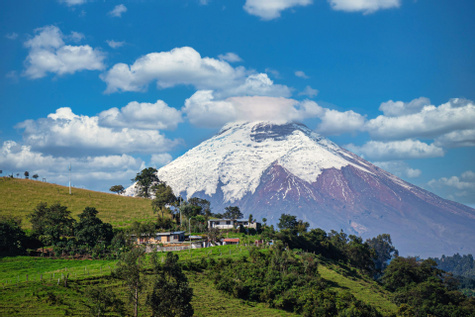
Ecuador
Two Weeks in Ecuador
Embark on a two‑week Ecuador adventure that juxtaposes bustling Andean capitals with remote volcanic islands, delivering a vivid contrast of urban energy and pristine nature. Traverse Quito’s historic streets, soar over the crater lake of Quilotoa, then island‑hop to the Galápagos for lava tunnels, Santa Cruz highlands, and sea‑lion encounters. Guided by knowledgeable locals, you’ll taste traditional cuisine, hear indigenous stories, and return with a deep appreciation for Ecuador’s cultural richness and extraordinary biodiversity.
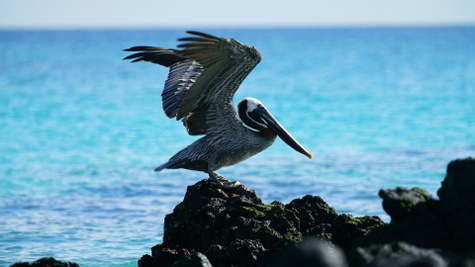
Ecuador
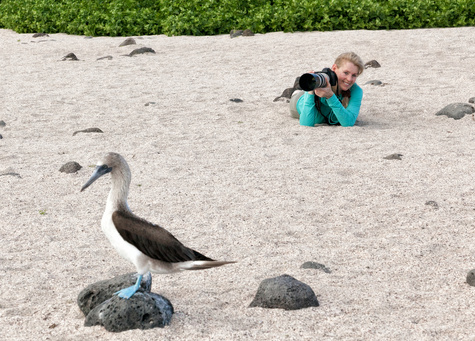
Everything We Had Hoped For
I loved using Anywhere Ecuador for this trip! We had a fantastic time. I gave a four out of five because we had some logistical challenges with our day trips and getting back to the airport.
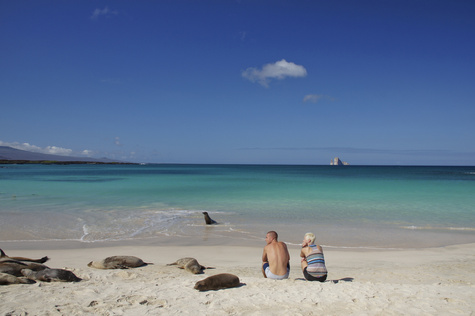
Ecuador
It Was Hard to Say Goodbye
Ecuador is a beautiful country from Quito all the way to the coast of Guayaquil. It is definitely a must. Percy was amazing in helping us plan our trip, as I must have changed my itinerary about a million times. Even when I had questions during our trip he was right there ready to help and took care of everything. Now, there are no words to describe our driver, (which we were lucky to have for 9 days) Ricardo. He was professional, friendly and went above and beyond to help make our Ecuador experience one to remember. It was sad to say good bye, but one thing is for sure when we plan our next trip to Ecuador we will be asking for Ricardo again.
Ecuador
Treasures of The Galapagos
Words cannot express the wonderful experiences we had in Ecuador and the Galapagos Islands. We try to explain our enthusiasm for our trip to our friends, but words become inadequate and so we simply encourage them to arrange their own adventure to Ecuador/Galapagos through Anywhere! We are anxious to start planning a return trip to explore more of the mainland of Ecuador. We owe a great deal of our curiosity about Ecuador to our driver Ricardo, who was an enthusiastic cheerleader for the country.
Ecuador
Friends Ecuador Adventure
Joyce explored Ecuador’s diverse landscapes on an adventure that combined highland culture and coastal wonders. She trekked from Quito’s historic center to Baños’ volcanic landscape, then sailed to the Galápagos for island tours of Lobo, León Dormido, and San Cristóbal. Guides shared indigenous stories, local cuisine, and conservation insights, leaving Joyce with a lasting appreciation for Ecuador’s vibrant ecosystems and warm hospitality.
Ecuador
Ecuador Thoroughly Explored
The people and the beauty of the country
Ecuador
From The Andes to The Amazons
If adventure, nature, and culture are at the top of your travel to-do list, then prepare for a trip that you won’t soon forget. Experience the rugged beauty of Ecuador.
Ecuador
Andes Highlands to Galapagos
Have it all! Rest, relaxation, adventure, and nature are yours when you book this Signature Trip to Ecuador. From Quito to the Galapagos, Ecuador will enchant you…
Ecuador