
Invertebrates
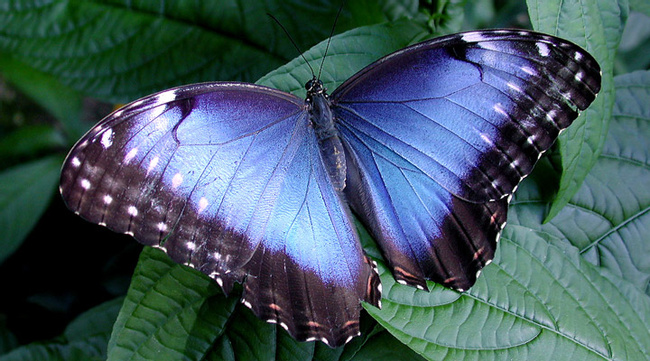
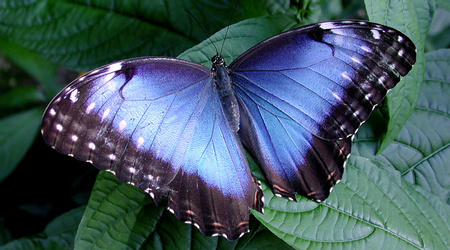
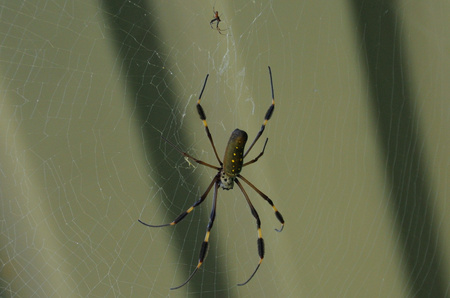
While crocodiles and bellbirds and howler monkeys are popular wildlife attractions, insects and their relatives are show-stoppers too. For the most part, bugs, beetles, and arachnids don’t deserve their bad reputations as “slimy,” “germy,” or “dull.” On the contrary, invertebrates take so many shapes and colors (with their armor, scales, and wings) that the variety seems endless, and insects and their relatives provide such cause for wonder and interest in the tropics that a trip here would be worthwhile just to see them in person. Invertebrates (or, creatures without bones, like butterflies, crabs, or centipedes) far outnumber all the other animals. Just think - there are 4 times more kinds of butterflies on the planet than mammals. Many invertebrates can startle visitors with their breathtaking colors, such as the Blue Morpho Butterfly, and many construct captivating homes, such the Golden Orb.
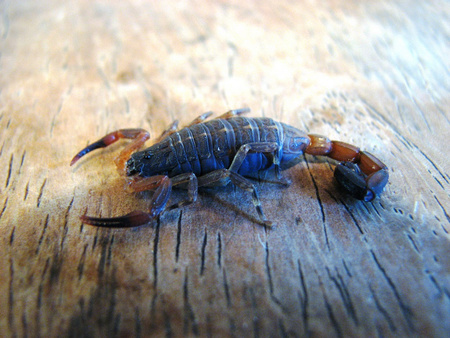
Scorpions
Invertebrates
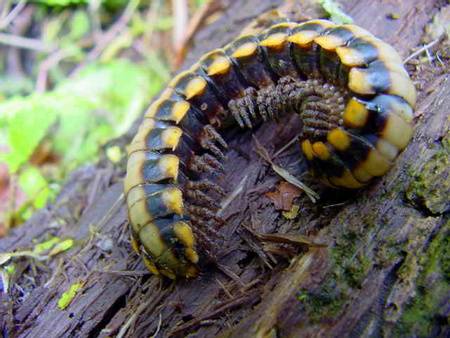
Millipede
Invertebrates
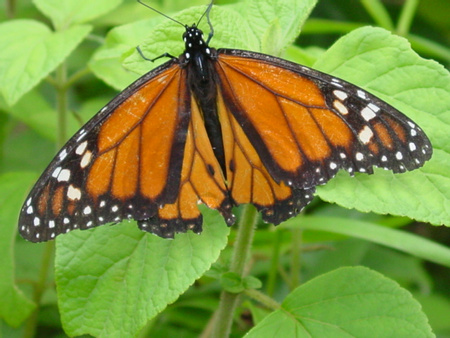
Monarch Butterfly
Invertebrates
Cook
Invertebrates
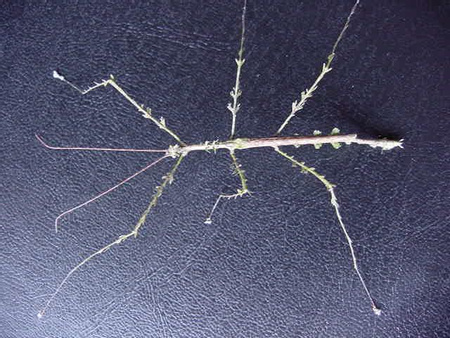
Walking Stick
Invertebrates
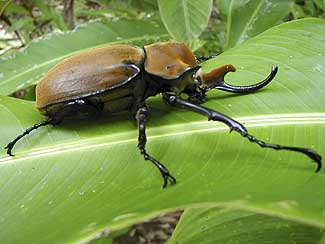
Rhinoceros Beetle
Invertebrates
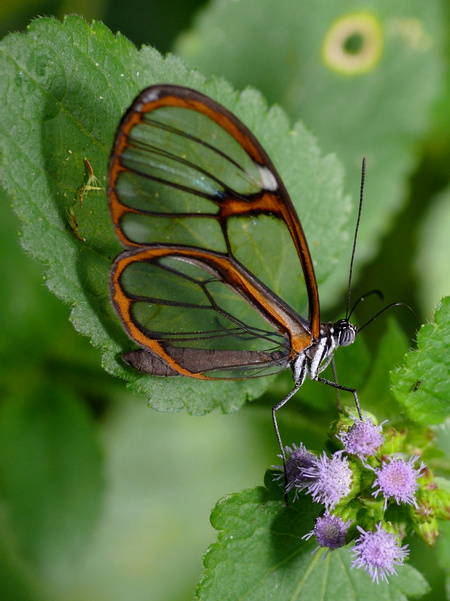
Glasswing Butterfly
Invertebrates
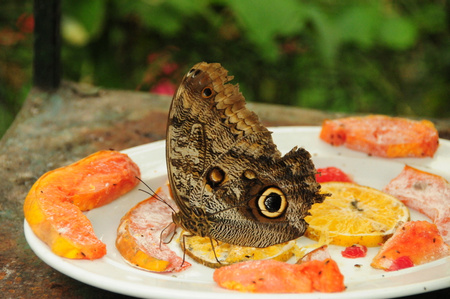
Owl Butterfly
Invertebrates
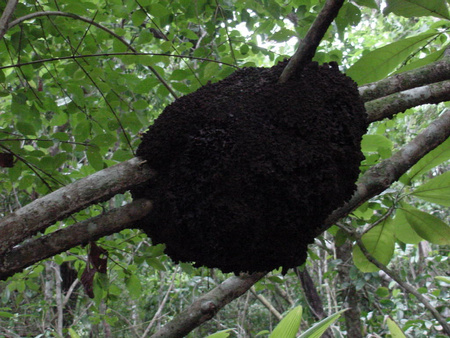
Arboreal Termites
Invertebrates
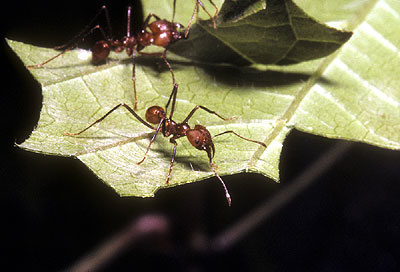
Leaf-Cutter Ant
Invertebrates
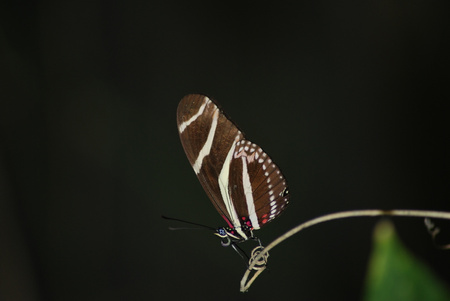
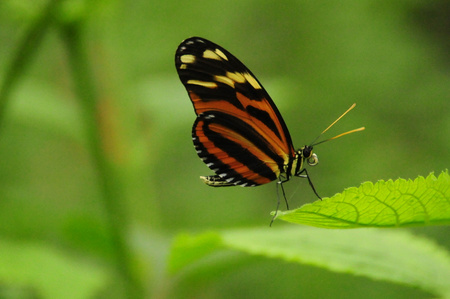
Spotted Longwing
Invertebrates
Blue Morpho
Invertebrates
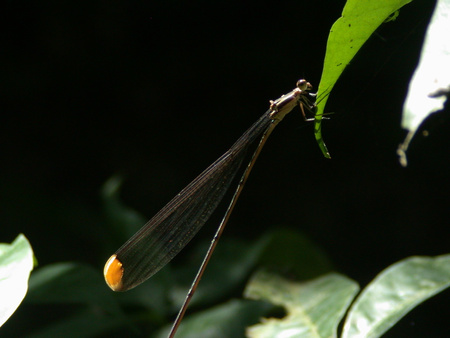
Helicopter Damselfly, Insect - Invertebrate
Invertebrates
Golden Orb Weaver
Invertebrates
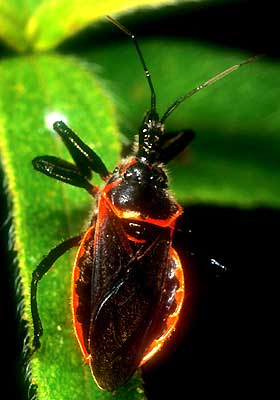
Assassin Bugs and Kissing Bugs
Invertebrates
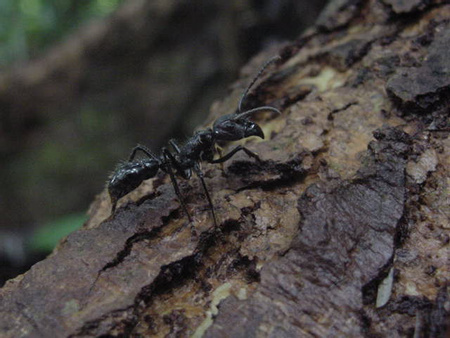
Bullet Ant
Invertebrates
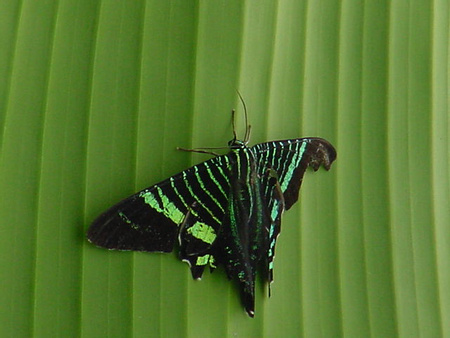
Green Page Moth
Invertebrates
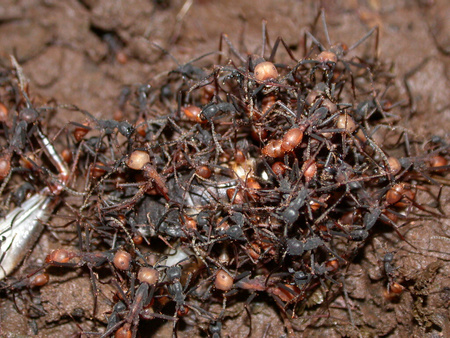
Army Ant
Invertebrates
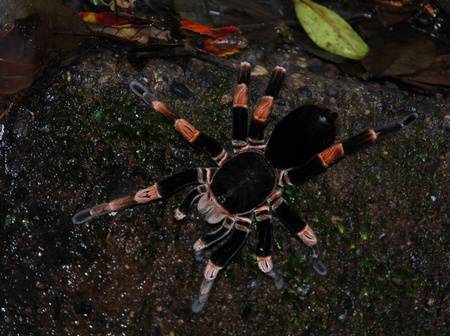
Tarantula
Invertebrates
More about Invertebrates
Some of these animals are as astonishing in their behavior as in their colors. Tropical habitats contain tight relationships between plants and animals, and insects and their relatives play key roles. By going from flower to flower to drink nectar, some invertebrates, like the Monarch Butterfly, are good pollinators for plants. In tropical forests, insects are the most important herbivores and they consume the most leaves eaten by animals. With so many insects hungry for plants, such as the Leaf-Cutter and Walking Stick, some plants spend energy defending themselves by delaying turning green or growing tougher leaves. Some insects have a diet restricted to just one plant and some plants have only one insect pollinator—so each needs the other to survive.
Not all insects and arachnids eat plants, though. Helicopter Damselflies attack spiders. Assassin Bugs liquefy their prey. Army Ants take down live animals, in addition to sweeping the forest floor for insects that have died. Of course, invertebrates make very desirable meals to other animals—there are a number of birds, amphibians, and reptiles that would love to snag a tasty insect.
Whatever the time of year or type of habitat, the invertebrates will be there.

Insider-led Costa Rica Design & Concierge
Your insider team designs the trip around what you care about, then supports you in-country with private logistics, vetted partners, and concierge help when plans change.