
More about Black Witch
Habitat and Range
Both dry and moist forest habitats are suitable for the black witch.
This moth can survive as far north as southern Florida and as far south as Brazil and Peru, as low as sea level and as high as 3,048 m in elevation. At night it can be found hovering near lights both in towns on the coast and high up in the Andes Mountains.
Physical Description
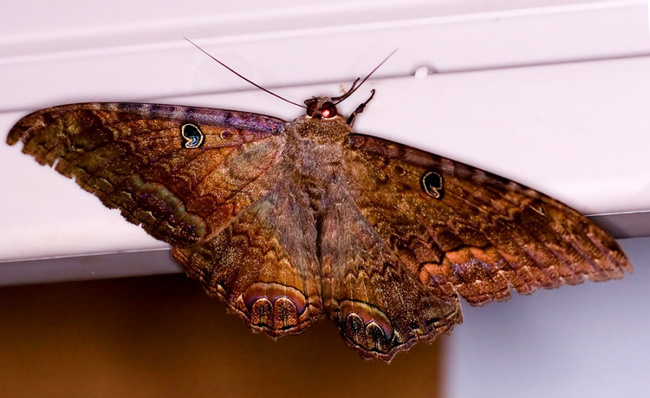
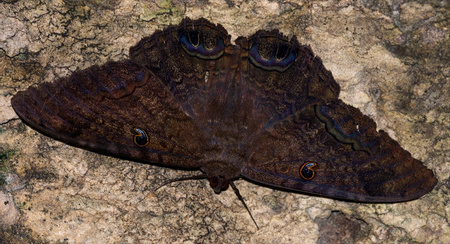
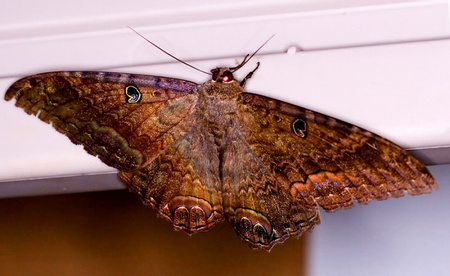
This very large moth is patterned in different shades of brown and has one darker comma shape on each forewing. Females have an additional pink-purple marking across each wing.
Biology and Natural History
With the moniker from Mexican folklore, “Mariposa de la Muerte,” meaning “butterfly of death,” the black witch moth should perhaps be a little more frightening. Because it is mostly active at dawn and dusk, in these half-lit times the large moth’s flittering flight pattern resembles that of a bat. If disturbed while resting during the day, the moth will rush out of its hiding place, which also resembles a bat’s behavior. It should be noted that neither moths nor bats are dangerous.
This moth is drawn each night to bananas and fruits that grow high in the forest canopy. During daylight hours, black witches seek out darker corners of the forest such as tree hollows or rock crannies.
A capable distance flier, the black witch moth travels all over the continent throughout the year in unpredictable movements. The moth breeds in Mexico and even farther south, but from August to October it may be found in California, New York, Minnesota, Kansas, and even southern Canada.
Diet
As an adult, this moth sucks the juices of rotting fruit. As a caterpillar, it consumes the leaves of host plants mostly from the bean family (Fabaceae).
Height/Weight
An adult’s wingspan is about 15 cm; females can grow a little larger than males.
Taxonomy
Order: Lepidoptera
Family: Noctuidae
Sources
Henderson, Carrol L. Field Guide to the Wildlife of Costa Rica. University of Texas Press, Austin, 2002.
Hogue, Charles L. Latin American Insects and Entomology. University of California Press: Berkely and Los Angeles, 1993.
Hogue, C. L. and Janzen, D. H. in Janzen, Daniel H. Costa Rican Natural History. Chicago: University of Chicago Press, 1983.
Kricher, John. A Neotropical Companion: an introduction to the animals, plants, and ecosystems of the New World tropics. Princeton, NJ: Princeton University Press, 1997.
-Amy Strieter, Wildlife Writer
Similar Profiles
Great Green Macaw
Flora & Fauna
Violet Sabrewing
Flora & Fauna
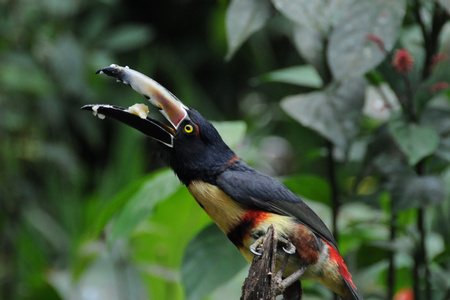
Fiery-billed Aracari and Collared Aracari
Flora & Fauna
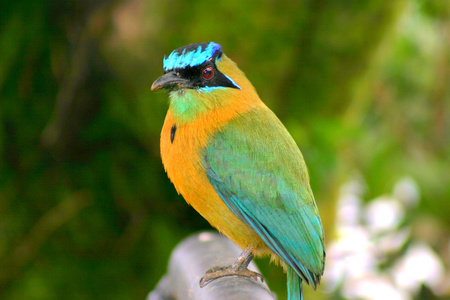
Turquoise-browed Motmot, Bird - Vertebrate
Flora & Fauna
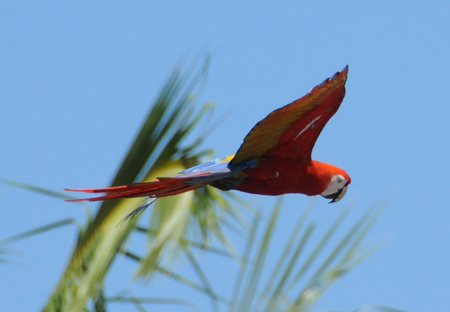
Scarlet Macaw
Flora & Fauna
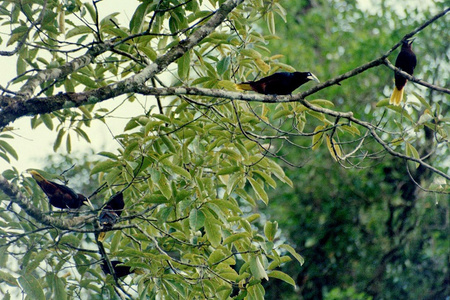
Chestnut-headed Oropendola
Flora & Fauna
Resplendent Quetzal
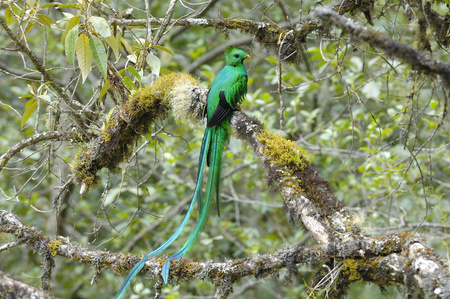
Flora & Fauna
Chestnut-mandibled Toucan
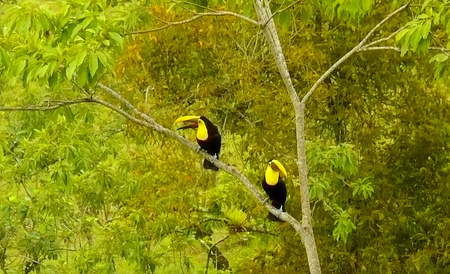
Flora & Fauna
Bare-necked Umbrellabird
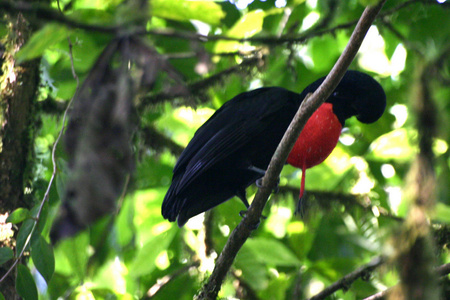
Flora & Fauna
Brown Pelican
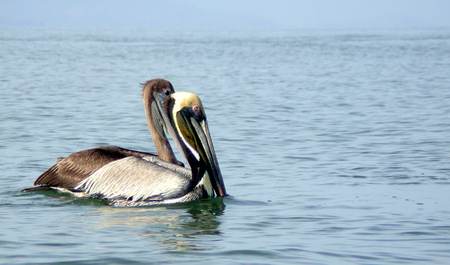
Flora & Fauna
Three-wattled Bellbird
Flora & Fauna
Black Witch
Flora & Fauna
Turkey Vulture
Flora & Fauna
Long-tailed Manakin
Flora & Fauna
Keel-billed Toucan
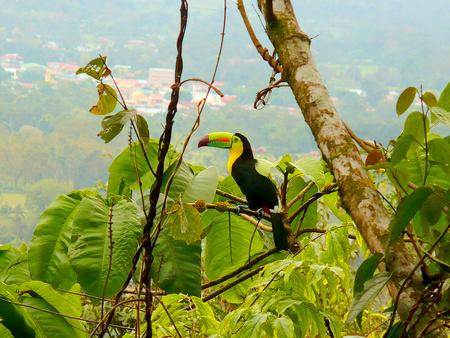
Flora & Fauna
Magnificent Frigatebird
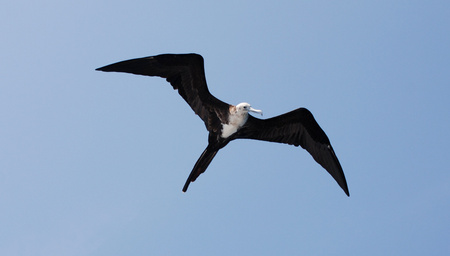
Flora & Fauna
Green Heron
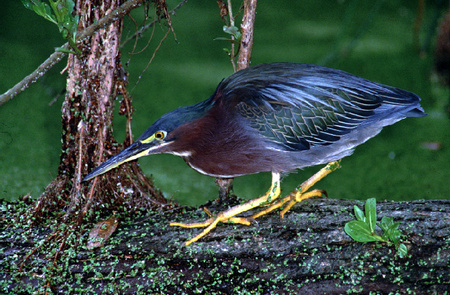
Flora & Fauna
Blue-and-Yellow Macaw
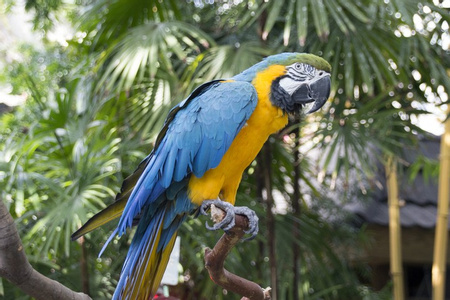
Flora & Fauna
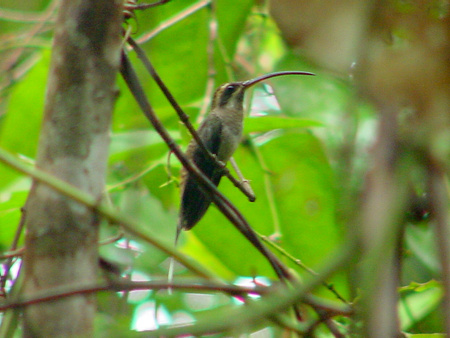
Long-tailed Hermit
Flora & Fauna
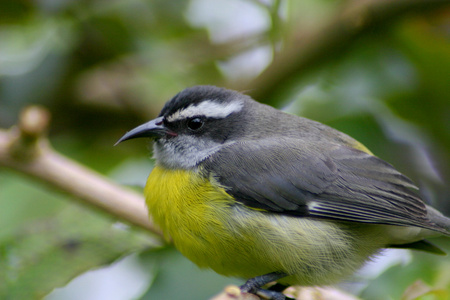
Bananaquit
Flora & Fauna

Insider-led Costa Rica Design & Concierge
Your insider team designs the trip around what you care about, then supports you in-country with private logistics, vetted partners, and concierge help when plans change.