
Costa Rica Money
The Costa Rican unit of currency is the colón. Named after Christopher Columbus, the first European to visit Costa Rica, the colón floats against the US dollar; it traded at about ₡450 to US$1 in September 2026. The cost of travel in Costa Rica is higher than other countries in Central America, but is still significantly cheaper than in the U.S. or Europe.
History
The Spanish introduced the first real currency to Costa Rica in the 16th century. Known as pesos, these coins were originally manufactured in Spain and transported to Costa Rica, but were later minted in Peru after gold and silver mines were discovered here. The two original denominations – the golden “Escudo” and the silver “Real” – were used for exchanges, with the “Real” being used for most daily transactions.
Following Costa Rica’s independence from Spain in 1821, it joined the Federal Republic of Central America and adopted the Republic’s currency. After Costa Rica separated from the Republic in 1838, its currency again changed. The change was reflected in the coin design, which used coffee and tobacco symbols, the two main exports at the time. When the Republic of Costa Rica was officially declared in 1848, new symbols – a flag and a shield – were adopted and have continued to be used since.
In 1993, Costa Rica began printing the so-called “new currency,” which cost much less to manufacture. Still in use today, this currency consists of golden coins made of bronze coated steel, in addition to 5 and 10 colónes coins made from aluminum.
Stability
The only thing you need to worry about during your holiday in Costa Rica is enjoying yourself. Not only is the Costa Rican government stable, the nation is known as the most stable country in Central and Latin America. This stability carries over into Costa Rica's economy; you will have no difficulty accessing money in Costa Rica upon your arrival or departure.
Practical Matters
US dollars are widely accepted in Costa Rica, especially at upscale hotels and restaurants—some places even list their prices in US dollars to make it easier for international travelers. For smaller services (including local meals or public transportation), be prepared to pay with colónes.
How much does a day in Costa Rica cost?
Day-to-day spending is modest next to lodging, private guides and transfers, which make up most of a trip's cost. Prices are higher than elsewhere in Central America: a casado at a local soda is inexpensive, international menus in Arenal, Monteverde and Tamarindo cost more, and upscale restaurants and beach towns price close to U.S. levels. Rough daily budgets by travel style:
Budget travelers can survive on around US$30 to US$40 a day. This covers basic transportation, lodging, and food. Rooms in budget hotels usually run around US$10 to US$20 per person and may include private or shared bathrooms. Meals at local restaurants (called sodas) usually go for around US$3 to US$4.
Midrange travelers usually spend US$50 to US$100 per person per day. Hotels in this range are more comfortable and offer a good list of amenities; these usually go for around US$30 to US$80 a night. Restaurants in this category offer meals for US$5 to US$10.
High-end travelers will find a number of upscale hotels and restaurants in Costa Rica. Nicer hotels start at around US$90 and are often found in more developed areas, although there are some impressive eco-lodges in remote destinations. Meals at the best restaurants begin at around US$20.
Hotels are generally more expensive during the dry season (December to April) and holidays, including Christmas, New Years, and Semana Santa.
Can I use credit cards and ATMs in Costa Rica?
Yes. Major credit cards are widely accepted at hotels, restaurants, tour operators and shops, and ATMs (cajeros automáticos) are found throughout the country. Cash still matters for small purchases: family-run sodas, pulperías (corner stores), markets, roadside fruit stands and some galleries may not take cards, so carry some colones and small US bills.
Before you leave, tell your bank you'll be in Costa Rica so it doesn't block your transactions, and check whether your card charges a foreign-transaction fee. ATMs need a four-digit PIN; use machines inside banks or well-lit businesses and cover the keypad as you type. US dollars are the easiest foreign currency to exchange at banks; Canadian dollars are very hard to change locally.
Colones come in banknotes of ₡1,000, ₡2,000, ₡5,000, ₡10,000 and ₡20,000, and coins from ₡10 to ₡500. On 23 September 2026 the official reference rate was about ₡450 to the US dollar.
What taxes and tips should I expect in Costa Rica?
A 13% value-added tax (IVA) applies to most goods and services, and restaurants add a 10% service charge to the bill. You don't have to tip on top of that, but a little extra in cash for a waiter who looked after you well is appreciated, because the service charge is shared among the staff.
Elsewhere, tipping is a thank-you for good service, never an obligation. Many service workers rely on tips, so travelers commonly tip naturalist guides, private drivers, boat captains and housekeeping staff, typically US$1 to US$10 a day depending on the service, or 10 to 20% of the tour price for a guide who made your day. Tip in cash, in dollars or colones. Taxi drivers don't expect a tip.
What souvenirs should I buy in Costa Rica?
Coffee is the classic Costa Rica souvenir: buy whole beans from a farm you visited or a specialty roaster. Other good buys are hand-carved wooden bowls and boxes, painted oxcart miniatures from Sarchí, the Central Valley town known for its woodwork, plus local chocolate, textiles and art.
Avoid anything made from wildlife, including shells, coral, feathers and turtle products, and never buy pre-Columbian artifacts. Costa Rica restricts the export of archaeological items, antiquities and wildlife species, and visitors can be fined for taking even seashells. Juan Santamaría airport (SJO) has plenty of shops for last-minute gifts. Your Costa Rica Insider can fit a coffee farm tour or a stop in Sarchí into a transfer day.
See our Costa Rica vacation packages.
Related Travel Guides
Costa Rica itineraries from local insiders
Explore hand-picked Costa Rica itineraries designed by local insiders who know every hidden corner. Each trip is completely flexible, customized to your pace, travel style, and budget.
Pura Vida Adventure Together
We both love nature and hiking so Costa Rica is ideal for both of those. We went during what’s considered the rainy season so you need to be aware of that going in. It rained at some point almost every day we were there but we still had a very enjoyable time. We visited La Fortuna and Manuel Antonio. We enjoyed La Fortuna more. La Fortuna was more jungle whereas Manuel Antonio was more coastal and felt more touristy.
Costa Rica
Adventure Through Costa Rica's Wild Heart
Costa Rica was just magnificent. The people, food, jungles, beaches were all fantastic. Can’t wait until my next trip back.
Costa Rica
Big Multi Family Group Adventure
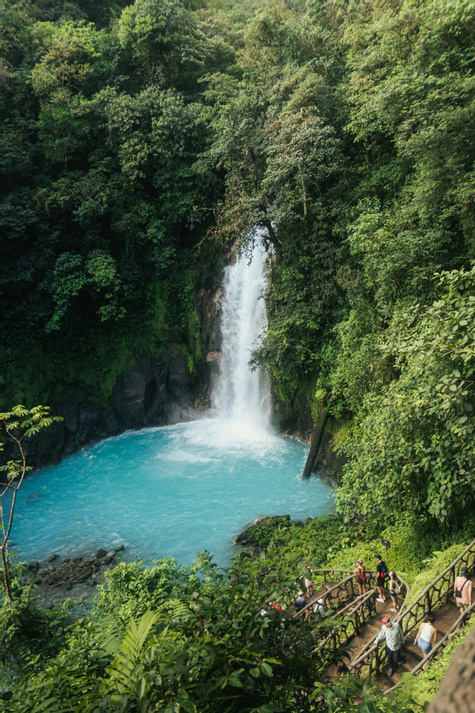
Embark on a vibrant Costa Rican adventure that juxtaposes bustling urban energy with lush, untouched rainforests, delivering a dynamic escape from everyday routine. From San José’s lively streets you’ll head to Monteverde’s cloud‑forest canopy for sky tram rides and hikes, then dive into Rio Celeste’s turquoise waters and trek El Silencio’s volcanic paths. Friendly locals and knowledgeable guides will immerse you in coffee farms, rainforest sounds, and volcanic vistas, leaving you with lasting memories of Costa Rica’s spirited hospitality and natural wonder.
Costa Rica
Sisters Adventure Together
Incredible tours, hotels, and communities.
Costa Rica
Matt and Fran’s Costa Rica holiday
Costa Rica has a diverse landscape and every area is unique and different. We easily rented a 4 wheel drive vehicle and drove from the Caribbean to the Pacific!
Costa Rica
Family Time in Costa Rica
Michelle and her family embarked on a multi‑generational adventure in Costa Rica, where mist‑cloaked cloud forests meet surf‑kissed Pacific beaches, offering a vibrant contrast of cool heights and warm tides. Your journey weaves through Monteverde’s canopy zip lines and canyoning thrills, the turquoise Tenorio River’s Class III/IV rapids, and La Leona waterfall’s lush river tubing. Guided by local experts and supported by a comfortable van, your family will soak up Pura Vida hospitality, returning home with shared stories of soaring forests and surf‑side sunsets.
Costa Rica
Family Adventure Through Costa Rica
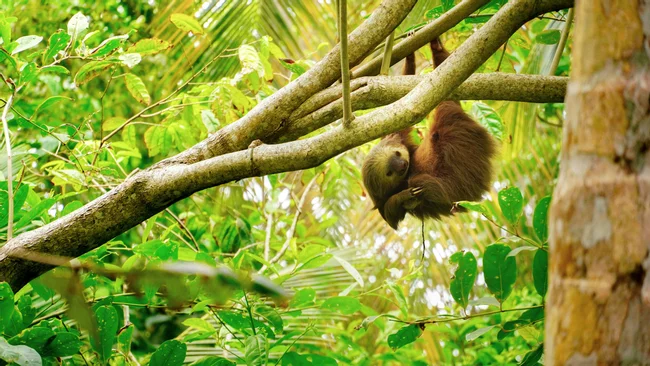
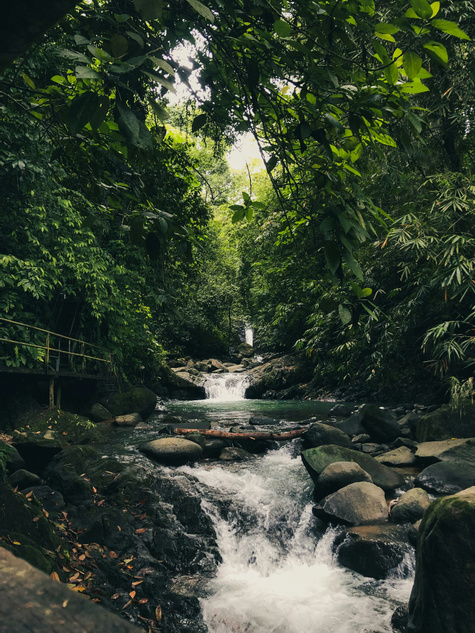
Rachel and her family of four spent a week moving across Costa Rica, from Arenal to the Pacific coast, with every transfer and tour arranged door to door. In Arenal they rode the Sky Adventures aerial tram and ziplines, took on the Balsa River's Class II–III rapids, and walked the EcoGarden trails to find sloths in their actual habitat, not a roadside stop, then the falls at La Fortuna. On the coast at Manuel Antonio they hiked the national park with a local guide, snorkeled the reef, and chased the Mulguri waterfall. As Rachel said, these weren't tours with twenty other tourists trailing the buses. They were the real thing, reachable only through local connections, with the family's days handled start to finish.
Costa Rica
Dream Honeymoon Adventure in Costa Rica
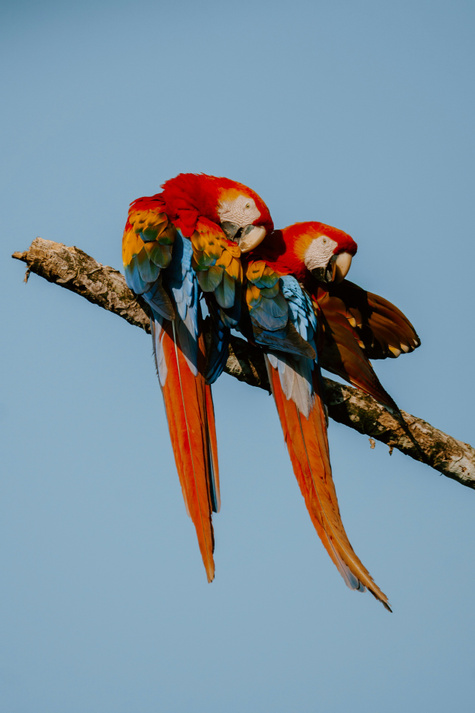
Embark on a honeymoon that swaps city bustle for Costa Rica’s emerald rainforests and sun‑kissed beaches, where romance meets adventure in every sunrise. From Monteverde’s misty cloud forest trails to Arenal’s volcanic hot springs, then Playa Conchal’s Pacific surf and Damas Island’s mangrove kayak tours, you’ll hike, soak, and sail. Friendly local guides and vibrant community flavors will weave unforgettable memories, leaving you with a deeper connection to nature, Costa Rican warmth, and each other.
Costa Rica
Costa Rica Off Season Adventure
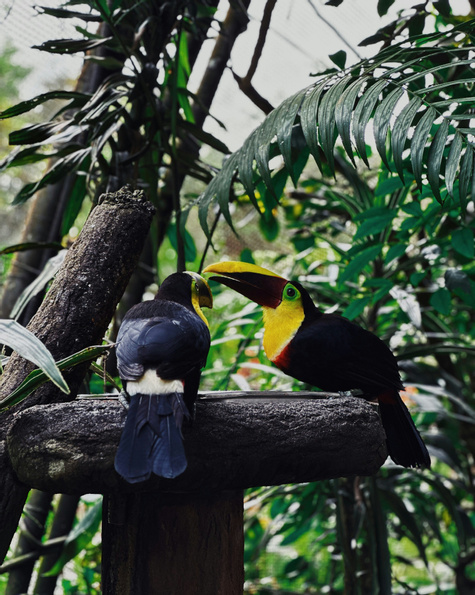
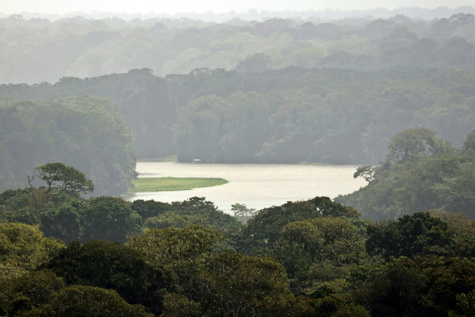
We found Costa Rica to be really beautiful. I loved the flowering plants everywhere, but the wildlife is the main reason we went. We didn't see monkeys in every tree or even toucans up close, but we did see them from a distance. We also saw lots of colorful birds in the National Forests that we have never seen before.
Costa Rica