
Panamanian Night Monkey
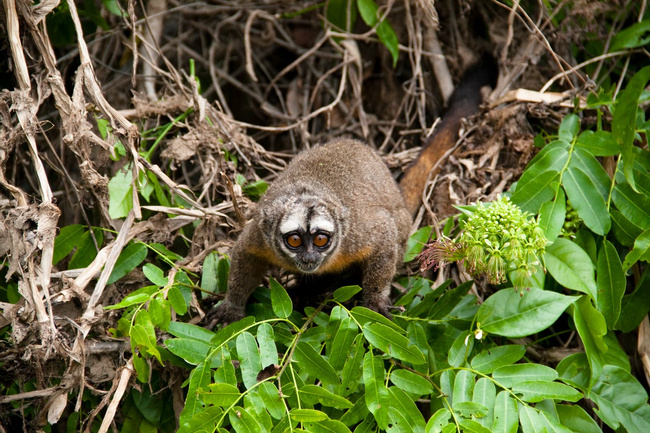
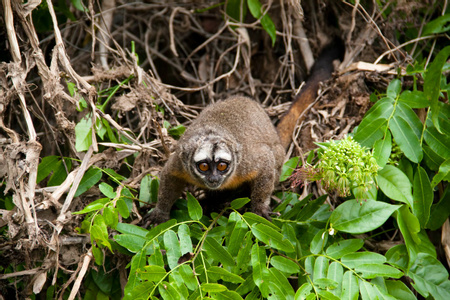
The Panamanian night monkey (Aotus zonalis), or Chocoan night monkey, is a nocturnal monkey that lives in parts of Central and South America. Weighing in at just 30 oz., they are one of the world’s lightest monkeys.
More about Panamanian Night Monkey
Habitat
Panamanian night monkeys are found in lowland, submontane forests up to 3,280 feet (1,000 m) in Panama and western Colombia. Their range extends from Panama and Colombia to the west of the Andes Mountains.
Physical Description
These monkeys are small, with big brown eyes and a short tail. Most of their fur is greyish/reddish-brown, but they do have yellow fur on their belly.
Interesting Biology
As its name implies, this monkey is nocturnal and most active at dawn and dusk. Due to this and also because they have a round face, they are often referred to as an owl monkey. They are arboreal creatures and live high in trees to avoid predators.
Panamanian night monkeys have monochromatic vision. That is, they can only see in one color. They also have night vision.
Panamanian night monkeys are monogamous and live in small groups of an adult pair and their offspring. The pair typically gives birth to one infant each year. Males carry the infants but give them to the mother for nursing. The Panamanian night monkey is thought to reach sexual maturity around the age of five.
They can communicate with over nine vocal calls and behavior like jumping and back arching. Males develop scent glands near their tail that are used to mark territory. Night monkeys are territorial, although groups sometimes have overlapping territories.
Diet
Their diet consists of fruit, nuts, flowers, leaves, nectar, small vertebrates, and small insects and spiders.
Height/Weight
Panamanian night monkeys weigh between 31 and 32.5 ounces—this makes it one of the lightest monkeys in the world. They average around 12 to 13 inches in height.
Brief Taxonomy
Order: Primates
Family: Aotidae
Sources
Fernandez-Duque, E. (2007). "Aotinae". In Campbell, C., Fuentes, A., MacKinnon, K., Panger, M., & Bearder, S. Primates in Perspective. pp. 139–150.
Defler, T. (2004). Primates of Colombia. Conservation International. pp. 252–266.
Similar Profiles
Coati
Flora & Fauna
Kinkajou
Flora & Fauna
Three-Toed Sloth
Flora & Fauna
Fishing Bulldog Bat
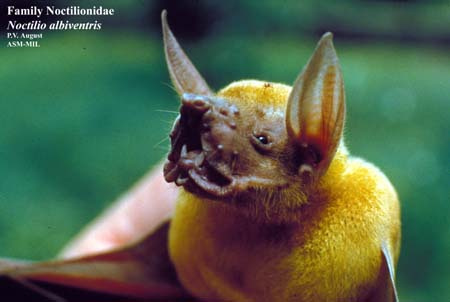
Flora & Fauna
Paca
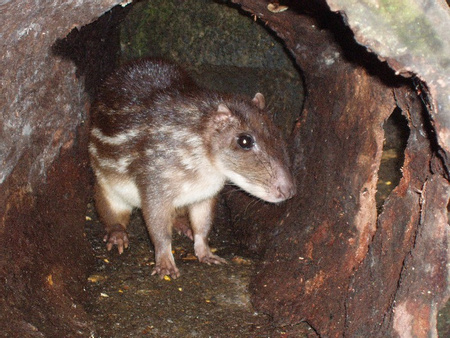
Flora & Fauna
Margay
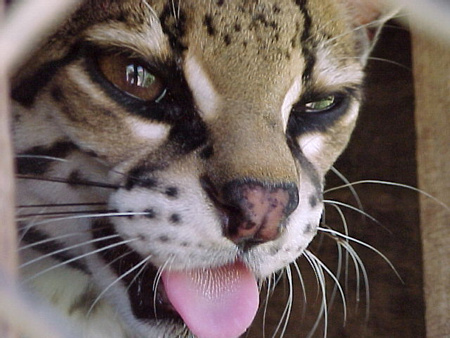
Flora & Fauna
Olingo
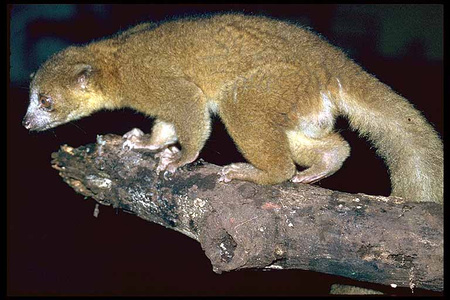
Flora & Fauna
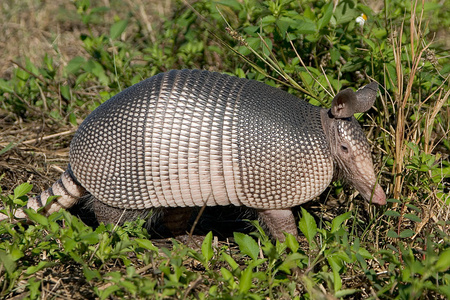
Armadillo
Flora & Fauna
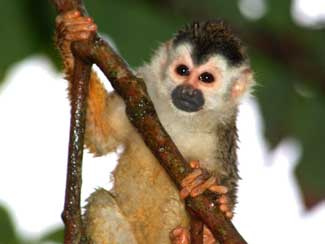
Squirrel Monkey
Flora & Fauna
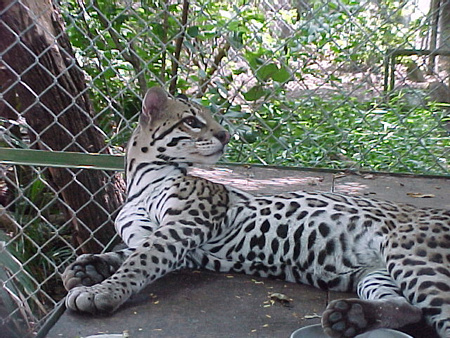
Ocelot
Flora & Fauna
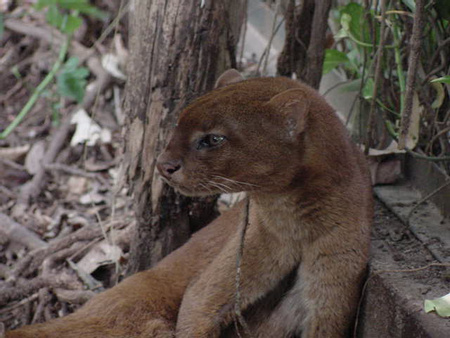
Jaguarundi
Flora & Fauna
Two-Toed Sloth
Flora & Fauna
Mantled Howler Monkey
Flora & Fauna
Jaguar
Flora & Fauna
White-lipped Peccaries
Flora & Fauna
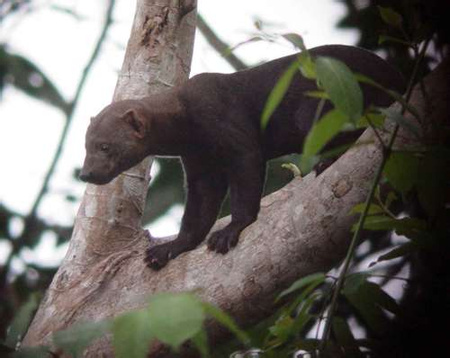
Tayra
Flora & Fauna
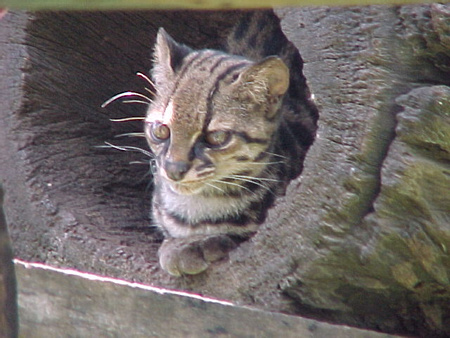
Oncilla
Flora & Fauna
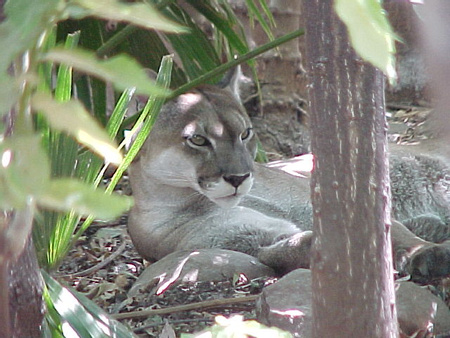
Puma
Flora & Fauna
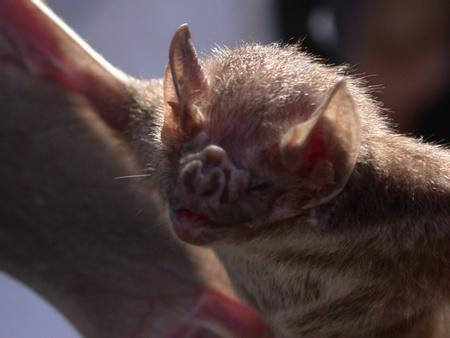
Vampire Bat
Flora & Fauna
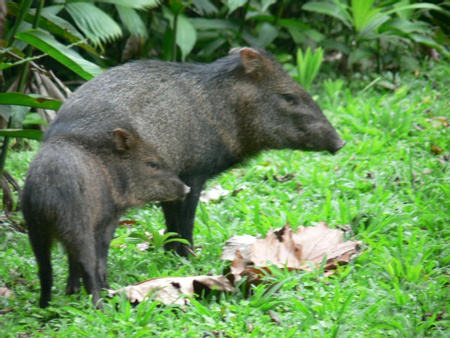
Collared Peccary
Flora & Fauna
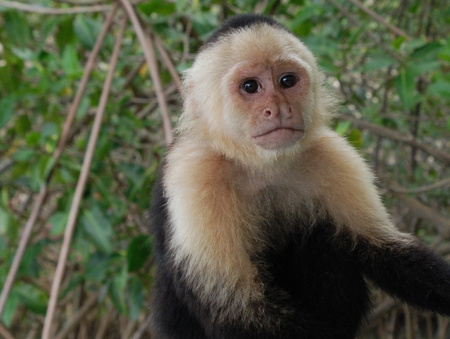
White-Faced or Capuchin Monkey
Flora & Fauna
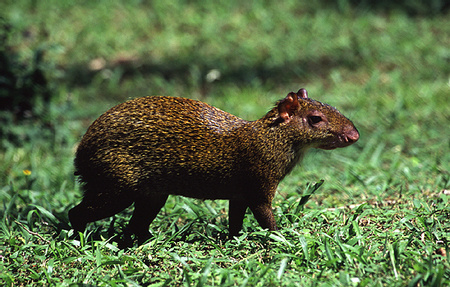
Agouti
Flora & Fauna
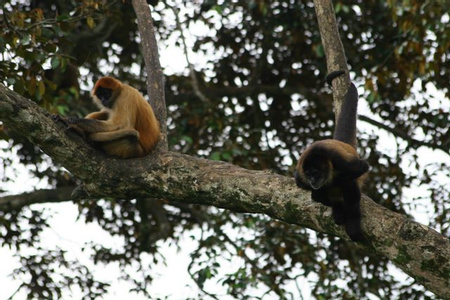
Spider Monkey
Flora & Fauna
Red Brocket Deer
Flora & Fauna
Capybara, Rodent - Vertebrate
Flora & Fauna
Panamanian Night Monkey
Flora & Fauna
Baird's Tapir
Flora & Fauna

Insider-led Costa Rica Design & Concierge
Your insider team designs the trip around what you care about, then supports you in-country with private logistics, vetted partners, and concierge help when plans change.