
More about Vampire Bat
Habitat
They can live in a variety of cover types, from tropical evergreen forest and tropical deciduous forest to man-made clearings and pastures.
Range
Vampire bats live from southern Sonora and Taulipas, Mexico to northern Argentina and Uruguay, rarely above 1,200 m in elevation.
Physical Description
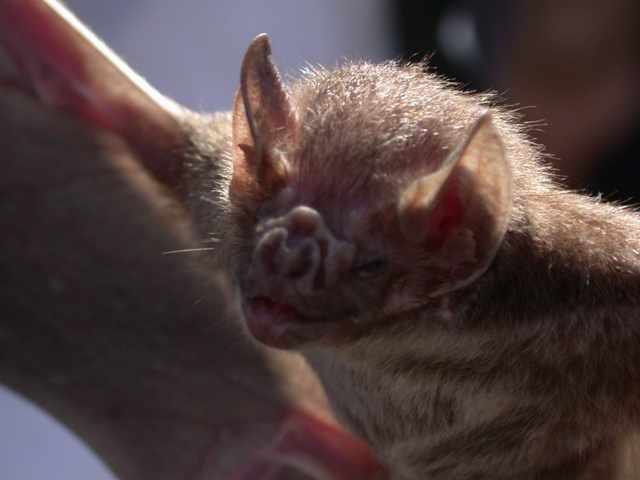
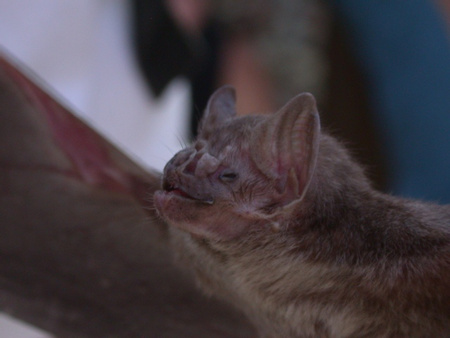
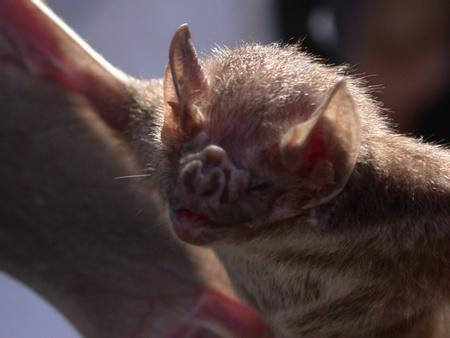
This species, the common vampire bat, is the only vampire bat that feeds on the blood of livestock; the other two species feed on blood from birds. It is capable of the rapidly coordinated movements needed to walk, run, and hop-it needs to be agile when it feeds on prey that is ten thousands times its size. It has very long "thumbs' with calluses for these movements, and has long legs with little fur, and no tail. This small to medium-sized bat is reddish brown to gray brown with pale underparts. Vampire bats have a strong sense of smell and larger eyes with better eyesight than most other bats. Their faces are distinguished by their enlarged, flattened nose pad instead of the more common nose-leaf shape.
Biology and Natural History
These bats are common in areas where they can find livestock. Domestic animals provide a supply of blood more consistent and abundant than the bats can find from wildlife prey, although they may also feed on white-tailed deer. Vampires avoid emerging from their roosts during periods with high moonlight. In the dark they are efficient foragers, hunting alone or in small groups. They emit low intensity echolocation calls that effectively detect large objects (such as cows).
Once a vampire targets a prey animal, it lands on the prey or on the ground next to it. On cattle, the bat usually bites the neck, and is not easily displaced even if prey reacts and tries to shake it off. Vampire incisors are razor sharp, but their feeding bite is painless. They expertly remove a tiny 3 mm piece of flesh from the prey and have an anticoagulant in their saliva that keeps the blood flowing the entire time that they feed. For half an hour, the vampire will stay attached to the prey, lapping blood from the wound with its long tongue. It has grooves on the underside of the tongue that function like a straw. A bat needs about 15 ml of blood each day; extracting this amount of blood from an animal the size of a cow could not hurt it unless many bats fed on it in the same night. The bats seem able to find their previous prey targets on subsequent nights and reopen the incision they made before. As intuition would suggest, these bats are sometimes responsible for transmitting the rabies virus among livestock.
After feeding, the bats return to their roost. A vampire must feed every night; if one member in the roost is unable to find prey during the night, its relatives will regurgitate some of their fare and share it. During the day these bats roost communally in tree hollows, unused wells, or such places, but they prefer caves. Their colonies can have as many as 500 or even thousands of individuals, and they often share roosts with other species of bats. Their roosts are identifiable by the dark orange, viscous, gooey, defecation found on the floor. They are social and may groom each other. Females feed their single pups regurgitated blood when they are three months old, and the pups go hunting with their mothers when they are 5 to 6 months old.
Diet
These bats feed only on the blood of other animals, generally livestock.
Height/Weight
Adults have a head and body length of 7.5 to 9 cm; their weight varies widely.
Taxonomy
Order: Chiroptera
Family: Desmodontinae
Source
Eisenberg, John. Mammals of the Neotropics, Vol. 1. The University of Chicago Press: Chicago, 1989.
LaVal, Richard K. and Rodriguez-H., Bernal. Murcielagos de Costa Rica. Instituto Nacional de Biodiversidad, Costa Rica, 2002.
Turner, D. C. in Janzen, Daniel H. Costa Rican Natural History. Chicago: University of Chicago Press, 1983.
Wilson, D. E. in Janzen, Daniel H. Costa Rican Natural History. Chicago: University of Chicago Press, 1983.
-Amy Strieter, Wildlife Writer
Vampire Bat Sightings
Similar Profiles
Coati
Flora & Fauna
Margay
Flora & Fauna
Olingo
Flora & Fauna
Armadillo
Flora & Fauna
Squirrel Monkey
Flora & Fauna
Ocelot
Flora & Fauna
Kinkajou
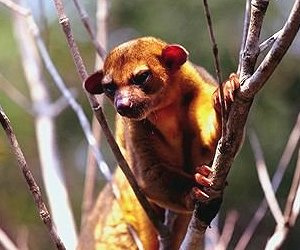
Flora & Fauna
Paca
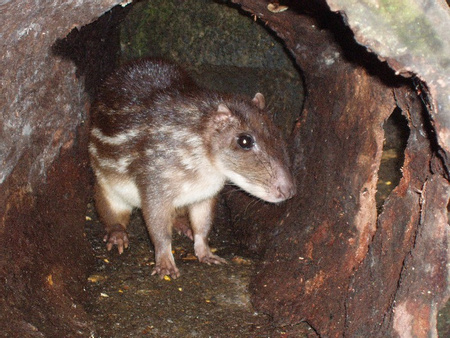
Flora & Fauna
Three-Toed Sloth
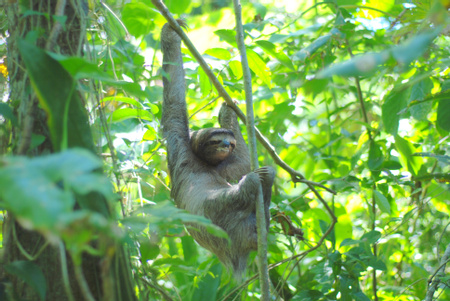
Flora & Fauna
Jaguarundi
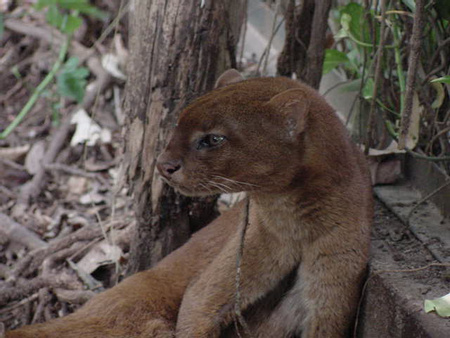
Flora & Fauna
Two-Toed Sloth
Flora & Fauna
Fishing Bulldog Bat
Flora & Fauna
Mantled Howler Monkey
Flora & Fauna
Jaguar
Flora & Fauna
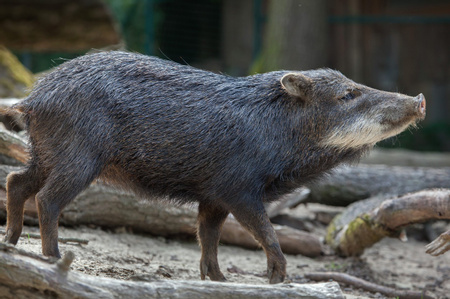
White-lipped Peccaries
Flora & Fauna
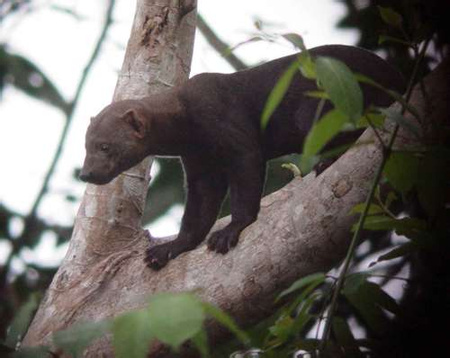
Tayra
Flora & Fauna
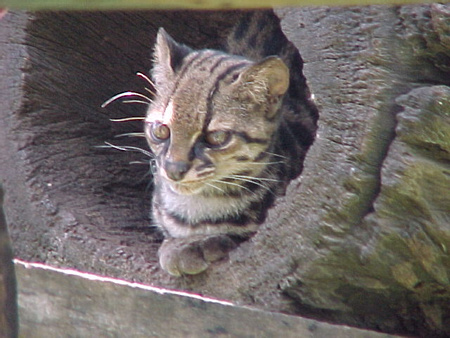
Oncilla
Flora & Fauna
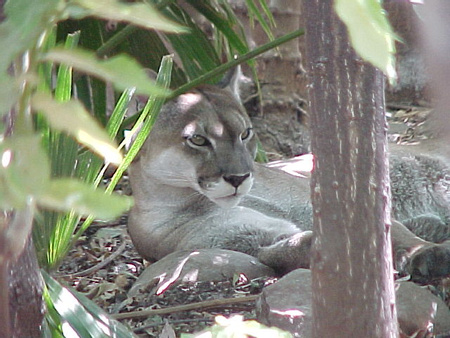
Puma
Flora & Fauna
Vampire Bat
Flora & Fauna
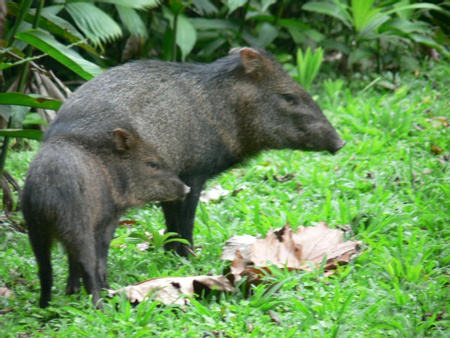
Collared Peccary
Flora & Fauna
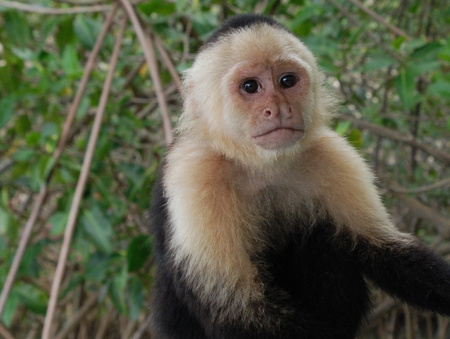
White-Faced or Capuchin Monkey
Flora & Fauna
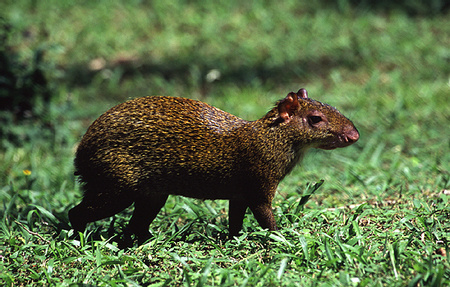
Agouti
Flora & Fauna
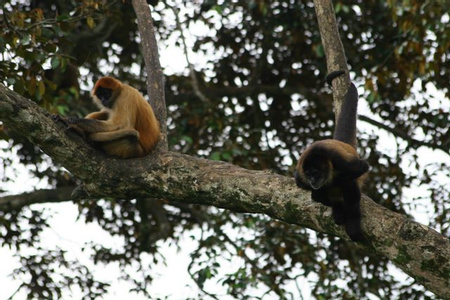
Spider Monkey
Flora & Fauna
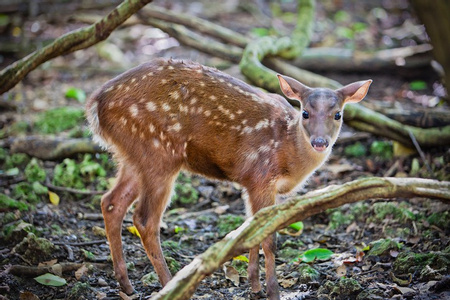
Red Brocket Deer
Flora & Fauna
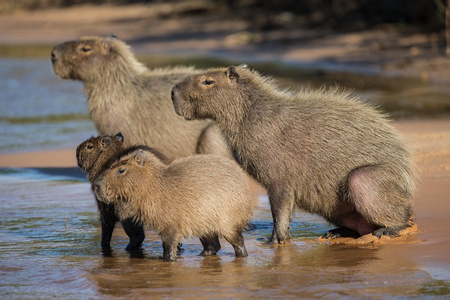
Capybara, Rodent - Vertebrate
Flora & Fauna
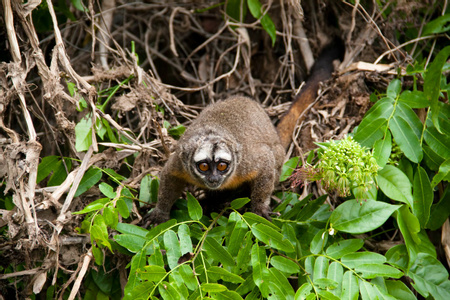
Panamanian Night Monkey
Flora & Fauna
Baird's Tapir
Flora & Fauna

Insider-led Costa Rica Design & Concierge
Your insider team designs the trip around what you care about, then supports you in-country with private logistics, vetted partners, and concierge help when plans change.