
Cahuita National Park
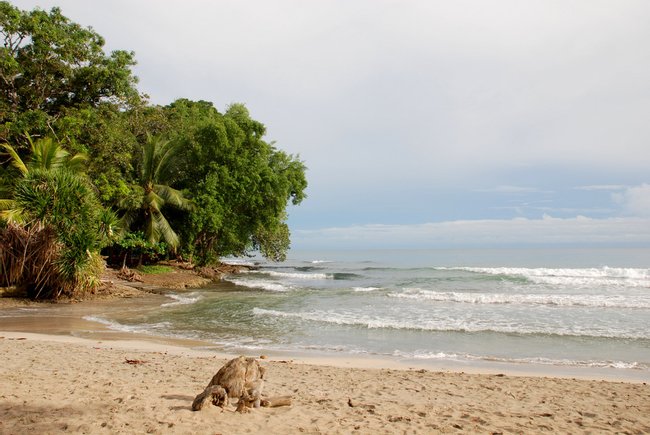
At 2,711 acres (1,097 ha), Cahuita National Park is small in size compared to its counterparts, yet up to par in terms of its animal, plant, and marine biodiversity. The park is much more regarded for its underwater portion than it is for its land attractions, which are certainly stunning in their own right. This national park enables visitors the ability to explore Cahuita's aquamarine costal waters complete with Costa Rica's largest costal reef.
Plan my TripPlanned with a local insider, takes just 2 minutes.
The immense 600 acre (242 ha) protected reef off the coast is home to 35 species of coral which in turn sustain a variety of marine species, including: barracudas, urchins, octopi, crustaceans, over 125 species of fish and a variety of sharks. During the 1991 earthquake that shook the region, parts of the reef suffered moderate damage when suddenly exposed to the air, yet the coral is making a comeback. Another popular sea attraction is a run down eighteenth century slave ship. Bound for the coast of Limon, the ship didn't quite make it, and now sits at the mouth of the Perezoso River, encapsulated in marine life. February through April is the best time for viewing underwater habitats.
On land, Cahuita National Park is equal in stature to its marine counterpart. Wildlife includes several types of monkeys, rodents and reptiles. Birdlife is plentiful, including herons, toucans, macaws and parrots. The leatherback, green, and hawksbill turtles use the park's beaches for arribadas, coming ashore to lay their eggs. Both of the beaches that line the park are made of lovely white sand. Swimming, however, is dangerous at certain locations, though signs warn visitors of dangers.
Because of the park's proximity to the village of Cahuita, facilities and roads are well developed. Kelly Creek, south of Cahuita, provides an access point to those who choose to enter the park on foot. Vargas Point (Punta Vargas), at the park's south end, is preferred by those staying in Puerto Viejo or anywhere south of the park. Roads access the park from both directions.
Both Cahuita and Puerto Viejo offer an array of accommodations to visitors looking to spend time exploring all that Parque Nacional Cahuita has to offer.
Wildlife Sightings
Spotted at Cahuita National Park
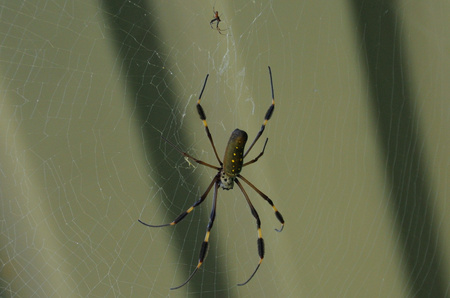
Golden Orb Weaver
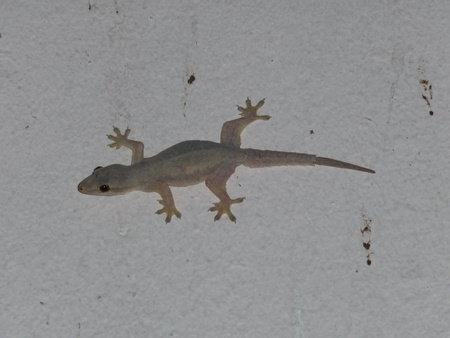
House Gecko
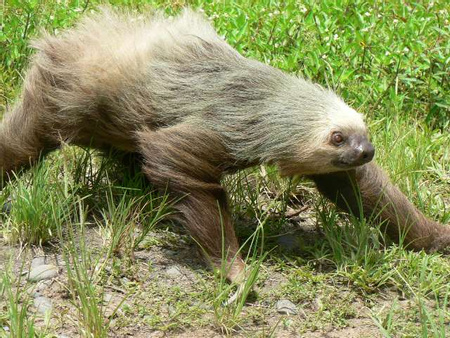
Sloths
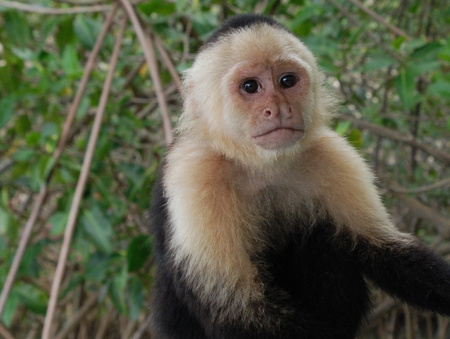
White-faced capuchin monkey
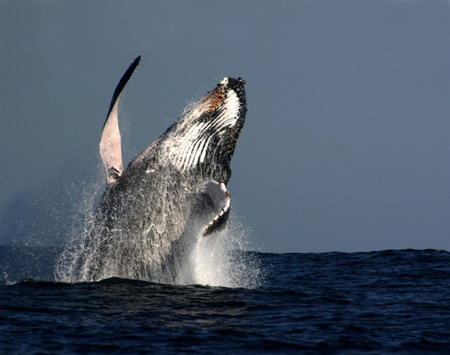
Humpback whale
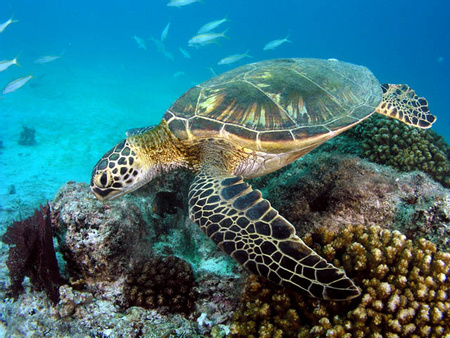
Sea turtles
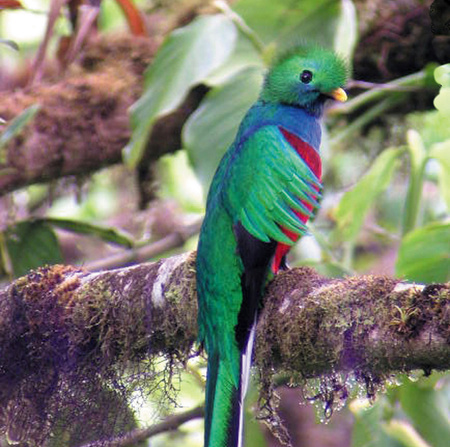
Resplendent quetzal
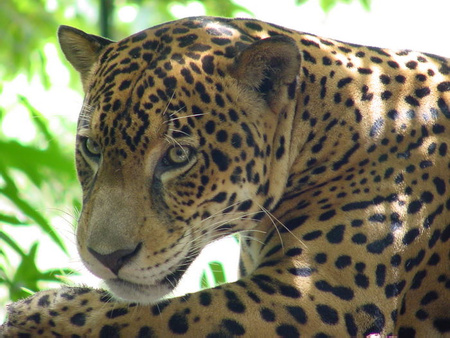
Jaguar
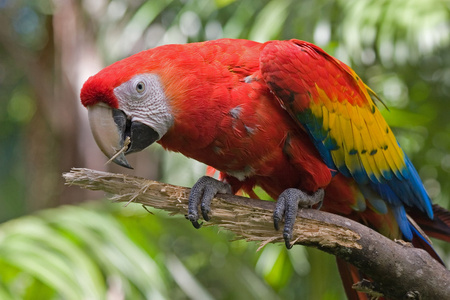
Scarlet macaw
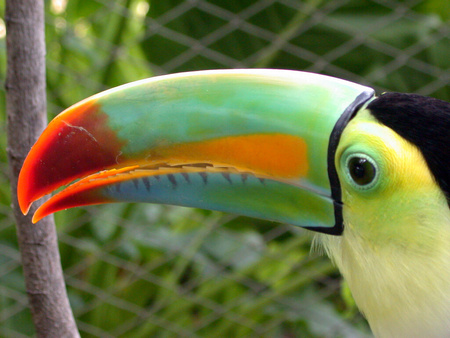
Keel-billed toucan
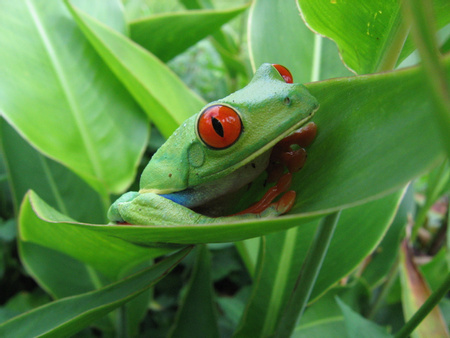
Red-eyed tree frog
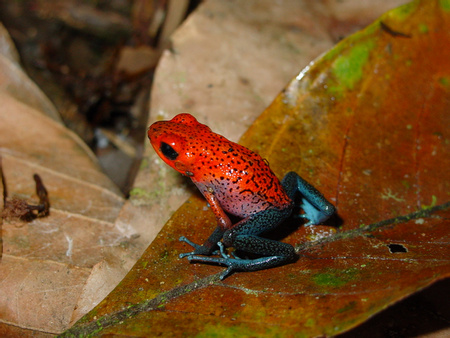
Blue jeans frog

Howler monkey
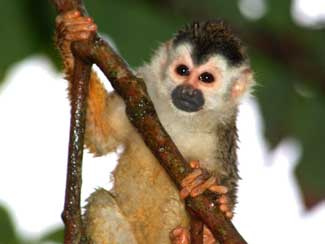
Squirrel monkey
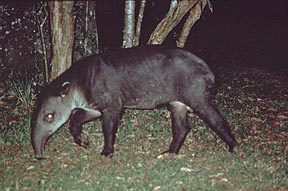
Baird's tapir
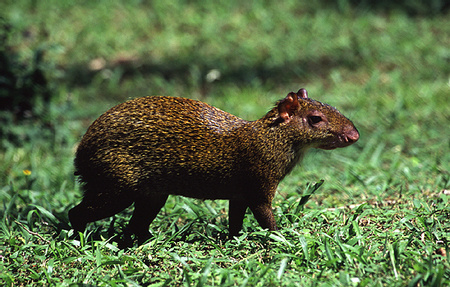
Agouti
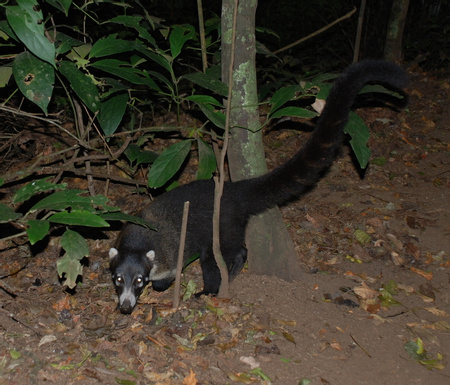
Coati
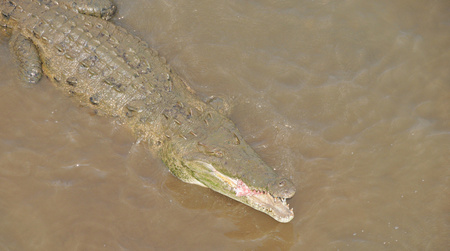
American crocodile
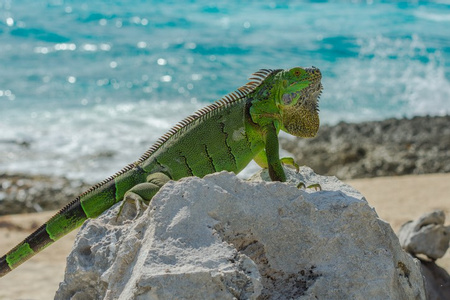
Green iguana
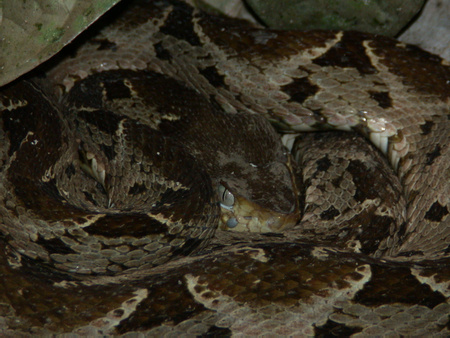
Fer-de-lance
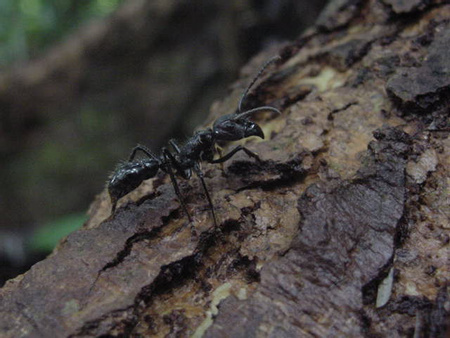
Bullet ant
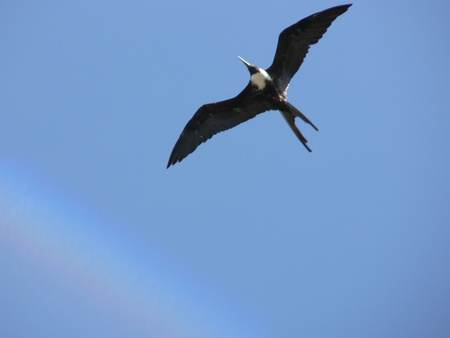
Magnificent frigatebird
Common Tink Frog
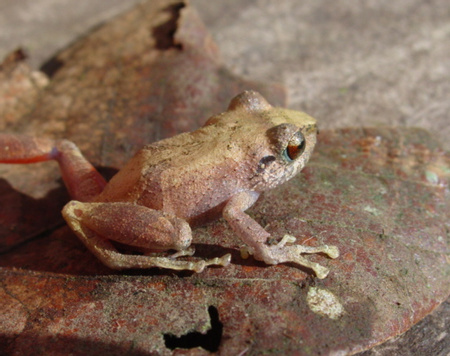
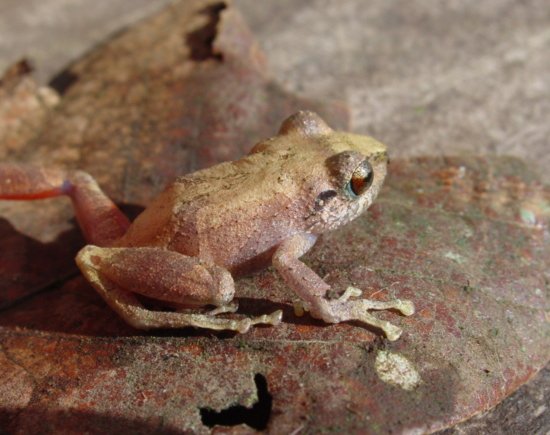
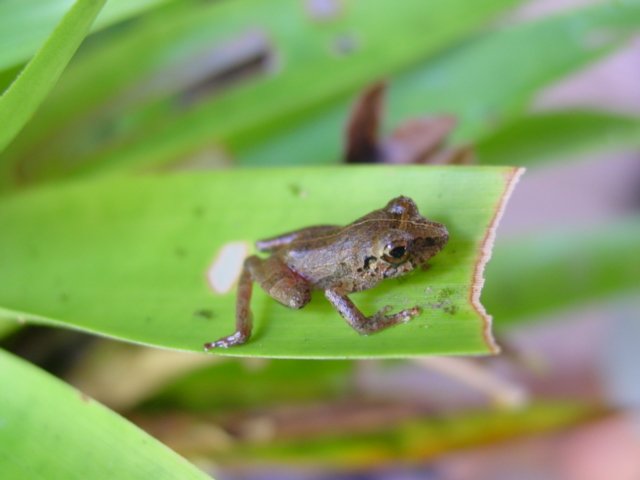
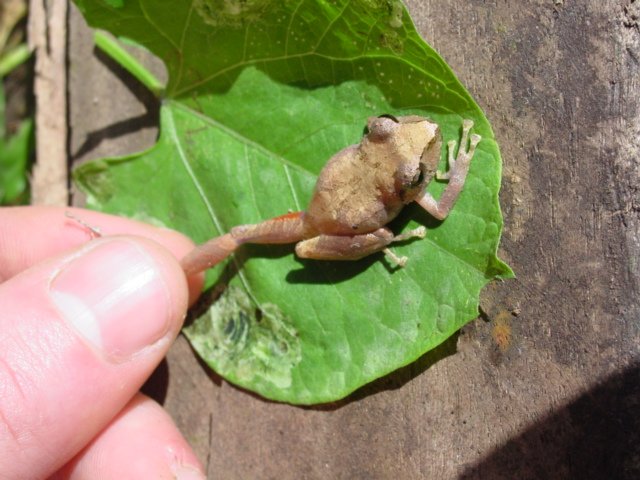
Common Tink Frog (Eleutherodactylus diastema). Spanish name: Martillita
Habitat
The Tink Frog inhabits forests from near sea level up to 1,800 m in elevation, including lowland moist forest and wet forest, premontane wet forest and rainforest, and occasionally lower montane wet forest and rainforest.
Range
Nicaragua, Costa Rica, Panama, and part of western Ecuador are home to the Tink Frog.
Physical Description
This small frog has large sticky disks on its fingers and toes which help it navigate its tree top existence. The Tink Frog uses short, agile limbs to jump or run short distances or scurry like an amphibian rodent. Its color is variable throughout the day. During the day, when the frog is hiding, it is usually gray to brown with bars or spots in a contrasting color. At night when the frog emerges, it becomes a pink or tan color. The frog’s belly is always pale.
Biology and Natural History
In rainforests throughout Central America, many nights are accompanied by a chorus of frogs calling with a light “tink!” or “dink!” This common nocturnal frog is tiny and hard to see, but it is even harder to miss their call. Some liken the call to the sound of a metal fork on a wine glass. An individual can dink as high as 30-40 times per minute, and with several frogs in an area, the night can turn riotously loud.
In some countries, the species within the genus Eleutherodactylus number more than 500 and are difficult to tell apart; more species are classified in this genus of frogs than any vertebrate genus. Most in the genus call softly, unlike the voluble Tink Frog. This species restricts its activities to tree habitats, from the understory to the canopy. During the day, it hides in bromeliads or tree cavities, or under bark or fallen leaves.
With large silver and brown eyes, this species searches at night for mates. The males leave their daytime coverings for leaves along stream banks, low shrubs, or bromeliads. From their perches they call loudly in duets or even a small chorus led by one male. In the event that a male attracts a female to his territory and they copulate, she may lay up to 10 eggs for him, and he tends to them in a bromeliad where it is moist and safe. Like all Eleutherodactylus species, the Tink Frog skips the tadpole stage. Instead, metamorphosis takes place inside the egg, and miniature froglets emerge from the eggs when they are ready.
Diet
This little frog mostly consumes arthropods, particularly ants.
Height/Weight
Males are 16-21 mm (or 3/4 inches), and females are larger at 18-24 mm (or 1 inch).
Taxonomy
Order: Anura
Family: Leptodactylidae
Sources
Leenders, Twan. A Guide to Amphibians and Reptiles of Costa Rica. Zona Tropical, S.A, Miami, FL, 2001.
Savage, Jay M. The Amphibians and Reptiles of Costa Rica: A Herpetofauna between two Continents, between Two Seas. The University of Chicago Press, Chicago, 2002.
-Amy Strieter, Wildlife Writer
Golden Orb Weaver
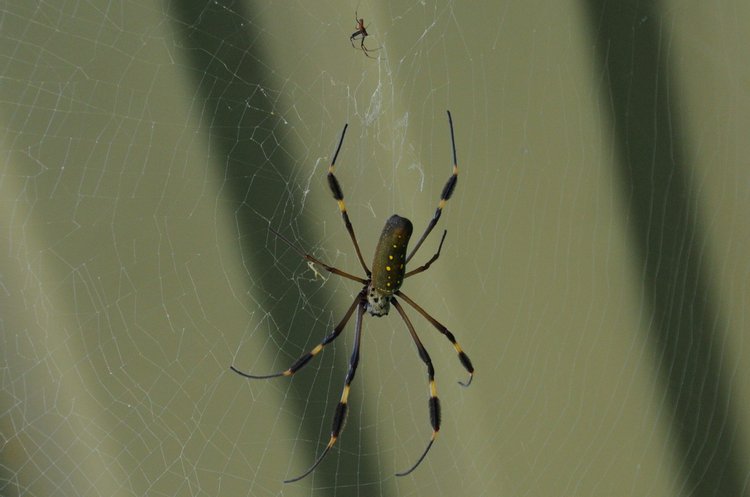
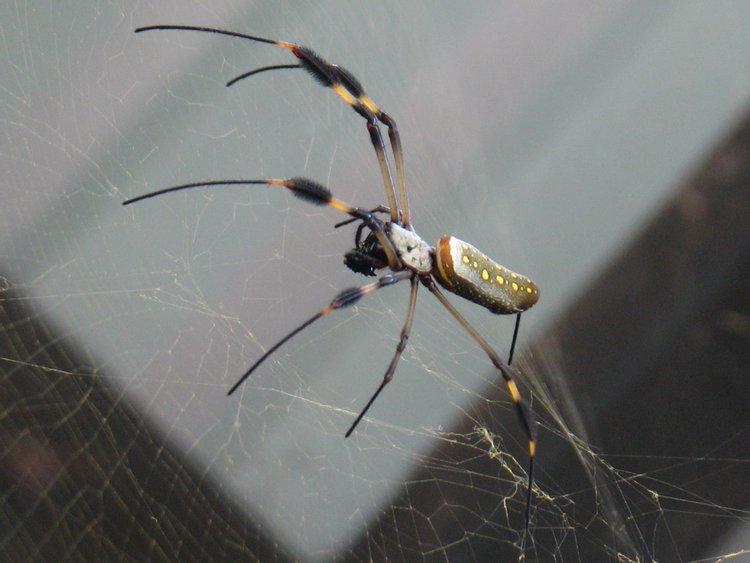
Golden Orb Weaver (Nephila clavipes). Spanish name: Araña de Seda Dorada
Habitat
This spider strings its large web between trees in the forest across trails or gaps. Because they build in spots other insects are passing through, the spider may choose areas in moderate or even sparse forest.
Range
The golden orb weaver can be found in lowland forests from the southern regions of Florida and Texas down through Panama.
Physical Description
The female registers her species as one of the largest spiders in Central America. The female has a long but rounded olive brown body with light spots. With her very long legs and striking coloration, the female looks like quite the predator, especially next to her company. Male golden orbs are tiny compared to their mates, and one or more males often perch somewhere on the female’s web, taking advantage of the ample food supply.
Biology and Natural History
This spider normally rests in the center of her enormous web made of brilliant gold-colored silk. The web can be a meter wide, strung between branches and a few meters off the ground. When an insect catches in the silk, the female golden orb slides over to it, bites it, and injects venom that paralyzes the prey. Then she wraps it in silk and moves it before beginning to eat. The males usually sit off to the side where they can be protected by overhanging leaves. These males and other creatures will poach prey captured by the female’s web. Thieves include other spiders, damselflies, wasps, and even hummingbirds.
Diet
Golden orb weavers will catch and consume different species of flies, bees, beetles, moths, and butterflies. Some butterflies are less palatable due to toxins or other chemicals in their bodies; the golden orb will recognize these and free them from the web.
Height/Weight
An adult female has a body length of 3 to 4 cm and a leg span of 5 cm. Her mate is comparatively tiny: adult males have a body length of 4 to 8 mm.
Sources
Henderson, Carrol L. Field Guide to the Wildlife of Costa Rica. University of Texas Press, Austin, 2002.
Hogue, Charles L. Latin American Insects and Entomology. University of California Press: Berkely and Los Angeles, 1993.
Amy Strieter, Wildlife Writer
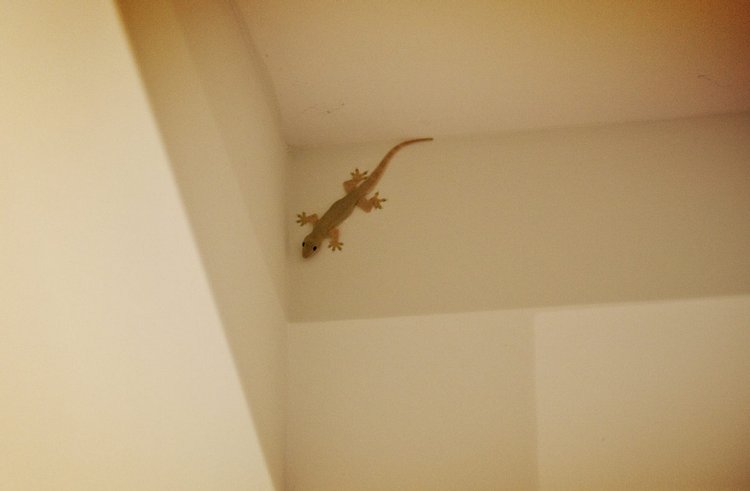
House Gecko
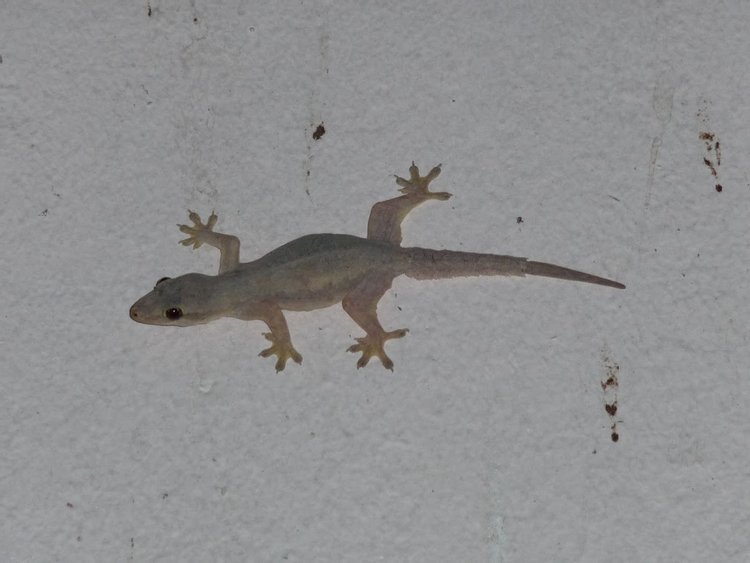
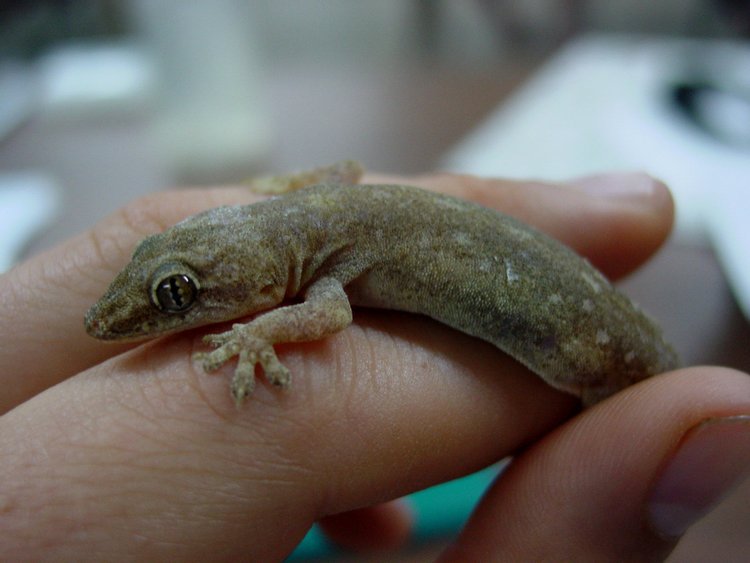
House Gecko (Hemidactylus frenatus). Spanish name: Gueco
Habitat
This gecko is usually found in low elevation areas where humans live, as one might expect, on surfaces such as walls, roofs, or railings.
Range
This species lives in regions including southern India, southern China, Malaysia, the Philippines, northern Australia, Guam, the Mediterranean, and Central America.
Physical Description
This reptile has small scales over most of its body that lend it a velvety texture. On its upper surfaces it is a grayish to pinkish to darker brown, occasionally with specks or stripes. The underside is pale yellow with brown specks. Some adults have pale red instead. There is a small stripe from the end of the nose through the eye area and back to the ear. At night, the overall color of the gecko becomes paler.
The house gecko can be distinguished by its foot characteristics. All its digits have non-retractable claws, divided pads, and lack toe webbing. This species also has multiple bands of relatively larger, pointed scales around the tail. One other gecko species, Hemidactylus garnotii, is difficult to distinguísh from the house gecko without a microscope to compare their scales.
Biology and Natural History
This common reptile might be seen actively hunting insects during the day, but they are more likely to be seen at night while they stalk insects crowding electric lights. They are fast animals, and have toes constructed to render them capable of running on vertical, smooth surfaces and even upside down.
One of the more talkative reptiles and certainly the most talkative lizard in Costa Rica, the house gecko is sometimes heard before it is seen, with a rapidly repeated chirp or chuck that can be loud and startling when nearby. Both sexes do this, although males do it more, particularly before they attack another male. He will also use the call to attract females.
Females may share nesting sites, but usually pairs of eggs are laid in small nooks near ceilings, beams, or under leaf litter. Females can store sperm in their body for up to 8 months before using it over multiple clutches of eggs while they are isolated from males. This ability is one reason the house gecko has been so effective at colonizing new areas. This species has managed to travel among and survive in many regions of the world. Across most of its range in the world, this gecko is generally found in human-inhabited areas.
Diet
Insects compose this small reptile’s diet, particularly those hovering near lights at night.
Height/Weight
From snout to vent, this gecko grows to 50 mm (2 in.); total length including the tail can be 135 mm. Adult males may be slightly longer than females.
Taxonomy
Order: Squamata
Family: Gekkonidae
Sources
Leenders, Twan. A Guide to Amphibians and Reptiles of Costa Rica. Zona Tropical, S.A, Miami, FL, 2001.
Savage, Jay M. The Amphibians and Reptiles of Costa Rica: A Herpetofauna between two Continents, between Two Seas. The University of Chicago Press, Chicago, 2002.
-Amy Strieter, Wildlife Writer
Tours & Activities
Experiences in Cahuita National Park
Explore hand-picked Cahuita National Park tours and experiences led by local insiders, from wildlife encounters to cultural deep-dives.
Trips to Inspire
Cahuita National Park itineraries
Explore hand-picked Cahuita National Park itineraries designed by local insiders who know every hidden corner. Each trip is completely flexible, customized to your pace, travel style, and budget.
From $3,994 per person
13 days · Manuel Antonio, Arenal, Playa Conchal
Couple
Embark on a honeymoon that swaps city bustle for Costa Rica’s emerald rainforests and sun‑kissed beaches, where romance meets adventure in every sunrise. From Monteverde’s misty cloud forest trails to Arenal’s volcanic hot springs, then Playa Conchal’s Pacific surf and Damas Island’s mangrove kayak tours, you’ll hike, soak, and sail. Friendly local guides and vibrant community flavors will weave unforgettable memories, leaving you with a deeper connection to nature, Costa Rican warmth, and each other.
Costa Rica
Inquire
11 days · Arenal, Tortuguero, Puerto Viejo de Limon
Family
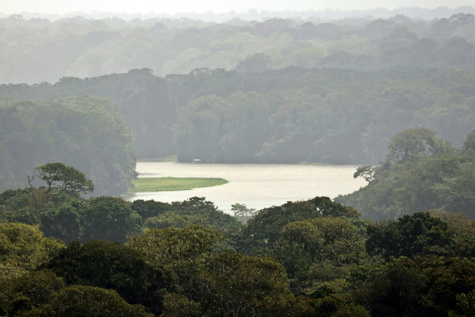
We found Costa Rica to be really beautiful. I loved the flowering plants everywhere, but the wildlife is the main reason we went. We didn't see monkeys in every tree or even toucans up close, but we did see them from a distance. We also saw lots of colorful birds in the National Forests that we have never seen before.
Costa Rica
From $1,244 per person
15 days · Puerto Viejo de Limon, Sarapiqui, Arenal, Manuel Antonio
Family
One suggestion would be to let people know the amount of time to drive from hotel to hotel. If I would have known, I would have stayed longer in fewer hotels.

Costa Rica
From $1,440 per person
15 days · Arenal, Puerto Viejo de Limon, San Jose, Manuel Antonio +1
Family
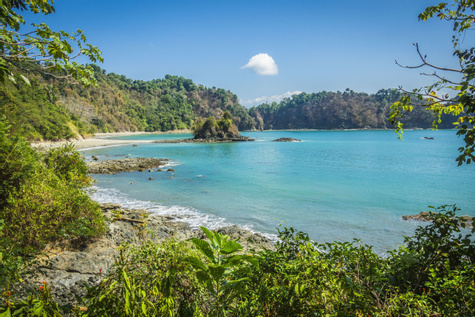
Our trip went very smoothly with all of our pick ups on time. The hotels, destinations and tours recommended by Roy Soto, our tour organiser were all of an excellent standard. For future reference, a lot of our trips were very early so we often missed breakfast at our hotels. It may be useful for fellow travelers to have a list of local cafes/hotels in each location that open early for breakfast. All in all our trip was very enjoyable, the scenery is suberb, the beaches beautiful and unspoiled, the wildlife abundant and incredibly diverse, and the people of Costa Rica are friendly and very hospitable. I would recommend a trip to Costa Rica for an unforgettable experience and I'd recommend Anywhere as a fantastic way to organise the trip of a lifetime, tailored specifically for you.
Costa Rica
From $1,353 per person
16 days · San Jose, Puerto Viejo de Limon, Arenal, Monteverde +2
Couple
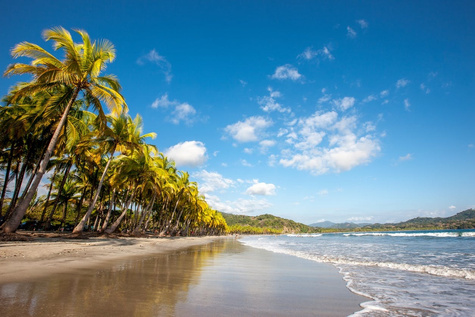
It was a beautiful holiday; we had a lot of fun and relaxation. There are a lot of things you can do in Costa Rica –– we never got tired. We saw amazing sights and animals, the 'Pura Vida' lifestyle is unforgettable!
Costa Rica
From $2,199 per person
15 days · San Jose, Tortuguero, Puerto Viejo de Limon, Arenal +2
Couple
We had a wonderful trip. All arrangements were handled promptly and on time. With howler monkeys outside our windows and being able to walk right onto the beach, it doesn’t get better than this.
Costa Rica
From $1,645 per person
17 days · Puerto Viejo de Limon, Tortuguero, Arenal, Monteverde +1
Family
Costa Rica has really got itself well organised for tourism, the service was spot on, the travel timing accurate ( although some of the roads were really poor, pot holed). Hotels and activities are really geared for tourists and they made us feel welcome.
Costa Rica
Inquire
7 days · Arenal, Puerto Viejo de Limon
Friends
This Signature Trip is designed for adventurers who also have a fondness for history and culture. Grab your passport, your bag, and your friends as you explore Costa Rica.

Costa Rica
From $1,622 per person
7 days · Arenal, Puerto Viejo de Limon, San Jose
Couple
From rainforest excursions to actually seeing sloths in the wild, this had been the most exciting trip we’ve been on. We were looking for adventure, and we got it!
Costa Rica
From $1,721 per person
15 days · San Jose, Puerto Viejo de Limon, Arenal, Monteverde +1
Couple
Costa Rica is a beautiful country full of beautiful people. When talking about Costa Rica with my mom/travel partner, she said "Is that someplace people go?". After our first day there all her worries were alleviated by all of the wonderful and helpful people we met.
Costa Rica