Is Costa Rica Safe to Visit?
Yes. Costa Rica is safe to visit for most travelers: the U.S. State Department rates it Level 2, "Exercise Increased Caution," in the advisory it reissued on April 2, 2026. The real risks are petty theft, rental-car break-ins, rip currents and mosquito-borne illness, and each is manageable with a few habits.
Reviewed by Erick Pinell, Local Insider ·
Last checked September 2026 against the U.S. State Department, the U.S. Embassy in San José, the CDC and Costa Rican government sources.
What does Costa Rica's Level 2 travel advisory mean?
Level 2, "Exercise Increased Caution," is the second of the State Department's four levels. It was reissued on April 2, 2026, and it is there because of crime: the advisory says petty crime is common throughout the country and that violent crime, including armed robbery, homicide and sexual assault, also affects tourists. Canada's advisory (last updated September 9, 2026) says the same thing in its own words: "exercise a high degree of caution" because of crime.
More than 1.6 million U.S. citizens visit Costa Rica every year, and the U.S. Embassy says most of them travel safely. For visitors the likely problems are opportunistic ones: a bag taken from the beach, a rental car broken into at a trailhead, a rip current at a beach with no lifeguard. Canada says most violent incidents are linked to gangs and drug trafficking.
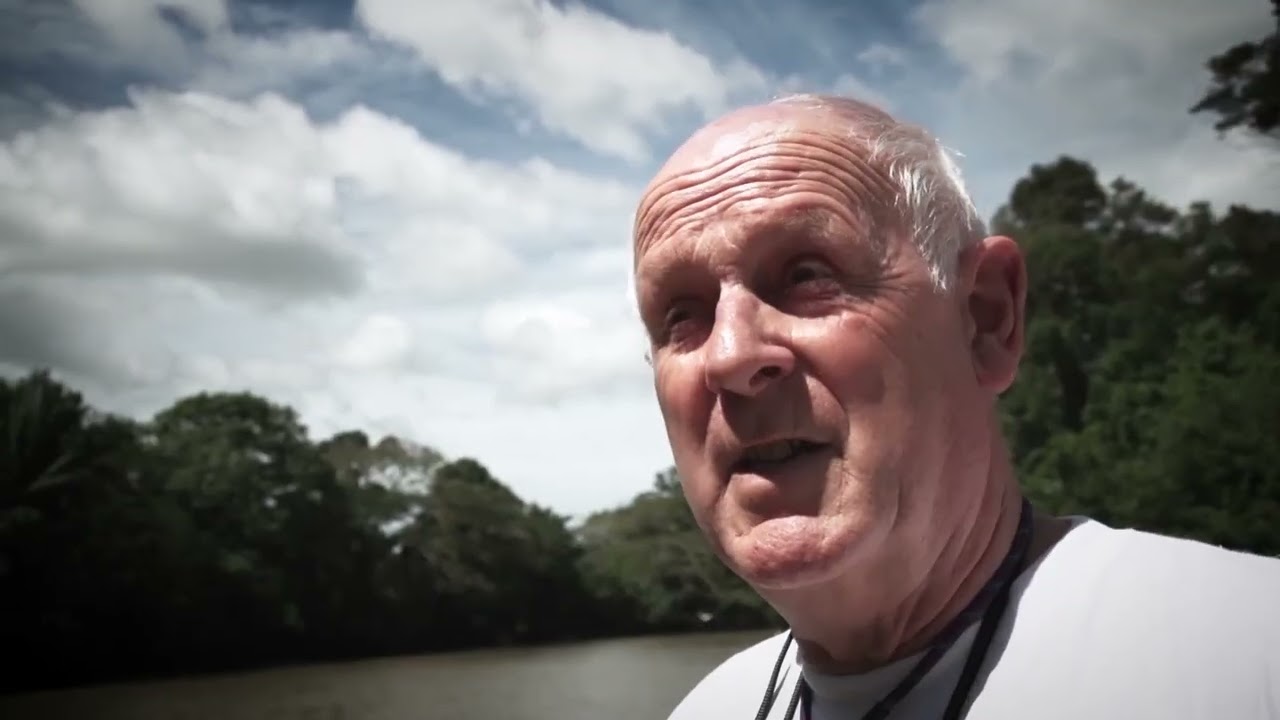
Video: Words from a Costa Rica Traveler
Where is crime a problem in Costa Rica?
Theft is the main risk, and it gathers where visitors and their belongings do. Government advisories name these places for theft:
- San José: the downtown core, the Coca-Cola bus terminal, the Mercado Central and public parks, especially after dark. Most visitors spend no more than a night in San José ; if you do, take a taxi or transfer after dark rather than walking.
- Central Pacific: Jacó , Quepos , Manuel Antonio National Park and the crocodile viewing bridge on the Tárcoles River , where cars are broken into while people look over the rail.
- Southern Nicoya: Santa Teresa and Mal País , Montezuma and the port of Puntarenas.
- Caribbean coast: Puerto Viejo , Cahuita and Limón . Canada's advisory also reports violent assaults on travelers in Puerto Viejo and Puerto Limón.
Canada also lists airport terminals, hotel lobbies and street-side restaurant patios as places where teams of thieves work: one distracts you while the other takes the bag.
Isolated vacation rentals are a target. The U.S. Embassy reports rental homes and ecolodges invaded by armed groups. The best protection is a property with people around it, which is one reason our Costa Rica Insiders favor staffed hotels and lodges over isolated rentals.
What are the safest places to visit in Costa Rica?
The main visitor regions outside the cities: Arenal and La Fortuna , Monteverde , the resort beaches of Guanacaste and the southern Pacific around Uvita and Ojochal . None of them is on the U.S. or Canadian lists of theft hot spots, and all have the staffed hotels and established tour operators that keep a trip low-risk. Our Costa Rica office is in La Fortuna, and the advice we give guests there is the same as anywhere else: car break-ins happen at trailheads and tour parking lots everywhere, so what you leave in the car matters more than which town you're in.
What scams should I watch for in Costa Rica?
These are the ones the U.S. Embassy and Canada warn about:
- The flat tire. Someone "helps" change your tire while an accomplice empties the car. Drive on to a service station or busy public place and change it there.
- Key-fob jammers. Thieves block the signal so your car doesn't lock. Check the doors by hand every time.
- Street money changers. Some pass counterfeit dollars and colones. Change money at a bank or use an ATM inside a bank or shop.
- Unofficial taxis. Official taxis are red with a yellow triangle on the door, or orange at the airport. Use those or a booked transfer, never a car that offers you a ride.
- Street-corner "guides." Touts selling tours on the street are sometimes a distraction for theft. Book tours through reputable companies with ICT-certified guides.
- Spiked drinks and bootleg alcohol. Don't accept drinks or food from new acquaintances, and buy alcohol from reputable places. Costa Rica has had deaths from methanol-contaminated alcohol.
Two more habits cover most of the rest: carry a copy of your passport photo page and entry stamp, leaving the passport in the hotel safe, and wear nothing that looks expensive on the beach or in town. Drug possession, marijuana included, is illegal and can mean jail time.
Is it safe to drive in Costa Rica?
Yes, if you are a confident, defensive driver who stays off the road after dark. It is the hardest part of a do-it-yourself trip all the same. Canada calls road conditions and road safety "generally poor throughout the country": potholes, sharp curves, few signs, landslides, narrow or unpaved roads, and drivers who ignore traffic laws or drive without lights at night. In the rainy season rivers rise quickly, so don't drive through moving water, however shallow it looks.
- License: tourists may drive on a valid U.S. license. Carry your passport while driving; police do not accept photocopies.
- After an accident: leave the car where it is, stay at the scene and call 911. The authorities can stop you leaving the country until injury claims are settled, which can take months.
- Parking: leave nothing in the car, not even in the trunk, and use guarded or paid lots.
Many travelers skip driving altogether. A private transfer means no car sitting at a trailhead, no night driving and a driver who knows which roads the rain has closed. Others mix the two: private transfers for the long mountain drives, and a rental for a week on the beach. See private transfers and car rentals in Costa Rica , or renting a car and driving in Costa Rica for the self-drive details.
Can you drink the tap water in Costa Rica?
Yes, in most of the country. In the most recent national breakdown (2016 data), the water laboratory of AyA, the national water utility, found that 91.8% of Costa Ricans received drinkable tap water, and 98.8% of those on AyA's own systems. The weak spots are the small rural systems, where the figure was 78.1%. So drink from the tap in towns and at established hotels, and ask at remote lodges, where the water may come from a well or a small community system.
On food, the usual care is enough, with one current exception. The CDC reported a hepatitis A outbreak on September 18, 2026, mostly in San José province, and it recommends the hepatitis A vaccine for unvaccinated travelers aged one and over. After heavy rain, avoid swimming in rivers or floodwater, which can carry leptospirosis.
Is it safe to swim in the ocean in Costa Rica?
Only where you know the conditions. Rip currents are the biggest physical danger in Costa Rica. The U.S. Embassy says they cause multiple drownings every year, that most beaches have no lifeguards or warning signs, and that where there are no lifeguards, no signs and no flags, you should stay out of the water. A peer-reviewed study counted 936 drownings on Costa Rican beaches from 2001 to 2019. Thirty-eight percent of the victims were foreigners, and the worst beaches were on the Central Pacific: Jacó, Hermosa and Espadilla, the public beach at Manuel Antonio.
- Don't swim alone, at night, after drinking, or where locals don't swim.
- If a current pulls you out, don't fight it. Swim parallel to the shore until you are free of it, then swim back in.
- Take surf lessons and rent gear only from certified operators. Costa Rica's tourism board, the ICT, keeps the list of certified guides.
- On a rafting or kayaking trip, wear the life jacket and helmet. A flash flood can make even a popular stretch of river dangerous.
Some bays are usually gentler, such as those on the Gulf of Papagayo and at Manzanillo on the Caribbean side, but conditions change by the day. If you're planning a Costa Rica beach vacation with children, your Insider can match you with hotels on calmer beaches.
Is Costa Rica's wildlife dangerous?
Very rarely, if you give animals space. Venomous snakes, including the fer-de-lance (terciopelo), live in forests and on farmland. Stay on trails, wear closed shoes, and take night walks with a guide who carries a light. Costa Rica makes its own snake antivenom at the University of Costa Rica's Clodomiro Picado Institute, and public hospitals and clinics give the treatment. Bats can carry rabies, so get any bite or scratch from a wild animal seen by a doctor that day.
Don't feed the monkeys or any other wild animal. It changes their behavior, it can make them sick, and Costa Rica's Wildlife Conservation Law fines people who do it. A good naturalist guide finds far more wildlife than you would on your own and keeps everyone at a safe distance; your Insider can arrange one for any park on your route.
Do I need vaccines for Costa Rica, and are there mosquito-borne diseases?
No vaccine is required to enter Costa Rica from the United States. Yellow fever proof is needed only if you arrive from a country with yellow fever. The CDC recommends routine vaccines plus hepatitis A and B, and mosquito-borne illness is the health risk to plan for:
- Dengue: on September 3, 2026, the CDC added Costa Rica to its list of countries with higher-than-expected dengue. It is a risk year-round, and there is no dengue vaccine for most travelers.
- Chikungunya: the CDC has a Level 2 notice (July 30, 2026) for an outbreak in northwest Costa Rica (Guanacaste). It recommends the chikungunya vaccine for travel to an outbreak area.
- Malaria: the CDC recommends preventive medication for the provinces of Alajuela and Limón, and insect precautions only in the rest of the country. Alajuela includes Arenal and La Fortuna, and Limón covers the Caribbean coast, so check your route with a travel-medicine clinic.
- Zika: Zika is present. If you are pregnant or planning a pregnancy, talk to your doctor before you book.
The protection is the same for all four: a repellent with DEET, picaridin or IR3535, long sleeves at dawn and dusk, and air-conditioned or screened rooms. Book the clinic visit four to six weeks before you fly.
How strong is the sun in Costa Rica?
Much stronger than at home for most visitors. Costa Rica is in the tropics, so the midday sun is intense all year, and it burns through cloud. The CDC's advice fits: sunscreen of at least SPF 15, reapplied after swimming, a hat and a long-sleeved sun shirt, and shade between 10 a.m. and 4 p.m. Sun reflected off water and sand makes the dose higher on boats and beaches, and heat-related illness is a risk on hot days, especially on Guanacaste's beaches in the dry season. Drink more water than you think you need. The cloud forests of San Gerardo de Dota and Monteverde are cooler, but the high-altitude sun still burns.
What is medical care like in Costa Rica?
Good, and very good in San José. Canada calls Costa Rican health care "very good." The public hospitals of the CCSS, the social security system, are good but can have long waits, and Canada notes that doctors rarely speak English. The private hospitals, most of them in San José, are excellent and usually want payment up front. Outside the cities, emergency care is more limited, so a serious injury on the coast may mean a transfer to San José.
- Buy travel insurance that covers medical evacuation. The U.S. Embassy "strongly encourages" it and says evacuation to the U.S. can cost $10,000 and up. Medicare does not pay for care outside the United States.
- Bring prescription medicines in their original containers.
- Pharmacies (farmacias) are easy to find for over-the-counter medicines.
If you fall ill while traveling with us, call your Costa Rica Insider. We'll direct you to the nearest reputable clinic and rework the rest of your trip around your recovery.
Is medical tourism in Costa Rica safe?
It can be, if you check before you book. Costa Rica is an established destination for dentistry and cosmetic surgery. Most procedures take place in private hospitals in San José, some of which, such as Hospital CIMA, hold Joint Commission International accreditation. Canada warns that its citizens have had serious complications after elective surgery abroad, so:
- Confirm your surgeon is registered with the Colegio de Médicos y Cirujanos , or your dentist with the Colegio de Cirujanos Dentistas , for the specialty they advertise.
- Ask whether your insurance will pay for the procedure, complications and follow-up care at home.
- Plan the vacation around the recovery. Do the ziplines, beaches and sun before surgery, then rest near San José until your surgeon clears you to fly.
If you're combining a procedure with a vacation, your Insider can plan the travel around it: airport pickups, a quiet place to recover close to the clinic, and the part of the trip that is a vacation.
Does Costa Rica have earthquakes, volcanoes or floods?
Earthquakes, yes. Tremors are frequent and usually minor, and a tsunami can follow a strong coastal quake, so learn the evacuation route if you are staying by the sea. Arenal, Poás, Rincón de la Vieja and Turrialba are active or potentially active volcanoes, and the parks close when activity rises. Check before visiting Poás or Rincón de la Vieja . The bigger practical hazard is rain. From mid-May to the end of November, heavy rain can bring flash floods and landslides, close roads, and raise rivers even where it isn't raining. Our team reworks transfers when roads close, which is much easier with a driver than with a rental car and a map.
What are the emergency numbers in Costa Rica?
- 911: police, ambulance and fire, nationwide. English-speaking operators may be available, but a Spanish speaker helps.
- U.S. Embassy San José: +506 2519-2000. From the U.S. call +1-888-407-4747, or +1-202-501-4444 from abroad. Enroll in the State Department's STEP program before you go so the embassy can reach you.
- Theft or assault: file a report (denuncia) with the OIJ, Costa Rica's judicial investigation police. Insurers will ask for it.
- Traveling with us: your Costa Rica Insider and our operations team are on call throughout your trip by phone, text and WhatsApp. For questions before you book, call +1-888-456-3212, or +506 4600-9888 in Costa Rica.
Is Costa Rica safe for solo travelers, women and LGBTQ+ travelers?
Yes, with the same precautions as anyone else and a few more at night. Canada notes that women traveling alone may face harassment, and that sexual assaults against foreigners have happened at beach resorts and in taxis in San José. Use pre-booked transfers or official taxis, keep hold of your drink, and let someone know your plans each day. Solo travelers do best at small, staffed hotels and on guided tours rather than in isolated rentals.
Costa Rica was the first country in Central America to legalize same-sex marriage, on May 26, 2020. Our Insiders can suggest hotels and destinations where LGBTQ+ couples will feel welcome.
How does traveling with a Costa Rica Insider make the trip safer?
It takes most of the situations above off your plate. Private transfers mean you aren't driving at night or leaving a car at a trailhead. Hand-picked, staffed hotels and lodges replace isolated rentals. Guided tours come through trusted local operators, and our team is on call by phone, text and WhatsApp throughout your trip, with help when weather or road closures change the plan. If you would like that for your trip, plan your Costa Rica trip with an Insider .
Related Travel Guides
Costa Rica itineraries from local insiders
Explore hand-picked Costa Rica itineraries designed by local insiders who know every hidden corner. Each trip is completely flexible, customized to your pace, travel style, and budget.
Pura Vida Adventure Together
We both love nature and hiking so Costa Rica is ideal for both of those. We went during what’s considered the rainy season so you need to be aware of that going in. It rained at some point almost every day we were there but we still had a very enjoyable time. We visited La Fortuna and Manuel Antonio. We enjoyed La Fortuna more. La Fortuna was more jungle whereas Manuel Antonio was more coastal and felt more touristy.
Costa Rica
Adventure Through Costa Rica's Wild Heart
Costa Rica was just magnificent. The people, food, jungles, beaches were all fantastic. Can’t wait until my next trip back.
Costa Rica
Big Multi Family Group Adventure
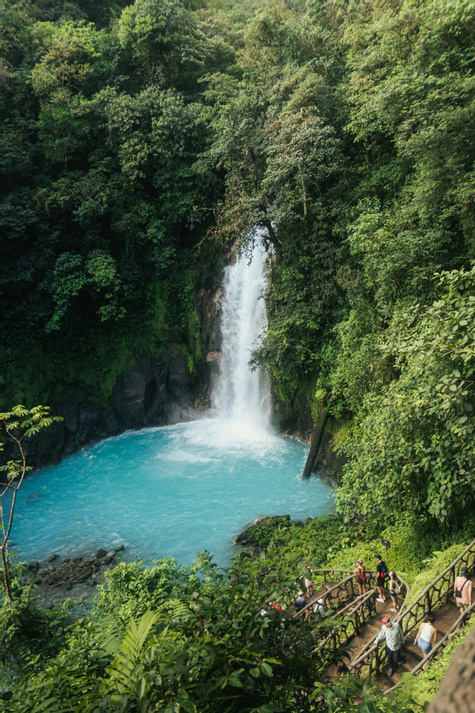
Embark on a vibrant Costa Rican adventure that juxtaposes bustling urban energy with lush, untouched rainforests, delivering a dynamic escape from everyday routine. From San José’s lively streets you’ll head to Monteverde’s cloud‑forest canopy for sky tram rides and hikes, then dive into Rio Celeste’s turquoise waters and trek El Silencio’s volcanic paths. Friendly locals and knowledgeable guides will immerse you in coffee farms, rainforest sounds, and volcanic vistas, leaving you with lasting memories of Costa Rica’s spirited hospitality and natural wonder.
Costa Rica
Sisters Adventure Together
Incredible tours, hotels, and communities.
Costa Rica
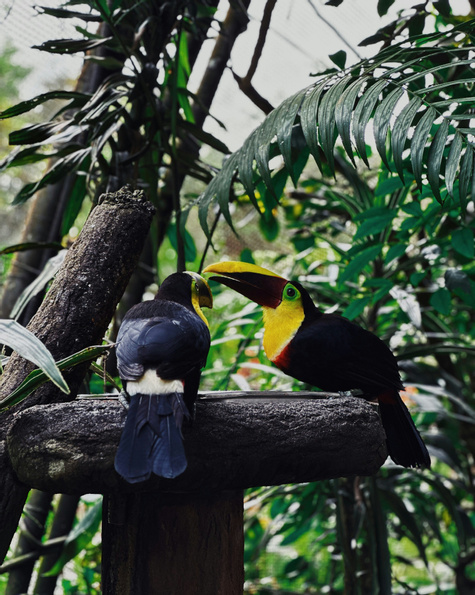
Matt and Fran’s Costa Rica holiday
Costa Rica has a diverse landscape and every area is unique and different. We easily rented a 4 wheel drive vehicle and drove from the Caribbean to the Pacific!

Costa Rica
Family Time in Costa Rica
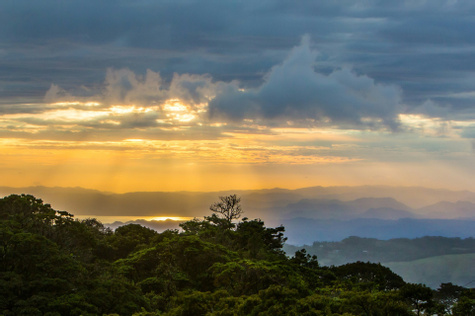
Michelle and her family embarked on a multi‑generational adventure in Costa Rica, where mist‑cloaked cloud forests meet surf‑kissed Pacific beaches, offering a vibrant contrast of cool heights and warm tides. Your journey weaves through Monteverde’s canopy zip lines and canyoning thrills, the turquoise Tenorio River’s Class III/IV rapids, and La Leona waterfall’s lush river tubing. Guided by local experts and supported by a comfortable van, your family will soak up Pura Vida hospitality, returning home with shared stories of soaring forests and surf‑side sunsets.
Costa Rica
Family Adventure Through Costa Rica
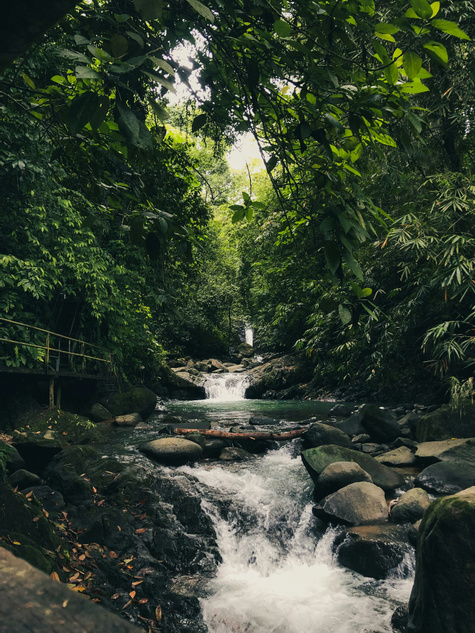
Rachel and her family of four spent a week moving across Costa Rica, from Arenal to the Pacific coast, with every transfer and tour arranged door to door. In Arenal they rode the Sky Adventures aerial tram and ziplines, took on the Balsa River's Class II–III rapids, and walked the EcoGarden trails to find sloths in their actual habitat, not a roadside stop, then the falls at La Fortuna. On the coast at Manuel Antonio they hiked the national park with a local guide, snorkeled the reef, and chased the Mulguri waterfall. As Rachel said, these weren't tours with twenty other tourists trailing the buses. They were the real thing, reachable only through local connections, with the family's days handled start to finish.
Costa Rica
Dream Honeymoon Adventure in Costa Rica
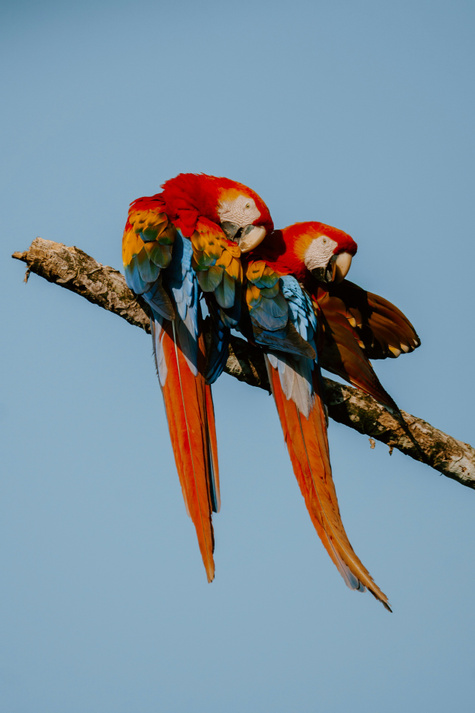
Embark on a honeymoon that swaps city bustle for Costa Rica’s emerald rainforests and sun‑kissed beaches, where romance meets adventure in every sunrise. From Monteverde’s misty cloud forest trails to Arenal’s volcanic hot springs, then Playa Conchal’s Pacific surf and Damas Island’s mangrove kayak tours, you’ll hike, soak, and sail. Friendly local guides and vibrant community flavors will weave unforgettable memories, leaving you with a deeper connection to nature, Costa Rican warmth, and each other.
Costa Rica
Costa Rica Off Season Adventure
We found Costa Rica to be really beautiful. I loved the flowering plants everywhere, but the wildlife is the main reason we went. We didn't see monkeys in every tree or even toucans up close, but we did see them from a distance. We also saw lots of colorful birds in the National Forests that we have never seen before.
Costa Rica